
Introduction
A Welding Procedure Qualification Record (WPQR) is the backbone of any successful welding operation, serving as a detailed proof that your welding process meets industry standards. Without this crucial document, certifying your welds becomes a game of chance rather than a guarantee of quality, especially when tension tests and other mechanical testing are involved. In essence, the WPQR is your ticket to demonstrating that your welding procedures can withstand real-world stresses and adhere to acceptance criteria set by industry standards.
B The impact of a well-prepared Welding Procedure Qualification Record on certification cannot be overstated. It acts as the official record that validates your welding process during inspections and audits, making or breaking your chances of certification approval. When tension tests and other mechanical testing show results within acceptance criteria, it solidifies the credibility of your WPQR and paves the way for successful certification in competitive markets.
C Navigating quality assurance with China Inspection Pro ensures that every aspect of your Welding Procedure Qualification Record is scrutinized for accuracy and compliance. Their professional inspection services help verify that tension test data aligns with acceptance criteria and standard requirements, giving you confidence in your certification journey. With expert support, you can turn inspection findings into a seamless pathway toward achieving industry-recognized certifications for your welding processes.
What Is a Welding Procedure Qualification Record
A Welding Procedure Qualification Record (WPQR) is the official document that captures the results of testing a specific welding procedure to ensure it meets industry standards and acceptance criteria. This record serves as proof that the welding process has been thoroughly tested and validated, which is crucial for certification purposes. Essentially, the WPQR provides confidence that welds will perform reliably under operational conditions, especially when mechanical testing like tension tests are involved.
The WPQR typically includes detailed documentation of all testing phases, including tension tests and other mechanical testing methods used to assess weld quality. These tests evaluate whether the welded joint can withstand specified loads and stresses, aligning with acceptance criteria set by industry standards such as AWS or ASME. When these mechanical tests meet or exceed acceptance criteria, it confirms that the welding procedure is qualified for production use and certification.
In addition to mechanical testing results, a comprehensive Welding Procedure Qualification Record also contains specifics about materials used, welding parameters, inspection methods, and test conditions. Maintaining accuracy in this record ensures compliance with industry standards and facilitates smooth certification processes. Ultimately, a well-prepared WPQR acts as a cornerstone for quality assurance in welding projects by demonstrating adherence to required acceptance criteria through rigorous testing.
The Testing Process: Tension and Mechanical Tests
The testing phase is a critical step in developing a comprehensive Welding Procedure Qualification Record, ensuring that welding procedures meet industry standards and safety requirements. Mechanical testing, especially tension tests, plays a vital role in verifying the strength and ductility of welds. These tests help confirm that the welding procedure can produce reliable, high-quality joints consistent with the expectations set forth in the Welding Procedure Qualification Record.
Conducting Basic Tension Tests for Qualification
Performing tension tests is often the first mechanical testing method used to validate a welding procedure within the Welding Procedure Qualification Record. During this process, welded samples are subjected to controlled pulling forces until failure occurs, revealing their ultimate tensile strength and elongation properties. Meeting the specified acceptance criteria in these tension tests is essential for certifying that the welds will withstand operational stresses and pressures without failure.
Other Mechanical Testing Methods and Their Significance
While tension tests are fundamental, other mechanical testing methods like bend tests, impact tests, and hardness measurements also contribute valuable insights into weld quality within the Welding Procedure Qualification Record. Each test evaluates different material properties—ductility, toughness, or hardness—ensuring comprehensive validation of welding procedures across various conditions. These additional tests strengthen confidence that all aspects of mechanical performance align with acceptance criteria outlined by relevant standards.
Interpreting Test Results and Meeting Acceptance Criteria
Once mechanical testing is complete, interpreting the results accurately is crucial to determine if they meet established acceptance criteria within your Welding Procedure Qualification Record. The data must demonstrate compliance with industry standards such as AWS or ASME guidelines; failure to do so may require revising welding parameters or requalifying procedures altogether. Achieving passing results not only validates your welding process but also paves the way for certification success by satisfying all necessary acceptance criteria.
Steps to Prepare a Welding Procedure Qualification Record
Preparing a Welding Procedure Qualification Record (WPQR) is a meticulous process that lays the foundation for successful welding certifications. It involves carefully planning and executing tests, documenting every detail accurately, and ensuring adherence to industry standards. A well-prepared WPQR not only demonstrates compliance but also showcases the integrity of your welding procedures, especially when it comes to tension tests and other mechanical testing methods.
Planning and Conducting the Qualification Tests
The first step in creating an effective Welding Procedure Qualification Record is thorough planning of qualification tests. This includes selecting appropriate materials, welding techniques, and testing parameters aligned with industry standards like AWS or ASME. During these tests, tension test specimens are prepared to evaluate the mechanical properties of welds, ensuring they meet acceptance criteria for strength and ductility. Conducting these tests systematically guarantees that the mechanical testing results are reliable and valid for certification purposes.
Documenting Procedures and Test Data Accurately
Once the tests are completed, it’s crucial to meticulously document every aspect of the welding procedure along with test data in your WPQR. Precise records should include details such as welding parameters, materials used, test conditions, and results from tension tests or other mechanical testing methods. Proper documentation ensures transparency and helps inspectors verify that all acceptance criteria have been met; any deviation can jeopardize certification efforts. Accurate record-keeping solidifies your case when demonstrating compliance with industry standards.
Ensuring Compliance with Industry Standards
Finally, aligning your Welding Procedure Qualification Record with established industry standards is essential for smooth certification processes. This involves cross-referencing test results against acceptance criteria specified by standards like AWS D1.1 or ASME Section IX, especially focusing on tension test outcomes and other mechanical testing benchmarks. Ensuring compliance not only boosts confidence in your weld quality but also streamlines approval processes—your WPQR becomes a passport to certified success.
Acceptance Criteria and Industry Standards
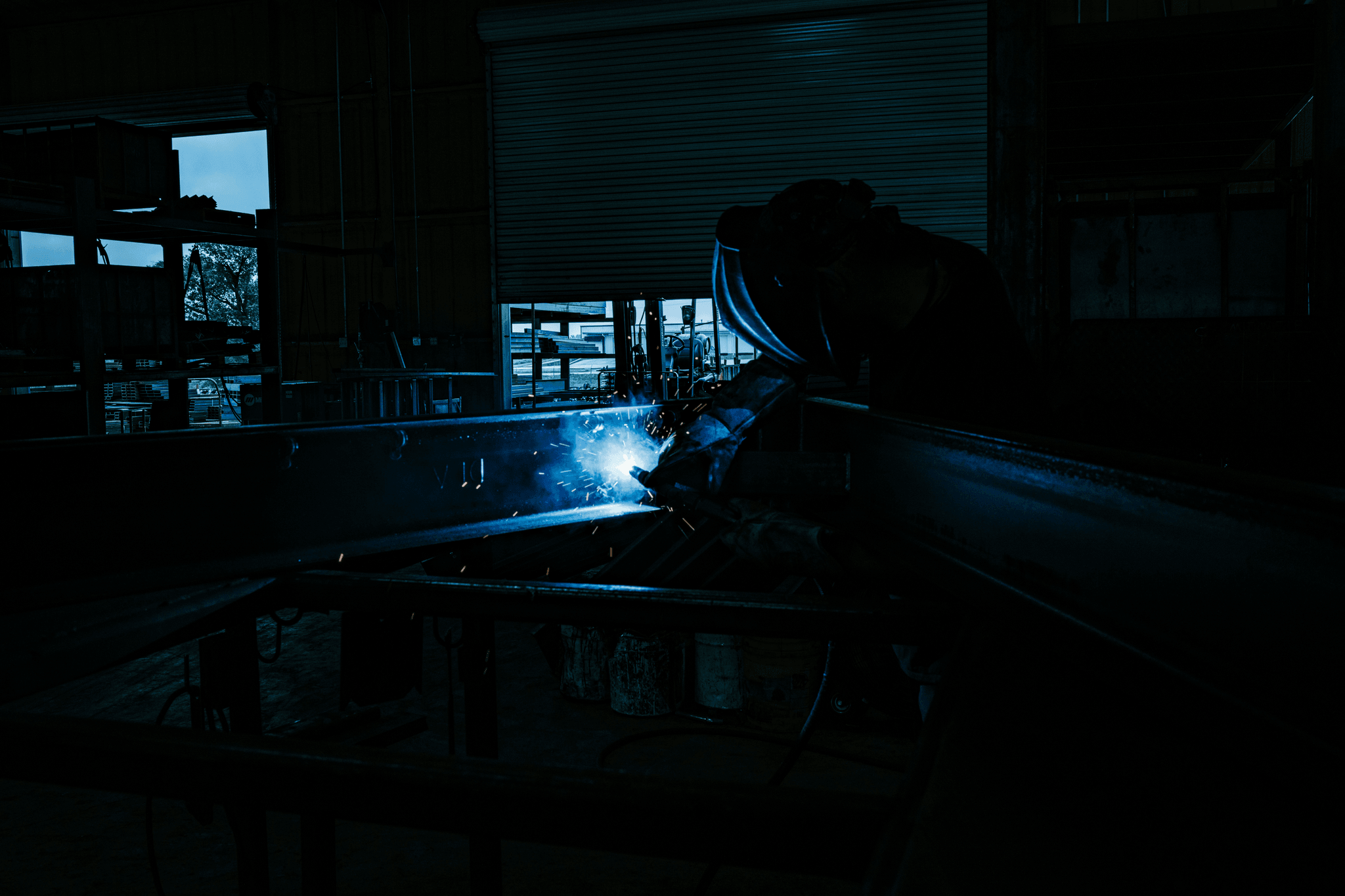
Understanding the acceptance criteria for mechanical testing is crucial when working with a Welding Procedure Qualification Record (WPQR). These criteria serve as the benchmarks that determine whether the tension test and other mechanical tests meet industry standards. If the welded sample passes these acceptance thresholds, it confirms that the welding procedure can reliably produce strong, durable welds suitable for certification.
Industry standards from organizations like AWS and ASME provide detailed guidelines on what constitutes acceptable results in mechanical testing. These standards specify the minimum tensile strength, elongation, and other properties that a welded specimen must exhibit to be deemed compliant. Adhering to these guidelines ensures that your Welding Procedure Qualification Record aligns with recognized safety and quality benchmarks, paving the way for successful certification.
Acceptance criteria influence every step of certifying a welding process because they directly impact whether your tension test results are approved or rejected. A Welding Procedure Qualification Record that meets or exceeds these criteria demonstrates that your welding procedure is reliable under industry standards. Consequently, understanding how these acceptance thresholds affect certification helps welders and inspectors streamline their processes toward achieving compliance.
The Role of Quality Inspection in Qualification
Quality inspection plays a pivotal role in ensuring that the Welding Procedure Qualification Record accurately reflects the welding process’s integrity. When inspecting, professionals meticulously verify that all documentation aligns with actual test results, especially tension tests and other mechanical testing procedures. This step is crucial because even minor discrepancies can impact whether the acceptance criteria are met, ultimately influencing certification outcomes.
How China Inspection Pro Ensures Record Accuracy
China Inspection Pro employs rigorous procedures to verify every detail within the Welding Procedure Qualification Record. Their inspectors scrutinize tension test data and assess mechanical testing results to confirm they meet industry standards and acceptance criteria. By cross-checking raw data against recorded documentation, they help prevent errors that could jeopardize certification or lead to costly re-tests.
The Value of Professional Inspection Services
Professional inspection services add a layer of confidence when preparing a Welding Procedure Qualification Record, especially regarding mechanical testing outcomes like tension tests. These experts understand the nuances of acceptance criteria and ensure each record accurately captures test conditions and results. Their insights help welders adjust procedures as needed, reducing failures during qualification and streamlining certification processes.
Turning Inspection Findings into Certification Success
Inspection findings provide actionable insights for refining welding procedures to better align with acceptance criteria for mechanical testing. When issues arise—such as failed tension tests or deviations from standards—professional inspectors guide adjustments that improve weld quality and record accuracy within the Welding Procedure Qualification Record. Ultimately, this proactive approach turns inspection findings into a clear pathway toward successful certification.
Common Challenges and Troubleshooting
Navigating the world of Welding Procedure Qualification Records can be tricky, especially when faced with unexpected hurdles like tension test failures or mechanical testing setbacks. A common challenge is when the initial tensile or other mechanical testing results do not meet the acceptance criteria outlined in the welding procedure qualification record. In such cases, it’s essential to analyze whether the test failures stem from procedural inconsistencies, material issues, or equipment calibration problems before proceeding further.
When a tension test or other mechanical testing does not meet acceptance criteria, adjustments are often necessary to bring the welding procedure back into compliance. This might involve refining parameters such as heat input, welding speed, or filler material to improve weld quality and ensure that subsequent tests align with industry standards. Remember, modifying your welding procedures should always be documented thoroughly in your Welding Procedure Qualification Record to maintain transparency and traceability.
Maintaining record accuracy and integrity throughout this process is crucial for certification success. Regularly reviewing your Welding Procedure Qualification Record ensures all data reflects actual testing conditions and results—especially after troubleshooting issues. Keeping meticulous records helps prevent discrepancies that could jeopardize certification efforts and ensures that your welding process remains compliant with relevant acceptance criteria.
Conclusion
Navigating the world of welding certification can seem daunting, but a well-prepared Welding Procedure Qualification Record (WPQR) makes all the difference. Achieving certification hinges on demonstrating that your welding process meets strict acceptance criteria through rigorous mechanical testing, including tension tests. When your WPQR accurately documents these tests and aligns with industry standards, it not only proves compliance but also boosts confidence in your welding quality.
Professional support plays a crucial role in this journey, especially when it comes to interpreting tension test results and ensuring that all mechanical testing meets the required acceptance criteria. Experts in quality inspection help verify that every detail of your Welding Procedure Qualification Record is precise and compliant, reducing the risk of costly failures or rework. Their insights turn complex data into actionable steps, making certification an achievable milestone rather than a mountain to climb.
Moving forward with confidence means understanding that a comprehensive WPQR backed by professional inspection ensures your welding processes are both reliable and certifiable. Consistently meeting acceptance criteria through proper documentation and testing demonstrates your commitment to quality and safety standards. Ultimately, investing in thorough qualification records and expert guidance paves the way for successful certifications and long-term success in your welding projects.