
Introduction
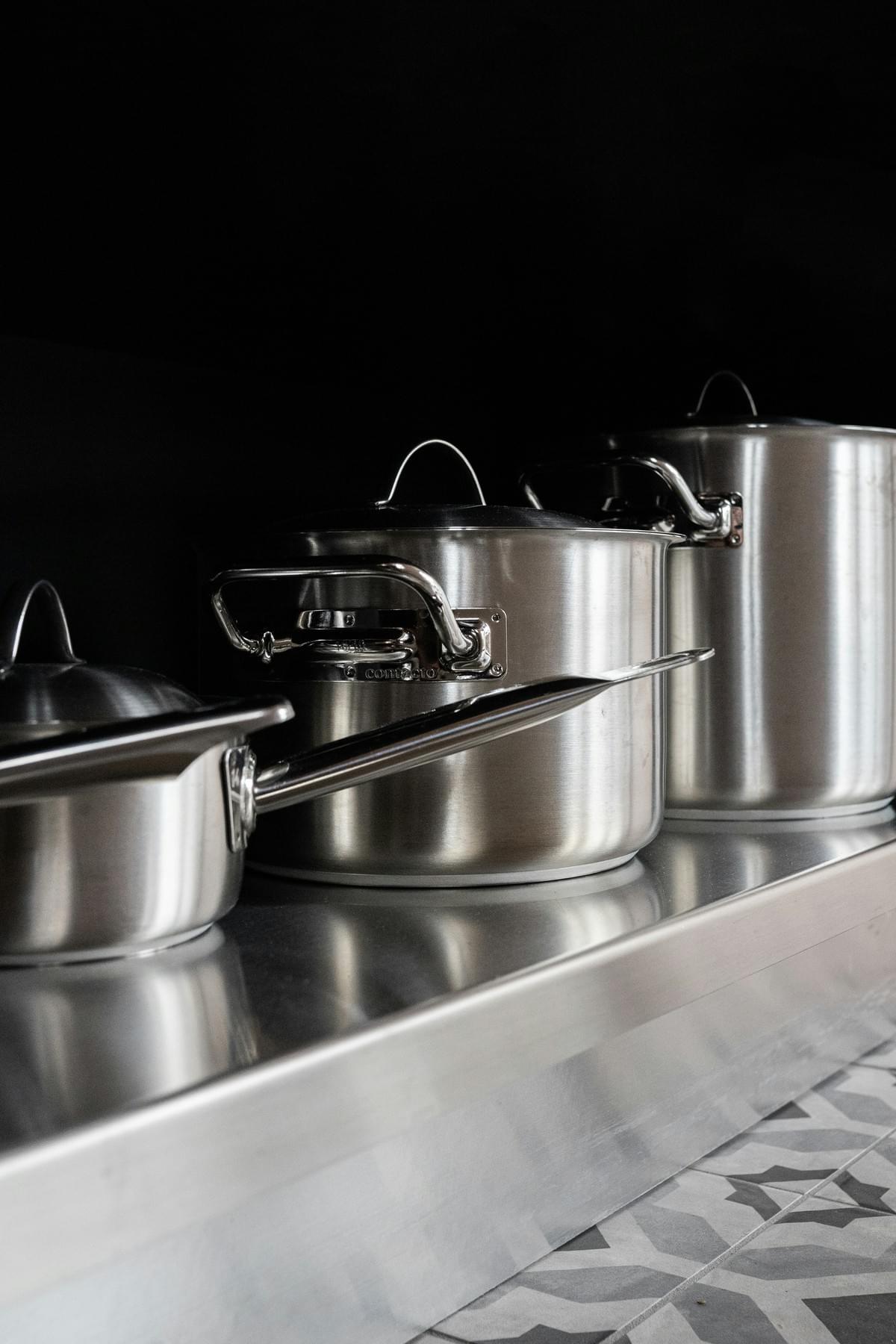
Cookware Recalls often make headlines, serving as a stark reminder that safety is fundamental to cookware manufacturing. These recalls highlight the importance of rigorous product inspection, on-site testing, and supplier factory audits to prevent hazardous products from reaching consumers. When companies overlook these crucial quality control steps, it can lead to costly recalls that damage brand reputation and consumer trust.
Why Cookware Recalls Are a Wake-Up Call
Cookware Recalls should be viewed as a wake-up call for manufacturers and consumers alike. They expose vulnerabilities in the product inspection process and underscore how product defects can slip through even the most well-known brands. The Dutch Oven Recall case is a perfect example where better on-site testing and supplier factory audits could have prevented potential safety issues before products hit the shelves.
The Importance of Safety in Cookware Manufacturing
Safety is fundamental to cookware because consumers rely on these products daily for preparing meals safely and efficiently. Implementing comprehensive quality control measures—such as laboratory testing and real-time on-site testing—ensures that every item meets strict safety standards. Prioritizing safety through diligent product inspection not only protects consumers but also fortifies brand integrity against future cookware recalls.
How Quality Control Saves Money and Reputation
Effective quality control is key to safety and ultimately saves money by preventing costly recalls like those seen with some popular brands. Investing in thorough product inspection, supplier factory audits, and laboratory testing reduces the risk of defective cookware reaching customers. When companies embrace continuous improvement in their quality systems, they safeguard their reputation while avoiding the financial fallout associated with cookware recalls.
The Anatomy of a Cookware Recall

Cookware recalls can be sudden and disruptive, often catching consumers and manufacturers off guard. These recalls highlight the importance of rigorous quality control measures, including thorough product inspection, on-site testing, and supplier factory audits. When safety is fundamental to cookware production, a recall can sometimes be prevented altogether through proactive quality control strategies.
Many notable cookware recalls from companies like Calphalon and Cuisinart serve as cautionary tales. These brands faced issues such as non-stick coating peeling or handles detaching unexpectedly—problems that could have been caught earlier with diligent product inspection. Implementing comprehensive on-site testing and supplier factory audits might have identified these flaws before products reached consumers, reinforcing that quality control is key to safety in cookware manufacturing.
Common causes behind cookware recalls often stem from material defects, manufacturing errors, or inadequate safety checks—issues that emphasize why product inspection must be meticulous at every stage. For example, the Dutch oven recall involving Le Creuset could have been avoided if proper product inspection had detected potential flaws early on. This case underscores how product inspection combined with laboratory testing ensures hidden defects are identified before products hit store shelves.
By prioritizing supplier factory audits alongside laboratory testing for material integrity, manufacturers can significantly reduce risks associated with defective cookware. These steps are vital because they reinforce that safety is fundamental to cookware production; without them, even the most reputable brands risk costly recalls. Ultimately, integrating thorough product inspection into every layer of manufacturing creates a safer environment for consumers and maintains brand integrity amid rising Cookware Recalls concerns.
How Product Inspection Could Have Prevented the Dutch Oven Recall

The Dutch oven recall, specifically involving Le Creuset, highlights how crucial product inspection is in the cookware industry. When safety is fundamental to cookware manufacturing, a rigorous inspection process can spot potential hazards before they reach consumers. This incident underscores that quality control is key to safety, especially when dealing with products that come into direct contact with food and heat.
If proper on-site testing had been implemented during production, many of the issues leading to the recall could have been caught early. Product inspection at various stages ensures that materials meet safety standards and prevents defective cookware from slipping through. Relying solely on supplier factory audits isn't enough; integrating laboratory testing adds an extra layer of security against hidden defects or material flaws.
This case demonstrates that comprehensive quality control strategies—combining product inspection, on-site testing, supplier audits, and laboratory testing—are essential for preventing future recalls. When companies prioritize these steps as part of their quality control system, they not only protect consumers but also safeguard their brand reputation. Ultimately, investing in thorough product inspection processes is a proactive approach to ensuring safe cookware and avoiding costly recalls down the line.
Implementing Effective On-Site Testing Methods
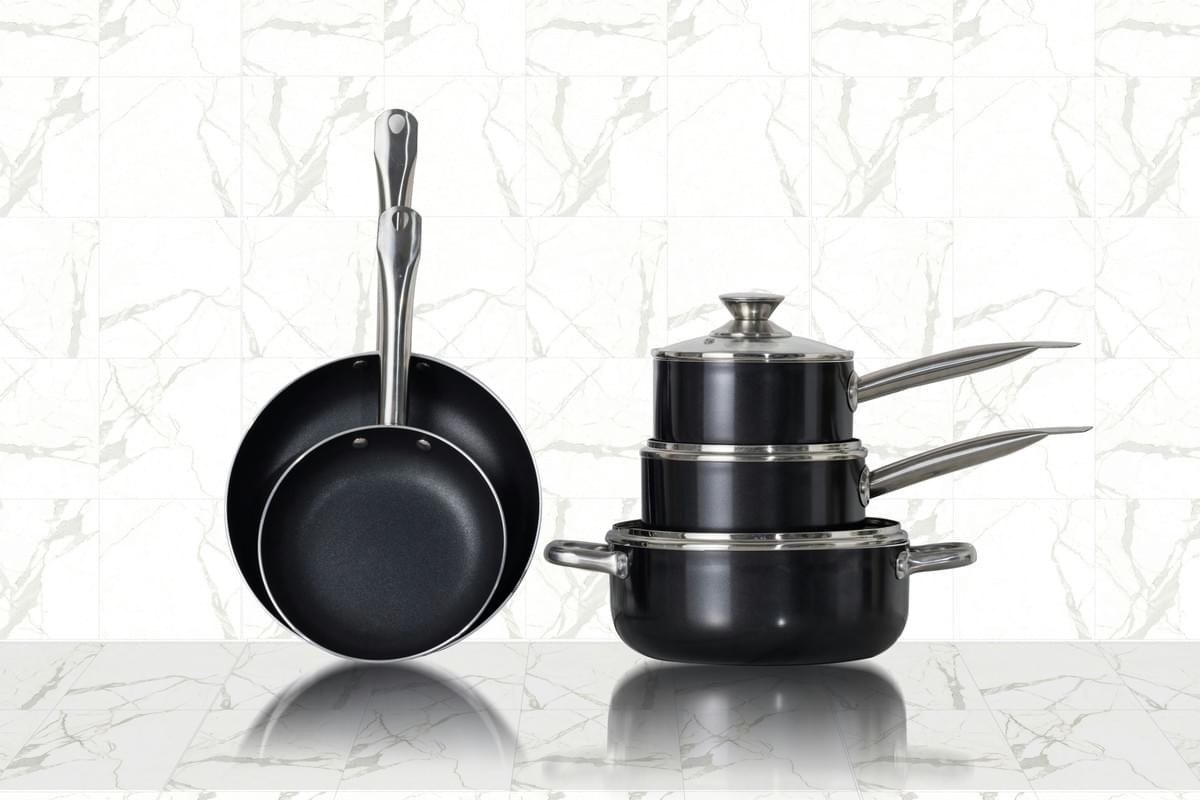
Implementing robust on-site testing methods is essential for preventing cookware recalls and ensuring safety is fundamental to cookware manufacturing. By integrating advanced testing techniques directly into the production line, companies can catch potential defects early, saving time and money while safeguarding their reputation. When product inspection becomes a routine part of manufacturing, it significantly reduces the risk of faulty cookware reaching consumers, exemplifying how quality control is key to safety.
Advanced Techniques for Cookware Safety Verification
Modern on-site testing employs cutting-edge technologies like thermal imaging, ultrasonic inspections, and non-destructive testing to verify the safety of cookware products in real-time. These advanced techniques allow inspectors to detect hidden defects or material flaws that traditional visual checks might miss—crucial in avoiding issues that could lead to cookware recalls. Incorporating these sophisticated methods ensures that how product inspection could have prevented the Dutch oven recall becomes a reality, emphasizing that safety is fundamental to cookware.
Benefits of Real-Time Testing During Manufacturing
Real-time testing during manufacturing offers immediate feedback, enabling manufacturers to address potential problems before products leave the factory floor. This proactive approach aligns with quality control principles by catching issues early—preventing costly recalls and preserving brand integrity. When companies prioritize on-site testing, they reinforce that product inspection is not just a formality but a vital step in ensuring consumer safety and maintaining trust in their cookware products.
How China Inspection Pro Enhances On-Site Testing
Partnering with experts like China Inspection Pro elevates on-site testing capabilities through comprehensive supplier factory audits and rigorous product inspection procedures. Their expertise ensures manufacturers adhere strictly to safety standards, reducing the chances of defective cookware slipping through the cracks—highlighting how quality control is key to safety in every stage of production. By leveraging laboratory testing alongside on-site methods, they provide an extra layer of assurance that every piece meets stringent safety criteria—making recalls less likely and consumer confidence stronger.
Laboratory Testing for Ultimate Safety Assurance

Laboratory testing plays a crucial role in ensuring cookware safety and preventing future Cookware Recalls. It provides an extra layer of scrutiny beyond product inspection, catching hidden defects and material flaws that might slip through initial checks. Integrating laboratory results into the overall quality control system is essential for maintaining high safety standards and protecting consumers from potential hazards.
Types of Laboratory Tests for Cookware
There are several types of laboratory tests that can be employed to verify the safety of cookware, including chemical analysis, thermal testing, and durability assessments. Chemical analysis detects harmful substances like lead or cadmium that could pose health risks—something that product inspection alone might miss. Thermal testing ensures even heat distribution and resistance to warping, reinforcing the importance of quality control as a key to safety in manufacturing processes.
Detecting Hidden Defects and Material Flaws
Hidden defects are often the root cause behind many Cookware Recalls, such as weak welds or substandard coatings that aren’t visible during routine product inspection or on-site testing. Laboratory testing can uncover these flaws by examining the material composition at a microscopic level, revealing issues before products reach consumers. This step is vital because how product inspection could have prevented the Dutch Oven Recall hinges on catching these subtle yet dangerous faults early in production.
Integrating Laboratory Results Into Quality Control Processes
The value of laboratory testing increases exponentially when its findings are integrated into a comprehensive quality control system—one that includes supplier factory audits and ongoing on-site testing practices. When suppliers meet strict standards based on lab results, it reinforces how product inspection should be complemented by rigorous laboratory analysis to prevent costly recalls down the line. By making laboratory results part of your routine quality checks, you reinforce safety is fundamental to cookware manufacturing while safeguarding your brand’s reputation.
Building a Robust Quality Control System
Creating a safety-first environment in cookware manufacturing isn’t just good practice—it’s essential to prevent cookware recalls and protect consumers. Integrating product inspection, testing, and audits forms the backbone of an effective quality control system that can catch issues before they reach the market. When you prioritize safety as fundamental to cookware, you reduce the risk of costly recalls like the Dutch oven incident, saving reputation and money.
Integrating Product Inspection, Testing, and Audits
A comprehensive quality control approach combines product inspection with on-site testing and regular supplier factory audits. These elements work synergistically to identify potential hazards early—before products hit shelves—making how product inspection could have prevented the Dutch oven recall more evident. Quality control is key to safety because it ensures each batch meets strict standards, reducing the chances of defective cookware slipping through.
By integrating these processes seamlessly, manufacturers can detect material flaws or design defects that might otherwise lead to cookware recalls down the line. On-site testing plays a crucial role here; it verifies safety in real-time during production rather than after the fact. Consistent supplier factory audits reinforce this system by ensuring suppliers adhere to rigorous quality standards, which is vital for preventing future issues related to cookware recalls.
Training Staff and Raising Quality Awareness
Even with advanced testing methods in place, well-trained staff are your first line of defense against potential hazards that could cause cookware recalls. Educating employees about how product inspection could have prevented past incidents like the Dutch oven recall emphasizes their role in maintaining safety standards. When staff understand why quality control is key to safety—and how their vigilance directly impacts consumer well-being—they become proactive contributors rather than passive observers.
Raising awareness about laboratory testing procedures and on-site testing techniques ensures everyone recognizes their importance in safeguarding product integrity. Proper training also helps staff identify early warning signs of defects or non-compliance during inspections or factory visits. This culture of continuous learning fosters a proactive approach toward preventing future recalls by catching issues before they escalate.
Continuous Improvement for Safe Cookware Products
The journey toward building a robust quality control system doesn’t end with initial implementation; continuous improvement is necessary for maintaining high safety standards over time. Regularly reviewing inspection data, laboratory test results, and audit reports allows manufacturers to refine processes—making how product inspection could have prevented incidents like the Dutch oven recall even more effective next time around.
Emphasizing ongoing training updates staff on emerging testing techniques such as advanced laboratory testing methods enhances overall safety assurance efforts. Remember: quality control is key to safety because it evolves alongside manufacturing innovations and new materials; staying ahead means constantly adapting your systems for better risk detection and prevention strategies.
Conclusion
Prioritizing safety is the cornerstone of a successful cookware brand. When companies understand that safety is fundamental to cookware, they are more likely to invest in comprehensive product inspection and rigorous quality control measures. Implementing thorough on-site testing, supplier factory audits, and laboratory testing not only prevents potential product failures but also builds consumer trust and brand loyalty—key ingredients in avoiding costly cookware recalls.
Prioritizing Safety Is Fundamental to Cookware Success
Ensuring safety is the first step toward avoiding cookware recalls that can tarnish a company's reputation. When manufacturers focus on quality control as the key to safety, they reduce the risk of defective products reaching consumers. Proper product inspection during every stage of manufacturing acts as a safeguard against issues that could lead to a recall, such as those seen in notorious cases like the Dutch oven recall.
How Rigorous Quality Control Can Prevent Future Recalls
Rigorous quality control practices—including on-site testing, supplier factory audits, and laboratory testing—are essential for catching defects early. These measures serve as an effective barrier against common causes behind cookware recalls, such as material flaws or manufacturing errors. By integrating these steps into their processes, companies can proactively address potential hazards before products hit store shelves, saving money and protecting their reputation.
Partnering with Experts Like China Inspection Pro for Excellence
Partnering with experienced inspectors like China Inspection Pro elevates your quality control game by providing expert product inspection services tailored for cookware manufacturers. Their advanced on-site testing techniques and thorough supplier factory audits ensure compliance with safety standards and help detect hidden defects through laboratory testing. Collaborating with such professionals guarantees your company stays ahead of potential issues related to Cookware Recalls and maintains excellence in every product.