
Introduction
Ensuring the safety of pressure vessels is no small feat, and Vessel Pressure Testing plays a crucial role in that mission. When it comes to manufacturing reliable pressure vessels, quality control isn’t just a box to tick—it’s the cornerstone of safety and durability. Understanding what Hydrostatic Test Pressure entails helps industry professionals prevent failures and extend vessel lifespan, making pressure vessel hydro-static testing an essential part of the process.
Ensuring Safety with Vessel Pressure Testing
Vessel Pressure Testing is the ultimate safeguard against potential failures that could lead to catastrophic accidents or costly downtime. By conducting thorough tests, engineers can verify that each vessel can withstand the pressures it will face during operation. This process hinges on precise application of Hydrostatic Test Pressure, ensuring vessels are safe and compliant before they hit the field.
The Importance of Quality Control in Pressure Vessel Manufacturing
Quality control in pressure vessel manufacturing isn't just about meeting standards; it’s about guaranteeing performance under extreme conditions. Vessel Pressure Testing acts as a critical checkpoint to confirm that every component meets stringent specifications through rigorous inspection and testing protocols. Incorporating proper pressure vessel hydro-static testing guarantees consistent quality, minimizes risks, and upholds industry standards.
What You Need to Know About Hydrostatic Test Pressure
Understanding Hydrostatic Test Pressure is fundamental for anyone involved in pressure vessel production or maintenance. This specific test involves filling the vessel with water and pressurizing it beyond its operational limits to detect weaknesses or leaks—without risking explosive failure. Knowing how to set and monitor Hydrostatic Test Pressure accurately ensures reliable results, making your Vessel Pressure Testing both effective and safe.
Foundations of Vessel Pressure Testing
Vessel Pressure Testing forms the backbone of ensuring safety and reliability in pressure vessel manufacturing. It’s not just about pumping up the vessel until it bursts; it’s a meticulous process that hinges on quality control, proper procedures, and adherence to industry standards. When done correctly, pressure vessel hydro-static testing can reveal weaknesses before they turn into costly disasters, making it an essential part of any quality control plan.
Understanding pressure vessel hydro-static testing is crucial for anyone involved in Vessel Pressure Testing. This method involves filling the vessel with water—hence hydro-static—and gradually increasing the pressure to the specified Hydrostatic Test Pressure. The goal is to verify that the vessel can withstand operational pressures without leaks or deformation, ensuring safety and compliance with industry standards.
Key regulations and industry standards serve as the blueprint for effective Vessel Pressure Testing. Organizations such as ASME, API, and local regulatory bodies set strict guidelines on test pressures, duration, and inspection criteria. Following these standards guarantees that your pressure vessel meets all necessary safety requirements while maintaining high quality control levels throughout manufacturing and testing processes.
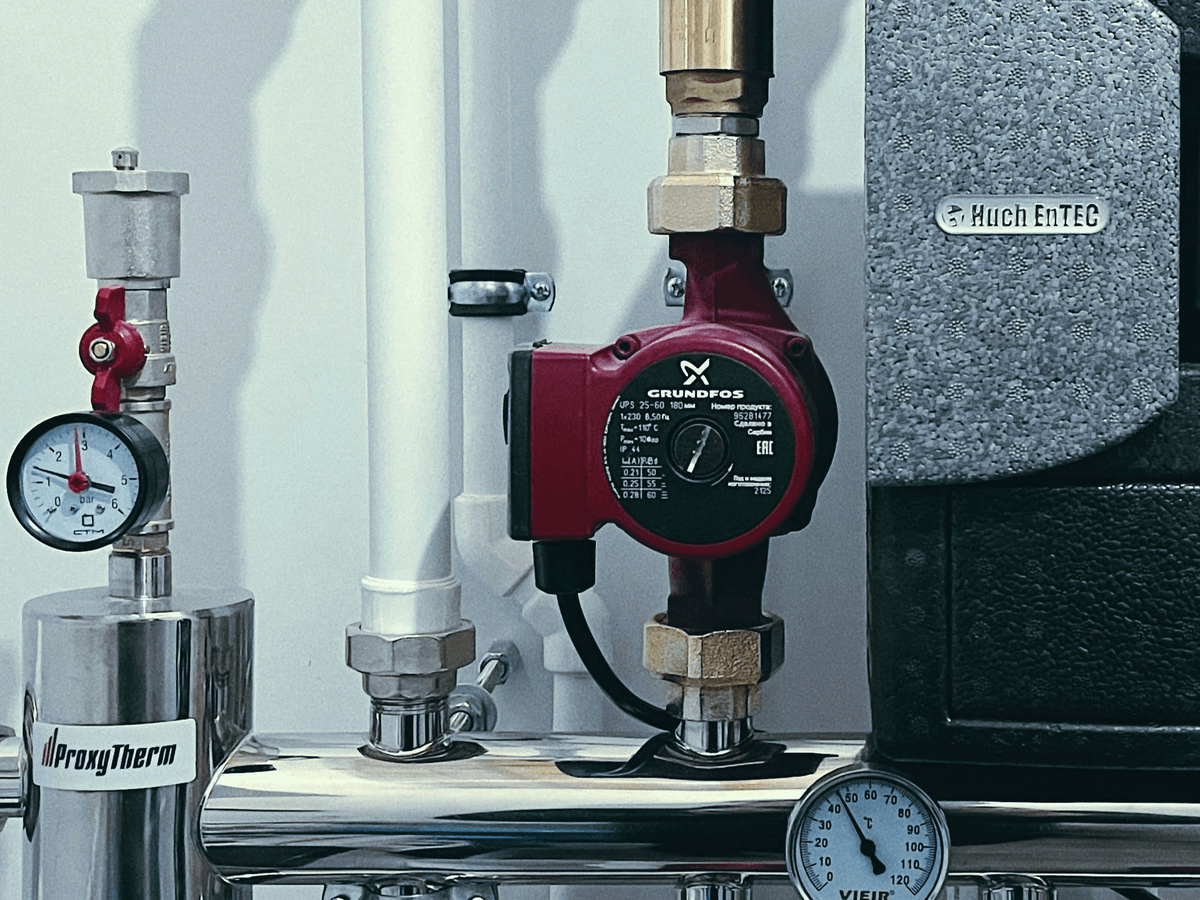
The components of a reliable pressure test setup are fundamental to achieving accurate results. A well-designed system includes calibrated digital pressure gauges for precise readings during Vessel Pressure Testing, sturdy test fixtures, and safety valves to prevent over-pressurization. Properly preparing your testing environment ensures consistent Hydrostatic Test Pressures are maintained throughout the process—key for trustworthy results that uphold quality control standards.
Essential Methods for Pressure Testing
When it comes to vessel pressure testing, understanding the different techniques is crucial for ensuring safety and quality control. The right method not only verifies the integrity of the pressure vessel but also helps prevent costly failures down the line. Let’s explore some of the core approaches used in pressure vessel hydro-static testing, along with tips to maximize accuracy.
Hydrostatic Test Pressure Techniques
Hydrostatic test pressure techniques are the backbone of vessel pressure testing, especially when conducting pressure vessel hydro-static testing. This method involves filling the vessel with water or a liquid that is virtually incompressible, then gradually increasing the pressure to a specified Hydrostatic Test Pressure. The goal is to simulate operational conditions without risking catastrophic failure, thus allowing inspectors to identify leaks or weaknesses effectively. Precise control of this test pressure ensures that every aspect of quality control is addressed, making hydro-static testing an essential step in verifying vessel integrity.
Pneumatic Testing Vs Hydrostatic Testing
While both pneumatic and hydrostatic testing serve the purpose of checking a vessel’s strength, they differ significantly in safety and application. Pneumatic testing uses compressed air or gas, which can be more dangerous due to the compressibility and potential energy stored within gases—making it riskier during vessel pressure testing. In contrast, hydrostatic testing relies on liquids at a known Hydrostatic Test Pressure level that are less hazardous if leaks occur; this makes it preferable for many industries focused on quality control and safety assurance. Choosing between these methods depends on factors like vessel size, material, and regulatory requirements but understanding their differences ensures you get reliable results every time.
Using Digital Pressure Gauges for Accuracy
In modern vessel pressure testing scenarios, digital pressure gauges have become indispensable tools for maintaining precision during tests. These devices provide real-time feedback on pressure levels with high accuracy—crucial when applying consistent Hydrostatic Test Pressure across complex geometries or large vessels. Accurate readings from digital gauges help maintain strict quality control standards by minimizing human error and ensuring that each test conforms exactly to industry regulations and standards.
Best Practices for Conducting Vessel Pressure Testing
Conducting vessel pressure testing isn't just about turning on the pumps and hoping for the best; it’s a delicate dance of preparation, precision, and vigilance. Ensuring quality control during pressure vessel hydro-static testing is crucial to prevent failures and guarantee safety. Properly executed tests help identify weak spots early, saving time, money, and potentially lives in the long run.
Before diving into the actual pressure test, thorough preparation is essential. This includes inspecting all components, verifying that the Hydrostatic Test Pressure aligns with industry standards, and ensuring that all safety devices are in place. Skipping these steps can lead to inaccurate results or dangerous failures—no one wants their vessel to burst during a test because of overlooked details.
Once everything is set, follow a detailed step-by-step procedure to conduct your vessel pressure testing effectively. Gradually increase the pressure while monitoring gauges carefully—digital pressure gauges are highly recommended for accuracy—and watch for any signs of leaks or deformation. Remember, maintaining consistent quality control throughout this process ensures reliable results and helps meet regulatory compliance.
Proper Preparation Before Testing
Preparation is key when it comes to vessel pressure testing. Start by cleaning the vessel thoroughly to remove any debris or residues that could interfere with readings or cause damage during hydro-static testing. Confirm that all valves are correctly installed and functioning properly; this prevents unexpected releases when applying Hydrostatic Test Pressure.
Next, verify that your testing equipment—pressure gauges, pumps, and safety valves—is calibrated correctly and suitable for the specific parameters of your test. Establish clear documentation outlining test parameters such as maximum allowable pressure and duration based on relevant standards like ASME or API codes. This proactive approach ensures quality control remains intact from start to finish.
Finally, ensure personnel involved are trained on safety protocols and familiar with the step-by-step procedures for vessel pressure testing. Proper training minimizes mistakes during critical moments when applying Hydrostatic Test Pressure—keeping everyone safe while securing accurate results.
Step-by-Step Hydrostatic Testing Procedures
Begin by filling the vessel with water (or other suitable liquid) ensuring it’s free from air pockets—air can compromise test accuracy significantly in vessel pressure testing scenarios. Once filled, close all outlets securely before gradually increasing the pressure using calibrated pumps until reaching approximately 1.5 times the design working pressure but not exceeding recommended limits specified by your standards.
Maintain this Hydrostatic Test Pressure steadily for a predetermined duration—usually around 30 minutes—to observe any leaks or deformations indicating weaknesses in construction or material flaws as part of your quality control measures. During this period, continuously monitor digital pressure gauges for fluctuations; sudden drops signal potential failure points needing immediate attention before proceeding further.
After confirming stability at designated Hydrostatic Test Pressure without leaks or deformation signs, slowly reduce the pressure back to zero while observing gauge readings carefully throughout this depressurization phase. Document all readings meticulously—this record becomes vital evidence demonstrating compliance with industry standards—and prepares you for final inspection stages ensuring reliability of your vessel under operational conditions.
Common Mistakes to Avoid
One frequent mistake in vessel pressure testing is rushing through preparation—skipping calibration checks on gauges or neglecting thorough cleaning can lead to inaccurate results that compromise safety and quality control efforts. Another pitfall is applying excessive Hydrostatic Test Pressure too quickly; sudden spikes can cause damage rather than reveal weaknesses in your vessels.
Many overlook proper documentation during each phase of testing—a critical component of quality control—and may fail to record anomalies like leaks or unexpected gauge fluctuations promptly for analysis later on. Lastly, neglecting personnel training often results in improper handling of equipment or misinterpretation of test data; investing time in education ensures everyone understands how vital precise procedures are during hydro-static testing processes.
Ensuring Reliability and Accuracy
When it comes to vessel pressure testing, reliability is king. Proper quality control measures ensure that every pressure vessel hydro-static testing process is thorough and accurate, catching potential issues before they become costly failures. Without diligent oversight, even the most well-designed vessels can slip through the cracks, jeopardizing safety and compliance.
Role of Quality Inspection in Pressure Testing
Quality inspection plays a pivotal role in ensuring the integrity of vessel pressure testing. It acts as the gatekeeper, verifying that all components meet industry standards and that Hydrostatic Test Pressure is applied correctly during each test. By meticulously checking materials, connections, and instrumentation, inspectors help prevent errors that could compromise the entire pressure vessel hydro-static testing process.
How China Inspection Pro Enhances Testing Processes
Partnering with China Inspection Pro elevates your vessel pressure testing game by integrating advanced quality control techniques tailored for pressure vessel hydro-static testing. Their experts utilize state-of-the-art equipment to monitor test pressures accurately and ensure adherence to key regulations and industry standards. This proactive approach minimizes discrepancies in Hydrostatic Test Pressure readings and guarantees consistent results across tests.
Interpreting Test Results Correctly
Interpreting test results accurately is crucial for validating the safety of your vessels post-pressure testing. A clear understanding of how to read data from digital pressure gauges ensures that any deviations from expected Hydrostatic Test Pressure are promptly addressed. Proper interpretation not only confirms compliance but also helps identify areas needing maintenance or redesign before deployment.
Advanced Tips for Consistent Results
Achieving consistent results in vessel pressure testing requires more than just following a checklist; it demands a strategic approach to manage test pressures effectively. Properly controlling Hydrostatic Test Pressure ensures that the vessel is tested within safe limits, preventing over-pressurization that could compromise quality control. When pressure vessel hydro-static testing is performed with precise management of test pressures, it minimizes errors and enhances reliability, making sure each test stands up to industry standards.
Maintaining the integrity of your pressure testing equipment is crucial for reliable vessel pressure testing outcomes. Preventative maintenance of testing gear not only prolongs its lifespan but also ensures accuracy during Hydrostatic Test Pressure applications. Regular calibration and inspections of gauges and pumps help identify potential issues before they affect the results, reinforcing quality control throughout the process.
Documentation and record-keeping are often overlooked but are vital components in maintaining compliance in pressure vessel hydro-static testing. Detailed records of each test, including applied Hydrostatic Test Pressure levels and observed results, create an audit trail that supports quality assurance efforts. Proper documentation also facilitates troubleshooting and continuous improvement in your pressure testing procedures, safeguarding your reputation and ensuring ongoing safety.
Conclusion
Vessel Pressure Testing isn’t just a box to check; it’s the backbone of ensuring your pressure vessels perform safely and reliably under demanding conditions. Rigorous testing, especially pressure vessel hydro-static testing, validates the integrity of each vessel before it hits the field. When you prioritize quality control during these tests, you’re investing in peace of mind and long-term operational success.
Ensuring your vessels withstand the Hydrostatic Test Pressure without failure is critical for safety and compliance. Proper quality control measures during Vessel Pressure Testing help catch potential issues early, preventing costly failures or accidents down the line. Remember, reliable pressure vessel hydro-static testing isn’t just about passing inspections—it’s about safeguarding lives and assets.
Partnering with seasoned professionals like China Inspection Pro elevates your pressure testing process by bringing expertise, advanced technology, and meticulous attention to detail. Their knowledge ensures accurate interpretation of test results and adherence to industry standards, making sure every vessel meets rigorous safety criteria. When it comes to Vessel Pressure Testing, collaborating with experts guarantees that your equipment remains safe, compliant, and ready for action.