
Introduction
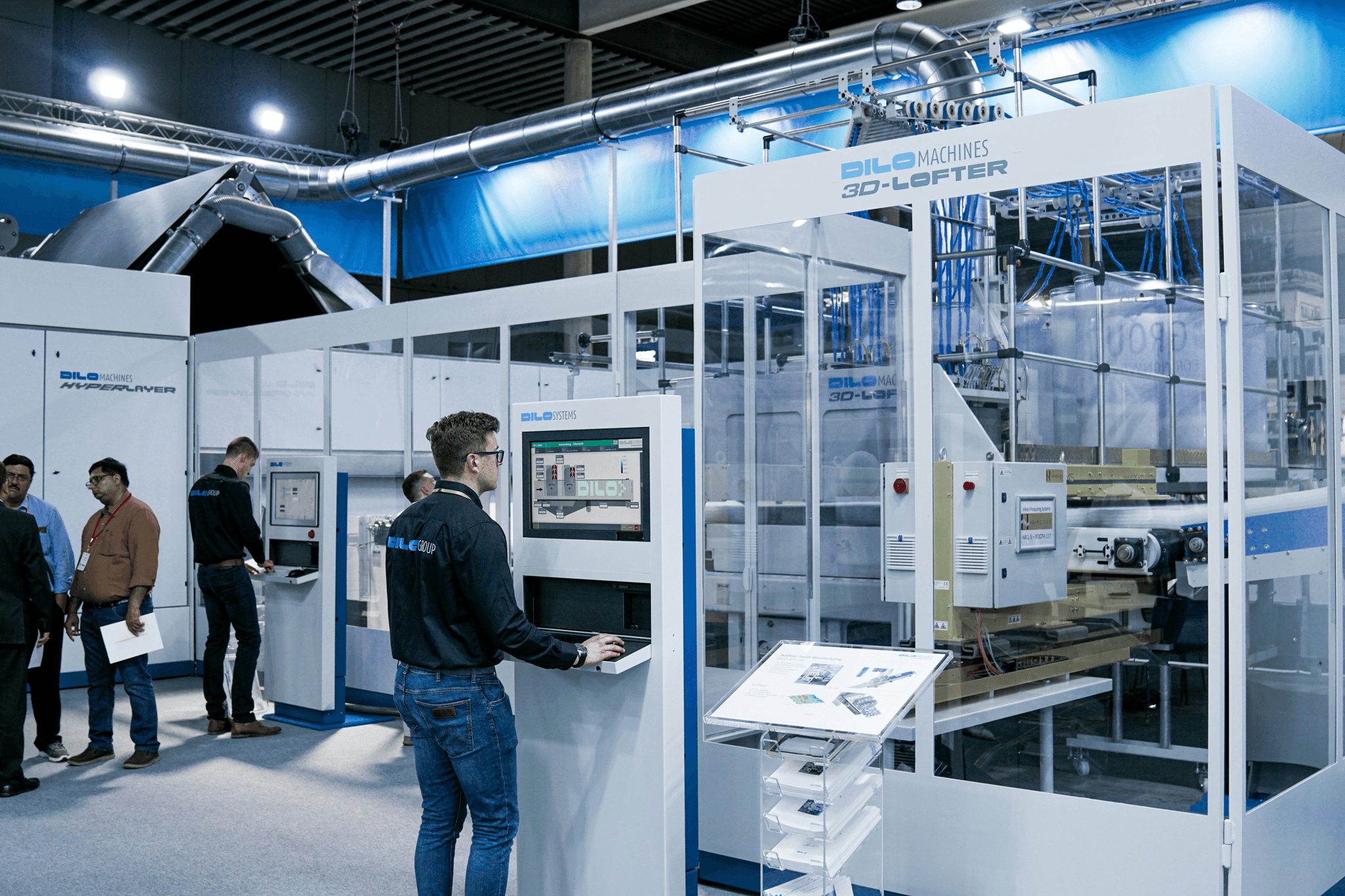
In today’s fast-paced global marketplace, overlooking Product Defects can be a costly mistake for importers. Implementing a comprehensive quality control inspection process transforms how businesses manage their supply chain, catching issues early before they escalate. From incoming quality control (IQC) to final inspection, each step acts as a safeguard against defective products slipping through the cracks and damaging brand reputation.
Ensuring product reliability starts with rigorous checks like incoming quality control (IQC), which prevents faulty goods from entering your supply chain. Partnering with China Inspection Pro makes it easier to identify potential defects early on, saving time and money while boosting customer satisfaction. When you prioritize thorough inspections—such as first article inspection (FAI), in-process quality control (IPQC), and during production inspection (DUPRO)—you build a resilient process that minimizes the risk of shipping defective items.
Ignoring these critical steps can lead to hidden costs that eat into profits—returns, rework, lost sales, and damaged trust. Monitoring container loading becomes essential in preventing damage during transit, while final inspection acts as the last line of defense before products reach consumers. By embracing a strategic approach to quality control inspections at every stage, importers can confidently deliver reliable products that stand out in competitive markets.
The Role of Incoming Quality Control in Detecting Product Defects
Implementing incoming quality control (IQC) is the first line of defense against Product Defects sneaking into your supply chain. By thoroughly inspecting raw materials and components upon arrival, IQC helps catch defects early—saving you from costly rework or recalls down the line. When you prioritize IQC, you’re effectively reducing the risk of faulty goods reaching customers and damaging your brand reputation.
Effective incoming quality control isn’t just about spotting obvious flaws; it also involves detailed checks to identify subtle Product Defects that could compromise product integrity later in production. This process often dovetails with First Article Inspection (FAI), which verifies that initial samples meet specifications before full-scale manufacturing begins. Incorporating IQC with FAI ensures that only defect-free parts move forward, minimizing disruptions caused by defective components.
Monitoring container loading during shipments is another crucial aspect of preventing Product Defects from escalating once products leave the factory floor. Proper inspection during loading guarantees that goods are secure and undamaged, reducing the chances of damage or defects during transit. Combining IQC with ongoing in-process quality control (IPQC) and during production inspection (DUPRO) creates a comprehensive shield against Product Defects at every stage—delivering peace of mind and top-notch product quality.
First Article Inspection as a Critical First Line of Defense
First Article Inspection (FAI) acts as the frontline shield against Product Defects slipping into your supply chain. It’s like a quality checkpoint that verifies whether the initial batch of products meets all specifications before mass production kicks off. By catching potential issues early, FAI helps prevent costly mistakes and reduces the risk of defective products reaching customers.
What FAI Reveals About Product Consistency
FAI provides crucial insights into product consistency, revealing whether suppliers can reliably produce items that meet quality standards. When conducting incoming quality control (IQC), any signs of Product Defects in the first samples can signal deeper issues within the manufacturing process. This early detection ensures that both you and your supplier are aligned on quality expectations, saving time and money down the line.
Case Study: How Apple Ensures Product Quality Before Mass Production
Apple’s meticulous approach to first article inspection showcases how thorough FAI can prevent Product Defects from reaching consumers. Before mass production begins, Apple’s team scrutinizes every detail through IQC and FAI, catching discrepancies early on. This rigorous process not only guarantees product consistency but also minimizes risks during in-process quality control (IPQC) and during production inspection (DUPRO), ensuring each device maintains Apple's high standards.
Enhancing Supplier Accountability Through FAI
Implementing FAI fosters greater accountability among suppliers by setting clear expectations for product quality from the outset. When suppliers know their initial samples undergo detailed inspection, they’re motivated to tighten their processes to avoid recurring Product Defects later on. Regular monitoring during container loading and final inspection rounds further cements this accountability, making sure defective items never make it past shipping.
In-Process Quality Control During Manufacturing
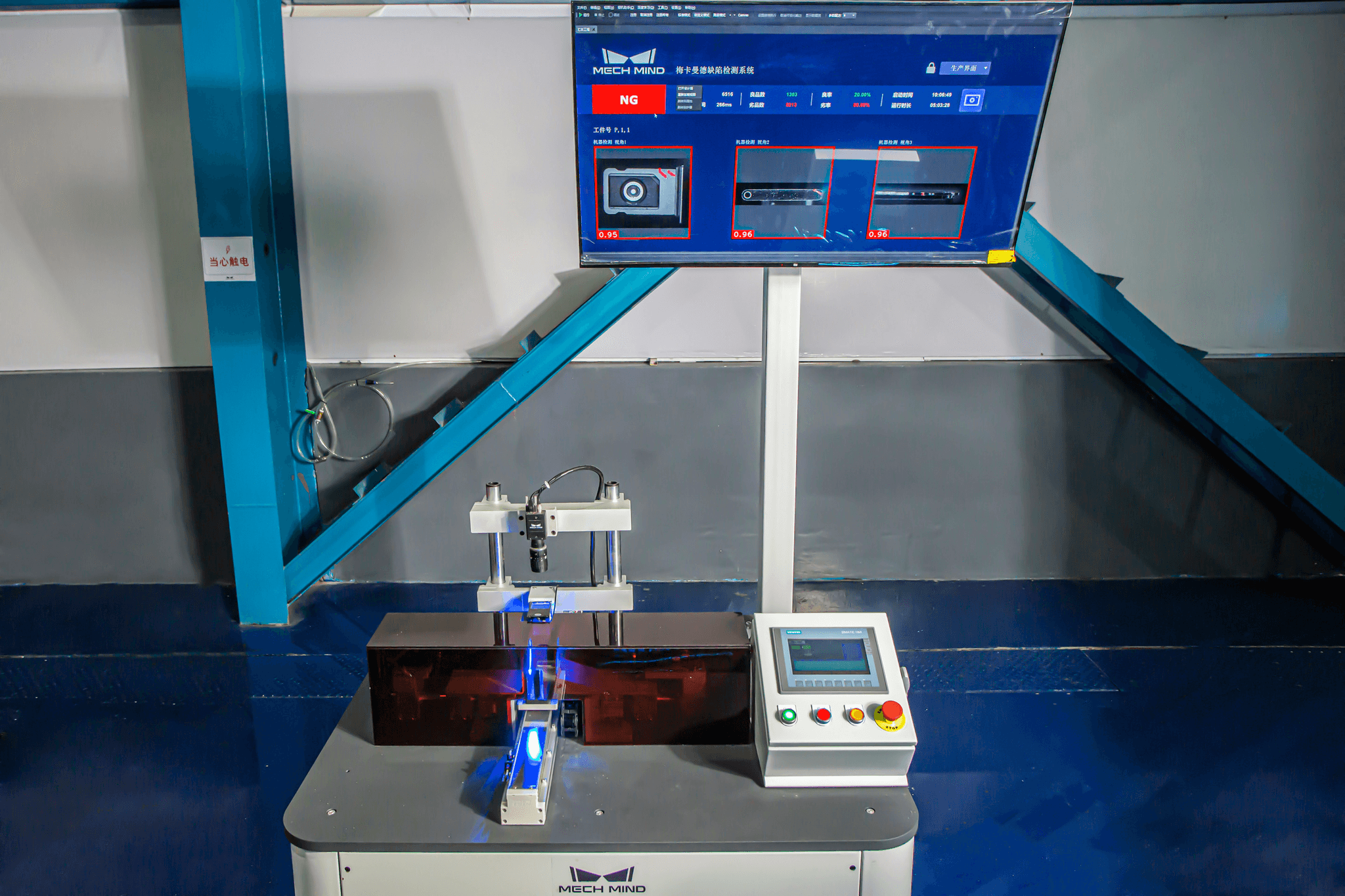
Keeping tabs on product quality during manufacturing is crucial to catching product defects before they reach the customer. Implementing robust in-process quality control (IPQC) measures ensures that any issues are identified early, saving time and money down the line. Relying solely on incoming quality control (IQC) at the start isn’t enough—continuous monitoring during production acts as a safety net against costly errors.
Monitoring Product Quality Throughout Production
Effective in-process quality control involves constant vigilance at every stage of manufacturing, ensuring that product defects are caught as they happen. By integrating IPQC into daily operations, manufacturers can detect deviations from quality standards before they escalate into full-blown defects. This proactive approach minimizes the risk of defective goods slipping through and helps maintain consistency, especially when dealing with complex components or materials sourced from China or other regions.
Lessons Learned from Samsung’s Continuous Quality Oversight
Samsung’s success story highlights how ongoing monitoring during production can dramatically reduce product defects and improve overall quality. Their rigorous IPQC processes enable real-time detection of faults, preventing defective items from proceeding further in the supply chain. This continuous oversight not only enhances product reliability but also builds trust with clients who value high-quality standards—showing that diligent during production inspection (DUPRO) is worth every penny.
Techniques to Catch Defects Early with IPQC
To effectively identify product defects early, companies employ a variety of techniques such as statistical process control (SPC), visual inspections, and automated testing systems—all integral parts of a strong IPQC plan. These methods allow for immediate corrective actions during manufacturing, reducing the likelihood of faulty products reaching final inspection or shipment stages. Remember, catching issues early through effective in-process quality control reduces rework costs and ensures your final products meet market expectations.
During Production Inspection for Real-Time Defect Detection
During production, catching product defects early is crucial to prevent costly rework or recalls down the line. During production inspection (DUPRO) serves as a vital checkpoint that allows quality control teams to identify and address issues immediately, reducing the risk of faulty goods reaching customers. Implementing effective DUPRO strategies ensures that incoming quality control (IQC) and first article inspection (FAI) standards are maintained throughout manufacturing, ultimately safeguarding product integrity and brand reputation.
The Significance of DUPRO in Maintaining Standards
DUPRO plays a pivotal role in maintaining consistent product quality during manufacturing by providing real-time insights into potential product defects. This process acts as a safeguard that complements incoming quality control (IQC) and first article inspection (FAI), catching issues before they escalate into major problems. When it comes to preventing product defects from slipping through the cracks, during production inspection is your best ally—saving time, money, and customer trust.
Examples from Toyota and General Motors
Major automakers like Toyota and General Motors rely heavily on during production inspection to monitor their assembly lines for product defects. By integrating rigorous DUPRO protocols, these giants ensure that each component meets strict quality standards before moving further along the supply chain. Their commitment to continuous in-process quality control (IPQC) not only minimizes defect rates but also reinforces supplier accountability—making sure every car leaving the factory is defect-free.
Strategies for Effective During Production Inspection
To maximize the benefits of during production inspection, companies should establish clear checkpoints aligned with key stages of manufacturing, emphasizing ongoing monitoring of product defects. Employing skilled inspectors who understand IPQC techniques allows for early detection of issues such as dimensional inaccuracies or material flaws—preventing defective products from progressing further. Additionally, leveraging technology like real-time data collection and monitoring container loading can help spot potential damage or defect patterns instantly, ensuring high-quality output at every step.
Monitoring Container Loading to Prevent Damage and Defects
Ensuring your products arrive in pristine condition requires more than just quality checks at the factory; it demands vigilant monitoring during container loading. This critical phase acts as a final checkpoint to catch potential product defects that could have slipped through earlier inspections like incoming quality control (IQC), first article inspection (FAI), or in-process quality control (IPQC). By paying close attention during this stage, importers can prevent costly damage and reduce the risk of defective products reaching the market.
Monitoring container loading is an often-overlooked step that significantly impacts overall product integrity. Even minor mishandling or improper stacking can lead to product defects, which are then compounded during transit. Implementing strict procedures for during production inspection (DUPRO) and container loading monitoring ensures that goods are handled correctly, safeguarding them from damage and defect development en route to their destination.
Insights from logistics giants like Maersk and DHL emphasize that meticulous container loading practices are essential for safe shipment. These companies utilize advanced tracking and inspection protocols to verify correct stacking, secure fastening, and overall handling quality—minimizing risks associated with product defects caused by mishandling. Their expertise underscores that combining thorough monitoring with real-time adjustments helps prevent damage before it becomes a costly problem.
Best practices for container loading monitoring include detailed visual inspections, proper documentation of loading procedures, and employing technology such as CCTV cameras or sensors to oversee the process. Regular checks during this phase act as a final layer of defense against product defects caused by improper handling or shifting within containers. Remember, catching issues early through diligent monitoring reduces returns, complaints, and enhances customer satisfaction—making it well worth the effort.
Final Inspection as the Last Line of Defense

Final inspection acts as the ultimate checkpoint before your products hit the market, ensuring they are free from product defects that could tarnish your brand reputation. This stage is crucial because even after rigorous incoming quality control (IQC), first article inspection (FAI), and in-process quality control (IPQC), some defects can slip through, making final inspection your safety net. By meticulously scrutinizing each item during final inspection, companies can catch subtle product defects that might have been overlooked earlier, saving costs associated with returns and customer complaints.
Ensuring Product Readiness for Market Release
The primary goal of final inspection is to confirm that every product meets the specified quality standards and is ready for market release. This involves a thorough review of product defect patterns identified during previous stages like IQC and IPQC, ensuring no defective units reach consumers. Proper final inspection minimizes the risk of shipping faulty products, which can lead to costly recalls or damage to brand trust—highlighting its importance in maintaining overall product integrity.
How Nike and Adidas Implement Final Quality Checks
Leading brands like Nike and Adidas understand that robust final inspections are key to reducing product defects before distribution. They often incorporate detailed checks that examine packaging integrity, cosmetic appearance, and functional performance—areas where product defects are most likely to occur post-production. These brands also leverage advanced techniques such as monitoring container loading closely to prevent damage during transit, emphasizing their commitment to catching any defect before products leave the facility.
Reducing Returns and Complaints with Robust Final Inspection
A comprehensive final inspection process dramatically cuts down on customer returns caused by hidden or overlooked product defects. By implementing strict standards during this last stage—covering everything from surface finish to operational functionality—companies can identify issues early enough to rectify them without affecting end-user satisfaction. Ultimately, investing in robust final inspections not only enhances product reliability but also builds consumer trust while lowering costs associated with warranty claims or negative reviews.
Conclusion
Building a solid foundation of trust with your clients starts with thorough quality control. When you implement comprehensive checks at every stage—be it incoming quality control (IQC), first article inspection (FAI), or final inspection—you significantly reduce the risk of product defects slipping through. This layered approach not only safeguards your reputation but also demonstrates your commitment to delivering reliable, defect-free products to the market.
Choosing China Inspection Pro for your product inspection needs means partnering with a team that understands the nuances of detecting product defects early in the supply chain. From monitoring container loading to during production inspection (DUPRO), our experts ensure each step is scrutinized for potential flaws. With our support, you can catch issues before they escalate, saving costs and avoiding costly returns or customer complaints caused by overlooked defects.
Elevating your import business relies on consistent, expert defect detection throughout the manufacturing process. Implementing in-process quality control (IPQC) allows you to identify and address problems as they happen, rather than after production ends. Combining this with rigorous final inspections ensures your products are market-ready, minimizing the chances of defective goods reaching consumers and boosting overall brand confidence.