
Introduction
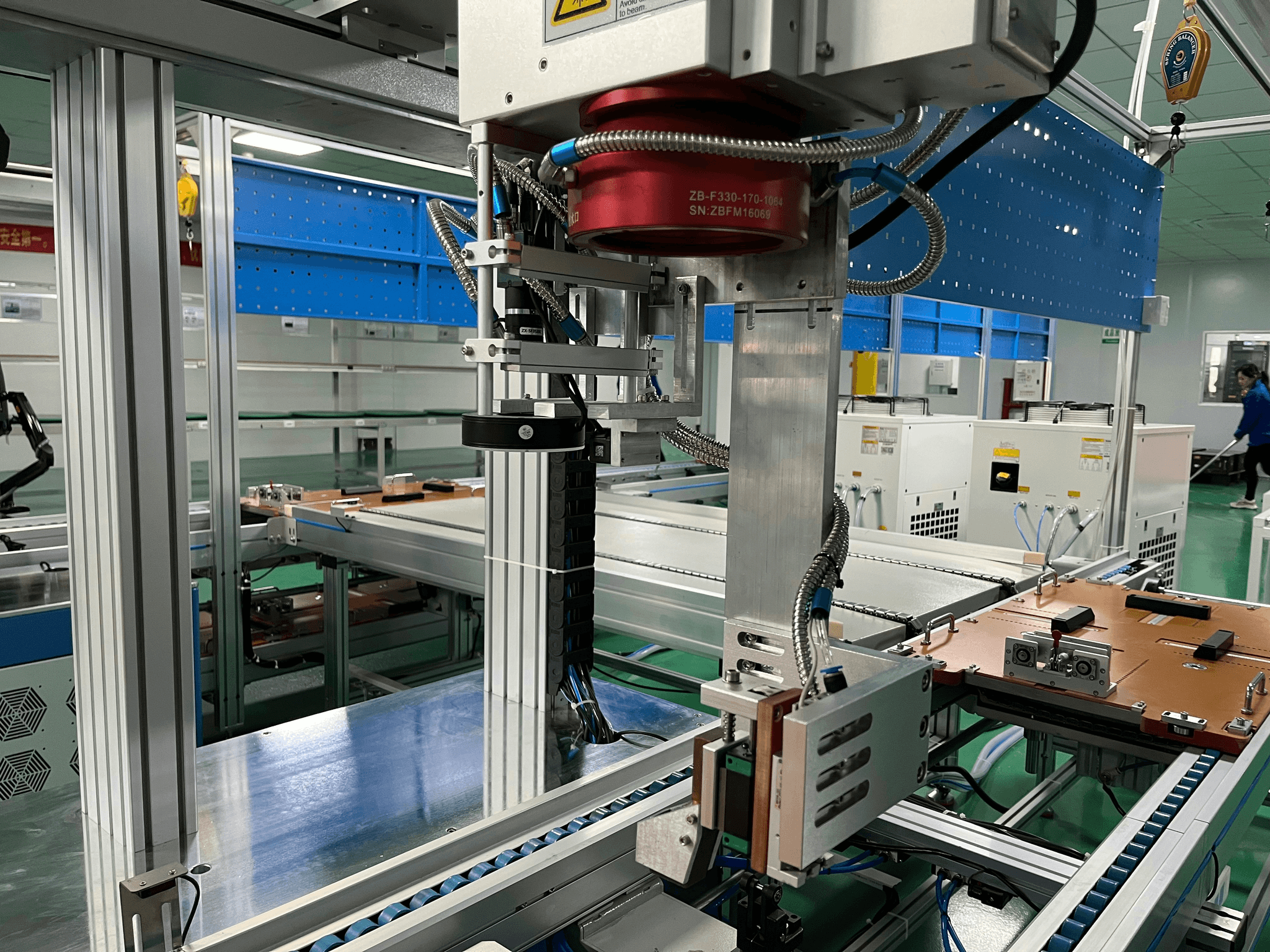
In today’s competitive manufacturing landscape, the ability to cut costs without sacrificing quality is more than just a nice-to-have—it's a necessity. Companies that master the art of balancing cost reduction with maintaining high standards of quality in manufacturing can stay ahead of the curve and build lasting customer trust. Investing in technology to improve long-term savings, streamlining production processes for maximum efficiency, and fostering supplier collaboration to lower material costs without sacrificing quality are all key strategies that help manufacturers achieve this delicate balance.
Quality in manufacturing isn’t just about meeting standards; it’s about consistently delivering products that satisfy customer expectations while controlling expenses. By investing in technology, manufacturers can identify inefficiencies early and implement solutions that save money over time—without compromising on quality. Training employees for increased productivity and quality control further ensures that every step of the process aligns with high standards, creating a culture where cost-saving measures enhance rather than hinder product excellence.
Leveraging technology and collaboration plays a pivotal role in driving savings across the board. Digital tools enable manufacturers to streamline production processes for maximum efficiency, reducing waste and rework costs while maintaining top-tier quality in manufacturing. Supplier collaboration is equally vital, as building strong relationships allows for lower material costs without sacrificing quality—a win-win situation that benefits everyone involved.
Embracing Technology for Long-Term Savings
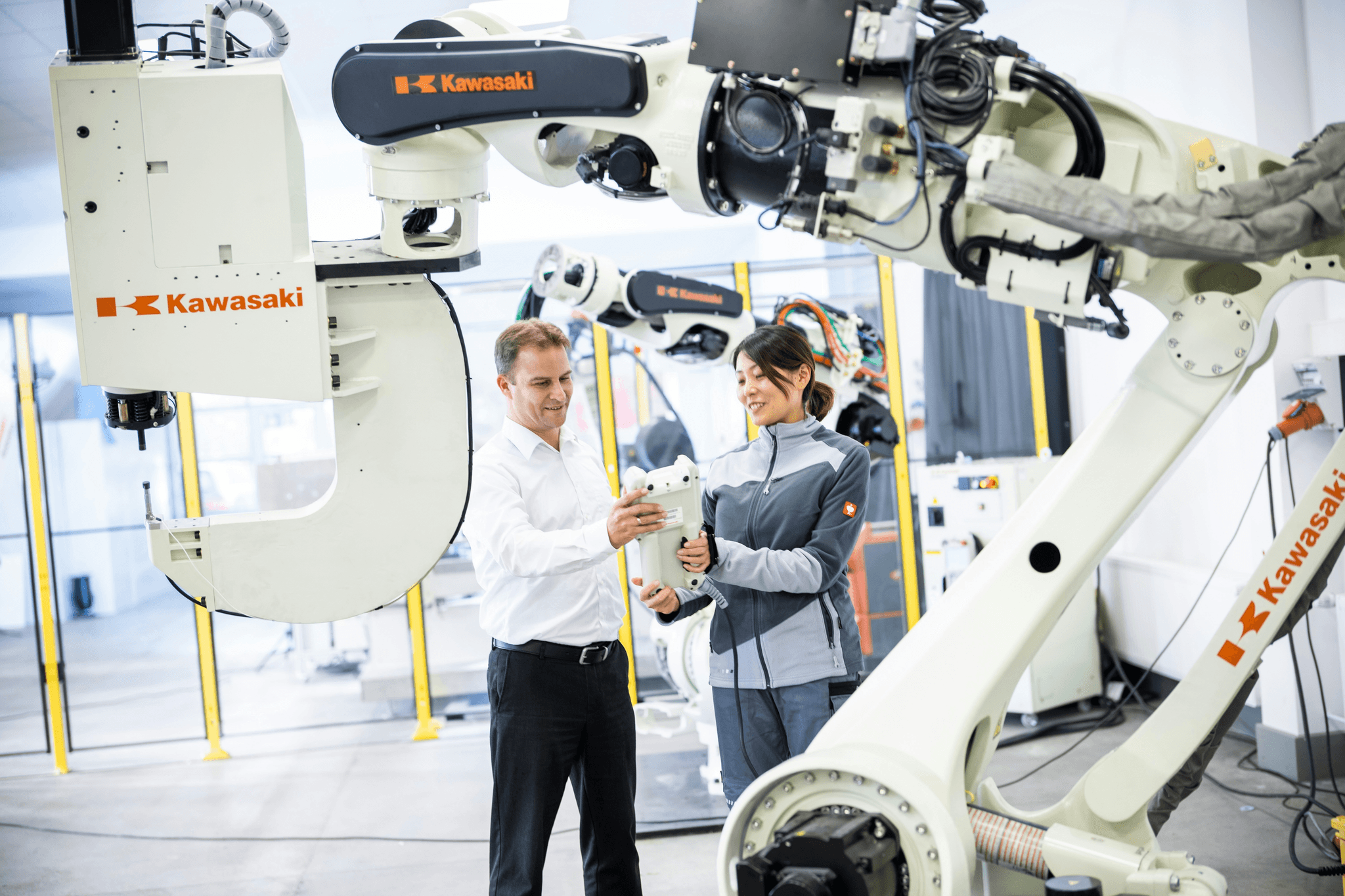
Harnessing the power of technology is essential for maintaining high standards of quality in manufacturing while driving down costs over time. Investing in the right tools and systems allows companies to streamline production processes for maximum efficiency, ensuring that quality remains uncompromised even as expenses shrink. By integrating innovative solutions, manufacturers can sustain a competitive edge without sacrificing the integrity of their products.
Investing in Automation and Smart Manufacturing
Automation is no longer a futuristic concept; it’s the backbone of modern manufacturing that guarantees consistent quality in manufacturing processes. When companies invest in automation and smart manufacturing technologies, they reduce human error and increase productivity, leading to higher-quality outputs at lower costs. This approach also facilitates real-time monitoring, enabling rapid adjustments that uphold quality standards without costly rework or waste.
Implementing Data Analytics for Better Decision-Making
Data analytics transforms raw information into actionable insights, empowering manufacturers to make smarter decisions that enhance quality in manufacturing. By analyzing production data, companies can identify inefficiencies and bottlenecks early on, allowing them to optimize processes before issues escalate. This proactive approach not only improves product quality but also supports long-term savings by preventing costly mistakes and streamlining supply chain operations.
Leveraging Digital Twins to Reduce Waste and Rework
Digital twins are virtual replicas of physical assets or processes that provide a sandbox for testing improvements without disrupting actual production lines. Utilizing digital twins helps manufacturers simulate changes aimed at reducing waste and rework—key factors affecting both cost and quality in manufacturing. With this technology, businesses can fine-tune their operations beforehand, ensuring that streamlining production processes for maximum efficiency doesn’t come at the expense of product excellence.
Building a sustainable future hinges on embracing these technological advancements while maintaining a sharp focus on quality in manufacturing. The combination of investing in technology to improve long-term savings with strategic supplier collaboration to lower material costs ensures products meet high standards without breaking the bank. Equally important is training employees for increased productivity and reinforcing quality control practices—these elements work together to create a resilient manufacturing ecosystem capable of continuous improvement.
Streamlining Production for Maximum Efficiency
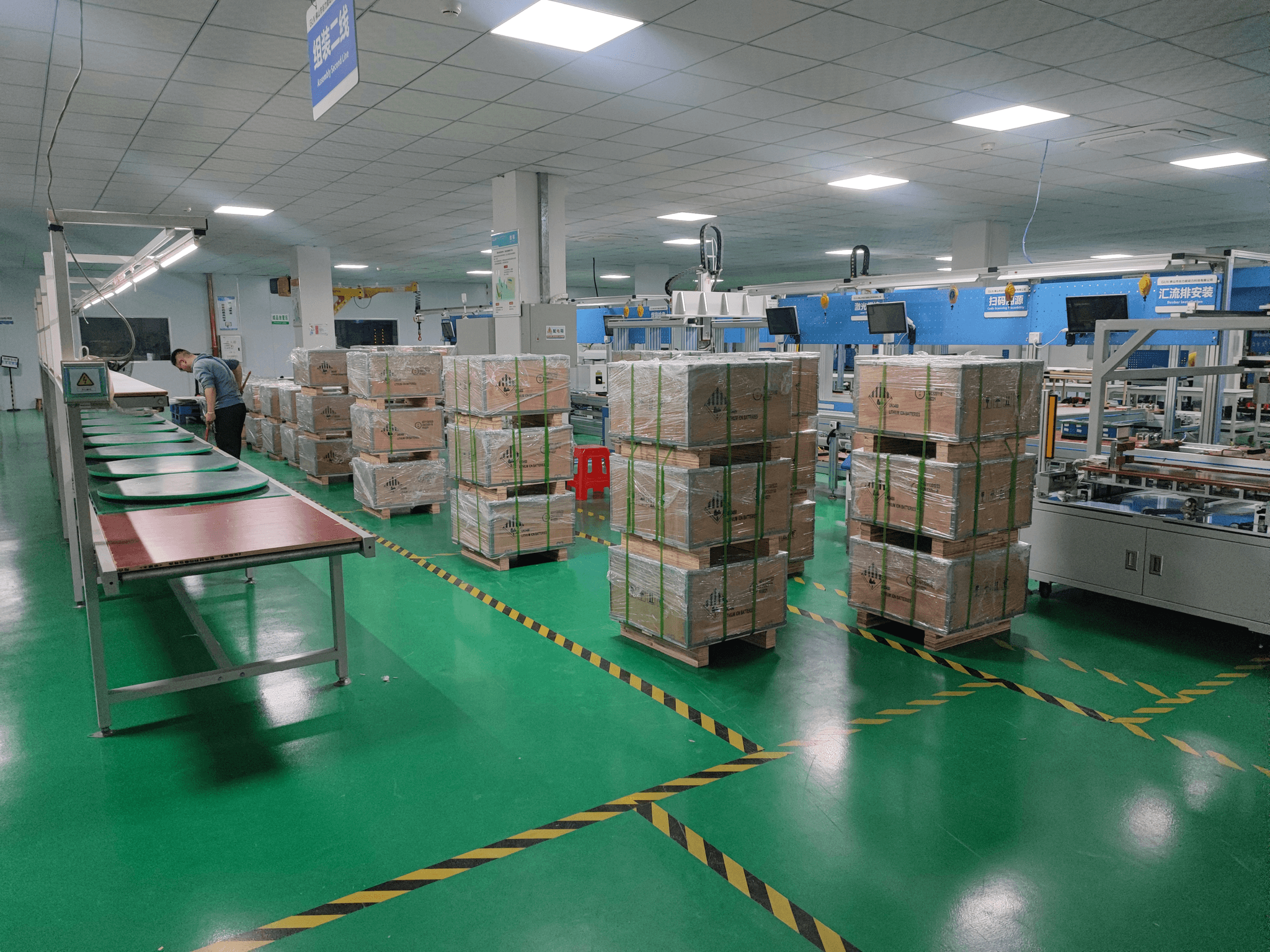
In today’s competitive manufacturing landscape, streamlining production processes for maximum efficiency isn’t just a good idea—it’s essential. When you focus on reducing waste and optimizing workflow, you not only improve quality in manufacturing but also unlock significant savings over the long term. Investing in technology to improve long-term savings plays a pivotal role here; automation and smart systems can identify bottlenecks before they become costly problems, ensuring that every step adds value rather than unnecessary complexity.
One of the most effective ways to achieve this is through supplier collaboration to lower material costs without sacrificing quality. Building strong relationships with reliable suppliers allows manufacturers to negotiate better terms while maintaining high standards of quality in manufacturing. This collaborative approach ensures that materials are delivered on time and meet the required specifications, reducing rework and waste—key factors in streamlining production processes for maximum efficiency.
Training employees for increased productivity and quality control is another cornerstone of streamlined production. Well-trained staff can quickly adapt to new technologies and processes, minimizing downtime and preventing errors that could compromise quality in manufacturing. By fostering a culture of continuous improvement through ongoing training, companies can sustain efficiency gains while safeguarding product excellence—making sure that cost-cutting efforts don’t come at the expense of quality.
Supplier Collaboration to Lower Material Costs
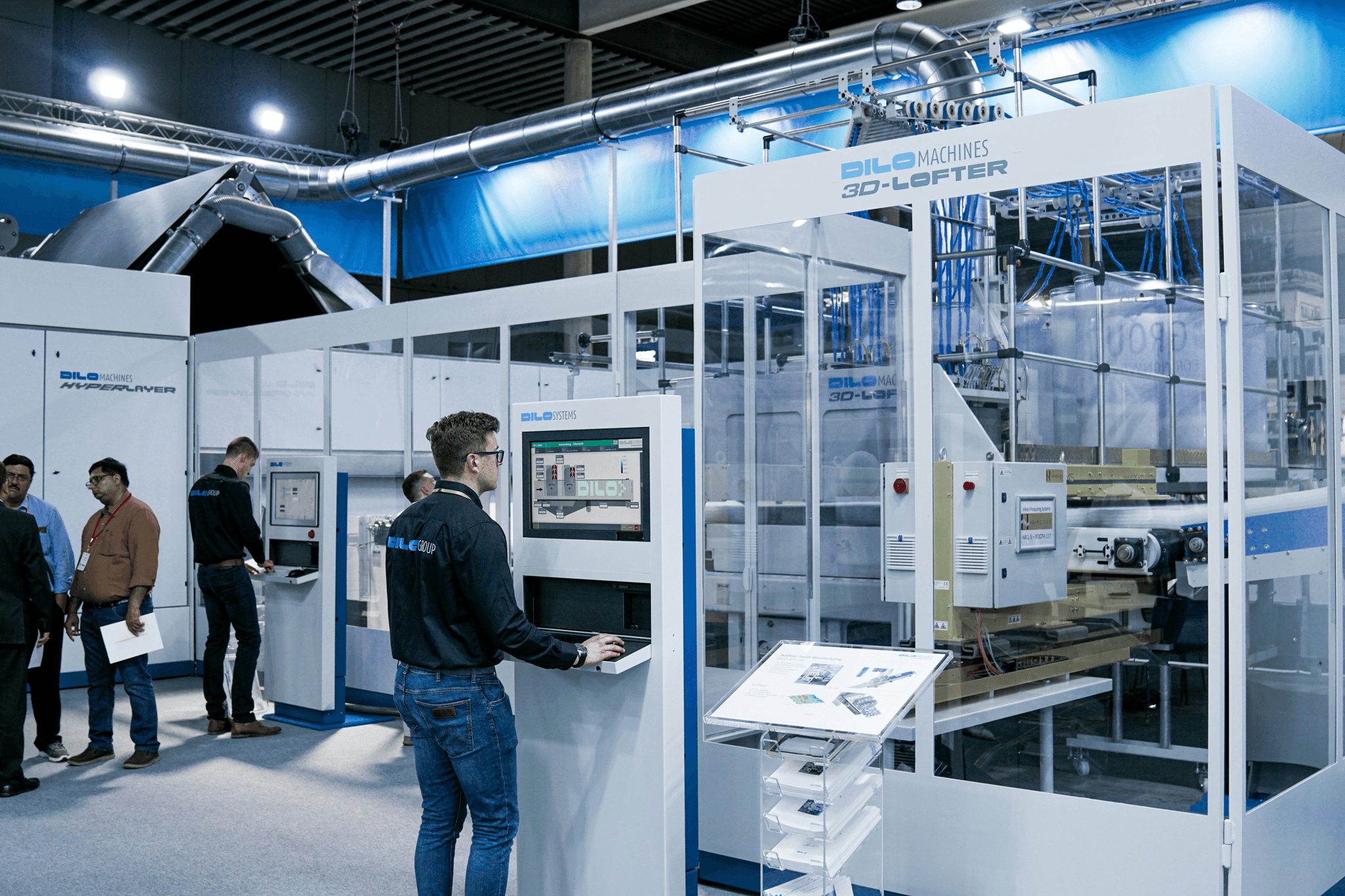
Building strong relationships with reliable suppliers is the cornerstone of maintaining high standards of Quality in Manufacturing while also reducing costs. When you foster trust and open communication, suppliers become partners rather than just vendors, which can lead to better pricing and priority service. Investing in technology to improve long-term savings often hinges on these solid supplier connections, ensuring consistent quality and timely delivery.
Negotiating better terms without sacrificing Quality in Manufacturing requires a strategic approach that emphasizes mutual benefit. By leveraging data analytics, companies can identify areas for cost reduction while maintaining strict quality benchmarks. Streamlining production processes for maximum efficiency also plays a role here, as optimized workflows reduce waste and lower material costs without compromising product integrity.
Partnering with China Inspection Pro for Quality Inspection Support exemplifies how supplier collaboration can enhance quality control efforts. Their expertise helps ensure raw materials meet rigorous standards before entering your production line, safeguarding your brand's reputation. Investing in technology to improve long-term savings combined with effective supplier relationships creates a resilient supply chain that balances cost-efficiency with top-tier quality.
Investing in Workforce Training for Better Results
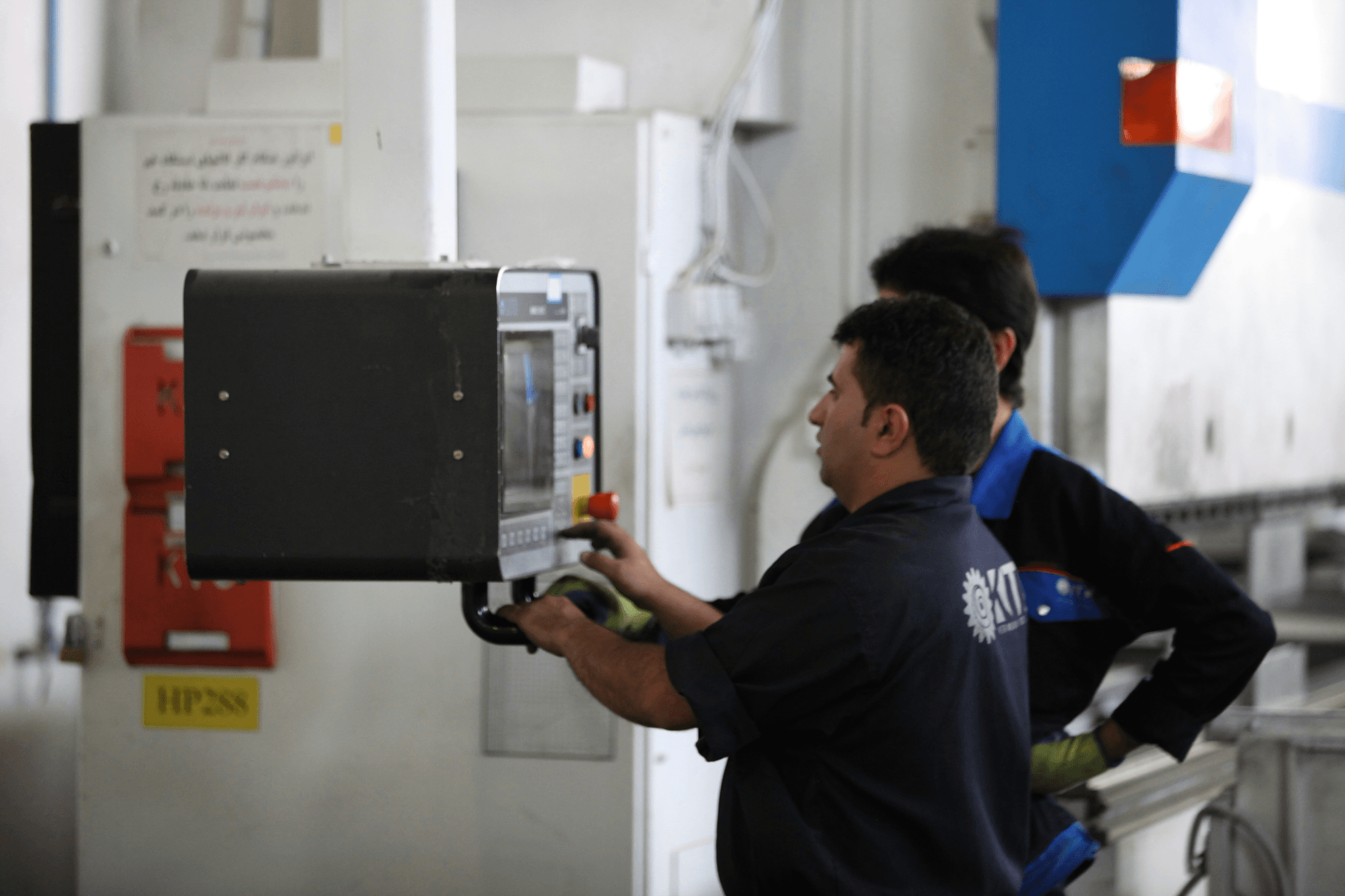
Investing in workforce training is the secret sauce to elevating quality in manufacturing while keeping costs in check. When employees are well-trained, they can operate machinery more efficiently, reducing waste and rework—key factors in streamlining production processes for maximum efficiency. Plus, a knowledgeable team is better equipped to spot quality issues early, ensuring that high standards are maintained without sacrificing speed or cost savings.
By focusing on training employees for increased productivity and quality control, companies can foster a culture where continuous improvement becomes second nature. Well-trained staff understand the importance of supplier collaboration to lower material costs without sacrificing quality, making smarter purchasing decisions that benefit the bottom line. This blend of skill development and strategic supplier partnerships helps manufacturers stay competitive while upholding their commitment to quality in manufacturing.
Investing in technology to improve long-term savings goes hand-in-hand with workforce training; digital tools empower workers with real-time data and insights that streamline production processes for maximum efficiency. When teams are adept at leveraging new technologies, they contribute directly to lowering operational costs without compromising quality in manufacturing. Ultimately, a skilled workforce acts as the backbone of sustainable growth—driving innovation, reducing waste, and ensuring consistent product excellence.
Balancing Cost Cutting with Quality in Manufacturing
Achieving the perfect blend of cost efficiency and quality in manufacturing is no small feat, but it’s essential for long-term success. Investing in technology to improve long-term savings plays a pivotal role here, allowing companies to streamline production processes for maximum efficiency without sacrificing quality. When you focus on quality in manufacturing, you ensure that cost-cutting measures don’t lead to subpar products, which can damage reputation and customer trust.
One effective way to maintain this balance is through supplier collaboration to lower material costs without sacrificing quality. Building strong relationships with reliable suppliers allows businesses to negotiate better terms while still adhering to strict quality standards. This approach not only reduces expenses but also ensures that the integrity of the product remains intact, reinforcing the importance of quality in manufacturing at every stage.
Monitoring and adjusting processes regularly is vital for sustaining high-quality output while managing costs effectively. Using data-driven insights helps identify inefficiencies and areas where waste can be minimized—ultimately leading to improved quality control. Investing in technology to improve long-term savings makes this process more accurate and efficient, enabling manufacturers to stay agile and responsive without compromising on quality in manufacturing.
Training employees for increased productivity and quality control is another cornerstone of balancing cost cutting with excellence. Skilled workers are better equipped to follow optimized processes, catch defects early, and contribute ideas for continuous improvement. When staff are well-trained, the entire operation benefits from higher standards of quality in manufacturing, ensuring cost savings do not come at the expense of product excellence.
In conclusion, maintaining a focus on setting clear benchmarks for quality in manufacturing—supported by technology investments and strong supplier partnerships—creates a sustainable model for growth. Regular process reviews combined with ongoing employee training help keep standards high while controlling costs effectively. By emphasizing these strategies, manufacturers can achieve their goals of reducing expenses without sacrificing the core value: exceptional quality in manufacturing.
Conclusion
In the quest for manufacturing excellence, achieving cost efficiency without sacrificing quality in manufacturing is no longer a pipe dream—it's a strategic necessity. Embracing innovative methods and leveraging technology can lead to significant savings while maintaining high standards. When companies focus on streamlining production processes for maximum efficiency, they not only cut costs but also reinforce their commitment to quality in manufacturing, proving that smart investments pay off in both the short and long term.
Investing in technology to improve long-term savings plays a pivotal role in this balancing act. Advanced automation, data analytics, and digital twins help identify wasteful practices and optimize operations without compromising quality. Supplier collaboration to lower material costs without sacrificing quality becomes easier when technology enables transparent communication and shared goals, fostering trust and mutual growth. These technological advancements empower manufacturers to maintain top-tier quality in manufacturing while reducing expenses effectively.
Training employees for increased productivity and quality control is another cornerstone of sustainable success. Well-trained staff are better equipped to handle complex machinery, adhere to quality standards, and contribute innovative ideas—ultimately elevating overall product excellence. Streamlining production processes for maximum efficiency often hinges on skilled personnel who understand how to eliminate bottlenecks without cutting corners or risking product integrity.
Building a sustainable future through continuous improvement requires an ongoing commitment to refining processes, nurturing supplier relationships, and investing wisely in workforce development. Monitoring key performance indicators related to quality in manufacturing ensures that cost-cutting measures do not erode standards or customer satisfaction. When organizations prioritize these elements collectively, they create a resilient manufacturing environment where cost efficiency complements uncompromised quality.
In summary, the power of technology and collaboration cannot be overstated—they are the driving forces behind smarter manufacturing strategies that emphasize both cost savings and superior quality in manufacturing practices. By fostering a culture of continuous improvement through employee training and supplier partnerships, companies can secure their competitive edge today—and tomorrow—while upholding the highest standards of Quality in Manufacturing.