
Introduction
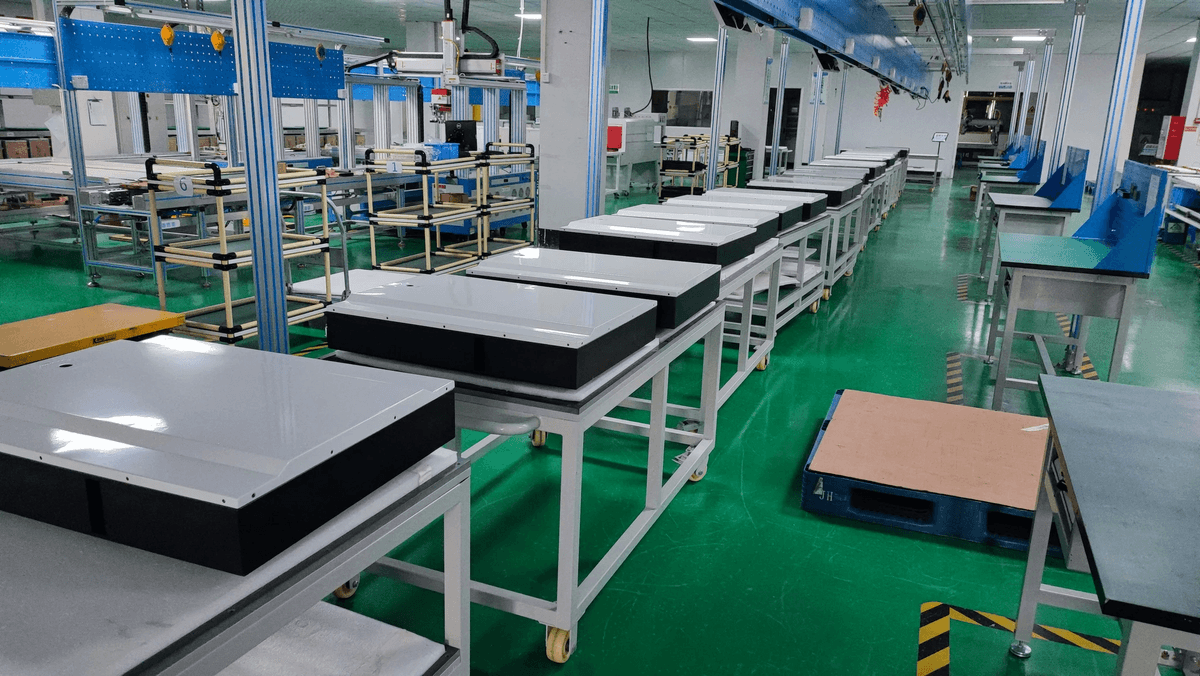
Navigating the world of quality management can sometimes feel like walking a tightrope—balancing between ensuring products meet standards and maintaining efficient processes. Many businesses struggle to distinguish between Quality Control vs. Quality Assurance, often blending the two or using them interchangeably, which can lead to gaps in quality. Understanding when to use quality control and how it fits into an End-to-End Quality Management System is crucial for delivering consistent excellence.
Navigating the World of Quality Management
Getting a grip on quality management means knowing how different tools and strategies work together to produce top-notch products. Whether you're focused on what is quality control or quality assurance, having clarity helps streamline your operations and prevent costly mistakes. Recognizing how these elements fit within an End-to-End Quality Management System ensures you’re covering all bases from raw materials to finished goods.
Why Clarity Between Control and Assurance Matters
Clear differentiation between quality control vs. quality assurance isn’t just academic; it directly impacts your bottom line. When you understand what is quality control—focused on detecting defects—and what is quality assurance—aimed at preventing them—you can deploy each method more effectively. This clarity helps you decide when to use quality control, especially during critical production phases, ensuring consistent product excellence without unnecessary redundancies.
How This Knowledge Boosts Your Business
Grasping the nuances between these concepts allows your business to be more agile and responsive in its approach to quality management. Knowing when to use quality control ensures you catch issues early, saving costs and reducing waste, while solid assurance practices build customer trust over time. Ultimately, integrating this knowledge into your End-to-End Quality Management System positions you for continuous improvement, happier customers, and a stronger competitive edge.
Understanding Quality Control and Quality Assurance
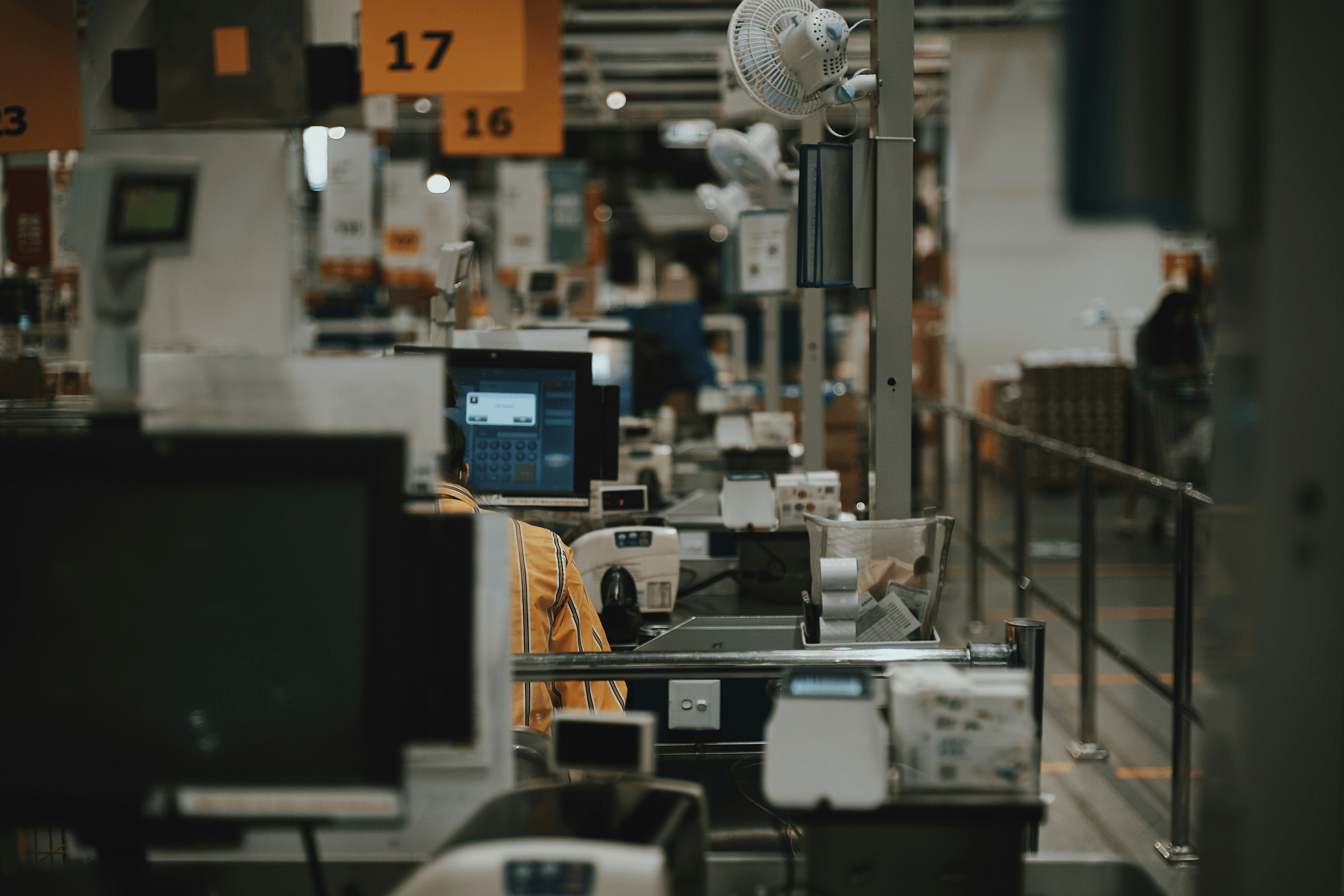
Navigating the world of quality management can feel like walking a tightrope, especially when trying to distinguish between Quality Control vs. Quality Assurance. These two concepts are often intertwined but serve distinct purposes within an End-to-End Quality Management System. Grasping their differences helps businesses decide when to use quality control techniques effectively and how they complement overall quality strategies.
What is Quality Control and Its Role
Quality Control (QC) is primarily about inspecting products or services to catch defects before they reach the customer. It involves a series of tests, measurements, and inspections designed to ensure that outputs meet specified standards. Knowing what is quality control? It’s the reactive process—spotting issues after they occur but before delivery—making it essential for maintaining consistency in production.
Defining Quality Assurance and Its Focus
On the flip side, Quality Assurance (QA) focuses on preventing defects through systematic processes and proactive planning. QA encompasses establishing procedures, training staff, and implementing standards that guide every step of production or service delivery within an End-to-End Quality Management System. When to use quality control becomes clearer—it's most effective when integrated into a broader QA framework that emphasizes continuous improvement rather than just fixing problems after they happen.
Key Differences Between Quality Control and Quality Assurance
The main difference between these two lies in their approach: QC is about detecting defects through testing, while QA aims at preventing them altogether by refining processes from the outset. Think of QC as the safety net catching errors during manufacturing; QA acts as the blueprint ensuring those errors never occur in the first place. Both are vital for an effective quality strategy but knowing when to use quality control methods versus focusing on assurance practices can make or break your product's reputation.
Real-World Examples in Practice
Understanding how top companies implement quality management strategies helps clarify the difference between Quality Control vs. Quality Assurance in real-world settings. From tech giants to manufacturing leaders, each organization tailors its approach based on their specific needs and industry standards. These examples shed light on when to use quality control and how an End-to-End Quality Management System can be a game-changer.
Apple’s Quality Control in Product Testing
Apple’s reputation for sleek, reliable devices hinges on rigorous quality control measures during product testing. They employ meticulous inspection processes to verify each component meets strict standards before assembly, exemplifying when to use quality control effectively. By focusing on what is quality control, Apple ensures defects are caught early, reducing costly recalls and maintaining brand trust within their end-to-end system.
Toyota’s Quality Assurance in Manufacturing
Toyota has long been a pioneer of quality assurance in manufacturing, emphasizing process-oriented approaches that prevent issues before they occur. Their comprehensive end-to-end quality management system integrates both quality assurance and control seamlessly across every step of production. This proactive stance demonstrates what is quality control versus quality assurance, highlighting how ongoing monitoring and feedback loops boost overall product excellence.
China Inspection Pro’s Role in Quality Inspection
China Inspection Pro specializes in third-party inspections that serve as critical checkpoints within the broader supply chain—an essential aspect of knowing when to use quality control effectively. Their role exemplifies how targeted inspections fit into an overall End-to-End Quality Management System to ensure suppliers meet international standards. Such practices underscore the importance of understanding the distinctions between Quality Control vs. Quality Assurance for optimal results.
When to Use Quality Control

Knowing when to implement quality control measures is crucial for maintaining product consistency and customer satisfaction. Recognizing the right moments to deploy quality control vs. quality assurance strategies can make or break your manufacturing process. An effective End-to-End Quality Management System ensures these activities are seamlessly integrated, providing a clear roadmap for quality at every stage.
Monitoring Production for Consistency
Monitoring production is the backbone of when to use quality control, especially in fast-paced environments where consistency is key. Quality Control vs. Quality Assurance often gets tangled up, but understanding their roles helps in pinpointing exactly when to step in with control measures. Regular inspections and real-time data collection allow teams to catch deviations early before they snowball into costly defects.
Detecting Defects Early
Detecting defects early is one of the primary reasons companies lean on quality control techniques, particularly during high-volume manufacturing runs. When to use quality control becomes evident here—it's about catching issues before products reach customers, saving time and money. Incorporating tools like statistical process control (SPC) within an End-to-End Quality Management System helps identify faults swiftly and accurately.
Implementing End-to-End Quality Management System
Implementing an End-to-End Quality Management System (QMS) provides a comprehensive framework that clarifies when and how to apply quality control vs. quality assurance activities across all processes. This system ensures that each phase—from raw materials inspection to final product testing—is aligned with industry standards and best practices. By doing so, organizations can maintain high-quality outputs consistently while optimizing resource use and reducing waste.
Implementing an Effective End-to-End Quality Management System
Creating a seamless End-to-End Quality Management System (QMS) is the backbone of delivering consistent, high-quality products. This approach ensures that every stage of production, from raw materials to final delivery, aligns with your quality goals. Knowing when to use quality control methods versus quality assurance strategies helps organizations build a robust system that minimizes defects and maximizes customer satisfaction.
A key part of implementing an effective End-to-End Quality Management System is understanding how to integrate quality control vs. quality assurance seamlessly. While quality control focuses on inspecting and testing products during production, quality assurance involves establishing processes that prevent issues before they occur. Combining these two elements creates a proactive environment where defect detection and process improvement go hand in hand, making the system more resilient and efficient.
Industry standards such as ISO 9001 or Six Sigma serve as vital guidelines for maintaining consistency and compliance within your End-to-End Quality Management System. These standards provide frameworks for implementing best practices in both quality control vs. quality assurance activities, ensuring that your processes meet global benchmarks. Following established standards not only boosts credibility but also streamlines the integration of various tools and techniques.
Benefits of Clear Quality Processes
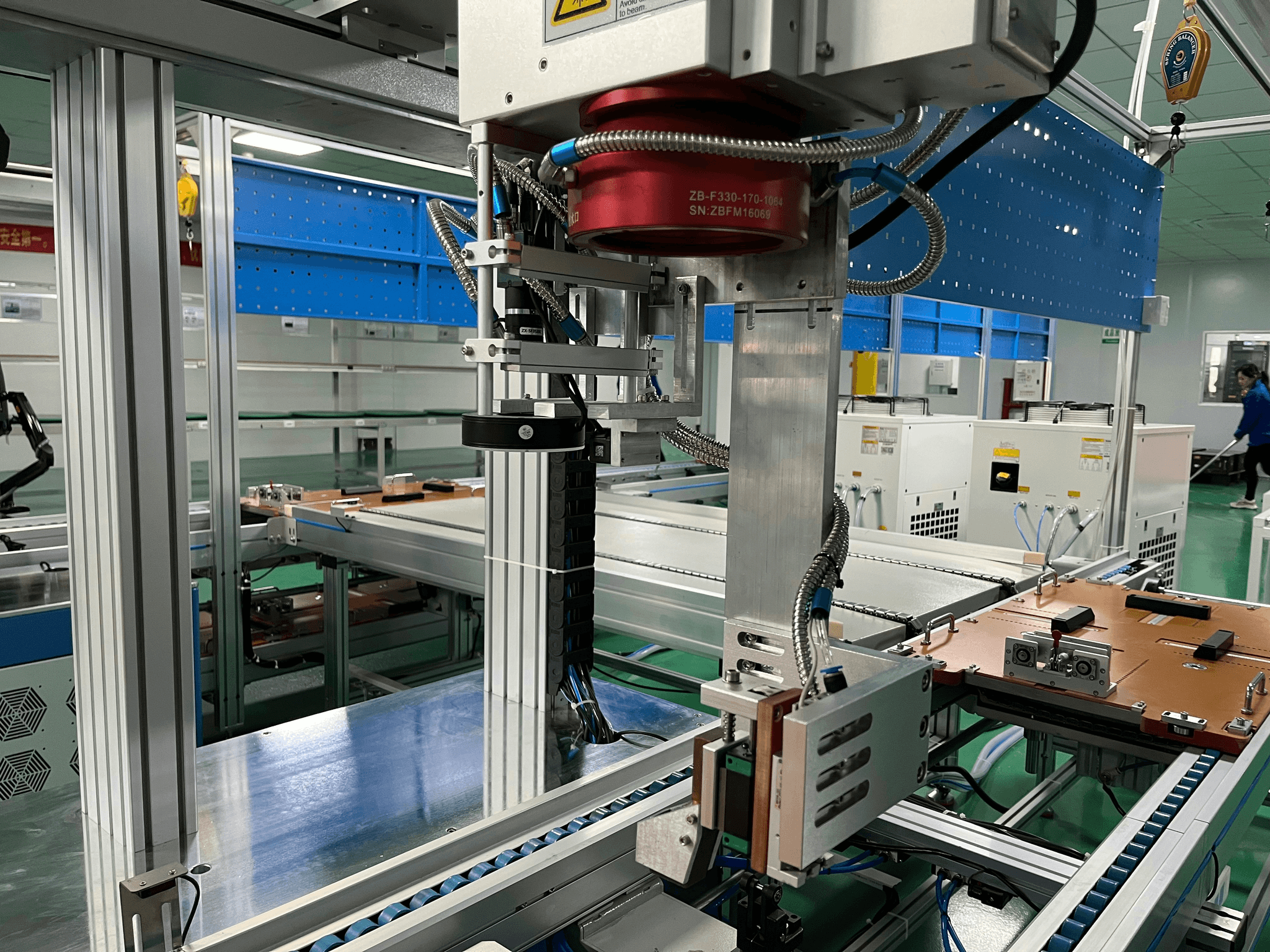
When your organization masters the art of distinguishing between Quality Control vs. Quality Assurance, you unlock a treasure trove of benefits that ripple through every facet of your business. Having a well-defined End-to-End Quality Management System ensures that quality isn't just an afterthought but a core part of your operations. This clarity helps prevent costly mistakes, boosts customer trust, and keeps you ahead in the compliance game—all while making your processes smoother and more predictable.
Reducing Costs and Waste
Understanding what is Quality Control and how it differs from Quality Assurance allows companies to focus efforts where they matter most, reducing unnecessary expenses. When to Use Quality Control becomes clearer within an End-to-End Quality Management System, enabling early detection of defects before they escalate into costly rework or recalls. By implementing precise control measures at the right stages, businesses cut down on waste—saving money and resources while maintaining high standards.
Improving Customer Satisfaction
Clear quality processes foster consistency, which directly impacts customer satisfaction—an essential ingredient for repeat business and brand loyalty. Knowing what is Quality Control helps teams identify defects quickly, ensuring only top-notch products reach customers, while robust quality assurance builds confidence in your brand’s reliability over time. When to Use Quality Control is crucial here; deploying it at strategic points guarantees that each product meets or exceeds expectations, turning satisfied customers into loyal advocates.
Staying Compliant with Regulations
In today's global marketplace, staying compliant with regulations isn’t optional—it’s mandatory for survival. Understanding the differences between Quality Control vs. Quality Assurance helps organizations develop comprehensive strategies aligned with industry standards within their End-to-End Quality Management System. Knowing when to use quality control measures ensures compliance checks are integrated seamlessly into production cycles, minimizing legal risks and avoiding penalties—keeping your business on the right side of regulations.
Common Mistakes and How to Avoid Them
Even the best-laid plans can stumble if you’re not careful about the details, especially when it comes to quality management. One of the most common pitfalls is overlooking training needs, which can cause confusion between Quality Control vs. Quality Assurance. Without proper training, your team might not understand when to use quality control techniques or how to properly implement an end-to-end quality management system, leading to gaps in product quality and customer satisfaction.
Ignoring data and feedback is another costly mistake that hampers continuous improvement efforts. Relying solely on initial inspections without analyzing ongoing data can result in missed opportunities for refining processes or catching defects early. Recognizing what is quality control versus assurance helps teams focus on actionable insights, ensuring that feedback loops are integrated into an effective end-to-end quality management system.
Misunderstanding process boundaries is a sneaky trap that often leads to duplicated efforts or overlooked responsibilities. When teams don’t clearly differentiate between the roles of quality control vs. quality assurance within their processes, they risk creating inefficiencies or gaps in compliance. Clarifying these boundaries ensures everyone knows when to use quality control measures versus broader assurance activities within a comprehensive end-to-end system.
Conclusion
In the world of quality management, clarity is king. Understanding the differences between Quality Control vs. Quality Assurance helps organizations implement an effective End-to-End Quality Management System that ensures product excellence. When everyone knows exactly what is involved in each process, from testing to inspection, maintaining high standards becomes much more manageable and less chaotic.
Knowing when to use Quality Control is crucial for optimizing your quality efforts. It’s not a one-size-fits-all approach; rather, it’s about recognizing the right moments for implementing specific tools or techniques within your End-to-End Quality Management System. Whether you're monitoring production or detecting defects early, understanding what is Quality Control? helps streamline decision-making and improves overall efficiency.
Embracing a culture of continuous quality improvement means constantly refining your processes and staying ahead of potential issues. Clear distinctions between Quality Control vs. Quality Assurance foster collaboration across teams, ensuring everyone works toward the same goal—delivering top-notch products consistently. By integrating these practices into your End-to-End Quality Management System, you set your business up for long-term success and customer satisfaction.