
Introduction

Understanding the importance of Quality Defects is essential for any manufacturer aiming to deliver top-notch products. When defects slip through the cracks, they can tarnish a brand’s reputation and lead to costly recalls or returns. Recognizing what is defect classification helps teams pinpoint issues early and prevent minor defects from escalating into major or critical ones.
Proper defect classification isn’t just a bureaucratic exercise; it’s a strategic tool that guides quality control efforts. Knowing whether a flaw is minor, major, or critical influences how quickly and aggressively it gets addressed. This clarity ensures resources are allocated efficiently, ultimately boosting product success and customer satisfaction.
How defect types impact product success cannot be overstated. Minor defects might seem insignificant but can damage perceived quality if left unchecked, while major defects threaten functionality and safety. Critical defects are game-changers—they can halt production altogether or lead to severe safety hazards—making accurate defect classification absolutely vital for maintaining industry standards.
Minor Defects

In the world of quality control, understanding what is defect classification? It’s crucial because it helps differentiate between various levels of issues that can occur during manufacturing. Minor defects are those imperfections that typically don’t compromise the product’s core function but still need attention to maintain overall quality standards.
When discussing minor defects, think about tiny scratches on a smartphone case or slight color inconsistencies on fabric. These are common examples that fall under the category of minor defects, which usually do not impact safety or usability but could affect customer satisfaction if left unaddressed. Recognizing these small flaws is vital for maintaining high standards and preventing them from escalating into major or critical defects.
Several factors contribute to minor quality defects, including manufacturing process variations, material inconsistencies, or even handling errors during assembly. Understanding what is defect classification? helps companies identify and categorize these issues early in production. By addressing the root causes of minor defects promptly, manufacturers can improve processes and reduce the chances of more serious problems developing later.
Managing minor defects effectively involves implementing routine inspections and establishing clear criteria for defect acceptance. It’s essential to have a system in place that allows quick identification and correction without disrupting overall production flow. Proper management ensures that minor defects don’t escalate into more severe issues such as major or critical defects, which could jeopardize product safety or compliance.
Major Defects
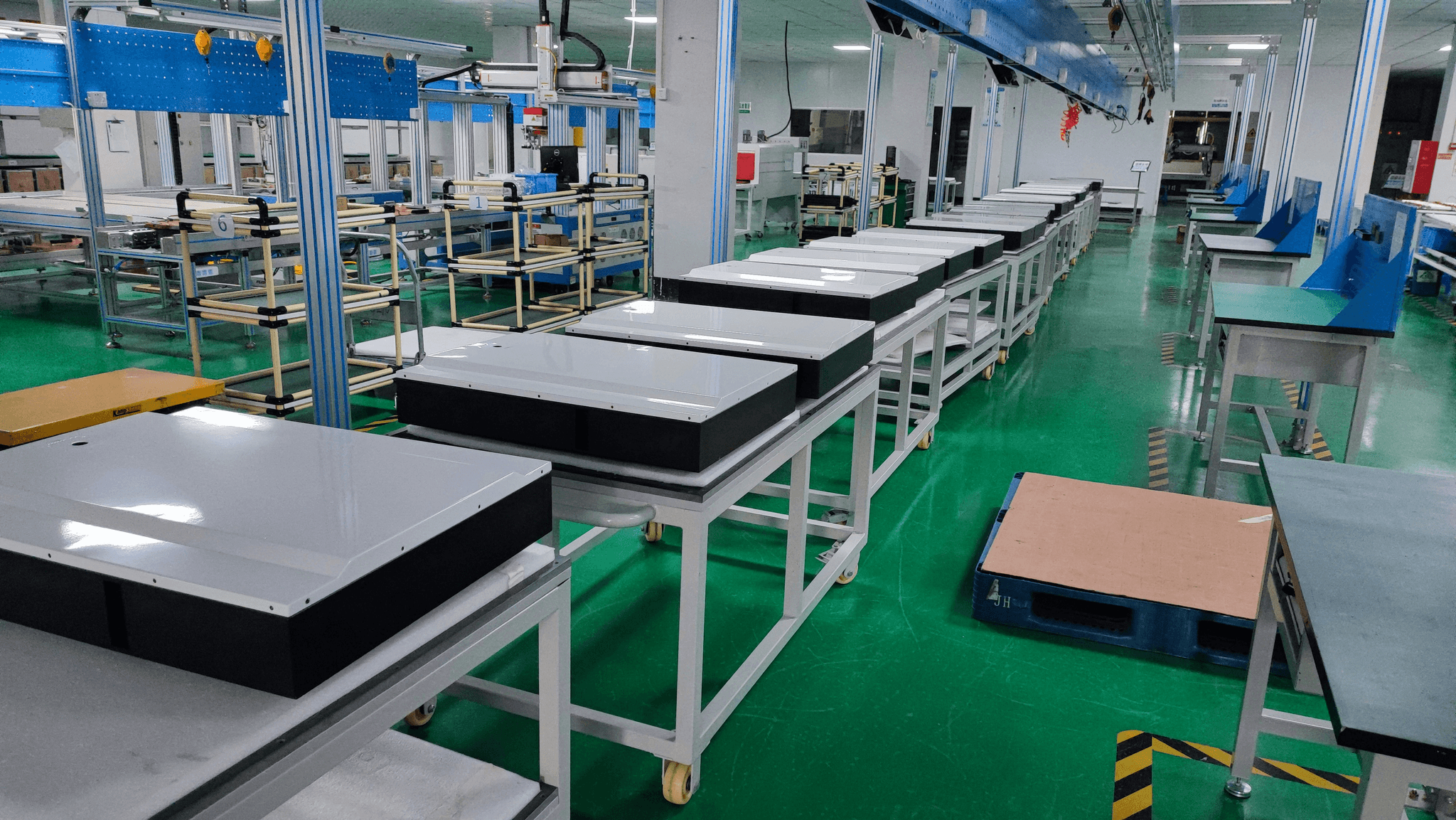
Major defects are the kind of Quality Defects that can seriously compromise a product’s functionality, safety, or compliance. These defects are more than just minor annoyances; they often lead to customer complaints, returns, or even recalls. Understanding what is defect classification? helps in distinguishing major defects from minor and critical ones, ensuring the right corrective actions are taken promptly.
In the realm of quality control, major defects stand out because they directly impact the product’s performance or safety standards. For example, a faulty wiring connection in an electronic device or a cracked engine component in a vehicle would be classified as major defects. Recognizing these issues early is crucial since they can tarnish brand reputation and cost companies dearly if left unaddressed.
Real instances of major quality defects highlight their potential severity. Imagine a batch of smartphones with defective batteries that risk overheating—this is a clear case where defect classification plays a vital role in identifying and segregating such products before they reach consumers. Similarly, defective pharmaceutical packaging that leads to contamination is another example illustrating how critical proper defect management is to prevent health hazards.
To prevent and address major defects effectively, implementing rigorous inspection protocols and quality assurance measures is essential. Conducting root cause analysis helps identify why these defect types occur and how to eliminate them from the production process altogether. Training staff on what is defect classification? ensures timely detection of major defects so they don’t escalate into critical issues that could jeopardize consumer safety or regulatory compliance.
Critical Defects
Critical defects are the most severe form of Quality Defects that can jeopardize safety, functionality, and compliance. These defects often lead to product recalls, legal issues, or even harm to end-users. Understanding what is defect classification? helps manufacturers identify critical defects swiftly, ensuring they prioritize these issues above all else.
When it comes to what is defect classification?, critical defects fall into a distinct category due to their potential impact. Unlike minor or major defects that might be tolerable or fixable, critical defects demand immediate attention and resolution. Properly identifying these defects prevents costly consequences and maintains brand reputation in the industry.
Notable cases of critical defects in industry serve as stark reminders of the importance of rigorous quality control. For instance, a well-known automotive manufacturer faced a recall due to critical safety flaws in airbags—a clear example of how failure to manage quality defects can have serious repercussions. Such instances underscore why understanding what is defect classification? and promptly addressing critical defects is vital for any production process.
To minimize critical defects effectively, companies must ensure strict compliance with industry standards and regulations. Regular inspections, thorough testing, and staff training are essential strategies that help catch these high-risk Quality Defects early on. By proactively managing what is defect classification?, organizations can significantly reduce the occurrence of critical defects and safeguard consumer trust.
Conclusion

Understanding the nuances of defect classification is essential in maintaining high product quality. Properly identifying whether a defect is minor, major, or critical helps streamline quality control processes and prevents costly recalls or customer dissatisfaction. When you know what is defect classification, you can better allocate resources and implement targeted solutions to address Quality Defects effectively.
The Role of Accurate Defect Classification in Quality Control
Accurate defect classification plays a pivotal role in ensuring consistent product quality and customer satisfaction. Recognizing what is defect classification allows manufacturers to prioritize issues based on severity—be it minor defects that need quick fixes or critical defects that demand immediate action. Without precise categorization, companies risk overlooking serious Quality Defects or wasting time on insignificant flaws, which could compromise overall product integrity.
Tips from China Inspection Pro for Defect Management
China Inspection Pro emphasizes the importance of establishing clear standards for defect classification to manage Quality Defects efficiently. Regular training on what is defect classification ensures that inspection teams can distinguish between minor, major, and critical defects accurately. Implementing a robust inspection protocol not only minimizes the occurrence of Critical defects but also streamlines the resolution process for all defect types, ultimately elevating product quality.
Elevate Your Product Quality with Proper Defect Identification
Proper defect identification transforms your approach to quality management by enabling precise corrective actions tailored to each defect type—minor, major, or critical. Recognizing what is defect classification helps prevent small issues from escalating into major problems and safeguards against Critical defects that could jeopardize safety or compliance. Elevate your product quality by investing in thorough training and strict adherence to defect classification standards—your customers will thank you.