
Introduction
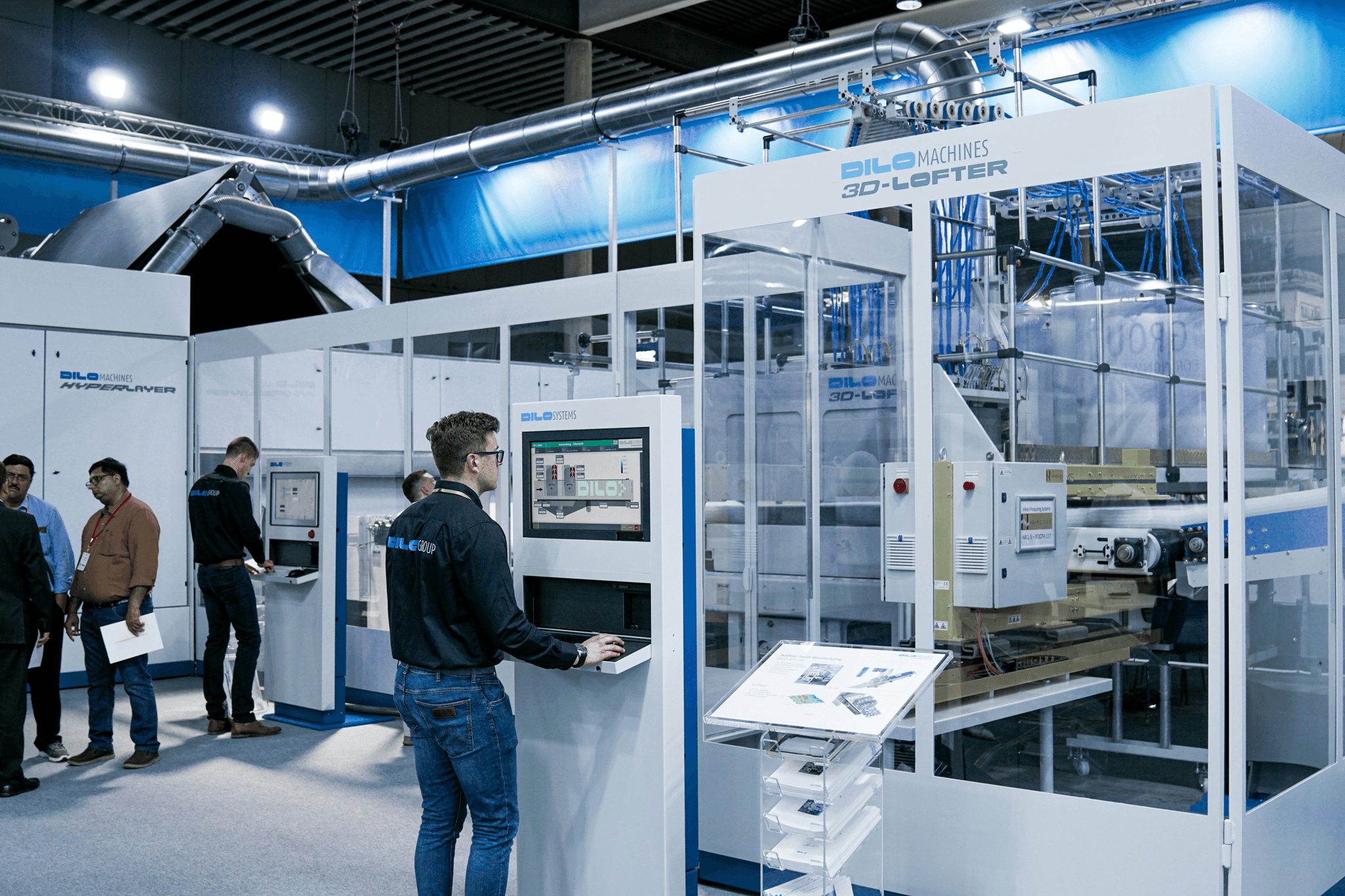
In today's fast-paced manufacturing landscape, the significance of quality defects cannot be overstated. Each defect not only affects the product but can also tarnish a brand's reputation and customer trust. Understanding quality assurance and implementing robust quality control measures are essential for maintaining high standards and ensuring customer satisfaction.
Understanding the Importance of Quality Defects
Quality defects are more than just minor annoyances; they represent failures in the manufacturing process that can lead to significant financial losses and damage to brand integrity. When products fail to meet established standards, businesses face recalls, increased warranty claims, and potential legal liabilities. Recognizing the impact of these defects is crucial for any organization striving for excellence in their offerings.
The Role of Quality Control in Manufacturing
Quality control (QC) serves as the backbone of effective manufacturing processes, ensuring that products meet specific criteria before reaching consumers. By systematically inspecting and testing goods during production, QC helps identify any quality defects early on, allowing for timely interventions. This proactive approach not only minimizes waste but also enhances overall efficiency and productivity within manufacturing operations.
Key Players in Quality Assurance
Quality assurance relies on a collaborative effort among various stakeholders dedicated to upholding product integrity throughout the production cycle. From quality control inspectors who perform rigorous testing to engineers who design processes with built-in checks, each player plays a vital role in mitigating risks associated with quality defects. Additionally, management teams must foster an environment that prioritizes continuous improvement and accountability within their organizations.
Identifying Common Quality Defects

In the world of manufacturing, understanding quality defects is crucial for maintaining a brand’s reputation and ensuring customer satisfaction. Quality assurance processes are designed to catch these defects before they reach the consumer, but they can still slip through the cracks. By identifying common types of quality defects, manufacturers can implement more effective quality control measures to prevent future issues.
Types of Quality Defects in Mass Production
Quality defects can manifest in various forms during mass production, ranging from cosmetic flaws to functional failures. Common types include surface imperfections like scratches or dents, dimensional inaccuracies that affect fit and function, and material inconsistencies that compromise durability. Each type of defect not only impacts product performance but also increases costs associated with rework and returns—an expensive lesson in the importance of robust quality control systems.
Real-World Examples of Quality Failures
Real-world examples highlight just how detrimental quality defects can be when overlooked. Take the infamous case of a leading automotive manufacturer that recalled millions of vehicles due to faulty airbags; this not only cost billions but also severely damaged their brand image. Similarly, a popular electronics company faced backlash when smartphones began overheating due to battery defects—both cases underscore the critical need for stringent quality assurance practices to catch issues before they escalate.
The Impact of Quality Defects on Brands
The repercussions of quality defects extend far beyond immediate financial loss; they can tarnish a brand's reputation for years to come. When consumers encounter defective products, their trust erodes, leading them to seek alternatives from competitors with stronger commitments to quality control. In today’s hyper-connected world, where news travels fast via social media and online reviews, brands must prioritize identifying and addressing quality defects proactively or risk facing a public relations nightmare.
Implementing Quality Control Measures
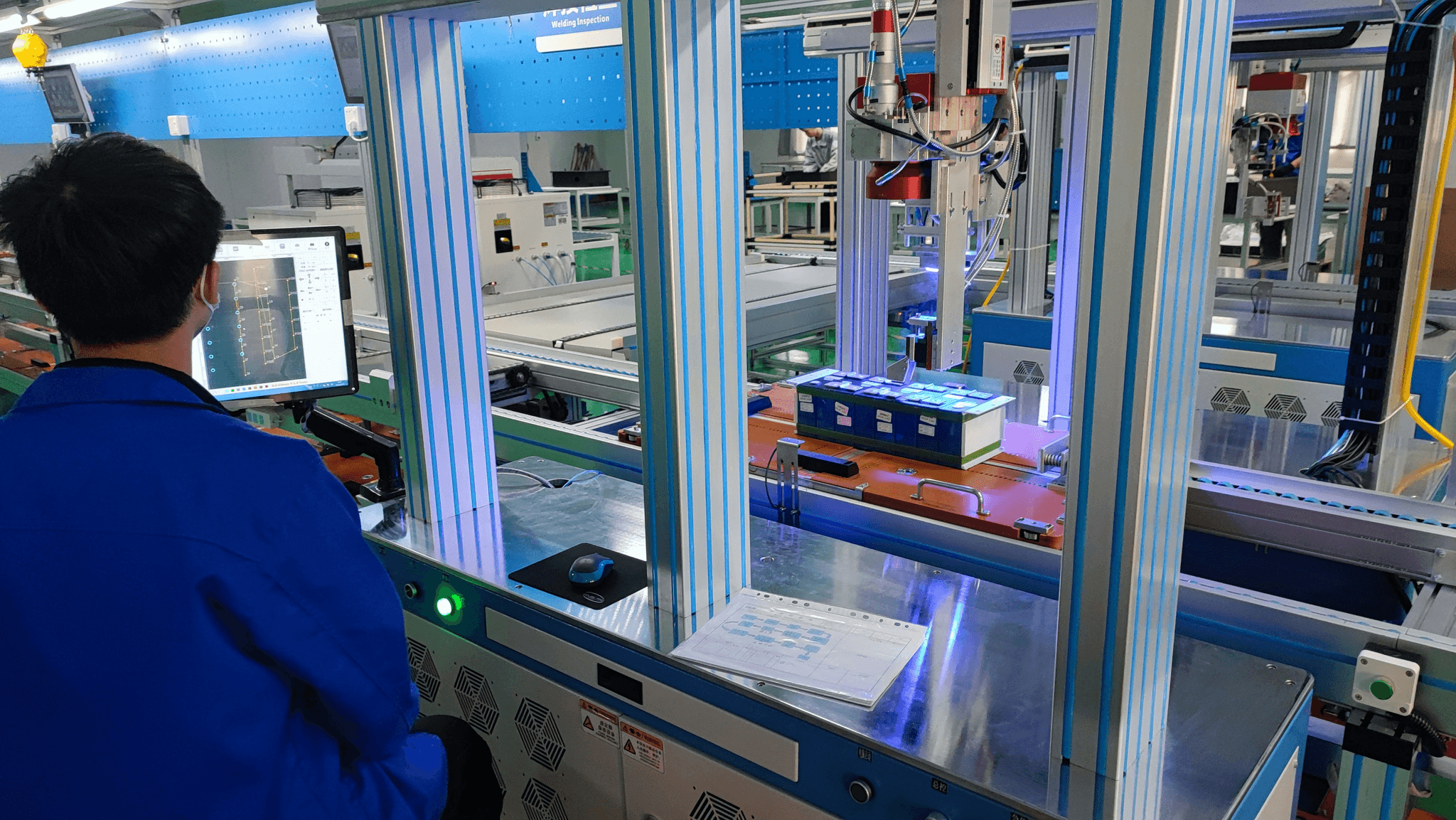
In the realm of manufacturing, implementing effective quality control measures is essential to ensuring that products meet the desired standards. Quality defects can lead to significant financial losses and damage a brand's reputation, making it crucial to have a robust QC quality control process in place. This section will dive into the intricacies of the QC quality control process, explore innovative tools for quality inspection, and highlight the pivotal role of China Inspection Pro in maintaining high standards of quality assurance.
The QC Quality Control Process Explained
The QC quality control process is a systematic approach designed to identify and rectify quality defects before they reach consumers. It typically involves several stages: defining quality standards, inspecting products at various production stages, and implementing corrective actions when defects are detected. By establishing clear benchmarks for performance and conducting regular assessments, manufacturers can effectively minimize risks associated with poor-quality outputs.
At its core, this process hinges on continuous monitoring and feedback loops that allow for real-time adjustments. For instance, if a particular defect pattern emerges during inspections, immediate action can be taken to address the root cause rather than waiting until after production is complete. This proactive stance not only enhances product integrity but also fosters a culture of accountability within manufacturing teams.
Tools and Technologies for Quality Inspection
In today's fast-paced manufacturing environment, leveraging advanced tools and technologies is critical for effective quality inspection. From automated vision systems that detect surface imperfections to sophisticated software that analyzes production data in real-time, these innovations significantly enhance the accuracy of identifying potential quality defects. Moreover, employing mobile inspection apps allows teams to conduct audits on-the-go while ensuring comprehensive documentation.
Additionally, integrating Internet of Things (IoT) devices into manufacturing processes provides valuable insights into equipment performance and product consistency. These smart technologies enable manufacturers to predict failures before they occur by analyzing data trends over time—an essential aspect of modern-day quality assurance practices. With such tools at their disposal, companies can streamline their QC procedures while reducing human error.
The Role of China Inspection Pro in Quality Assurance
China Inspection Pro plays an instrumental role in elevating global standards for quality assurance within manufacturing sectors operating in China or sourcing from there. Their expertise lies in providing thorough inspections tailored specifically to mitigate common quality defects encountered during mass production runs. By employing trained inspectors who understand local nuances alongside international standards, they ensure products meet buyer specifications before shipment.
Furthermore, China Inspection Pro offers comprehensive reporting services that detail inspection results with actionable insights—empowering manufacturers to make informed decisions about their production processes swiftly. Their focus on transparency helps build trust between suppliers and buyers while reinforcing commitment towards maintaining high-quality outputs across industries globally. In essence, partnering with such specialized firms not only enhances overall product reliability but also strengthens market competitiveness.
Techniques for Defect Detection

In the realm of quality control, detecting quality defects is paramount to maintaining product integrity and customer satisfaction. Various techniques are employed to identify these defects early in the production process, ensuring that only the highest quality products reach consumers. This section will explore visual inspection techniques, automated inspection systems, and the benefits of sampling methods to enhance quality assurance.
Visual Inspection Techniques
Visual inspection techniques are often the first line of defense against quality defects in manufacturing. Trained inspectors utilize their keen eyes to spot imperfections that machines might overlook, such as scratches, dents, or color inconsistencies. This hands-on approach not only helps in immediate defect detection but also fosters a deeper understanding of product standards among staff involved in quality control.
However, relying solely on human judgment has its limitations; fatigue or distraction can lead to missed defects. Therefore, visual inspections are typically complemented by other methods for a more robust quality assurance strategy. By integrating visual inspections with advanced technologies, manufacturers can create a comprehensive QC quality control system that minimizes errors and enhances overall product reliability.
Automated Inspection Systems
Automated inspection systems have revolutionized the way manufacturers detect quality defects on the production line. Utilizing cutting-edge technology such as cameras and sensors, these systems can swiftly analyze products at high speeds while maintaining exceptional accuracy. The implementation of automated systems not only reduces human error but also increases efficiency by allowing continuous monitoring without breaks.
These systems are particularly effective for identifying subtle defects that may be difficult for human inspectors to catch consistently. Moreover, they generate valuable data that can be analyzed over time to improve processes and reduce recurrence of similar issues—an essential aspect of effective quality assurance practices. As industries evolve toward automation, integrating automated inspection into your QC quality control framework becomes increasingly vital for staying competitive.
The Benefits of Sampling Methods
Sampling methods offer a pragmatic approach to managing defect detection while balancing cost and efficiency in manufacturing processes. Instead of inspecting every single item produced—an often impractical task—sampling allows teams to evaluate a representative subset of products for potential quality defects. This method streamlines operations by reducing time spent on inspections while still providing insights into overall product performance.
One major advantage is that sampling can highlight trends or recurring issues within batches before they escalate into larger problems affecting brand reputation or financial performance. Additionally, this technique supports statistical process control by enabling manufacturers to make informed decisions based on collected data rather than assumptions about product integrity alone. Ultimately, embracing sampling methods within your QC quality control strategy enhances both productivity and confidence in meeting customer expectations regarding product excellence.
Analyzing Data to Improve Quality
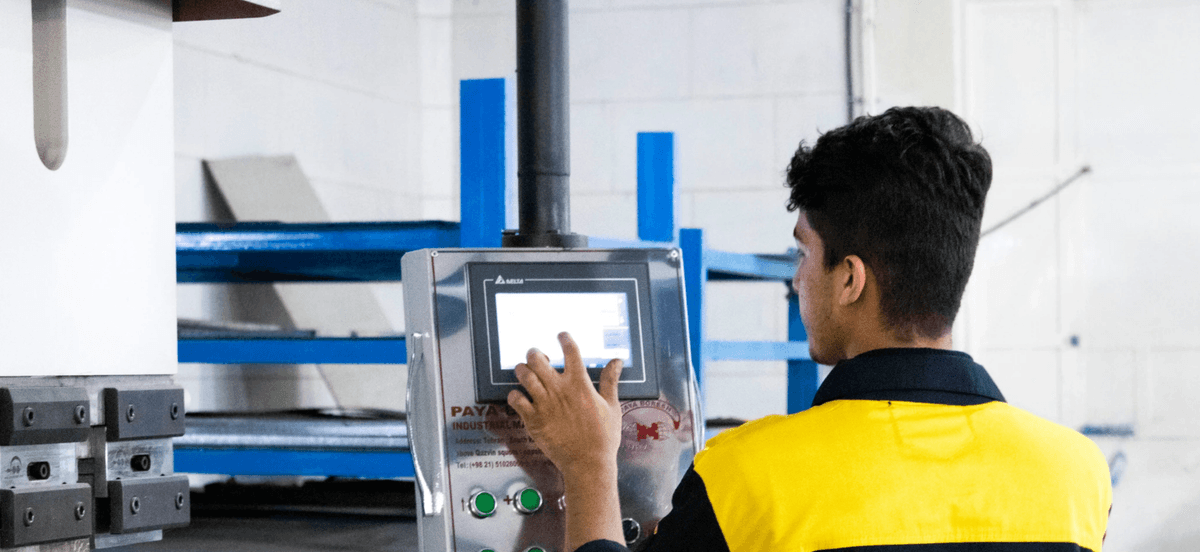
In the realm of quality assurance, data analysis emerges as a powerful tool for identifying and rectifying quality defects. By leveraging quality metrics, manufacturers can gain insights into their processes, allowing them to implement effective quality control measures. This proactive approach not only mitigates risks associated with quality defects but also fosters continuous improvement in production standards.
The Importance of Quality Metrics
Quality metrics serve as the backbone of any robust quality assurance program, providing tangible benchmarks against which performance can be measured. By monitoring these metrics, organizations can quickly identify trends related to quality defects and take corrective actions before issues escalate. Ultimately, establishing clear quality metrics is essential for maintaining high standards in manufacturing and ensuring customer satisfaction.
Using Statistical Process Control
Statistical Process Control (SPC) is an invaluable methodology that utilizes statistical techniques to monitor and control production processes. By analyzing variations in manufacturing data, SPC helps identify potential sources of quality defects early on, enabling timely interventions that enhance overall product integrity. Incorporating SPC into the QC quality control framework not only streamlines operations but also significantly reduces the likelihood of costly errors.
How Data Analysis Drives Quality Assurance
Data analysis is at the heart of effective quality assurance strategies; it transforms raw data into actionable insights that guide decision-making processes. Through sophisticated analytical tools and techniques, manufacturers can uncover patterns related to recurring quality defects and optimize their production workflows accordingly. As a result, organizations that prioritize data-driven approaches are better positioned to achieve excellence in their products while minimizing waste and inefficiencies.
Training Staff for Quality Improvement
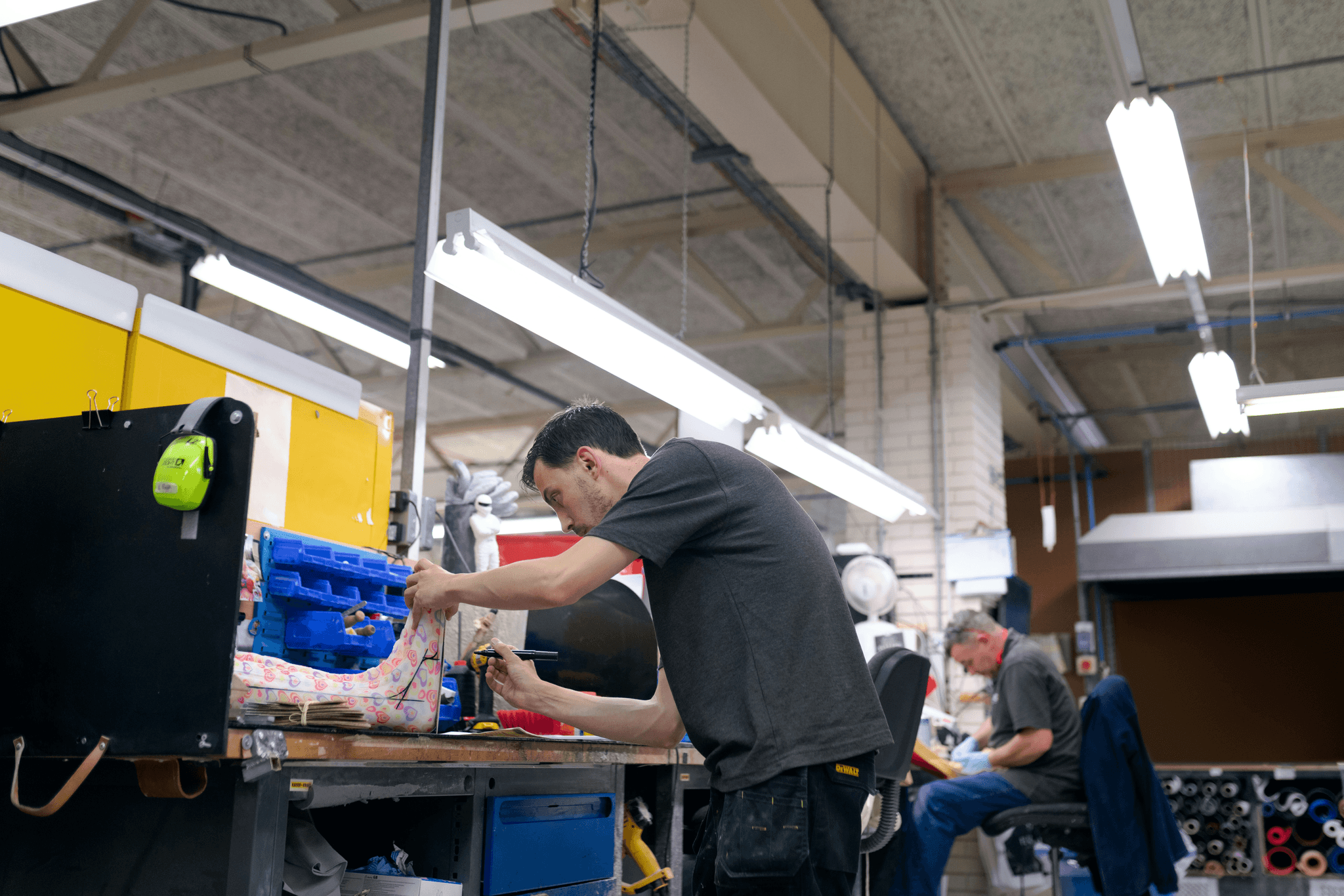
In the realm of manufacturing, training staff is not just a checkbox on a to-do list; it's a vital component of quality control and assurance. Effective training programs empower employees to recognize and address quality defects before they escalate into larger issues. Investing in robust quality assurance training can significantly enhance overall product quality and reduce costly rework.
The Importance of Training in Quality Control
Training plays a pivotal role in establishing an effective quality control system within any manufacturing process. Employees equipped with the right knowledge can identify potential quality defects early, ensuring that products meet specified standards before reaching customers. Moreover, consistent training fosters a sense of ownership among staff, encouraging them to take pride in their work and uphold the values of quality assurance.
Best Practices for Quality Assurance Training
Implementing best practices for quality assurance training is essential for maximizing its effectiveness. First, tailor training sessions to address specific challenges related to your production processes and common quality defects encountered in your industry. Incorporating hands-on experiences alongside theoretical knowledge helps solidify understanding, while regular refresher courses keep everyone updated on new technologies and techniques relevant to QC quality control.
Creating a Culture of Quality in Manufacturing
Cultivating a culture of quality within an organization requires commitment from all levels of management down to frontline workers. Leaders should actively promote the importance of high-quality standards and encourage open communication about quality defects without fear of repercussions. By recognizing achievements related to improvement initiatives and celebrating success stories, companies can inspire employees to prioritize quality assurance as part of their everyday responsibilities.
Conclusion
In the realm of manufacturing, quality assurance is not just a buzzword; it’s the backbone of a successful operation. Identifying and addressing quality defects early in the production process can save companies from costly recalls and damage to their reputation. As we’ve explored, implementing robust quality control measures is essential for maintaining high standards and ensuring customer satisfaction.
Best Strategies for Identifying Quality Defects
To effectively tackle quality defects, organizations should adopt a multifaceted approach that combines technology, training, and teamwork. Utilizing automated inspection systems alongside manual visual inspections can enhance defect detection rates significantly. Additionally, fostering an environment where employees feel empowered to report potential issues can lead to quicker resolutions and continuous improvement in quality assurance practices.
Enhancing Your Quality Control Systems
Enhancing your QC quality control systems requires a commitment to ongoing evaluation and adaptation. Leveraging modern tools such as statistical process control (SPC) allows manufacturers to monitor production processes in real-time, identifying deviations before they escalate into major problems. Moreover, integrating feedback loops from customers about product performance helps refine these systems further by addressing actual market conditions related to quality defects.
The Future of Quality Assurance in Manufacturing
Looking ahead, the future of quality assurance will likely be shaped by advancements in artificial intelligence and machine learning technologies that promise even more precise defect detection capabilities. As industries continue to embrace digital transformation, the role of data analysis will become increasingly vital for predicting potential failures before they occur. Ultimately, cultivating a culture that prioritizes quality at every level—from top management down to shop floor workers—will be crucial for navigating the complexities of modern manufacturing while minimizing quality defects.