
Introduction
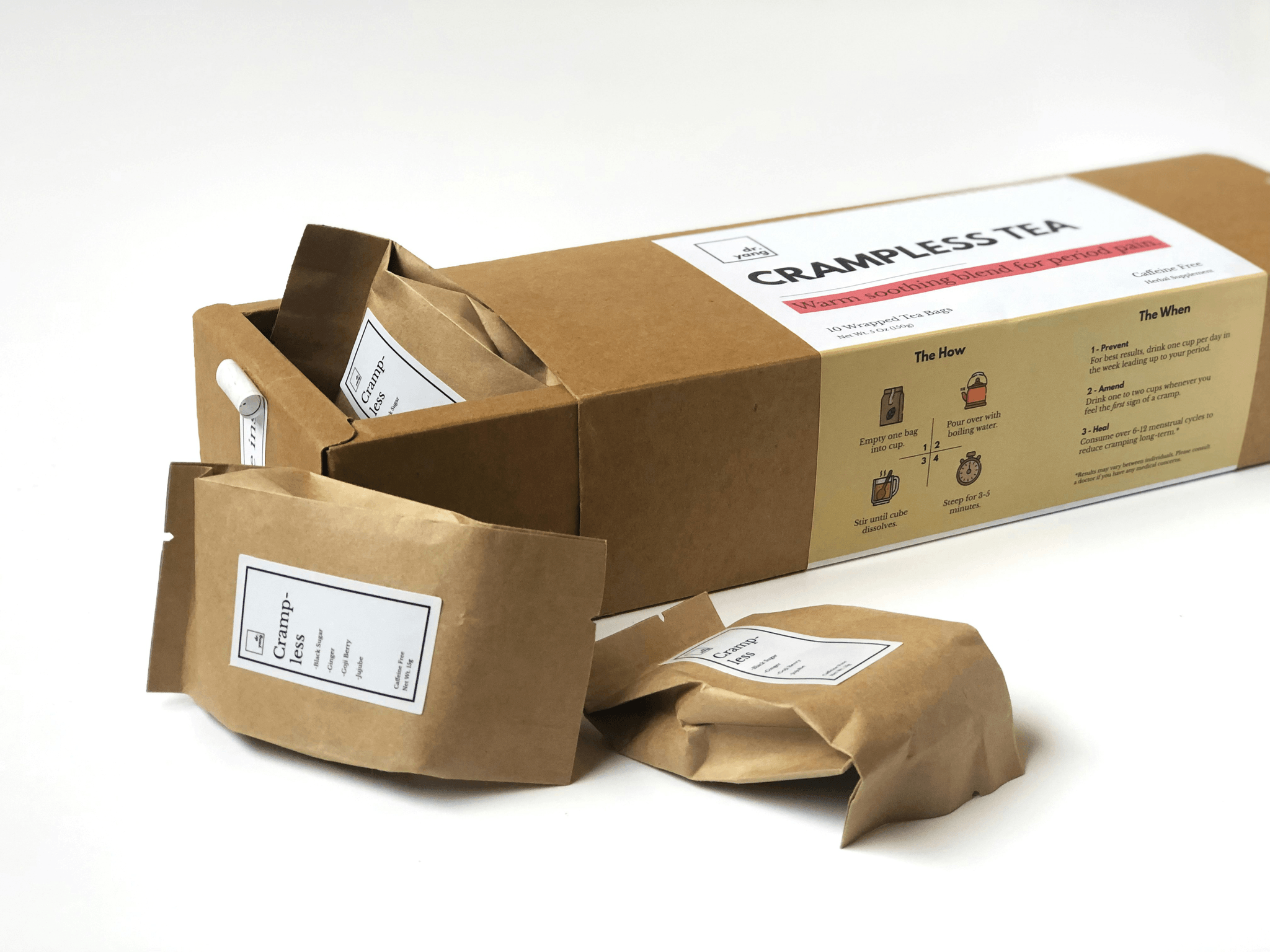
In the ever-evolving world of retail, understanding ecommerce packaging and retail is crucial for brands looking to thrive. As the lines between online shopping and traditional brick-and-mortar experiences blur, businesses must adapt their packaging strategies to meet diverse consumer expectations. This adaptation encompasses not only aesthetics but also functionality and sustainability, making it essential to grasp the nuances of ecommerce packaging vs. retail.
Understanding Ecommerce Packaging and Retail
Ecommerce packaging refers to the materials and designs used to ship products directly to consumers, while retail packaging is tailored for in-store displays. What is ecommerce packaging and why is it essential? It serves as a brand's first impression during delivery, influencing customer satisfaction and loyalty. In contrast, retail packaging focuses on shelf appeal and immediate consumer engagement in physical stores, showcasing how both sectors require distinct approaches.
The Importance of Quality in Packaging
Quality in packaging plays a pivotal role in ensuring that products arrive safely and intact at their destination—an essential aspect of ecommerce success. The 4 important quality controls for ecommerce packaging include durability, protection against environmental factors, ease of opening, and aesthetic appeal. These controls not only safeguard the product but also enhance the overall customer experience by reflecting a brand’s commitment to quality.
How Standards Differ Between Sectors
Standards for ecommerce packaging vs. retail can vary significantly due to differing consumer interactions with products in each environment. While online shoppers prioritize delivery speed and unboxing experiences, brick-and-mortar customers focus on immediate visual impact and tactile engagement with products on shelves. Understanding these differences allows brands to tailor their strategies effectively while maintaining high standards across both sectors.
What is Ecommerce Packaging?

Ecommerce packaging is a specialized form of packaging designed specifically for the online retail environment. It serves not only to protect products during transit but also to enhance the overall customer experience. Understanding what ecommerce packaging is and why it’s essential can help brands differentiate themselves in a crowded marketplace.
Defining Ecommerce Packaging
Ecommerce packaging refers to the materials and methods used to package products sold online, ensuring they arrive safely at customers' doorsteps. Unlike traditional retail packaging, which often focuses on shelf appeal, ecommerce packaging must prioritize durability and functionality. This shift in focus stems from the unique challenges posed by shipping and handling, making it crucial for brands to adopt effective ecommerce strategies.
Key Features That Matter
When evaluating ecommerce packaging, several key features come into play that can make or break customer satisfaction. First, protective qualities are paramount; sturdy materials prevent damage during transport, ensuring that items arrive intact. Second, ease of opening enhances the unboxing experience—customers appreciate when they can access their purchases without wrestling with excessive tape or complicated designs.
Another important aspect is branding; effective ecommerce packaging should reflect a brand's identity while being functional. This means incorporating eye-catching designs or logos that resonate with consumers while still maintaining practicality in shipping logistics. Lastly, cost-effectiveness cannot be overlooked; balancing quality with budget constraints is essential for any successful ecommerce strategy.
The Role of Sustainability
Sustainability has become a buzzword across industries, and ecommerce packaging is no exception—it's crucial for brands looking to appeal to environmentally conscious consumers. Sustainable practices include using recyclable materials and minimizing waste through efficient design processes. As more shoppers prioritize eco-friendly options, companies must adapt their approaches to meet these expectations.
Moreover, sustainable ecommerce packaging can also lead to cost savings over time; using less material not only reduces waste but can also lower shipping costs due to lighter packages. Brands embracing sustainability in their packaging strategies often find themselves at a competitive advantage against those sticking strictly with traditional methods like retail-focused solutions. In essence, integrating sustainability into ecommerce practices isn't just good for the planet—it's good for business too.
The Role of Quality Controls

In the ever-evolving landscape of ecommerce, quality controls play a pivotal role in ensuring that packaging meets both consumer expectations and operational standards. As we delve into the nuances of Ecommerce Packaging vs. Retail, it becomes clear that maintaining high-quality packaging is not just beneficial; it's essential for success. With the right quality controls in place, brands can enhance their reputation and customer loyalty while minimizing returns and damage.
4 Important Quality Controls for Ecommerce Packaging
When discussing 4 important quality controls for ecommerce packaging, it’s vital to consider aspects like material integrity, design consistency, protective features, and sustainability compliance. First off, material integrity ensures that the packaging can withstand shipping conditions without compromising product safety—a must-have in ecommerce where items travel long distances. Next comes design consistency; every package should reflect brand identity while being user-friendly and visually appealing to capture attention even before it’s opened.
Protective features are another key component; they prevent damage during transit, reducing costly returns and unhappy customers—definitely not the kind of experience anyone wants to create! Lastly, sustainability compliance is increasingly crucial as consumers demand eco-friendly practices; using recyclable materials not only meets regulatory standards but also resonates with environmentally conscious shoppers. These four pillars form a robust foundation for effective ecommerce packaging quality control.
How Quality Affects Customer Experience
Quality directly influences customer experience in multiple ways—think about first impressions when a package arrives at your doorstep! If a product is well-packaged with sturdy materials that reflect care and attention to detail, customers are more likely to feel valued and satisfied with their purchase. Conversely, subpar packaging can lead to disappointment and frustration if items arrive damaged or if unboxing feels lackluster; nobody enjoys wrestling with flimsy cardboard or peeling off layers of tape!
Moreover, Ecommerce Packaging vs. Retail differs significantly here; online shoppers often rely on visual cues from the package itself since they can’t physically interact with the product until it arrives. This means that high-quality ecommerce packaging must engage customers not just through aesthetics but also by delivering an exceptional unboxing experience—something retail shoppers might take for granted when picking up items directly from shelves. Ultimately, investing in quality controls leads to happier customers who are more likely to return for future purchases.
Examples of Successful Brands
Several successful brands have mastered the art of quality control in ecommerce packaging, setting benchmarks within their industries—let's take a look! For instance, Apple is renowned for its sleek yet sturdy packaging that reflects its premium brand image; every detail is meticulously designed to enhance customer anticipation before unveiling the product inside. Similarly, companies like Warby Parker have embraced unique unboxing experiences by incorporating thoughtful touches such as personalized notes or branded tissue paper—turning each order into an event rather than just another delivery.
Another great example lies with subscription box services like Birchbox; they’ve built their entire business model around delivering surprises wrapped in delightful packages each month while ensuring products remain intact during shipping through careful selection of protective materials. Through these examples from successful brands across various sectors within Ecommerce Packaging vs. Retail contexts, it's evident how prioritizing quality controls can significantly elevate customer satisfaction levels while fostering brand loyalty.
Retail Packaging Standards

When it comes to retail packaging, the standards are often distinct from those in the ecommerce realm. Retail packaging is designed for immediate visual impact and shelf appeal, with a focus on attracting customers in brick-and-mortar stores. This means that while ecommerce packaging emphasizes protection and functionality, retail packaging must also cater to aesthetics and branding.
Unique Characteristics of Retail Packaging
Retail packaging is characterized by its vibrant designs, informative labeling, and the ability to stand out among competitors on crowded shelves. Unlike ecommerce packaging, which prioritizes durability for shipping, retail packaging needs to be visually compelling to entice impulse buyers. Additionally, it often includes features like transparent windows or interactive elements that engage consumers directly in-store.
Consumer Expectations in Brick-and-Mortar Stores
Consumers entering a physical store have specific expectations regarding retail packaging that differ significantly from those shopping online. They expect high-quality materials that reflect the brand's image and convey trustworthiness; flimsy or poorly designed packages can lead to disappointment before a purchase is even made. Furthermore, they appreciate informative labels that provide essential product details at a glance—an aspect often overlooked in ecommerce but critical in retail environments.
Case Studies of Major Retail Brands
Examining major retail brands reveals how they adhere to stringent packaging standards that enhance customer experience while balancing cost and effectiveness. For instance, Coca-Cola utilizes eye-catching designs and eco-friendly materials that resonate with today's environmentally conscious consumers—showing how quality controls can elevate brand perception. Similarly, Apple’s sleek product boxes not only protect their devices but also create an unboxing experience that leaves customers eager to share their excitement online—a prime example of how effective retail packaging can drive both sales and social media buzz.
Comparing Costs and Investments

When it comes to the financial aspect of packaging, understanding the nuances between Ecommerce Packaging vs. Retail is crucial. Each sector has its own cost structures influenced by different factors such as materials, design complexity, and distribution methods. By breaking down these costs, businesses can make informed decisions that align with their packaging strategies.
Cost Breakdown: Ecommerce vs. Retail
Ecommerce Packaging typically incurs expenses related to shipping and handling, which can significantly affect overall costs. For instance, lightweight materials may be prioritized in ecommerce to reduce shipping fees, while retail packaging often emphasizes aesthetics and sturdiness for shelf display. The differences in these priorities highlight how Ecommerce Packaging vs. Retail requires distinct budgeting approaches that reflect their unique operational needs.
In addition to material costs, labor expenses can vary greatly between ecommerce and retail environments. Ecommerce fulfillment centers may require more automation for efficiency, whereas retail may rely on manual processes for in-store displays and restocking. Understanding these cost breakdowns helps companies assess where they can optimize spending without sacrificing quality.
The Long-term Value of Quality Packaging
Investing in high-quality packaging pays off over time, especially when comparing Ecommerce Packaging vs. Retail strategies. Quality packaging not only enhances product protection but also elevates brand perception and customer loyalty—factors that are invaluable in a competitive marketplace. Brands that prioritize 4 Important Quality Controls for Ecommerce Packaging often see reduced return rates and increased customer satisfaction.
Moreover, sustainable packaging solutions have become increasingly sought after by consumers who are environmentally conscious; this trend adds another layer of long-term value to quality investments in both ecommerce and retail sectors. Companies embracing eco-friendly practices can differentiate themselves from competitors while appealing to a growing demographic of eco-aware shoppers. Ultimately, investing wisely in quality packaging provides returns through enhanced brand reputation and customer retention.
Budgeting for Optimal Outcomes
Effective budgeting is essential for achieving optimal outcomes when navigating the costs associated with Ecommerce Packaging vs. Retail standards. Companies should allocate resources not just for initial design but also consider ongoing expenses such as storage, transportation, and potential rebranding efforts down the line due to changing consumer expectations or market trends related to what is ecommerce packaging today.
Creating a flexible budget allows brands to adapt quickly as they encounter shifts within the industry or consumer preferences—whether it’s incorporating new technologies or responding to sustainability demands effectively without compromising quality controls like those previously mentioned (4 Important Quality Controls for Ecommerce Packaging). By forecasting potential changes ahead of time and adjusting budgets accordingly, brands can ensure they remain competitive while delivering exceptional value through their packaging choices.
The Impact of Technology on Packaging

In the ever-evolving landscape of ecommerce, technology is reshaping how products are packaged and delivered. As we delve into the impact of technology on packaging, it’s essential to recognize how innovations enhance efficiency and customer satisfaction. Understanding the differences between Ecommerce Packaging vs. Retail is crucial for brands aiming to thrive in both sectors.
Innovations in Ecommerce Packaging
Innovations in ecommerce packaging have revolutionized the way products reach consumers, emphasizing convenience and sustainability. New materials and designs are being developed that reduce waste while ensuring products arrive intact—a critical aspect when considering what is ecommerce packaging and why it is essential. For instance, biodegradable materials and reusable packaging solutions not only appeal to eco-conscious consumers but also align with modern branding strategies focused on quality and responsibility.
Moreover, advancements such as automated packing systems streamline operations for businesses, allowing them to scale without compromising quality controls. These innovations help ensure that the 4 Important Quality Controls for Ecommerce Packaging—durability, protection, cost-effectiveness, and sustainability—are consistently met. As a result, brands can maintain a competitive edge while enhancing their reputation in an increasingly crowded market.
The Rise of Smart Packaging Solutions
Smart packaging solutions are taking center stage in ecommerce by integrating technology directly into the packaging itself. This includes features like QR codes that provide customers with product information or augmented reality experiences that enhance engagement post-purchase. Such innovations not only make unboxing an experience but also create a direct line of communication between brands and consumers—something traditional retail often lacks.
Additionally, these smart solutions can monitor conditions during transit, ensuring optimal delivery conditions for sensitive items like perishables or electronics. By leveraging technology within their packaging strategies, brands can address consumer concerns regarding quality—a significant factor when comparing Ecommerce Packaging vs. Retail approaches to customer satisfaction. Ultimately, smart packaging elevates the shopping experience while reinforcing brand loyalty through transparency.
How Brands Can Adapt
To stay relevant amidst technological advancements in ecommerce packaging, brands must be willing to adapt quickly and strategically. This means investing not just in innovative materials but also in understanding consumer preferences and behavior shifts driven by technology use—an increasingly important aspect of what is ecommerce packaging today. By integrating feedback loops from customers about their unboxing experiences or product functionality related to smart features, companies can refine their offerings continuously.
Moreover, training teams on new technologies ensures that all aspects of production align with quality standards expected by today’s savvy shoppers; after all, meeting the 4 Important Quality Controls for Ecommerce Packaging isn't just about meeting basic requirements anymore—it’s about exceeding expectations! Brands that embrace these changes will find themselves better equipped to navigate the challenges posed by both ecommerce dynamics and traditional retail pressures.
Conclusion

As we wrap up our exploration of ecommerce packaging, it’s clear that the landscape is evolving rapidly. Ecommerce packaging vs. retail isn't just a matter of aesthetics; it's about functionality, sustainability, and customer satisfaction. The future will likely see even more emphasis on innovative designs and materials that cater to the unique needs of online shoppers.
The Future of Ecommerce Packaging
In the coming years, we can expect ecommerce packaging to become increasingly sophisticated, integrating technology like smart labels and interactive features. This evolution will not only enhance user experience but also provide brands with valuable data insights into consumer behavior. As businesses adapt to these changes, understanding what is ecommerce packaging and why it is essential will be critical for maintaining a competitive edge.
Aligning Quality Controls with Consumer Demand
The 4 important quality controls for ecommerce packaging must align closely with what consumers are looking for: durability, sustainability, visual appeal, and cost-effectiveness. Today’s consumers are more discerning than ever; they expect their products to arrive in pristine condition while also being environmentally friendly. By prioritizing these quality controls, brands can foster loyalty and enhance their reputation in an increasingly crowded market.
Final Thoughts on Packaging Standards
Ultimately, the distinction between ecommerce packaging vs. retail lies in understanding the diverse expectations of customers across different shopping experiences. As we look ahead, brands must remain agile—ready to adapt their strategies based on evolving consumer preferences and technological advancements. Embracing high standards in packaging not only meets customer demands but also sets a foundation for sustainable growth in both ecommerce and retail sectors.