
Introduction
In today’s fast-paced marketplace, understanding the nuances between Ecommerce Packaging vs. Retail is more crucial than ever. Whether you’re shipping products directly to consumers or stocking shelves in a brick-and-mortar store, your packaging choices can make or break your brand’s reputation. Navigating this packaging divide requires insight into what is ecommerce packaging and why it is essential—because the stakes are different when it comes to protecting products during transit and creating a memorable unboxing experience.
Ecommerce Packaging vs. Retail isn’t just about choosing between boxes and bags; it’s about tailoring your approach to meet specific demands such as durability, branding, and cost efficiency. Knowing how to verify appropriate sealing methods and perform a carton drop test can ensure your packages arrive intact, boosting customer satisfaction. Remember, check your sample before mass production—this small step can save you from costly mistakes down the line while helping craft packaging that resonates with your audience.
The impact of packaging on customer experience and brand perception cannot be overstated. Clear branding on ecommerce packaging versus retail helps reinforce brand identity even before the product is opened, fostering loyalty and trust. As you navigate these differences, keep in mind that understanding what is ecommerce packaging and why it is essential will give you an edge in designing solutions that stand out—and ultimately keep customers coming back for more.
The Fundamentals of Ecommerce Packaging
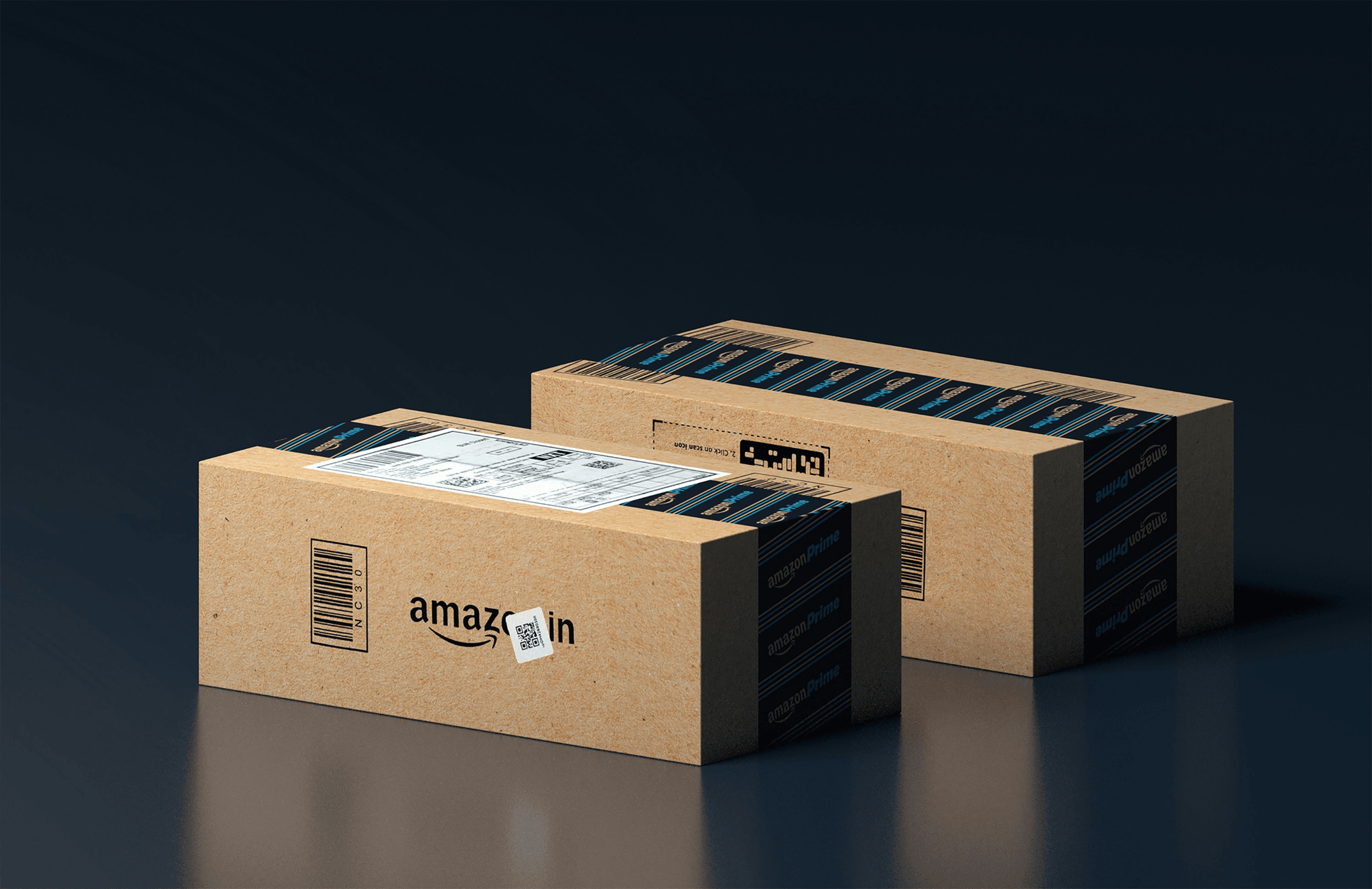
Understanding ecommerce packaging versus retail packaging is crucial for any business aiming to thrive in the digital marketplace. Unlike traditional retail packaging, ecommerce packaging must withstand the rigors of shipping, handling, and delivery while maintaining brand integrity. It's not just about wrapping up a product; it's about creating a secure, memorable experience that encourages customer loyalty and minimizes damage during transit.
What is ecommerce packaging and why is it essential?
Ecommerce packaging refers to the specialized materials and designs used to ship products directly to consumers through online channels. Its importance lies in protecting items during transit, ensuring they arrive intact, and providing a platform for clear branding that can boost customer satisfaction. When you verify appropriate sealing methods and perform carton drop tests regularly, you reduce returns and complaints—making your ecommerce packaging vs. retail efforts more effective.
Key differences from traditional retail packaging
While retail packaging often focuses on shelf appeal and visual display, ecommerce packaging emphasizes durability and security because it faces a different journey—often being tossed around in trucks or handled by multiple hands. For example, check your sample before shipping out bulk orders to ensure the carton drop test results meet industry standards; this helps prevent damage upon arrival. Additionally, designing for ecommerce means incorporating clear branding elements that stand out even when viewed online or in unboxing videos.
How ecommerce shipping influences packaging choices
Ecommerce shipping demands robust solutions like reinforced cartons that can pass rigorous carton drop tests while verifying appropriate sealing methods to prevent leaks or tampering during transit. Since packages are often subjected to various handling scenarios, choosing eco-friendly yet sturdy materials aligns with sustainability goals without compromising protection or branding clarity—both vital for standing out in the competitive world of Ecommerce Packaging vs. Retail. Remember: check your sample carefully during quality control to ensure every package meets these standards before mass production.
Product Safety and Durability Testing
When it comes to Ecommerce Packaging vs. Retail, durability and safety are non-negotiable. Customers expect their products to arrive in perfect condition, whether they bought online or in-store. That’s why understanding what is ecommerce packaging and why it is essential becomes crucial—your packaging must withstand the rigors of transit without compromising product integrity.
One of the most critical tests in ensuring damage-free deliveries is the carton drop test. This simple yet effective method simulates real-world handling scenarios, revealing whether your cartons can survive the bumps and drops during shipping. Conducting a carton drop test regularly helps verify appropriate sealing methods for security, preventing returns caused by damaged goods or leaks, which can tarnish your brand reputation.
Protecting products during transit and handling involves more than just choosing sturdy boxes; it requires meticulous checks like verifying appropriate sealing methods to keep items secure from start to finish. When you check your sample before mass production, you catch potential issues early—saving time and money down the road. Comparing Ecommerce Packaging vs. Retail shows that each environment demands specific durability standards; online orders need extra protection against rough handling, making these tests all the more vital.
Branding and Consumer Perception

In the world of Ecommerce Packaging vs. Retail, your packaging acts as your first handshake—making a lasting impression before the product even reaches the customer. Clear branding is essential; it transforms a simple box into a memorable experience that customers associate with quality and trust. Remember, what is ecommerce packaging and why is it essential? Because it needs to stand out in a digital landscape crowded with competitors, turning unboxing into an event that fosters loyalty.
When designing packaging for ecommerce versus retail environments, you must consider different factors like space constraints, shipping durability, and visual impact. For ecommerce packaging, functionality often takes precedence—think sturdy cartons that can withstand the rigors of transit—and verifying appropriate sealing methods to prevent damage or tampering. Check your sample early in the process to ensure that branding elements are correctly applied and that the package looks professional on arrival.
Finally, how packaging influences customer loyalty cannot be overstated. A well-branded package not only protects your product but also communicates your brand’s story and values—making customers more likely to repurchase. Incorporating clear branding throughout your packaging helps reinforce recognition in both Ecommerce Packaging vs. Retail scenarios, encouraging repeat business and positive reviews.
Quality Control and Inspection Standards

Maintaining high standards in packaging is crucial whether you're dealing with Ecommerce Packaging vs. Retail or vice versa. One of the most effective ways to ensure your packaging meets industry benchmarks is by checking your sample thoroughly before mass production. This step helps identify potential issues early, saving you from costly returns or damage claims later on, especially when verifying appropriate sealing methods and reinforcing carton drop tests for durability.
Understanding the differences between ecommerce packaging vs. retail is essential because each has unique quality control demands. For ecommerce, the focus often leans toward protecting products during transit with rigorous carton drop tests, while retail packaging might prioritize visual appeal and branding clarity. Regularly checking your sample allows you to confirm that these standards are met across both environments, ensuring customer satisfaction no matter where your product lands.
In addition, industry standards for ecommerce versus retail packaging can vary significantly, making it vital to verify your sample against these benchmarks. For example, what is ecommerce packaging and why is it essential? Because it must withstand rough handling and long shipping times through a carton drop test—something less critical in retail settings where presentation takes precedence. By adhering to these standards and verifying appropriate sealing methods during sample checks, you can confidently deliver secure and attractive packages that meet marketplace expectations.
Cost Efficiency and Sustainability
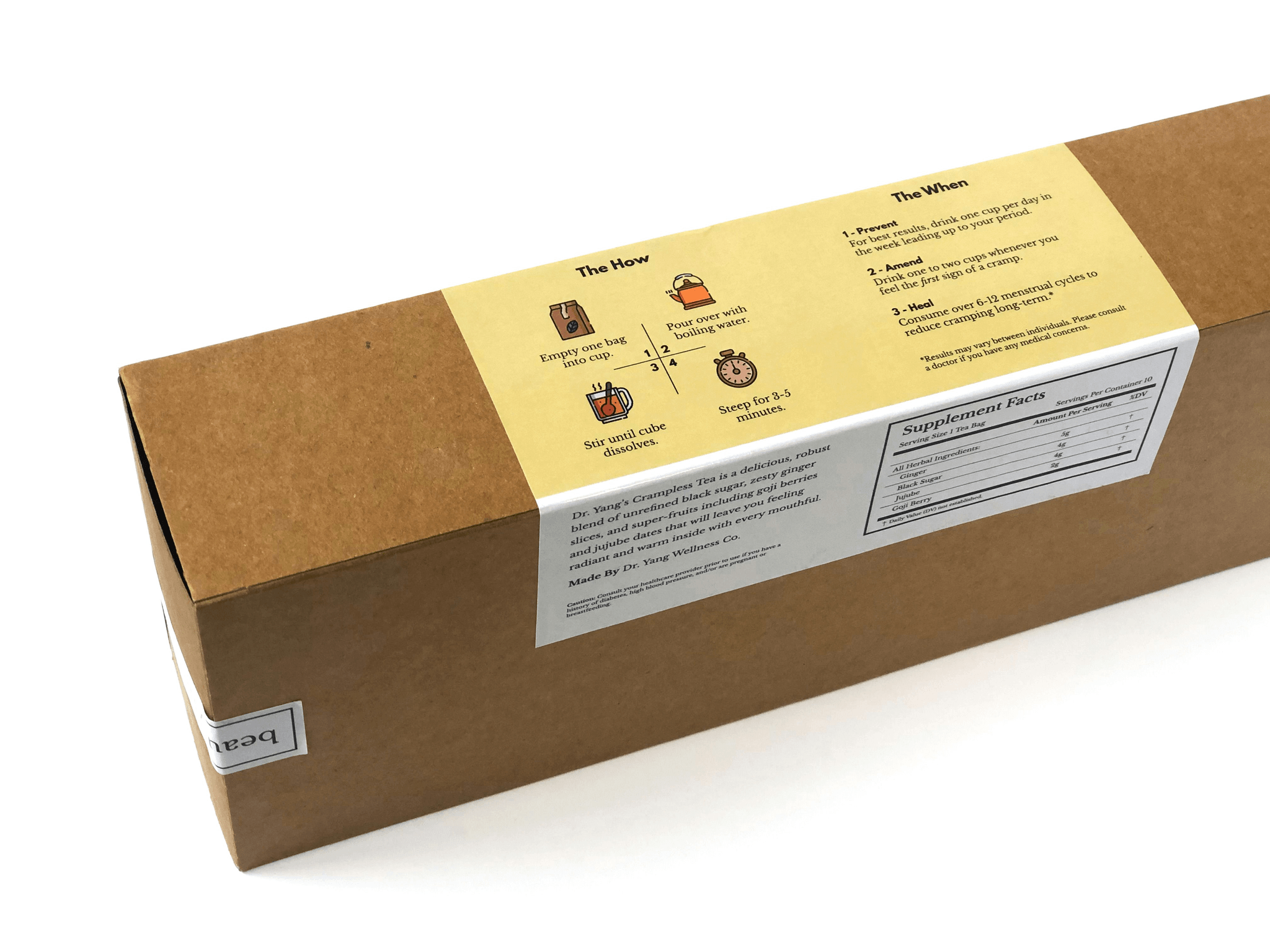
Balancing quality with cost in packaging decisions can feel like walking a tightrope—too cheap, and your products risk damage; too expensive, and your margins suffer. When considering ecommerce packaging vs. retail, it's crucial to evaluate whether your packaging meets the necessary standards without breaking the bank. Remember, what is ecommerce packaging and why is it essential? It’s designed specifically for online orders, requiring durability and security—so verifying appropriate sealing methods is key to avoiding costly returns or damages.
Eco-friendly materials are gaining popularity across both ecommerce and retail sectors because consumers love brands that care about sustainability. Using sustainable options not only helps the environment but can also reduce costs in the long run—think lightweight cartons that lower shipping fees or biodegradable fillers that impress eco-conscious customers. When choosing eco-friendly materials for ecommerce versus retail, consider how each impacts your budget while maintaining product safety through rigorous tests like the carton drop test.
The economic impact of packaging choices on margins cannot be overstated; every dollar spent on premium packaging must translate into added value or reduced costs elsewhere. Check your sample before committing to large orders to ensure it balances quality with affordability—this step prevents costly mistakes down the line. In a competitive landscape where branding matters, clear branding on packages plays a vital role in customer loyalty; thus, investing wisely in packaging that resonates without overspending is a smart move in both ecommerce packaging vs. retail contexts.
Conclusion
In the world of ecommerce packaging vs. retail, customizing your packaging to meet specific marketplace needs is crucial for standing out and ensuring customer satisfaction. Understanding what is ecommerce packaging and why it is essential helps businesses tailor their solutions, whether that’s through innovative designs or durable materials. When you check your sample before mass production, you minimize surprises and confirm that your packaging aligns with the standards required for both ecommerce and retail environments.
Emphasizing quality assurance and testing procedures, like conducting a carton drop test or verifying appropriate sealing methods, ensures your products arrive damage-free and secure. These steps are vital in maintaining a positive brand perception and customer loyalty, especially when comparing ecommerce packaging vs. retail where customer expectations differ significantly. A rigorous quality check process can catch potential issues early, saving costs and safeguarding your reputation in the competitive marketplace.
Staying ahead with innovative packaging solutions and standards means continuously exploring eco-friendly materials while balancing cost efficiency. The landscape of ecommerce packaging vs. retail demands adaptability; embracing new trends keeps your brand relevant while reducing environmental impact. By integrating creative designs with industry best practices—such as clear branding—you can elevate customer experience from unboxing to loyalty.