
Introduction
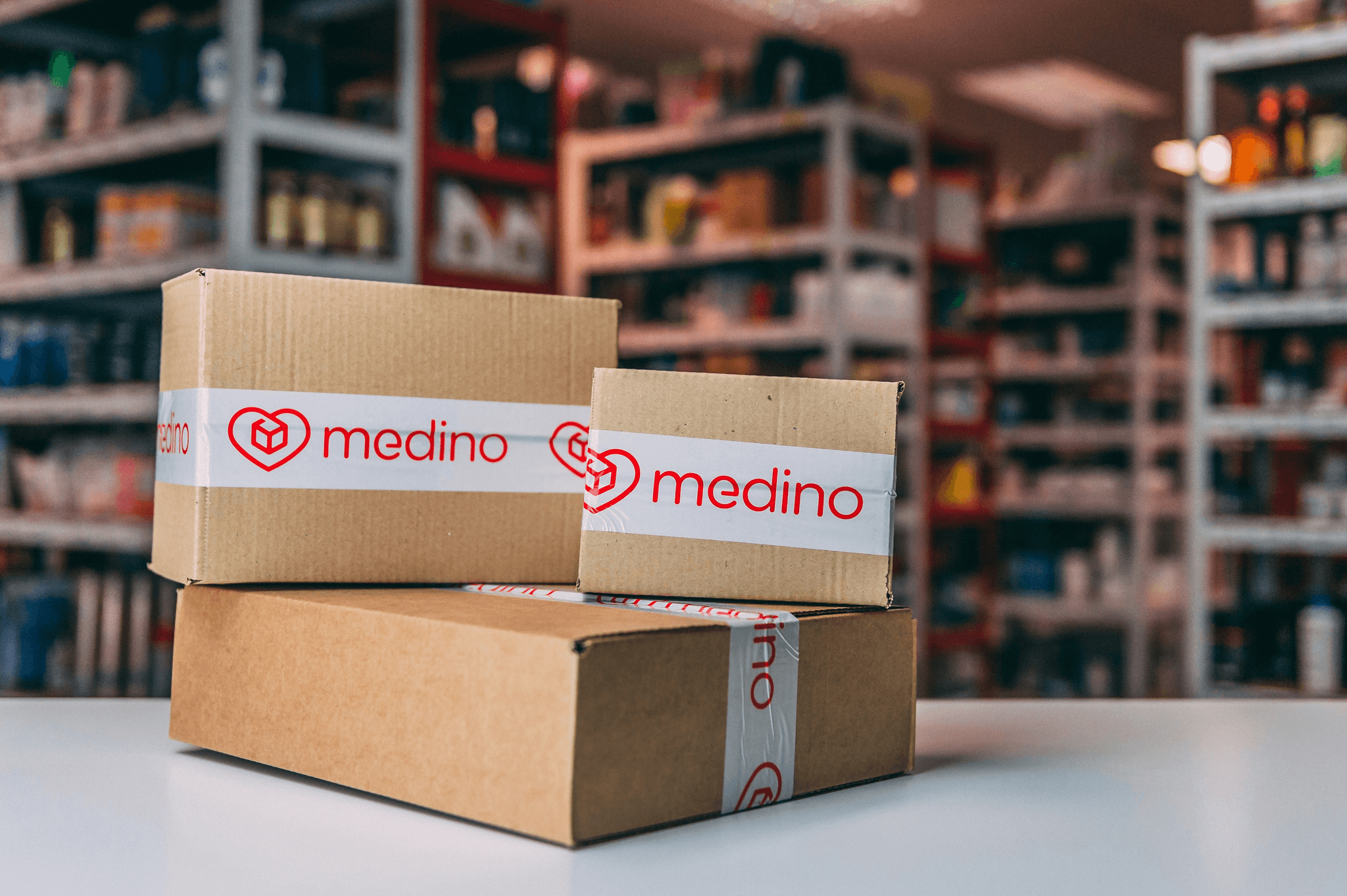
When it comes to Ecommerce Packaging vs. Retail, the nuances can significantly impact a brand's success. Packaging is not merely a protective layer; it serves as the first point of contact between the product and the consumer, making its importance paramount. In today's fast-paced digital marketplace, effective packaging can enhance customer experience and bolster brand loyalty.
Understanding the Importance of Packaging
In both Ecommerce and retail, packaging plays a crucial role in shaping consumer perceptions. Effective packaging must not only protect products but also communicate clear branding that resonates with target audiences. Whether through eye-catching designs or informative labels, understanding how to package effectively can set a brand apart in a crowded market.
The Role of Quality Control in Ecommerce
Ecommerce Quality Control is vital for ensuring that products arrive at customers' doorsteps in pristine condition. This involves verifying appropriate sealing methods and conducting tests like the carton drop test to assess durability during transit. Implementing stringent quality control measures helps mitigate risks associated with damaged goods and enhances customer satisfaction.
Key Differences Between Ecommerce and Retail
While retail focuses on immediate consumer interaction within physical stores, Ecommerce requires an entirely different approach to packaging and quality assurance. In retail, shelf appeal is essential for attracting customers at first glance; however, in Ecommerce, the unboxing experience becomes critical once products reach consumers' homes. Understanding these key differences allows brands to tailor their strategies effectively for each channel while maintaining consistency across their packaging efforts.
Ecommerce Packaging Essentials

In the world of ecommerce, packaging is not just a means to protect products; it's an essential component of your brand's identity. Unlike retail, where consumers can physically interact with products, ecommerce relies heavily on first impressions made through packaging. Therefore, understanding the nuances of ecommerce packaging vs. retail can significantly enhance customer experience and satisfaction.
Importance of Clear Branding
Clear branding is paramount in ecommerce packaging because it helps create a memorable unboxing experience for customers. When shoppers receive their orders, they should immediately recognize your brand through consistent colors, logos, and messaging on the packaging. This level of clarity not only fosters brand loyalty but also encourages repeat purchases as customers associate positive experiences with your brand.
Moreover, clear branding distinguishes your product from competitors in an increasingly crowded marketplace. In ecommerce packaging vs. retail scenarios, where consumers can't physically see or touch items before purchase, strong branding becomes even more crucial for driving sales and enhancing visibility online. Ultimately, effective branding on your packages can transform mundane deliveries into delightful surprises that resonate with customers long after they've made their purchase.
Verify Appropriate Sealing Methods
One critical aspect of ecommerce quality control is verifying appropriate sealing methods to ensure that products arrive intact and undamaged at their destination. Unlike retail environments where items are often handled by staff before reaching consumers' hands, ecommerce packages travel through various transit channels and must withstand rough handling along the way. Therefore, employing reliable sealing methods—like tape or adhesive seals—can greatly reduce the risk of package tampering or accidental openings.
Additionally, using high-quality sealing materials contributes to a more professional appearance while reinforcing customer trust in your brand's commitment to quality assurance. By ensuring that each package is securely sealed before shipping out to customers, you also minimize returns due to damage caused by inadequate sealing methods—a win-win situation for both you and your clientele! Remember: when it comes to ecommerce packaging vs. retail standards, proper sealing techniques play a pivotal role in maintaining product integrity.
How Carton Drop Test Can Save You
Conducting a carton drop test may sound like an unnecessary step in the packing process; however, it can be a game-changer for ensuring product safety during transit! This test simulates real-world shipping conditions by dropping packaged goods from different heights to assess their durability under impact forces typical in delivery scenarios. By testing how well your packages hold up during these drops (and ensuring they meet industry standards), you can identify weak points before they become costly problems down the line.
Additionally, passing carton drop tests not only protects your products but also enhances customer satisfaction by reducing instances of damaged goods upon arrival—an essential factor in maintaining positive reviews and repeat business! Implementing this simple yet effective quality control measure helps bridge the gap between expectations set by consumers who are accustomed to high-quality retail experiences versus those shopping online for convenience alone.
In summary: don't underestimate how much value conducting carton drop tests brings when dealing with ecommerce quality control! It’s all about protecting both profit margins and reputations while keeping those pesky returns at bay!
Retail Packaging Standards

In the world of retail, packaging is not just a protective layer; it’s a silent salesperson that communicates the essence of your brand. Understanding consumer expectations in retail is crucial for establishing a strong connection with your audience. Unlike ecommerce packaging, where delivery and unboxing experiences reign supreme, retail packaging must instantly capture attention and convey quality at first glance.
Consumer Expectations in Retail
When shoppers stroll through aisles, they expect packaging to be functional yet aesthetically pleasing. They want clear branding that resonates with their values while also verifying appropriate sealing methods to ensure product integrity. In this competitive landscape, meeting these expectations means standing out from the crowd—something that ecommerce brands can learn from retail's emphasis on shelf appeal.
The Importance of Shelf Appeal
Shelf appeal is the art of making products pop in a sea of competition; it's what draws eyes and ultimately drives sales. Retailers know that consumers often make snap decisions based on how products are packaged, so investing time in effective design can pay dividends. This is where concepts like the carton drop test come into play; ensuring that not only does your product look good but can withstand the rigors of transportation and handling.
Ensuring Sustainability in Retail
Consumers are increasingly seeking environmentally friendly options that reduce waste while still maintaining high-quality presentation—a tall order for many brands! By incorporating sustainable practices into your retail packaging strategy, you not only meet consumer demands but also enhance your brand image through quality control measures.
The Case for Quality Control

Quality control in ecommerce packaging is not just a box to check; it’s a pivotal element that can make or break your business. With the rise of online shopping, the stakes are higher than ever. Ensuring that your products arrive safely and appealingly is essential for customer satisfaction and brand loyalty.
Why Ecommerce Quality Control Matters
Ecommerce quality control matters because it directly impacts customer experience and retention. When customers receive well-packaged products with clear branding, they are more likely to return for future purchases. Moreover, effective quality control helps to minimize returns, which can be costly in terms of both finances and reputation.
In contrast to traditional retail, where customers can physically inspect items before buying, ecommerce relies heavily on first impressions made through packaging. This makes it crucial to verify appropriate sealing methods and conduct carton drop tests to ensure products withstand the rigors of shipping. Ultimately, robust ecommerce quality control fosters trust between brands and consumers while enhancing overall operational efficiency.
Common Pitfalls in Packaging
When discussing ecommerce packaging vs. retail packaging, several common pitfalls emerge that businesses must avoid at all costs. One major issue is inadequate sealing; if packages aren’t secured properly, they risk damage during transit or even worse—product loss altogether! Additionally, neglecting clear branding can lead to confusion about product identity and diminish the perceived value of what you’re selling.
Another pitfall lies in overlooking the importance of testing methods like carton drop tests before finalizing your packaging strategy. Skipping this step could result in significant financial losses from damaged goods or dissatisfied customers who received subpar products. By being aware of these pitfalls and implementing stringent quality control measures, you can navigate the complex world of ecommerce successfully.
China Inspection Pro’s Role in Quality
China Inspection Pro plays a vital role in ensuring quality control within the realm of ecommerce packaging by offering comprehensive inspection services tailored to meet specific needs. Their expertise helps businesses check their samples effectively before mass production begins—ensuring that every aspect meets industry standards and consumer expectations alike. From verifying appropriate sealing methods to conducting carton drop tests on prototypes, China Inspection Pro provides peace of mind as you scale your operations.
Moreover, their services bridge the gap between ecommerce quality control needs and traditional retail standards by enforcing strict guidelines throughout the supply chain process. This ensures that whether you're shipping directly from China or sourcing locally, your products maintain consistent quality across all platforms—ultimately enhancing brand image through reliable delivery experiences for consumers everywhere!
Sample Checks: A Critical Step
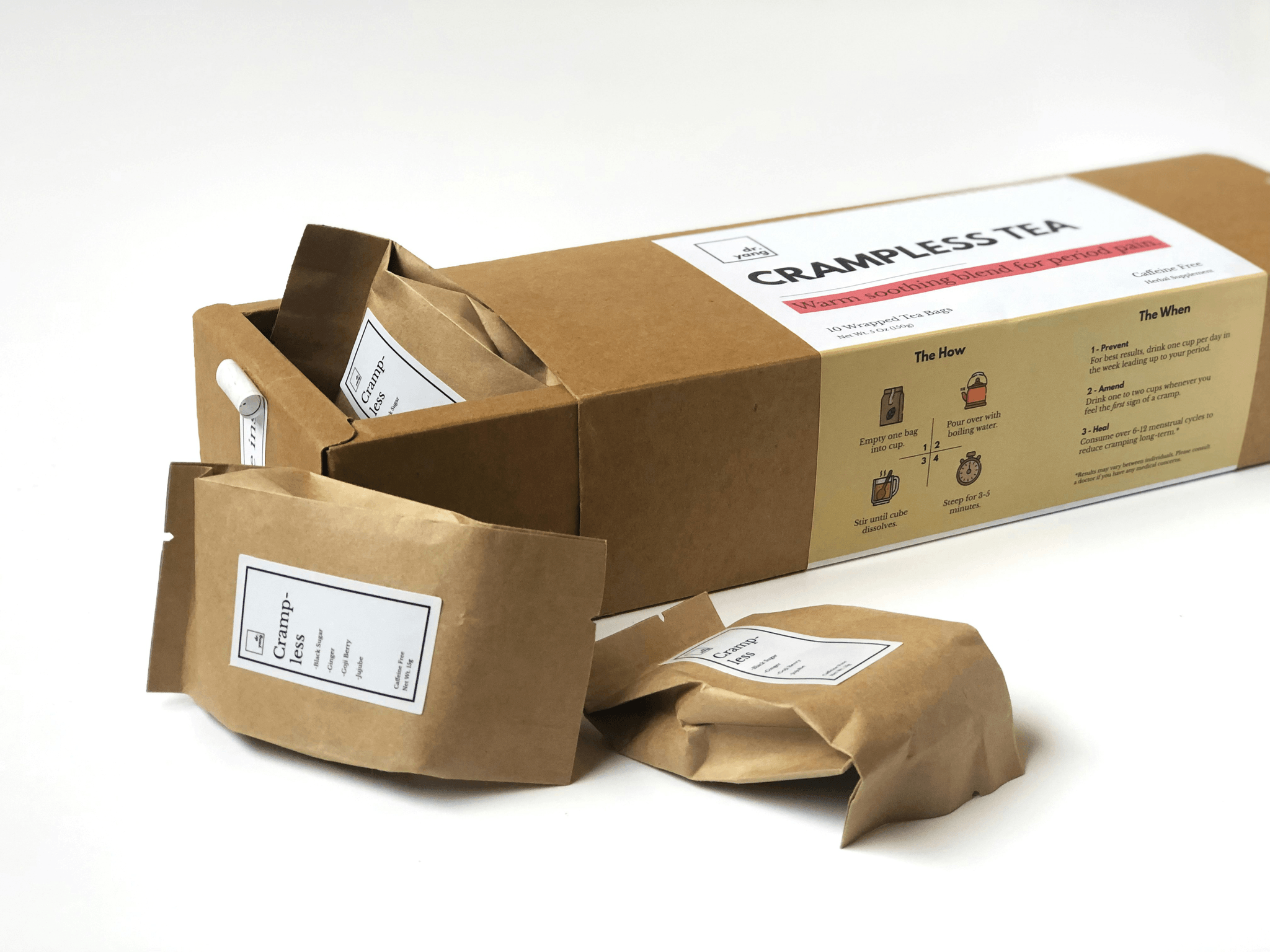
In the world of ecommerce, ensuring that your products arrive in perfect condition is paramount. Sample checks serve as a crucial step in this process, acting as the gatekeepers of quality before your products hit the market. By implementing robust sample checks, businesses can significantly mitigate risks associated with packaging failures and enhance customer satisfaction.
How to Check Your Sample Effectively
First, ensure that you verify appropriate sealing methods; this not only safeguards the product but also reflects your commitment to quality in ecommerce packaging vs. retail contexts. Once sealed, conduct a carton drop test to simulate real-world shipping conditions—this will help you identify any weaknesses in your packaging design before it reaches customers.
Next, focus on clear branding throughout the sample check process. Your samples should not only protect the product but also convey your brand’s identity effectively; after all, first impressions matter! Finally, document any discrepancies or issues found during the sample check so that improvements can be made before mass production begins.
The Benefits of Pre-Shipment Inspections
Pre-shipment inspections are a vital component of ecommerce quality control that can save you from costly mistakes down the line. By conducting these inspections, you can catch potential issues with packaging early on—whether it's improper sealing or inadequate branding—that could lead to negative customer experiences. This proactive approach allows for adjustments before products are shipped out, ensuring they meet both ecommerce and retail standards.
Moreover, pre-shipment inspections provide peace of mind for both sellers and buyers alike; knowing that each package has been thoroughly checked boosts confidence in your brand’s reliability. It also reduces return rates and increases customer loyalty by ensuring that every order arrives just as expected—no surprises here! Ultimately, embracing pre-shipment inspections enhances your reputation across both ecommerce platforms and traditional retail environments.
Case Study: Mistakes to Avoid
Consider a case where an online retailer overlooked their sample checks entirely before launching a new product line—an oversight that led to disastrous results! Customers received packages with inadequate sealing methods which resulted in damaged goods upon arrival; complaints flooded in faster than they could respond! This unfortunate situation underscores how critical it is to check your sample effectively and implement rigorous quality control measures.
One key mistake was failing to conduct carton drop tests on their packaging design prior to shipment; had they done so, they would have realized their boxes couldn’t withstand typical shipping challenges. Additionally, neglecting clear branding left customers confused about who they were buying from—a major faux pas in today’s competitive landscape! Learning from such mistakes highlights not only the importance of comprehensive sample checks but also how essential it is for brands operating within both ecommerce and retail sectors.
Bridging the Gap Between Ecommerce and Retail
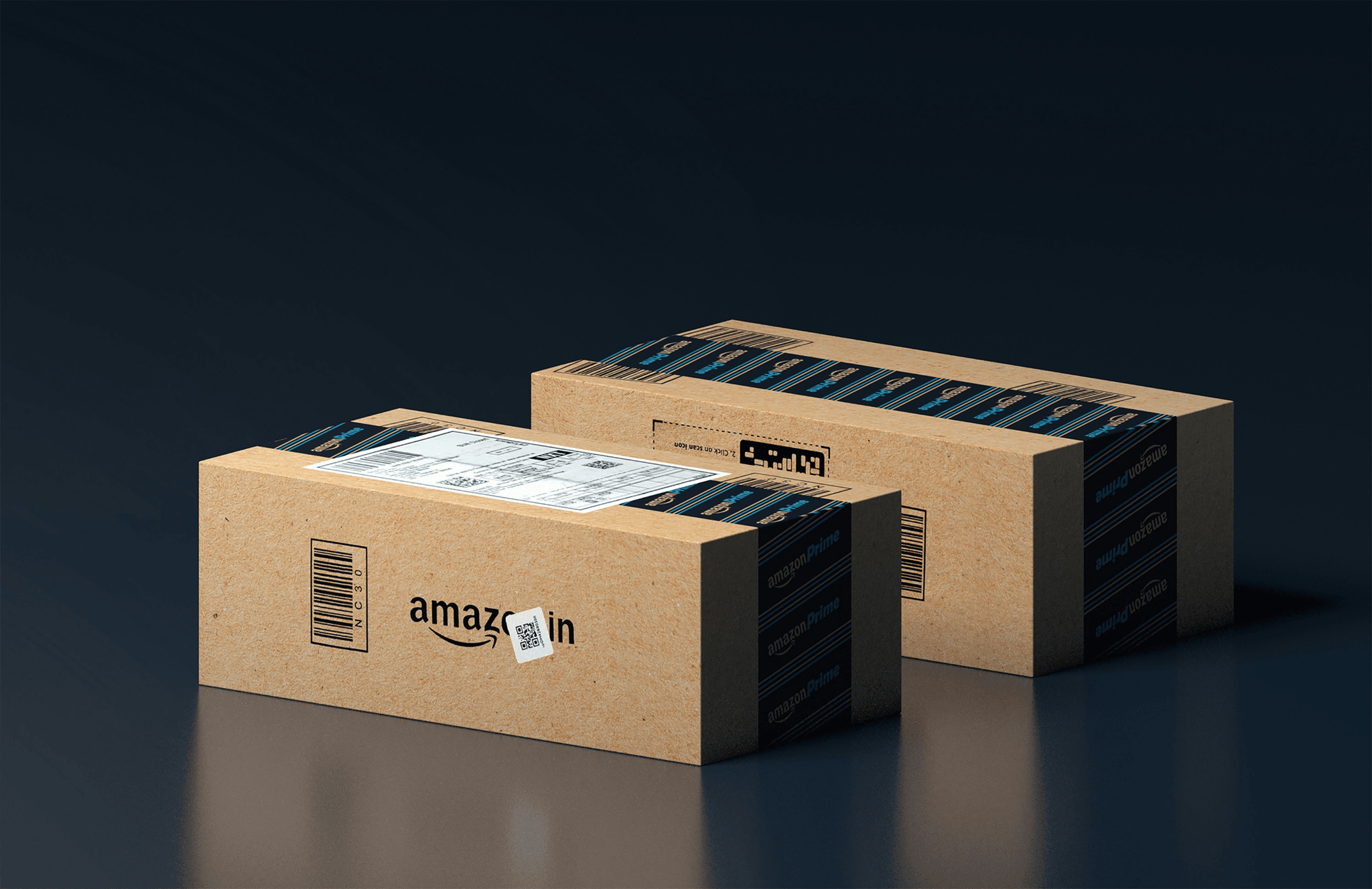
In today's fast-paced market, the lines between ecommerce packaging and retail packaging are increasingly blurred. Both sectors face similar challenges, yet they also have unique requirements that can complicate matters. Understanding how to bridge these gaps is essential for brands looking to succeed in both arenas.
Can Retail Standards Apply to Ecommerce?
Absolutely! Many principles of retail packaging can be adapted for ecommerce, especially when it comes to clear branding and ensuring a memorable unboxing experience. For instance, while retail focuses on shelf appeal, ecommerce must prioritize the integrity of items during transit; this means verifying appropriate sealing methods is crucial to prevent damage.
Moreover, retailers often employ carton drop tests to ensure their products withstand the rigors of shipping. These tests can be equally beneficial for ecommerce businesses looking to maintain quality control throughout the delivery process. Ultimately, applying retail standards in an ecommerce context can elevate brand perception and customer satisfaction.
The Future of Packaging in Both Sectors
As technology advances and consumer expectations evolve, the future of packaging in both ecommerce and retail looks promising yet challenging. We are likely to see an increased emphasis on sustainability as brands seek eco-friendly materials that resonate with environmentally conscious consumers. This shift will necessitate a reevaluation of current practices across both sectors.
Additionally, innovations such as smart packaging—integrating QR codes or NFC technology—will become more prevalent, allowing brands to engage customers directly through their packaging. By harmonizing efforts between ecommerce quality control and retail standards, businesses can create cohesive experiences that delight customers from purchase through delivery.
Strategies for Harmonizing Standards
To successfully harmonize standards between ecommerce and retail packaging, brands should focus on three key strategies: consistency in branding, robust quality control processes, and effective communication with suppliers. First off, clear branding should be evident across all platforms; whether a product is displayed on a shelf or shipped directly to a consumer's door, brand identity needs to shine through.
Next up is quality control—brands should implement rigorous checks at every stage of production including sample checks before shipment. This ensures that products meet established standards regardless of where they will ultimately be sold; after all, nobody wants a surprise when they open their package! Lastly, fostering strong relationships with suppliers will facilitate smoother transitions between different types of packaging requirements while maintaining high-quality expectations.
Conclusion

In the bustling world of ecommerce, effective packaging is not just a necessity; it’s a strategic advantage. The way products are packaged can significantly influence customer perceptions and purchasing decisions. Understanding the nuances of Ecommerce Packaging vs. Retail is crucial for businesses aiming to thrive in both arenas.
The Importance of Effective Packaging
Effective packaging serves as the first point of contact between your product and potential customers, making it essential for building a strong brand identity. Clear branding on packages helps consumers quickly recognize your product amidst the sea of options available online and in retail stores. Moreover, verifying appropriate sealing methods ensures that your products arrive safely at their destination, reducing returns and enhancing customer satisfaction.
Enhancing Brand Image Through Quality
Quality control plays a pivotal role in shaping how consumers view your brand, especially when comparing Ecommerce Packaging vs. Retail standards. High-quality packaging not only protects your products but also communicates professionalism and attention to detail to customers. By prioritizing quality control measures like carton drop tests and pre-shipment inspections, brands can reinforce their image as reliable and trustworthy.
Lasting Impact of Quality Control on Success
The impact of robust Ecommerce Quality Control extends far beyond immediate sales; it lays the foundation for long-term success and customer loyalty. By consistently checking your samples before shipment, you minimize risks associated with faulty packaging that could tarnish your reputation or lead to financial losses. In an increasingly competitive landscape, businesses that invest in quality control will find themselves standing out in both ecommerce and retail markets.