
Introduction
Navigating the intricate world of manufacturing in China can be a daunting task, especially when it comes to ensuring product quality. China quality control inspection is a critical component that helps businesses maintain high standards and meet customer expectations. Understanding the nuances of quality assurance and the role it plays in manufacturing is essential for success in today’s competitive market.
Understanding China Quality Control Inspection
China quality control inspection involves systematic processes designed to ensure products meet specified quality standards before they reach consumers. This process encompasses various methods, including visual checks, functional testing, and compliance assessments, all tailored to identify defects or inconsistencies early on. By understanding these inspection services, businesses can better protect their investments and enhance their reputation.
Importance of Quality Assurance in Manufacturing
Quality assurance is not merely an afterthought; it's a vital part of the manufacturing process that contributes significantly to overall operational efficiency. Implementing robust quality control measures helps prevent costly recalls and enhances customer satisfaction by delivering reliable products consistently. In an era where consumers are increasingly discerning, prioritizing quality assurance can set a brand apart from its competitors.
The Role of Quality Control Inspectors
Quality control inspectors are the unsung heroes behind successful manufacturing operations, acting as gatekeepers who ensure that products comply with established standards. Their expertise allows them to identify potential issues that may arise during production and recommend corrective actions before products ship out. By leveraging their insights into quality control and quality assurance practices, businesses can foster stronger relationships with suppliers while minimizing risks associated with product defects.
The Basics of Quality Control
Quality control is a vital process in manufacturing that ensures products meet specific standards of quality and performance. It encompasses various activities designed to monitor and maintain the quality of goods produced, particularly in industries reliant on China quality control inspection. Quality assurance, on the other hand, is a broader concept that focuses on ensuring that processes are in place to achieve desired outcomes consistently.
Defining Quality Control and Quality Assurance
Quality control and quality assurance are often used interchangeably, but they serve distinct purposes within manufacturing. Quality control refers specifically to the operational techniques and activities used to fulfill requirements for quality within products or services. In contrast, quality assurance encompasses the entire process design aimed at preventing defects through systematic monitoring and evaluation of production processes.
Understanding the difference between these two concepts is crucial for businesses engaged in international trade or those utilizing inspection services. Effective quality control relies heavily on well-defined quality assurance practices that set the stage for successful product outcomes. This synergy not only enhances product reliability but also builds consumer trust.
Key Components of Quality Control Inspection
A thorough quality control inspection involves several key components designed to ensure compliance with established standards. These components include visual inspections, functional testing, measurements against specifications, and documentation reviews conducted by qualified quality control inspectors. Each aspect plays a crucial role in identifying potential defects before products reach consumers.
Moreover, effective communication during inspections can significantly influence outcomes; inspectors need clear guidelines from manufacturers about expectations and tolerances for their products. By integrating these elements into a comprehensive inspection strategy, companies can effectively mitigate risks associated with poor-quality goods entering the market. Ultimately, this leads to enhanced customer satisfaction and loyalty.
How Quality Assurance Inspection Fits In
Quality assurance inspection serves as a critical link between production processes and final product delivery by ensuring compliance with both internal standards and regulatory requirements. It provides an overarching framework within which individual inspections occur—offering consistency across various stages of production while focusing on continuous improvement efforts in manufacturing practices.
Incorporating regular quality assurance inspections into your supply chain management not only helps identify issues early but also fosters an environment where suppliers are motivated to uphold high-quality standards consistently. This proactive approach can significantly reduce costs associated with returns or recalls due to faulty products while enhancing overall brand reputation in competitive markets like China’s manufacturing landscape.
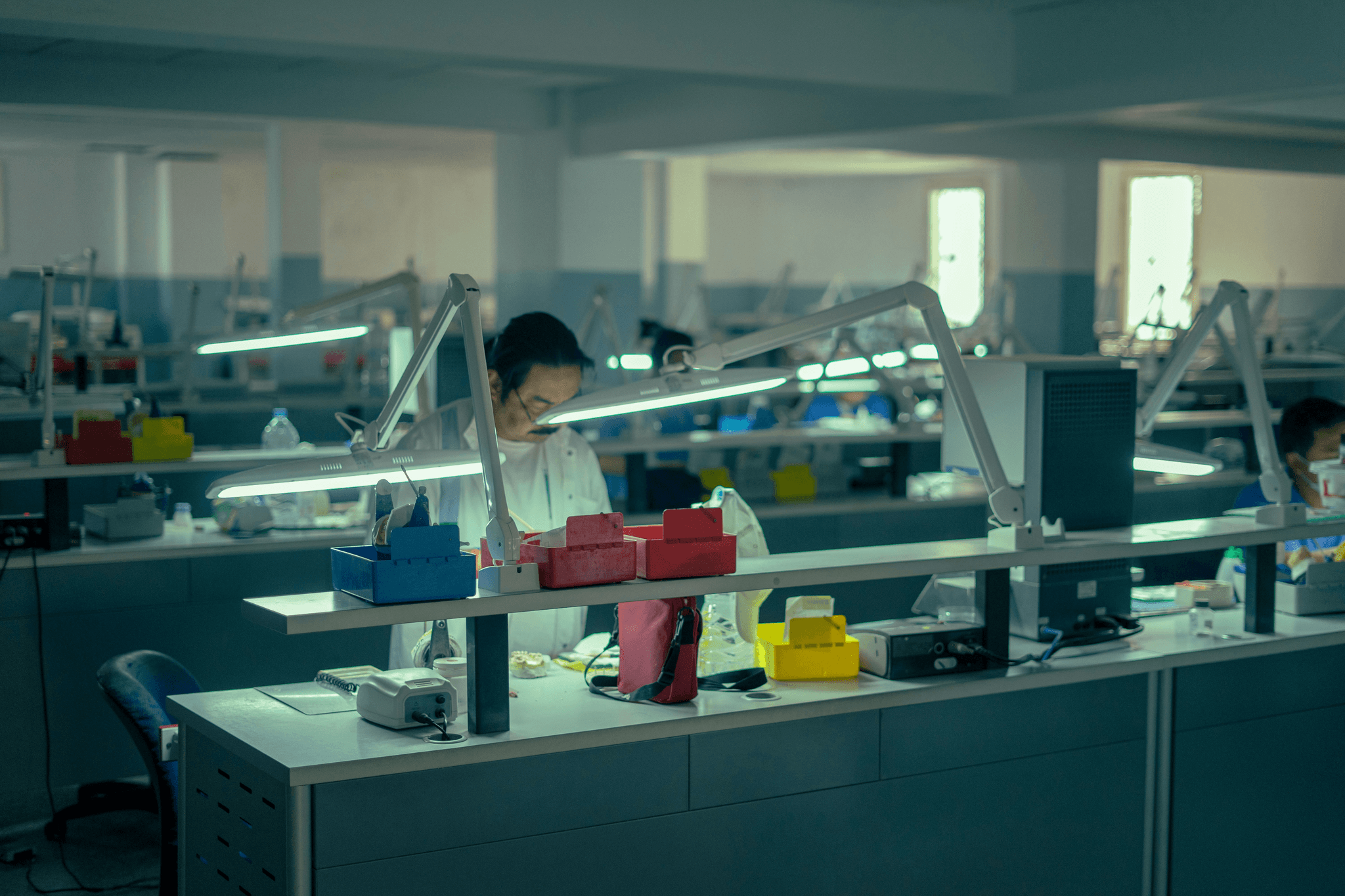
[Image description=quality control inspector reviewing products at a factory site, checklist in hand, inspecting items closely under bright lighting conditions, focus on attention to detail], Image name=quality_control_inspection_scene, Alt tag=china quality control inspection process being conducted by inspector
Choosing the Right Inspection Services
When it comes to ensuring your products meet the highest standards, selecting the right inspection services is crucial. This choice can significantly impact your overall quality assurance strategy, especially in a complex manufacturing environment like China. With a myriad of options available, understanding how to evaluate these services will help you make informed decisions that safeguard your brand's reputation.
Evaluating Quality Inspection Companies
Evaluating quality inspection companies requires a keen eye for detail and an understanding of what constitutes effective china quality control inspection. Start by examining their credentials—look for certifications and experience in your specific industry, as these factors often indicate reliability and expertise in quality control and quality assurance practices. Additionally, consider their track record; client testimonials and case studies can provide valuable insights into their effectiveness in delivering quality inspection services.
Don't forget to assess the company's approach to communication and transparency during inspections. A good inspection service should provide clear reports detailing findings and recommendations, ensuring you are fully informed about any issues related to product quality. By prioritizing these aspects when evaluating potential partners, you can find a company that aligns with your vision for maintaining high-quality standards.
What to Look for in Quality Control Inspectors
Selecting the right quality control inspector is just as important as choosing an inspection service itself. Look for inspectors who possess not only technical skills but also strong analytical abilities—these qualities are essential for conducting thorough inspections that uphold stringent quality assurance standards. Moreover, familiarity with both local regulations and international compliance requirements ensures that inspectors can navigate the complexities of china quality control inspection effectively.
Soft skills should not be overlooked either; effective communication is vital when discussing findings with suppliers or stakeholders involved in the process. Your ideal inspector should be able to articulate issues clearly while providing constructive feedback that encourages improvement rather than simply pointing out faults in products or processes. Ultimately, finding a well-rounded inspector will enhance your overall experience with quality control inspections.
Benefits of Using China Inspection Pro
Choosing China Inspection Pro offers numerous advantages for businesses seeking reliable quality assurance solutions within China's manufacturing landscape. First off, their extensive network of qualified inspectors brings invaluable local expertise to every project—ensuring compliance with both domestic regulatory standards and international best practices in quality control inspection processes. This localized knowledge translates into more efficient inspections tailored specifically to your needs.
Furthermore, China Inspection Pro prides itself on transparency throughout the entire process—from pre-inspection planning through post-inspection reporting—allowing clients to stay informed every step of the way regarding their products' status during china quality control inspection procedures. Their commitment to customer satisfaction means they consistently strive for excellence while adapting services based on client feedback—a rarity among many competitors.
Lastly, partnering with China Inspection Pro helps build trust between manufacturers and clients by fostering open lines of communication about product expectations and improving overall accountability throughout production cycles via comprehensive reporting systems designed around effective collaboration strategies focused on achieving shared goals related directly back towards enhancing product standards through rigorous yet fair evaluations during each phase leading up until delivery completion!
Preparing for an Inspection
Preparing for a quality control inspection in China requires careful planning and organization. The success of your quality assurance efforts hinges on how well you manage this phase. By focusing on essential documentation, effective communication with your supplier, and setting clear quality standards, you can streamline the inspection process and enhance the overall effectiveness of your quality control.
Essential Documentation for Quality Control
Documentation is the backbone of any successful china quality control inspection. It provides a roadmap for what to expect during the inspection process and ensures that all parties are on the same page regarding quality expectations. Key documents include product specifications, previous inspection reports, and compliance certifications—each serving as a vital reference point for both you and your quality control inspector.
Without proper documentation, misunderstandings can arise easily during inspections, leading to potential delays or disputes about product quality. Ensure that all relevant information is readily accessible to facilitate a smooth inspection experience. Remember, thorough documentation not only aids in the current inspection but also lays the groundwork for future quality assurance efforts.
Communication with Your Supplier
Effective communication with your supplier is crucial when preparing for a china quality control inspection. Clear dialogue helps ensure that both parties understand expectations regarding product standards and any specific requirements tied to the quality assurance process. Establishing open lines of communication will allow you to address concerns proactively and foster a collaborative atmosphere.
Scheduling regular check-ins prior to the inspection can help clarify any uncertainties about product specifications or logistics involved in the inspection services you’ve chosen. Additionally, encouraging feedback from your supplier can provide valuable insights into potential challenges they might face during inspections or areas where they need support from you as their client. This proactive approach not only enhances cooperation but also reinforces trust between partners.
Setting Clear Quality Standards
Setting clear quality standards is essential when preparing for a successful china quality control inspection. Clearly defined parameters serve as benchmarks against which products will be evaluated during inspections—these standards should encompass everything from material specifications to performance criteria. By establishing these guidelines upfront, you create an objective framework that guides both production processes and evaluation methods used by your quality control inspector.
It's important to involve all stakeholders in this process—from design teams to suppliers—to ensure alignment on what constitutes acceptable product quality within your industry context. Regularly reviewing these standards against market trends can help keep them relevant while also ensuring compliance with evolving regulatory requirements tied to the broader landscape of global commerce. Ultimately, having robust and transparent standards will lead to better outcomes during inspections while enhancing overall customer satisfaction through consistent product delivery.
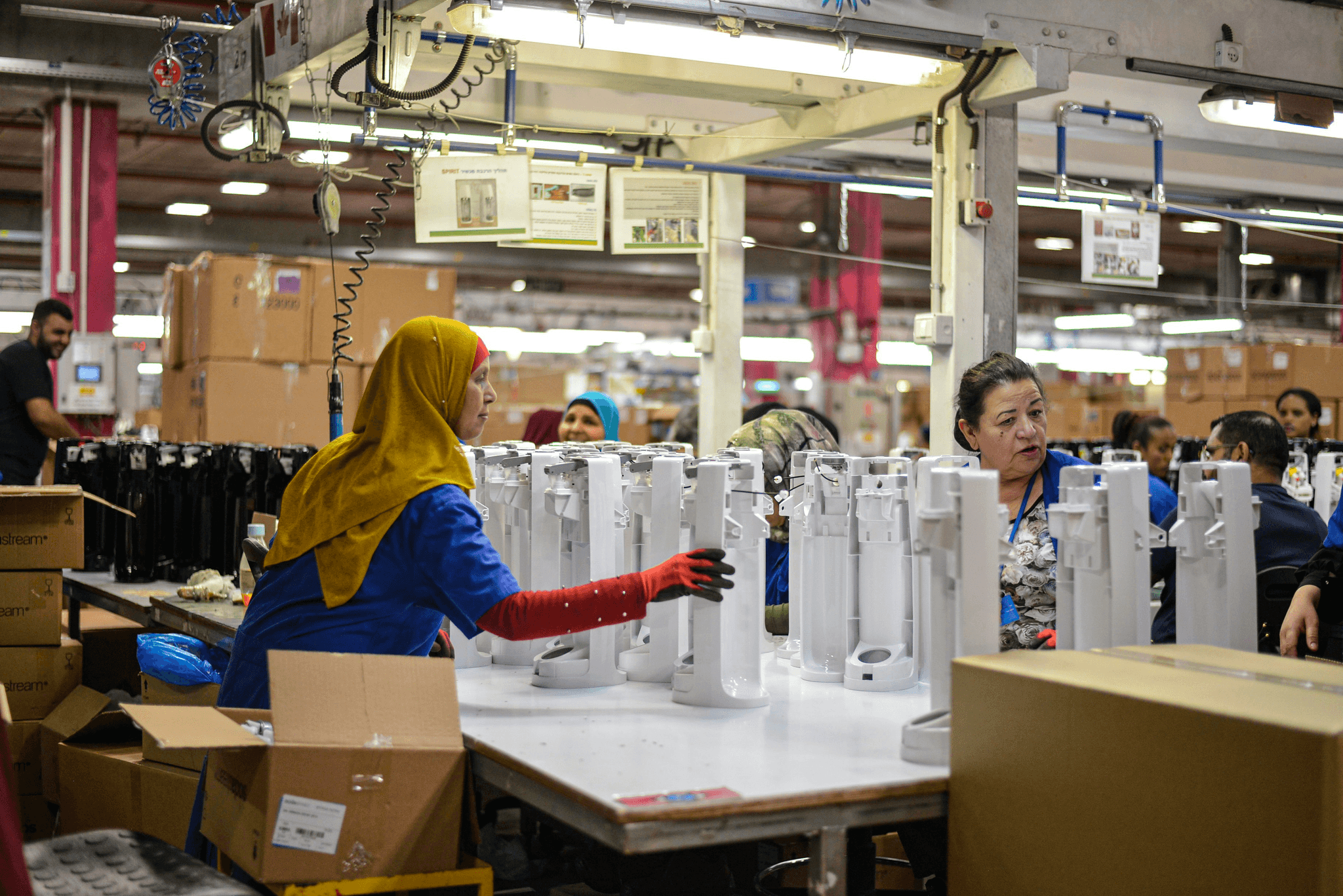
[Image description=quality control inspector examining products at factory site, checklist in hand, workers observing closely, bright lighting illuminating workspace, various manufactured items displayed neatly], Image name=quality_control_inspection_factory_scene, Alt tag=china quality control inspection process being conducted by inspector
Common Pitfalls in China Quality Control Inspection
Navigating the landscape of quality control in China can be a daunting task, especially when misunderstandings and cultural nuances come into play. Many businesses find themselves facing common pitfalls that can jeopardize their quality assurance efforts. By being aware of these challenges, companies can better prepare for successful inspection services.
Misunderstandings in Quality Expectations
One of the most frequent issues encountered during china quality control inspection is a misunderstanding of quality expectations between manufacturers and clients. Different industries have varying standards, and what one party considers acceptable may not meet the other's criteria. Clear communication about quality control and quality assurance standards is essential to avoid costly mistakes down the line.
To bridge this gap, it’s crucial to establish detailed specifications before production begins. This includes defining product features, materials, and acceptable tolerances that align with both parties’ expectations. By ensuring everyone is on the same page, businesses can minimize discrepancies during inspections and enhance overall satisfaction with the final product.
Overlooking Cultural Differences
Cultural differences play a significant role in how business is conducted in China, especially concerning quality inspection practices. What may seem like a straightforward request could be interpreted differently due to varying communication styles or business etiquette. Failure to recognize these differences can lead to misaligned expectations regarding quality assurance inspection results.
Taking time to understand Chinese business culture can provide valuable insights into how suppliers operate and communicate about quality control processes. For instance, building relationships through face-to-face meetings may yield better results than relying solely on emails or phone calls. Embracing cultural awareness not only improves interactions but also fosters trust between parties involved in china quality control inspection.
Ignoring Compliance and Regulatory Standards
In today's global market, compliance with local regulations is paramount for any successful manufacturing operation—especially when conducting inspections overseas. Ignoring compliance requirements during china quality control inspection can lead to severe repercussions such as fines or product recalls that tarnish a brand's reputation. Understanding applicable regulations ensures that products meet safety standards while adhering to local laws.
Quality control inspectors must be well-versed in both international standards and local regulations relevant to their industry sector; this knowledge helps prevent unnecessary complications during inspections. Collaborating with reputable inspection services that specialize in regulatory compliance will further safeguard against potential pitfalls associated with oversight or ignorance of these critical factors. Ultimately, prioritizing compliance not only protects your investment but also reinforces your commitment to excellence through rigorous quality assurance practices.
Post-Inspection Strategies
Once the dust has settled after a china quality control inspection, it’s time to dive into the post-inspection phase. This stage is crucial for ensuring that the insights gathered during the inspection are effectively utilized. By focusing on analyzing inspection reports, implementing recommendations, and nurturing relationships with suppliers, businesses can enhance their quality assurance processes and avoid pitfalls in future inspections.
Analyzing Inspection Reports
Analyzing inspection reports is where all those numbers and notes come to life. Quality control inspectors provide detailed insights that can highlight not just what went wrong but also what went right during the quality assurance inspection. By carefully reviewing these documents, companies can identify trends in product defects or compliance issues that may need addressing in future production runs.
Moreover, understanding these reports allows businesses to gauge whether their current quality control measures are effective or if adjustments are necessary. It’s essential to focus on both quantitative data—like defect rates—and qualitative feedback from inspectors about potential improvements. This comprehensive analysis will help ensure that your manufacturing process meets high standards of quality control and quality assurance.
Implementing Recommendations for Improvement
Once you've dissected those reports like a pro, it's time to roll up your sleeves and implement the recommendations for improvement. Quality assurance isn't just about identifying flaws; it's about taking actionable steps based on findings from your china quality control inspection. Whether it's tweaking production processes or investing in better materials, each recommendation should be treated as an opportunity for growth.
Incorporating feedback not only enhances product standards but also demonstrates a commitment to quality control among your team and suppliers alike. Regular follow-ups on these implementations can foster accountability and ensure that changes have been effectively integrated into operations. Remember, continuous improvement is key in maintaining high-quality outputs while building trust with your partners.
Building Lasting Relationships with Suppliers
Building lasting relationships with suppliers is often underrated but incredibly vital in maintaining effective quality assurance practices over time. The better you know your supplier's operations and challenges, the more effectively you can work together toward shared goals of excellence in product standards through regular inspections and open communication channels.
A strong relationship means being transparent about expectations regarding quality control and fostering dialogue around any potential issues identified during inspections—after all, collaboration often leads to innovative solutions! When suppliers feel valued as partners rather than mere vendors, they’re more likely to prioritize adherence to agreed-upon standards during production runs.
Conclusion
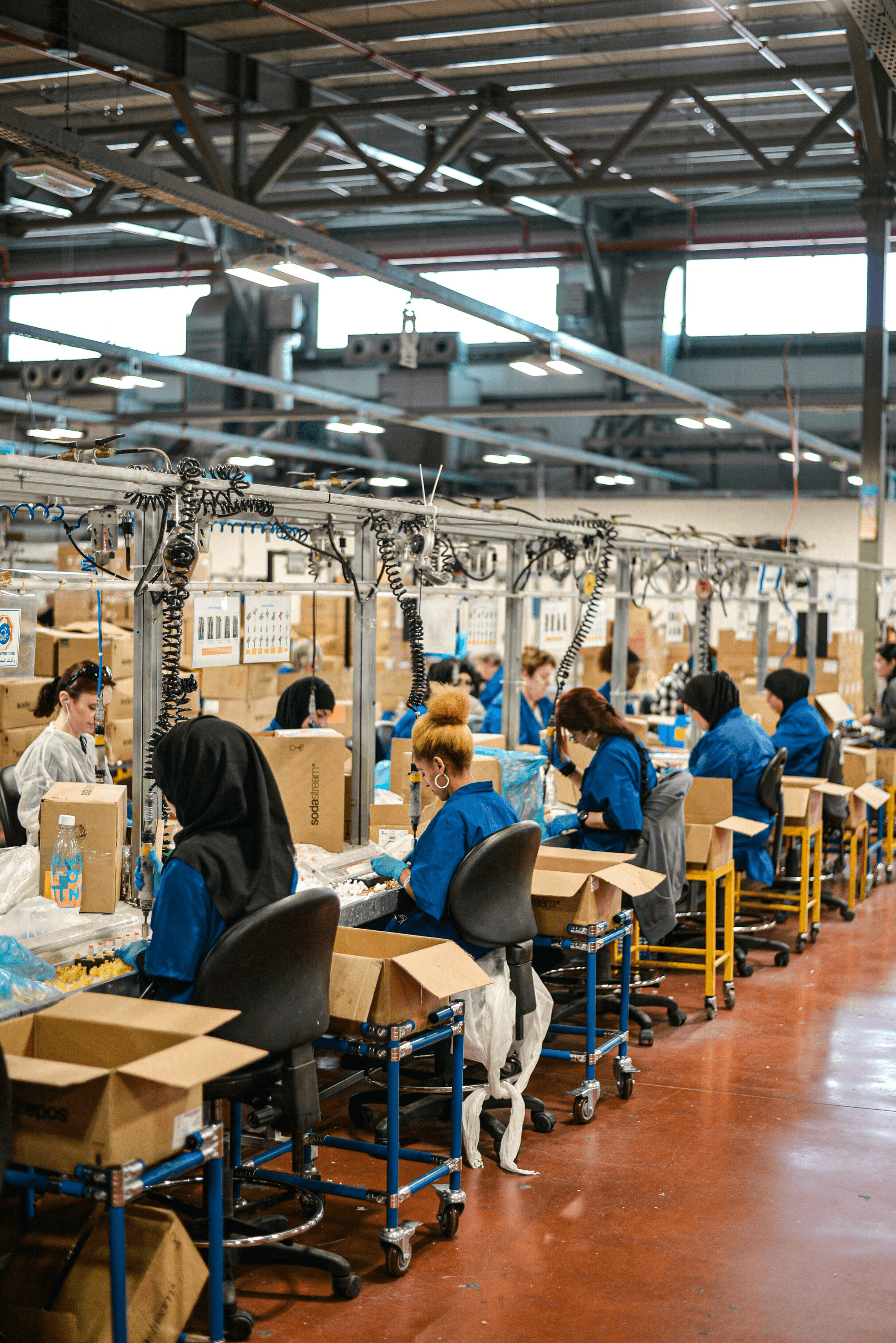
In the world of manufacturing, the importance of quality control cannot be overstated. The right china quality control inspection processes can significantly impact your product's success in the marketplace. By understanding and implementing effective quality assurance practices, businesses can ensure that their products meet both regulatory standards and customer expectations.
Maximizing the Impact of Quality Control
To maximize the impact of quality control, it's crucial to integrate robust inspection services into your manufacturing process. Quality control inspectors play a pivotal role in identifying defects early, which not only saves time but also resources in the long run. When companies prioritize quality assurance alongside production, they cultivate an environment where excellence is expected and achieved consistently.
Enhancing Product Standards through Inspection
Quality assurance inspection serves as a safeguard for product standards, ensuring that every item meets specified criteria before reaching consumers. By utilizing effective china quality control inspection techniques, manufacturers can enhance overall product reliability and performance. This proactive approach not only minimizes returns but also elevates brand reputation by delivering high-quality goods to market.
Building Trust with Quality Assurance Practices
Establishing trust with suppliers is essential for any successful business relationship, and this is where quality assurance practices come into play. Consistent engagement with your quality control inspector fosters transparency and accountability throughout the supply chain. As you build these relationships based on mutual respect for quality control and quality assurance principles, you create a solid foundation for future collaborations.