
Introduction
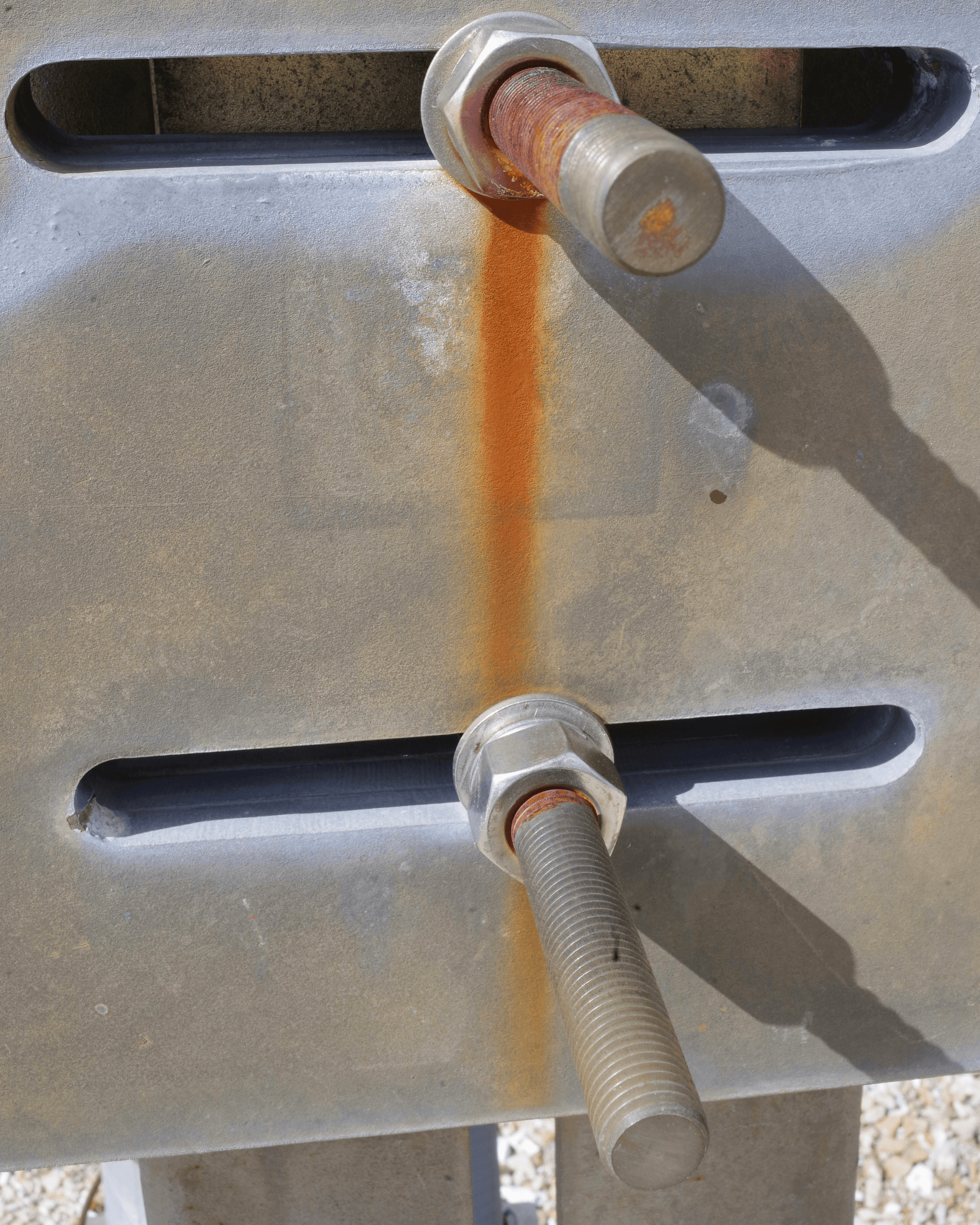
Understanding the ins and outs of Welding Procedure Specification is crucial for ensuring high-quality welds in industrial settings. This document acts as the blueprint for how welding should be performed, encompassing essential variables that directly impact the final outcome. When properly developed and followed, a Welding Procedure Specification helps streamline production and minimizes costly rework.
A key component of maintaining welding quality is understanding the importance of procedure qualification records. These records serve as proof that a specific welding procedure has been tested and proven to produce reliable results, especially when considering essential variables. Additionally, welding performance qualification tests confirm that welders can execute the procedure successfully under real-world conditions, reinforcing confidence in the entire process.
China Inspection Pro plays a vital role in ensuring compliance with industry standards through meticulous evaluation of Welding Procedure Specifications and associated documentation. By verifying procedure qualification records and assessing welding performance qualifications, they help companies meet rigorous regulatory requirements. Their expertise guarantees that each weld not only meets safety standards but also achieves optimal durability and integrity.
Understanding Welding Procedure Specification in Industry
A Welding Procedure Specification (WPS) is more than just a document; it’s the foundation for consistent, high-quality welding across industries such as construction, manufacturing, and energy. It details essential variables like materials, welding techniques, and testing methods to ensure every weld adheres to strict standards. A well-crafted WPS incorporates all necessary information to guide welders safely through complex procedures while satisfying regulatory demands.
Why Essential Variables Matter in Welding Quality
Essential variables are the key factors within a WPS that influence weld quality significantly—they’re like the secret ingredients in grandma’s recipe for perfection. Changes to these variables without proper approval can jeopardize structural integrity or cause failures down the line. That’s why understanding how essential variables impact both procedure qualification records and overall welding performance qualification is critical for maintaining industry standards.
How China Inspection Pro Ensures Welding Compliance
China Inspection Pro specializes in verifying that your Welding Procedure Specification aligns with international standards by thoroughly reviewing your procedure qualification records and testing data related to essential variables. They evaluate whether your welding performance qualifications meet stringent criteria before certifying compliance—saving you from costly setbacks later on. Partnering with them ensures your project adheres to all regulatory requirements while optimizing quality assurance processes through expert oversight of essential variables influencing your WPS.
Decoding Essential Variables in WPS
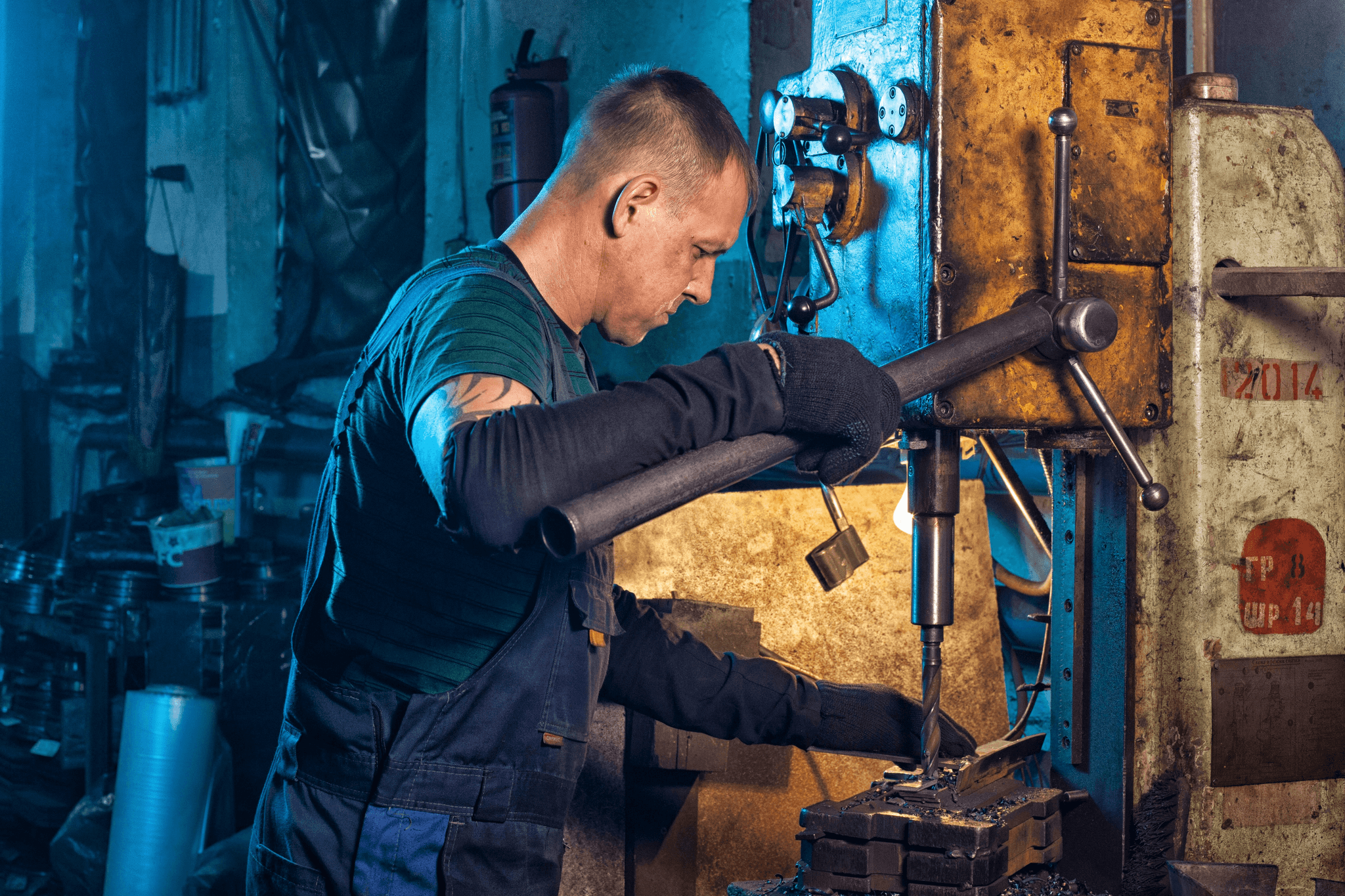
Understanding what makes a variable essential in welding is crucial for maintaining high-quality standards. In the context of a Welding Procedure Specification (WPS), essential variables are those parameters that, if changed, could significantly affect the weld’s integrity and performance. These variables are critical to the procedure qualification record because they ensure that every weld meets industry standards and performs reliably under specified conditions.
Essential variables can include things like welding heat input, electrode type, preheat temperature, and interpass temperature. Changes to these variables without proper review might compromise the welded joint’s strength or corrosion resistance. Therefore, identifying which variables are essential helps welders and inspectors manage the welding process effectively, ensuring adherence to both the WPS and the welding performance qualification requirements.
The impact of correctly managing essential variables extends beyond just meeting standards; it directly influences the success of each weld. Proper control over these variables during welding ensures that the procedure qualification record remains valid and that any subsequent welds maintain consistent quality. Ultimately, understanding and controlling essential variables is key to achieving reliable results in any welding project.
The Role of Procedure Qualification Record

The procedure qualification record (PQR) acts as the backbone of a robust Welding Procedure Specification (WPS). It documents the welding performance qualification process, proving that the welding procedures meet industry standards and client requirements. Without a well-maintained PQR, your WPS risks being just words on paper rather than a certified guide to quality welding.
Connecting Procedure Qualification Record and Essential Variables
The connection between the procedure qualification record and essential variables is fundamental; these variables influence the integrity of the entire welding process. When developing a Welding Procedure Specification, understanding which variables are essential ensures that they are properly controlled during qualification testing. This relationship guarantees that any changes to these critical factors are reflected in the PQR, maintaining compliance and consistent weld quality.
How Procedure Qualification Records Validate WPS
Procedure qualification records validate your Welding Procedure Specification by providing documented evidence that specific welding procedures have been tested and proven effective through rigorous testing methods for welding performance qualification. They serve as proof that all essential variables were correctly managed during testing, ensuring that the WPS can reliably produce welds meeting industry standards. Essentially, a comprehensive PQR transforms your WPS from theoretical to certified practice, reducing rework and boosting confidence among inspectors.
Benefits of Proper Procedure Qualification
Proper procedure qualification through meticulous documentation in the procedure qualification record offers numerous benefits—chief among them is enhanced weld quality assurance. When your WPS is backed by a solid PQR, it minimizes risks related to non-compliance or weld failure, saving time and costs in the long run. Moreover, it streamlines certification processes with regulatory bodies like AWS or ASME, making sure every weld passes muster on first inspection.
Key Welding Performance Qualification Aspects
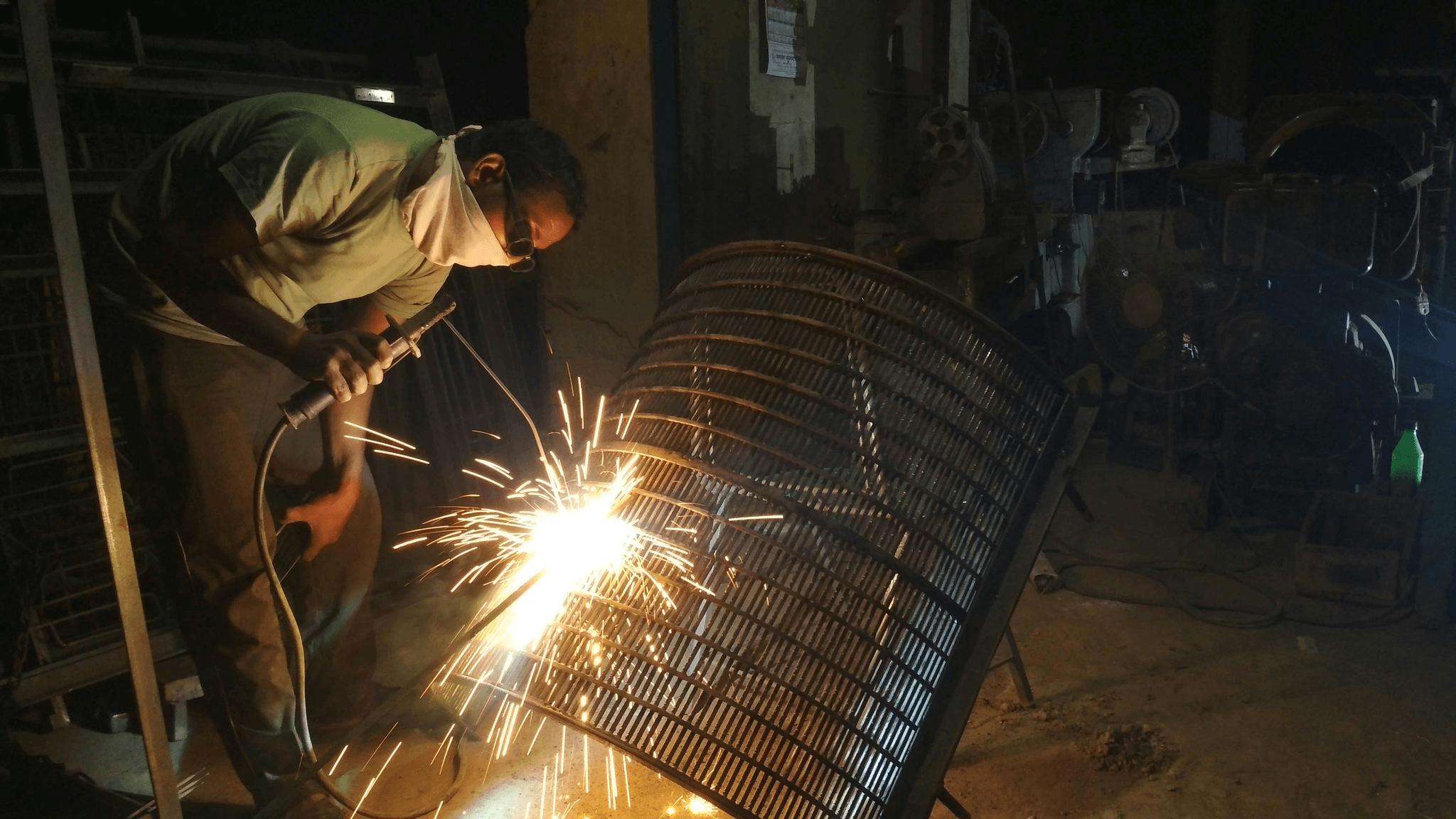
Achieving top-notch welding performance requires a comprehensive understanding of how Welding Procedure Specification (WPS) influences the final outcome. The process hinges on meticulous procedure qualification records that verify the WPS's effectiveness under real-world conditions. When properly documented, these records serve as proof that the welding process consistently meets industry standards, ensuring reliable and high-quality welds.
Ensuring Welding Performance Meets Standards
To ensure welding performance aligns with industry standards, organizations must rigorously adhere to their Welding Procedure Specification. The procedure qualification record plays a vital role here, providing documented evidence that the WPS has been tested and validated for specific applications. By maintaining strict control over essential variables within the WPS, companies can prevent deviations that might compromise weld integrity and pass performance tests with flying colors.
Testing Methods for Welding Performance Qualification
Welding performance qualification involves a series of testing methods designed to scrutinize weld quality against set criteria outlined in the procedure qualification record. Common tests include tensile, bend, impact, and nondestructive examinations—all aimed at verifying that the welds meet or exceed required standards. These testing methods are directly influenced by the essential variables defined in your Welding Procedure Specification; any change here could alter test outcomes and require re-qualification.
How Essential Variables Influence Performance Outcomes
Essential variables embedded within your Welding Procedure Specification directly impact welding performance outcomes by dictating critical parameters like heat input, filler material type, or preheat temperature. Any variation in these essential variables can lead to inconsistent weld quality or failure during performance qualification tests—highlighting their importance in maintaining process stability. Properly managing these variables ensures your procedure qualification record remains valid and your welding results consistently meet or surpass expectations.
Industry Standards and Regulatory Bodies
Navigating the world of welding requires more than just a good torch; it demands adherence to established standards that safeguard quality and safety. Industry standards like the Welding Procedure Specification (WPS) serve as the blueprint for consistent, high-quality welds, supported by a solid procedure qualification record. These documents ensure that welding performance qualification aligns with international codes, making compliance a breeze rather than a headache.
AISC and AWS Welding Codes
The American Institute of Steel Construction (AISC) and the American Welding Society (AWS) set the gold standard for welding practices across industries. Their welding codes emphasize the importance of developing a comprehensive Welding Procedure Specification that includes essential variables critical to weld integrity. When companies submit their procedure qualification record in accordance with these codes, they demonstrate that their welding performance qualification meets rigorous safety and quality benchmarks.
ASME Section IX and ISO 15614 Standards
For those venturing into pressure vessels or piping systems, ASME Section IX and ISO 15614 are non-negotiable standards guiding welding procedures worldwide. These standards specify detailed requirements for creating a valid Welding Procedure Specification, including how to document essential variables impacting weld quality. A well-maintained procedure qualification record under these standards not only ensures compliance but also provides proof of consistent welding performance qualification over time.
How China Inspection Pro Supports Compliance
When it comes to navigating complex industry standards like AISC, AWS, ASME, or ISO, China Inspection Pro acts as your reliable partner in compliance assurance. They meticulously review your Welding Procedure Specification and ensure your procedure qualification record aligns with all relevant codes, facilitating seamless certification processes. By supporting proper documentation of essential variables influencing welding performance qualification, China Inspection Pro helps clients meet international standards efficiently while maintaining top-tier weld quality.
Practical Steps to Define and Control Essential Variables
Creating a solid foundation for welding quality begins with developing precise Welding Procedure Specifications (WPS). This document acts as the blueprint for every weld, ensuring that essential variables are correctly identified and controlled. When the WPS aligns with industry standards and incorporates the necessary procedure qualification record, it significantly reduces the risk of defects and rework, paving the way for successful welding performance qualification.
Developing Accurate Welding Procedure Specifications
The first step in controlling essential variables is crafting an accurate Welding Procedure Specification that clearly defines all critical parameters, such as material types, welding positions, and process details. A well-structured WPS not only guides welders but also serves as a reference point during procedure qualification record documentation. Incorporating insights from previous welding performance qualification tests ensures that the specifications are realistic and achievable, fostering consistency across projects.
Managing Changes to Essential Variables
Welding projects often evolve, making it vital to manage any changes to essential variables meticulously. Every modification in the WPS must be evaluated against existing procedure qualification records to ensure continued compliance with industry standards like AWS or ASME codes. Proper control of these variables guarantees that any adjustments do not compromise weld integrity or necessitate requalification efforts, thus maintaining a seamless flow toward successful welding performance qualification.
Documenting and Updating Procedure Qualification Records
Accurate documentation is the backbone of quality assurance in welding. Every update or change in the Welding Procedure Specification should be reflected in the procedure qualification record to maintain traceability and compliance. Regularly reviewing these records ensures they accurately represent current practices and support ongoing welding performance qualification efforts—ultimately reinforcing confidence in weld quality.
Conclusion
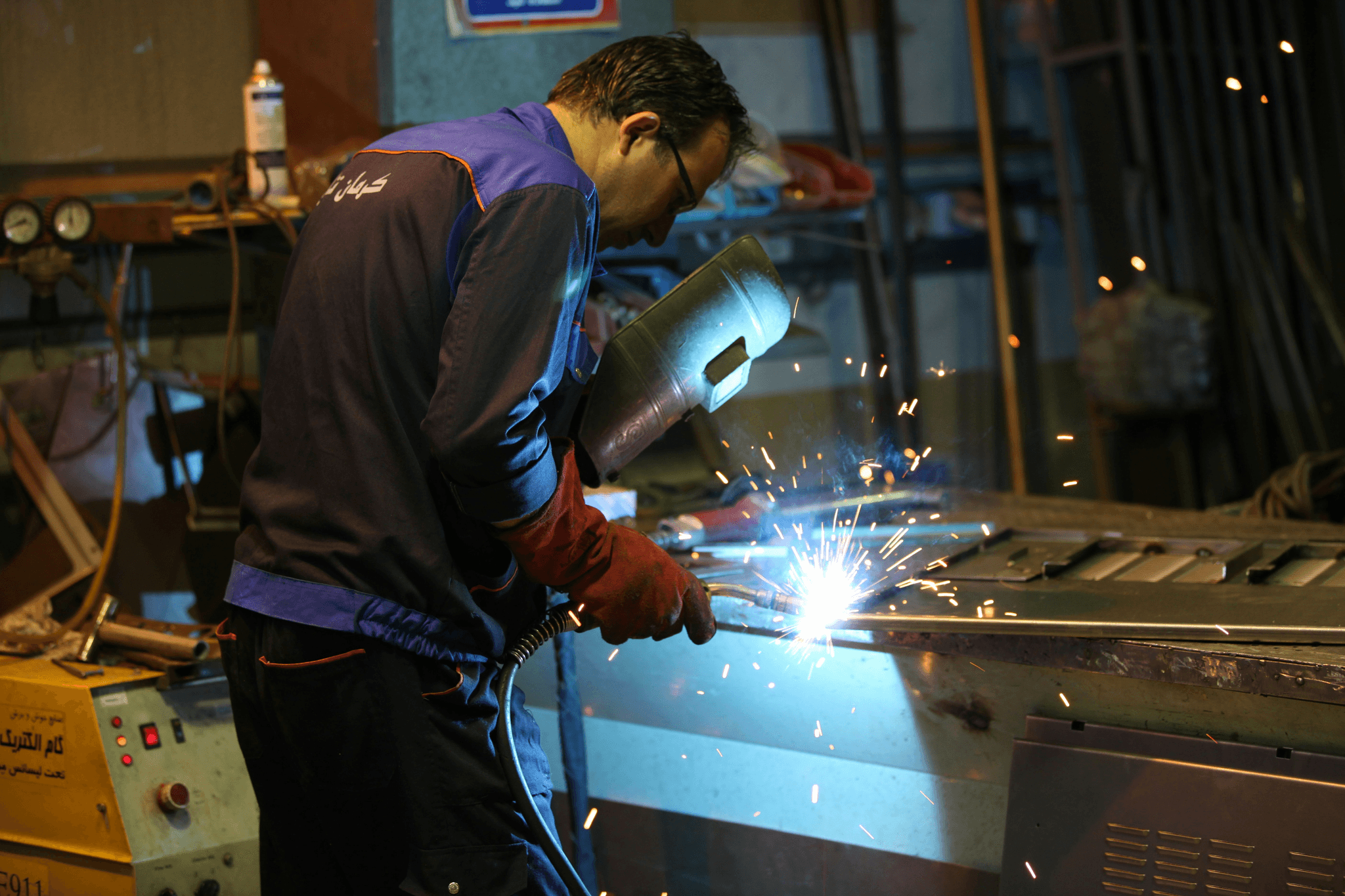
In the world of welding, understanding and managing essential variables within your Welding Procedure Specification (WPS) is paramount for ensuring top-notch quality. A well-crafted procedure qualification record not only validates your WPS but also paves the way for successful welding performance qualification. When these elements are aligned, they serve as the backbone of a reliable quality assurance system that keeps welds strong, compliant, and long-lasting.
The Critical Role of Essential Variables in Quality Assurance
Essential variables are the secret sauce that determines whether a welding process will meet industry standards or fall short. They directly influence the integrity of every weld by controlling factors like temperature, filler material, and welding position—each meticulously documented in your Welding Procedure Specification. Without proper management of these variables through a comprehensive procedure qualification record, even the most skilled welder can produce subpar results; hence, their role in quality assurance cannot be overstated.
How Proper WPS Practices Influence Welding Performance Qualification
A robust Welding Procedure Specification forms the foundation for successful welding performance qualification by clearly defining essential variables and testing parameters. When these practices are followed diligently, they ensure that every weld meets or exceeds performance standards—be it strength, ductility, or corrosion resistance. Properly documenting and updating your procedure qualification record based on real-world tests ensures consistent results across projects and helps you pass demanding inspections with flying colors.
Partnering with China Inspection Pro for Reliable Welding Certification
Partnering with China Inspection Pro elevates your confidence in achieving dependable welding certification by providing expert guidance on defining and controlling essential variables within your Welding Procedure Specification. Their team helps you develop precise procedure qualification records aligned with international standards such as AWS or ASME Section IX, streamlining compliance processes worldwide. With their support, you can confidently demonstrate that your welding performance qualification is backed by rigorous documentation—making certifying bodies nod in approval while keeping your projects on track.