
Introduction
Reciprocating Compressor Inspection isn’t just a routine check—it’s the backbone of reliable, efficient operation. Skipping or rushing through compressor inspection and test plans can lead to costly breakdowns and unexpected downtime. By understanding the scope of reciprocating compressor testing, operators can identify potential issues early and keep their machinery humming smoothly.
A well-crafted compressor inspection and test plan serves as a roadmap for thorough evaluation, covering everything from material inspection to mechanical integrity. It ensures that every component is scrutinized under standardized procedures, reducing the risk of overlooked flaws. Engaging in reciprocating compressor testing with a clear plan ultimately safeguards long-term performance and reduces maintenance costs.
The role of quality inspection cannot be overstated in preventing failures before they happen. Incorporating third party inspectors adds an extra layer of objectivity, ensuring compliance with industry standards while catching issues that internal teams might miss. Proper reciprocating compressor inspection, combined with expert assessments, helps extend equipment lifespan and boosts operational safety.
Preparing for Reciprocating Compressor Testing
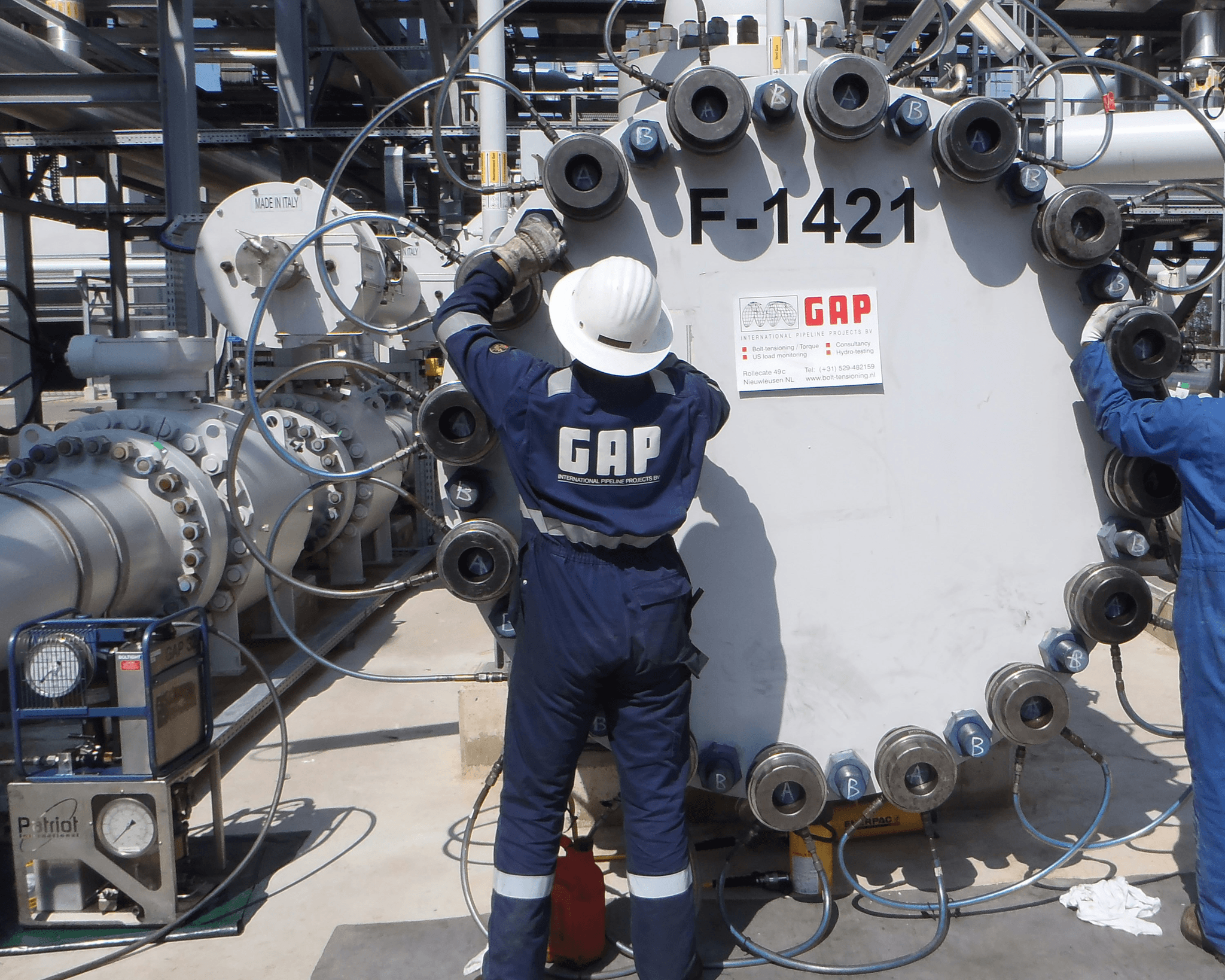
Proper preparation is the cornerstone of a successful reciprocating compressor inspection. It all begins with a thorough review of the manufacturer’s documentation, which provides critical insights into the compressor's design, maintenance history, and specific testing procedures. This step ensures that your reciprocating compressor inspection aligns with industry standards and manufacturer recommendations, reducing the risk of missing vital details during testing.
Next, developing a comprehensive compressor inspection and test plan is essential. This plan acts as your roadmap for reciprocating compressor testing, outlining each step from initial material inspection to final data analysis. Incorporating detailed procedures helps prevent overlooked components or potential failure points, enabling a more accurate assessment of the equipment’s condition and longevity.
Finally, gathering proper tools and equipment is crucial to execute an effective reciprocating compressor inspection seamlessly. High-quality gauges, ultrasonic testers, and visual inspection tools are necessary for precise measurements and thorough Material Inspection. Having everything in place before starting not only streamlines the process but also minimizes downtime and ensures that third party inspectors can verify every aspect with confidence.
Conducting Material Inspection
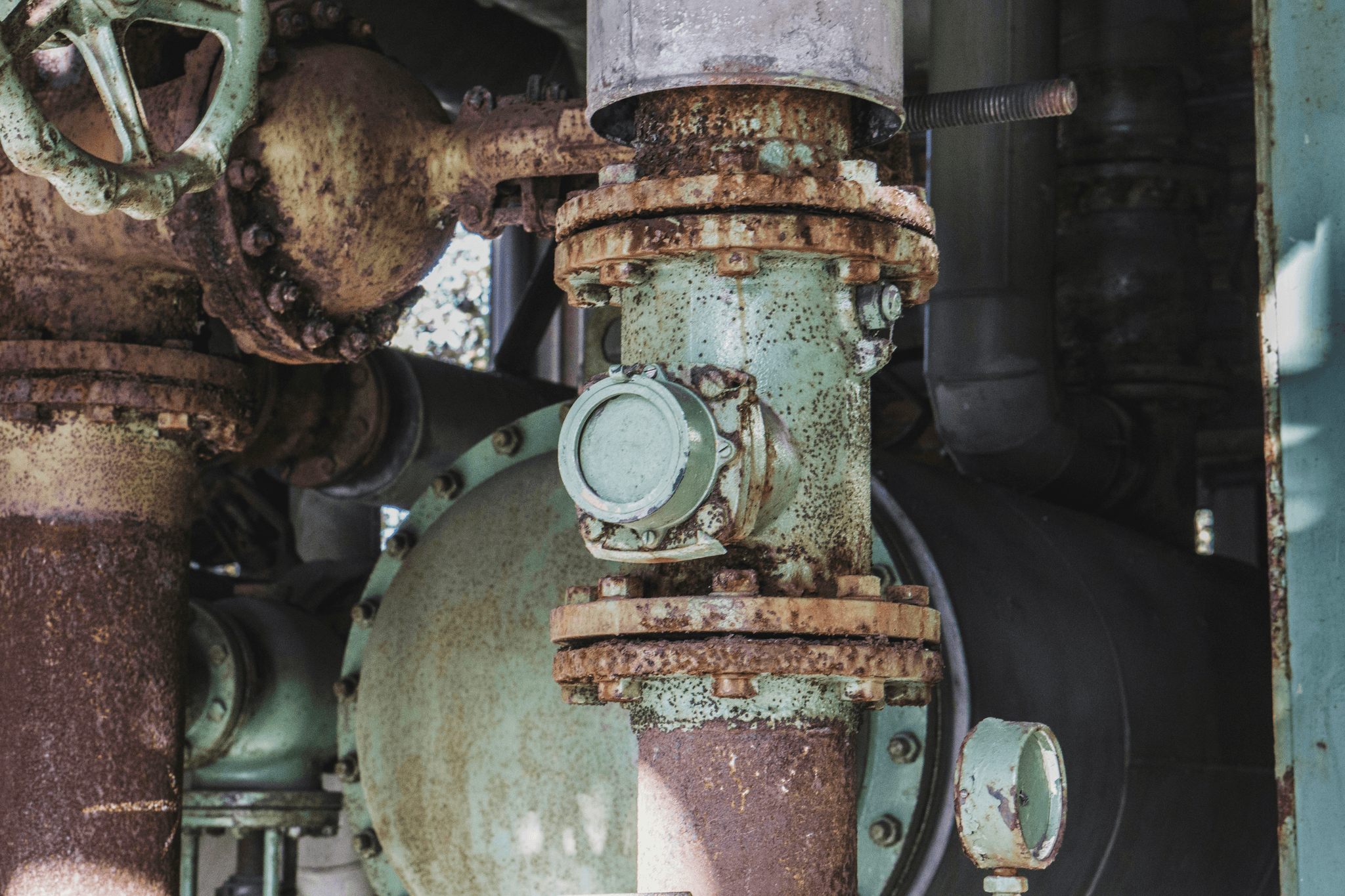
Before diving into the mechanical and visual checks, a thorough Material Inspection forms the backbone of a successful reciprocating compressor inspection. This step ensures that all components meet industry standards for safety and durability, reducing the risk of unexpected failures during reciprocating compressor testing. A detailed review of material compliance not only aligns with the compressor inspection and test plan but also helps identify potential weaknesses that could compromise long-term performance.
During this phase, it's essential to scrutinize each part for signs of wear or corrosion, which can be telltale indicators of underlying issues. Wear signs like pitting or surface deformation might suggest improper lubrication or operational overloads, while corrosion could point to environmental exposure or material incompatibility. Conducting a meticulous Material Inspection allows inspectors to catch these problems early, ensuring that only robust components proceed to the next stages of reciprocating compressor testing.
To guarantee component integrity before testing begins, involving a third party inspector can add an extra layer of assurance. These experts bring specialized knowledge and unbiased perspectives crucial for validating material compliance and durability standards. Incorporating third party inspection services ensures your reciprocating compressor inspection is comprehensive, helping you avoid costly repairs down the line and keeping your maintenance plan on track.
Mechanical and Visual Inspection Procedures
A thorough mechanical and visual inspection is fundamental to a successful reciprocating compressor inspection process. During this phase, inspectors meticulously examine key components such as pistons, valves, and cylinders to identify any signs of wear or damage that could compromise performance. Incorporating a detailed compressor inspection and test plan helps ensure no critical detail is overlooked, making the reciprocating compressor testing more effective and reliable.
Examining Pistons, Valves, and Cylinders
When inspecting pistons, valves, and cylinders, attention to detail is paramount. These components are the heart of reciprocating compressors; any defect here can lead to catastrophic failure if not caught early during material inspection. Using the right tools as part of the compressor inspection and test plan allows inspectors to detect abnormalities like scoring or pitting that may indicate material fatigue or corrosion issues—both crucial factors in maintaining long-term reliability.
Detecting Hidden Cracks or Deformations
Cracks or deformations often hide behind seemingly minor surface imperfections but can be devastating during reciprocating compressor testing. Employing non-destructive testing methods such as dye penetrant or ultrasonic inspections—integral parts of a comprehensive material inspection—can reveal hidden cracks that might otherwise go unnoticed. Engaging a third party inspector for this step adds an extra layer of objectivity, ensuring no flaw slips through undetected.
Verifying Alignment and Mounting Conditions
Proper alignment and secure mounting are essential for smooth reciprocating compressor operation; misalignment can cause uneven wear or vibrations that shorten component life. During mechanical inspections, verifying these conditions involves checking bolt torque values and alignment tolerances against manufacturer specifications outlined in your compressor inspection and test plan. A third party inspector's expertise can be invaluable here for unbiased assessment—helping prevent costly downtime down the line.
Running Reciprocating Compressor Testing
Once the preliminary inspections are complete, the next step in a thorough reciprocating compressor inspection is to conduct reciprocating compressor testing. This phase involves executing a series of operational checks and functional tests designed to verify that all components are working within specified parameters. Developing a detailed compressor inspection and test plan beforehand ensures that every critical aspect is covered, minimizing surprises during testing and providing a clear roadmap for accurate data collection.
Performing Operational Checks and Functional Tests
During reciprocating compressor testing, performing operational checks is crucial to assess the machine’s overall health. These tests include starting up the compressor under controlled conditions, observing its startup sequence, and ensuring smooth operation without unusual noises or vibrations. Engaging a third party inspector at this stage can add an extra layer of objectivity, helping to identify issues that might be missed by internal teams. Remember, an effective compressor inspection and test plan should specify these checks in detail to ensure consistency across different testing phases.
Monitoring Pressure and Temperature Readings
Monitoring pressure and temperature readings during reciprocating compressor testing provides vital insights into the equipment’s performance. Consistent data collection helps identify deviations from normal operating ranges that could indicate underlying problems such as material degradation or wear—key factors highlighted during Material Inspection stages. Keeping an eye on these parameters not only aids in immediate troubleshooting but also informs future maintenance planning; involving a third party inspector can enhance accuracy by providing unbiased analysis of these critical metrics.
Collecting Data for Accurate Analysis
Data collection during reciprocating compressor testing forms the backbone of effective diagnosis and maintenance strategies. Every pressure fluctuation, temperature spike, or vibration anomaly should be meticulously recorded according to industry standards—this documentation becomes invaluable when analyzing potential failure points or planning repairs. A well-structured compressor inspection and test plan guides this process seamlessly; engaging a third party inspector ensures that data interpretation remains objective, reliable, and compliant with best practices.
Engaging a Third Party Inspector
Bringing in a third party inspector for reciprocating compressor inspection and testing can be a game-changer in ensuring your equipment’s longevity and optimal performance. These experts offer an unbiased perspective, helping you develop a comprehensive compressor inspection and test plan that covers all critical components. Their involvement is especially valuable when dealing with complex reciprocating compressor testing, where nuanced insights can prevent costly failures down the line.
When to Involve Third Party Inspection Experts
Knowing when to call in a third party inspector hinges on several factors, such as the age of your compressor or recent operational issues. If your internal team lacks specialized training in reciprocating compressor inspection, or if the manufacturer’s documentation raises questions, it’s time to bring in the pros. Engaging third party inspectors during major overhaul phases or after significant wear signs ensures that material inspection and other critical checks are thorough and compliant with industry standards.
Ensuring Objectivity and Compliance
One of the main reasons for involving a third party inspector is to guarantee objectivity throughout the entire reciprocating compressor testing process. These professionals bring fresh eyes to material inspection, mechanical assessments, and operational checks, reducing human bias or oversight. Their expertise ensures that every stage of the compressor inspection and test plan aligns with industry regulations, giving you peace of mind that your equipment meets all safety and quality standards.
Collaborating for Accurate and Reliable Results
Successful reciprocating compressor inspection depends heavily on collaboration between your team and third party inspectors. Open communication allows for sharing vital data during material inspections or when analyzing test results from reciprocating compressor testing procedures. Working together ensures accurate interpretation of findings, leading to actionable maintenance plans that enhance reliability while minimizing downtime.
Analyzing Test Results for Better Maintenance Planning
Once the reciprocating compressor testing is complete, the real work begins—interpreting the data to prevent future mishaps. A thorough analysis of test results allows maintenance teams to spot potential failures early, saving time and money down the line. Properly interpreting this data requires a solid understanding of what each reading signifies in terms of material inspection, component wear, and operational efficiency.
A key part of this process is cross-referencing findings with the compressor inspection and test plan developed before testing started. This plan acts as a roadmap, helping technicians distinguish between acceptable variances and signals of impending trouble. When a third party inspector is involved, their objective insights can add an extra layer of confidence in identifying issues that might otherwise be overlooked.
Documenting these findings according to industry standards ensures clarity and consistency across maintenance teams. Detailed records help track recurring problems or improvements over time, making future reciprocating compressor inspections more targeted and effective. Implementing improvements based on inspection feedback then becomes a strategic move—addressing root causes rather than just symptoms—and prolongs compressor lifespan significantly.
Conclusion
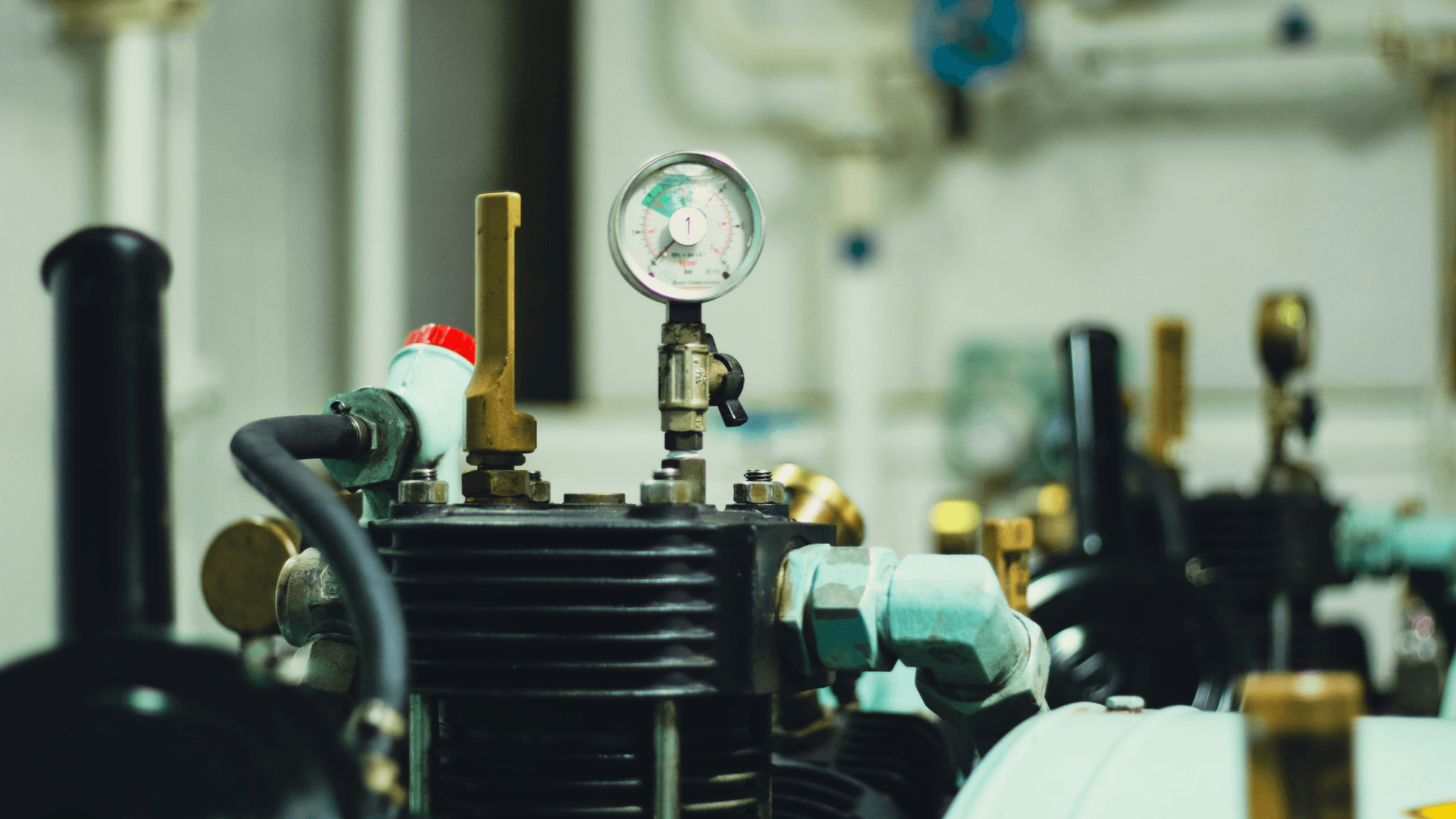
A thorough reciprocating compressor inspection is the cornerstone of long-term reliability. Implementing a well-structured compressor inspection and test plan ensures that potential issues are caught early, preventing costly downtime and unexpected failures. Regular reciprocating compressor testing, combined with diligent material inspection, helps maintain optimal performance and extends equipment lifespan.
Engaging a third party inspector adds an extra layer of confidence to the process. Their expertise brings objectivity and adherence to industry standards, making sure that every aspect of the compressor inspection and test plan is meticulously evaluated. Third party inspectors play a vital role in identifying hidden defects and verifying that all components meet durability requirements, ultimately safeguarding your investment.
Elevating compressor performance hinges on rigorous testing backed by comprehensive inspections. Material inspection during reciprocating compressor testing reveals wear patterns or corrosion that could compromise operation, while a detailed review of test results guides maintenance strategies. By integrating professional third party inspections into your routine, you ensure continuous improvement and peak efficiency for your reciprocating compressors.