
Introduction
In the world of manufacturing, achieving optimal factory efficiency is akin to a high-stakes game where every decision counts. From the moment raw materials enter a plant to the final product rolling off the assembly line, numerous challenges can hinder progress. Illogical material flow throughout the plant, poor layout of manufacturing lines and cells, and automation that doesn't work as expected can create bottlenecks that stifle productivity.
Understanding Factory Efficiency Challenges
Factory efficiency challenges are multifaceted and often stem from a lack of foresight in planning processes. When production facilities are designed without considering how materials will flow through them, inefficiencies arise that ripple throughout operations. The interplay between these factors—like poor organization of internal logistics and excessive office space for production—can lead to significant losses in time and resources.
The Cost of Poor Layout Decisions
The cost associated with poor layout decisions cannot be overstated; it can mean the difference between profit and loss for many manufacturers. An inefficient layout not only disrupts workflow but also contributes to illogical material flow throughout the plant, leading to increased labor costs and wasted time. Moreover, when manufacturing lines or cells are poorly arranged, it becomes challenging to adapt to changes in demand or production volume.
Why Process Setup Matters
A well-thought-out process setup is crucial for maintaining factory efficiency; it serves as the backbone for smooth operations within any facility. If automation does not integrate seamlessly with existing workflows or if internal logistics are poorly organized, even the most advanced technology will falter. Ultimately, addressing these foundational issues allows companies to maximize their resources while minimizing wasted effort—ensuring they stay competitive in a constantly evolving market.
Illogical Material Flow Throughout the Plant
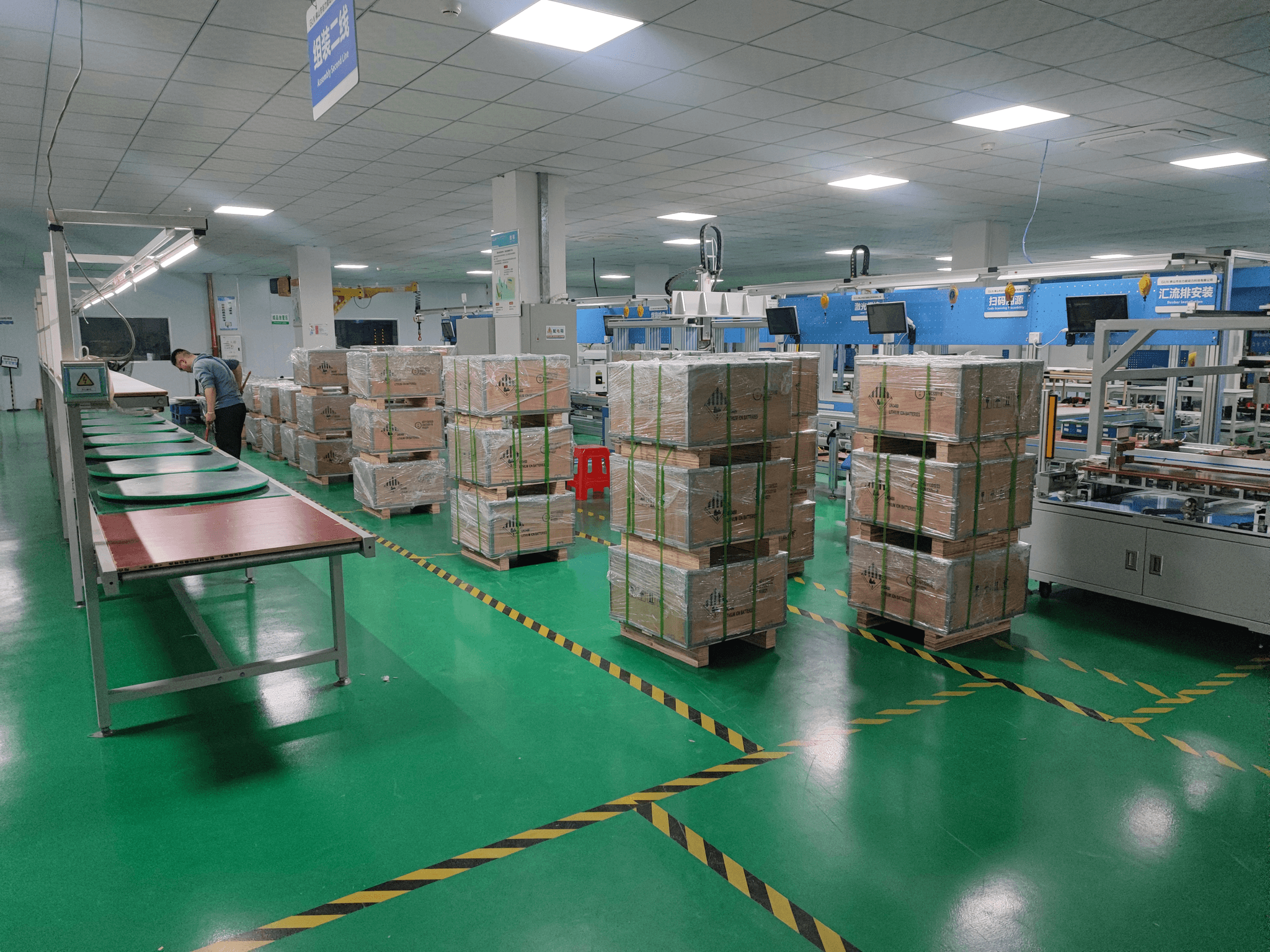
When we talk about factory efficiency, one of the most critical factors is the material flow throughout the plant. Illogical material flow can lead to bottlenecks, wasted time, and frustrated workers, ultimately impacting productivity. In this section, we will explore real-world examples of companies that have faced these challenges and discuss practical solutions to streamline their material movement.
Case Study: Ford's Assembly Line Issues
Ford’s assembly line was once heralded as a marvel of industrial innovation, but over time it has faced significant challenges due to illogical material flow throughout the plant. Parts would often arrive out of sequence or be misplaced entirely, leading to delays in production and increased labor costs. This poor layout of manufacturing lines resulted in inefficiencies that not only slowed down assembly but also frustrated employees who had to deal with constant interruptions.
Analyzing BMW's Logistical Missteps
Similarly, BMW has encountered logistical missteps that have hindered its factory efficiency. The company’s complex supply chain sometimes led to parts being delivered late or in incorrect quantities, disrupting the smooth flow necessary for optimal production. Such poor organization of internal logistics can cause a ripple effect throughout the manufacturing process, emphasizing how critical it is for companies to maintain a coherent plan for material movement.
Solutions to Streamline Material Movement
To tackle these issues and enhance factory efficiency, companies must adopt strategic solutions aimed at improving their material flow throughout the plant. Implementing just-in-time inventory systems can help ensure that materials arrive exactly when needed—no earlier and no later—reducing unnecessary storage space and minimizing waste from excessive office space for production tasks. Additionally, regular audits of workflow processes can identify bottlenecks in logistics and provide opportunities for redesigning layouts that align better with actual production needs.
Poor Layout of Manufacturing Lines/Cells

In the quest for factory efficiency, the layout of manufacturing lines and cells plays a pivotal role. A poorly designed workspace can lead to illogical material flow throughout the plant, creating bottlenecks that stifle productivity. To tackle these issues, we can learn from real-world examples and redesign our processes for optimal flow.
Lessons from the Boeing Production Facility
Boeing's production facility has faced its share of challenges due to poor layout choices. The assembly process for their 787 Dreamliner highlighted how illogical material flow throughout the plant could derail timelines and inflate costs. By analyzing these setbacks, Boeing has begun implementing more streamlined layouts that prioritize efficient movement and minimize waste, thus enhancing overall factory efficiency.
The Impact of Inefficient Workstations at Tesla
Tesla's ambitious manufacturing goals have been hindered by inefficient workstations that disrupt the flow of production. In an environment where speed is crucial, poor layout of manufacturing lines/cells can lead to delays and increased operational costs. Recognizing these inefficiencies has prompted Tesla to rethink their workstation designs, aiming for a more cohesive setup that supports rapid assembly without sacrificing quality.
Redesigning for Optimal Flow
To achieve optimal flow in manufacturing lines and cells, companies need to embrace innovative redesign strategies that address existing inefficiencies head-on. This involves not only reconfiguring physical spaces but also integrating technology to enhance automation that doesn't work as expected in traditional setups. By fostering a culture of continuous improvement and embracing modern logistics principles, organizations can create an environment where factory efficiency thrives while reducing excessive office space for production.
Automation That Doesn't Work as Expected
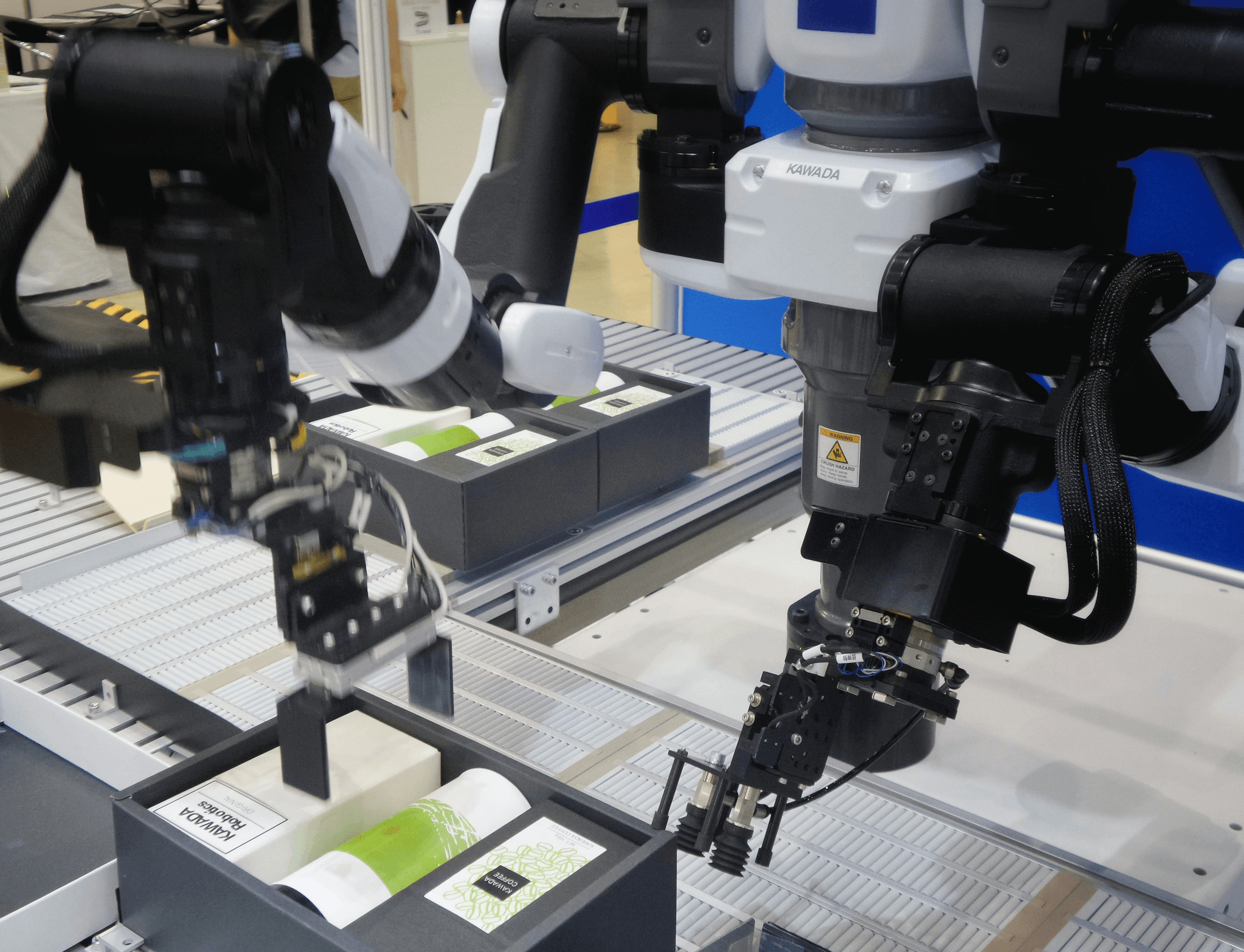
In the quest for Factory Efficiency, many companies have turned to automation as a panacea for their production woes. However, the reality often reveals that automation doesn't always deliver on its promises. This section explores notable failures and challenges faced by leading manufacturers, illustrating how illogical material flow throughout the plant and poor layout of manufacturing lines/cells can contribute to these issues.
The Robotics Fiasco at General Motors
General Motors once heralded a new era of productivity with its ambitious robotics program, aiming to enhance Factory Efficiency across its assembly lines. However, instead of seamless integration, GM faced significant setbacks due to poorly coordinated robotic systems that struggled with manual tasks. As a result, the company experienced not only production delays but also increased operational costs stemming from excessive downtime and maintenance issues.
The illogical material flow throughout the plant exacerbated these problems; robots were often stationed far from where they were needed most, leading to inefficiencies in manufacturing processes. This case serves as a cautionary tale about assuming that automation alone can solve complex logistical challenges without addressing fundamental layout concerns. In hindsight, GM learned that effective automation requires thoughtful planning and alignment with existing workflows.
Why Amazon's Automation Needs Constant Tweaking
Amazon is synonymous with cutting-edge technology and efficiency in logistics; however, even this industry giant grapples with the reality that automation needs constant tweaking to achieve optimal results. The sheer scale of Amazon's operations means that any minor hiccup in their automated systems can lead to significant disruptions in internal logistics and order fulfillment processes. With an ever-evolving inventory landscape and fluctuating demand patterns, maintaining Factory Efficiency becomes a continuous balancing act.
Their automated systems must adapt frequently due to poor organization of internal logistics; what works one day might not be suitable the next as product lines change or seasonal demands shift. This necessity for ongoing adjustments highlights a critical lesson: while automation can enhance production capabilities dramatically, it cannot replace human intuition and adaptability when it comes to managing complex supply chains efficiently. Ultimately, Amazon’s experience underscores the importance of integrating flexible solutions into their automated frameworks.
Finding Balance: Human and Machine Collaboration
The key takeaway from both GM's robotics fiasco and Amazon's ongoing adjustments is clear: achieving Factory Efficiency requires finding the right balance between human operators and machines working together harmoniously. While automation has undeniable advantages—such as speed and precision—it often lacks the flexibility needed in dynamic environments characterized by illogical material flow throughout the plant or poorly designed manufacturing cells.
To foster an effective collaboration between humans and machines, companies must invest in training programs that empower employees to leverage technology while also encouraging them to provide feedback on workflow improvements based on real-world experiences. By doing so, organizations can create an agile workforce capable of adapting swiftly when faced with unexpected challenges related to poor organization of internal logistics or excessive office space for production needs.
In conclusion, embracing both human insight and technological advancements will pave the way for more resilient manufacturing processes poised for success amid ever-changing market demands.
Poor Organization of Internal Logistics
Internal logistics can often be the Achilles' heel of factory efficiency. When materials are not organized properly, it creates an illogical material flow throughout the plant that can lead to significant delays and cost overruns. The chaos that ensues from poor organization can stifle productivity and ultimately affect the bottom line.
The Chaos of IKEA’s Warehouse Efficiency
IKEA, known for its flat-pack furniture and self-service warehouses, demonstrates how poor organization can wreak havoc on internal logistics. Customers often find themselves navigating a maze-like layout that seems designed more for confusion than efficiency. This chaotic approach not only frustrates shoppers but also complicates inventory management, leading to stock discrepancies and wasted time—both detrimental to factory efficiency.
How Toyota Manages Internal Materials
In stark contrast, Toyota has mastered the art of managing internal materials with precision and foresight. Their just-in-time (JIT) production system ensures that parts arrive exactly when needed, minimizing excess inventory and preventing bottlenecks in production lines. By focusing on a seamless flow of materials, Toyota exemplifies how effective organization can enhance factory efficiency while reducing costs associated with poor layout of manufacturing lines/cells.
Creating a Cohesive Logistics Plan
To create a cohesive logistics plan, companies must take a holistic view of their operations rather than treating internal logistics as an afterthought. This involves analyzing current workflows to identify areas where illogical material flow throughout the plant disrupts production continuity. By implementing strategic changes—such as optimizing storage locations or redesigning workstations—organizations can significantly improve their factory efficiency while avoiding pitfalls like excessive office space for production or automation that doesn't work as expected.
Excessive Office Space for Production
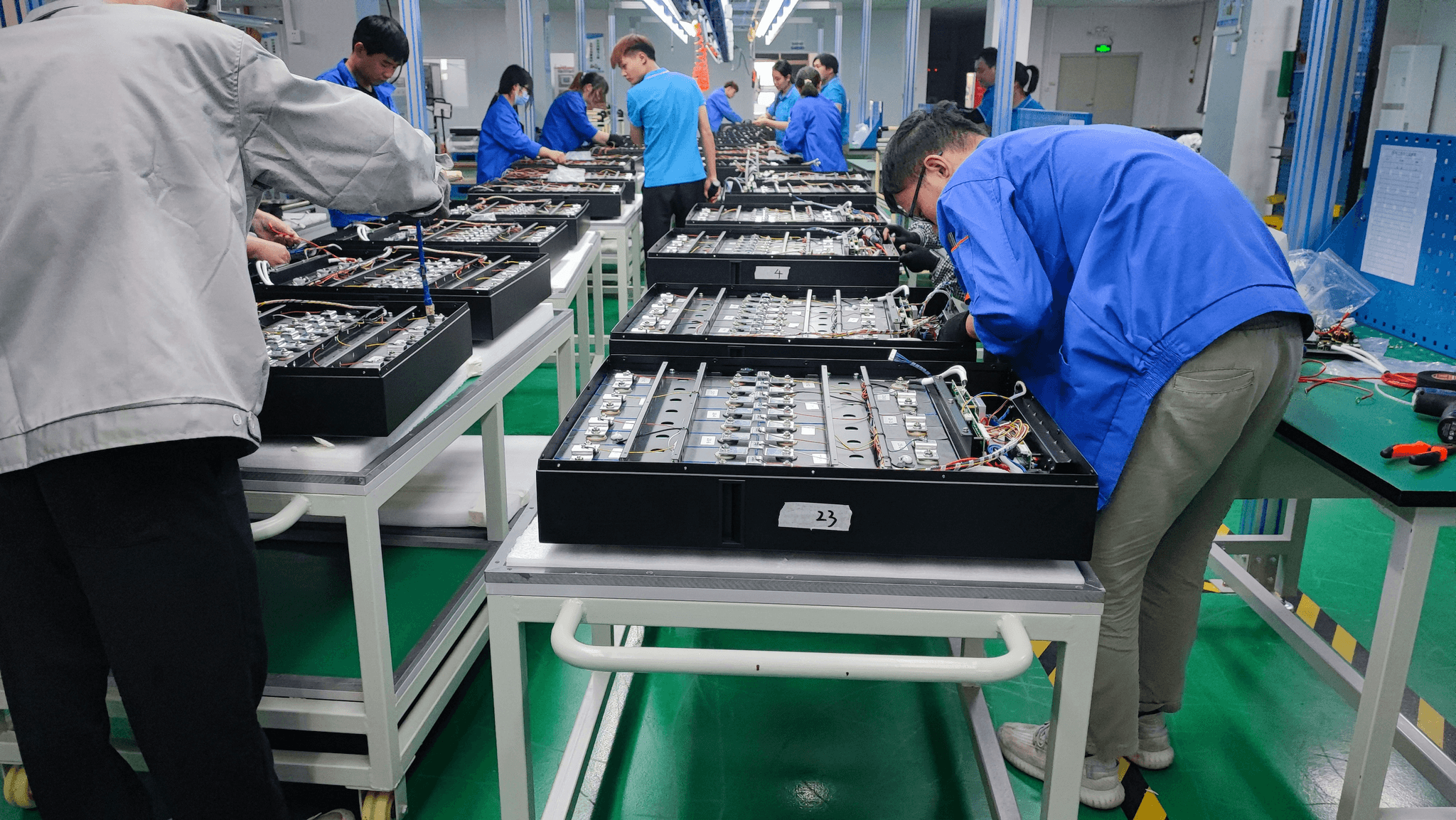
In the quest for factory efficiency, one often overlooked aspect is the excessive office space allocated within production facilities. While it may seem harmless to have ample office space, it can lead to illogical material flow throughout the plant and create bottlenecks in manufacturing processes. This inefficiency not only affects productivity but can also inflate operational costs, hindering overall performance.
Analyzing Google's Facility Space Utilization
Google is renowned for its innovative workspaces, boasting open layouts and vibrant environments designed to foster creativity. However, when examining their facility space utilization from a factory efficiency perspective, one might question whether this approach inadvertently contributes to poor organization of internal logistics. With employees scattered across expansive areas, communication can break down, leading to delays and an inefficient flow of materials needed for production activities.
The Hidden Costs: A Look at YUM! Brands
YUM! Brands operates numerous fast-food chains worldwide, and while they excel in many areas, their approach to workspace allocation reveals hidden costs that impact factory efficiency. Excessive office space can lead to underutilized resources and increased overheads that ultimately affect profit margins. By recognizing these pitfalls and addressing poor layout of manufacturing lines/cells within their operations, YUM! Brands could streamline processes and enhance productivity across their facilities.
Redefining Workspace for Enhanced Production
To truly enhance factory efficiency, organizations must rethink how they allocate workspace within production environments. Redesigning spaces with a focus on functionality rather than just aesthetics can significantly improve automation that doesn't work as expected by facilitating smoother workflows and reducing unnecessary movement. By optimizing office layouts alongside production lines, companies can create a cohesive environment where internal logistics are organized effectively—leading to better overall performance.
Conclusion
In closing, factory efficiency is not just a buzzword; it's a critical component of successful manufacturing operations. By addressing the challenges posed by illogical material flow throughout the plant, poor layout of manufacturing lines/cells, and automation that doesn't work as expected, businesses can significantly improve their productivity and reduce waste. A holistic approach that also considers the organization of internal logistics and the utilization of office space will pave the way for a more streamlined production environment.
Strategies for Enhancing Factory Efficiency
To enhance factory efficiency, manufacturers should start with a comprehensive assessment of their current processes. This involves scrutinizing illogical material flow throughout the plant to identify bottlenecks and inefficiencies that hinder productivity. Additionally, redesigning poor layouts of manufacturing lines/cells can optimize workflows and ensure that every workstation is positioned for maximum output.
Investing in technology is another key strategy; however, it’s essential to ensure that automation does not create new problems. Many companies have faced challenges with automation that doesn't work as expected due to improper implementation or lack of training. Therefore, integrating human oversight into automated systems can help strike a balance between speed and reliability.
Lastly, reevaluating internal logistics organization is crucial for maintaining smooth operations. Poor organization often leads to chaos on the production floor; thus, adopting lean principles can help streamline processes while eliminating excessive office space for production activities. By creating an efficient workspace that promotes collaboration rather than clutter, manufacturers can foster an environment conducive to enhanced factory efficiency.
Importance of Continuous Process Evaluation
Continuous process evaluation serves as the backbone for sustained improvements in factory efficiency. Regularly assessing workflows allows companies to adapt quickly to changes in demand or production techniques while ensuring that illogical material flow throughout the plant does not derail progress. This ongoing evaluation helps identify areas where poor layout decisions may be affecting overall performance.
Moreover, it’s essential to recognize when automation no longer meets expectations or when logistical strategies become outdated due to shifts in market dynamics or technology advancements. By committing to regular reviews and updates—especially regarding poor organization of internal logistics—manufacturers can maintain agility and responsiveness in their operations. Emphasizing this culture of continuous improvement ensures that businesses remain competitive without falling victim to stagnation.
Ultimately, fostering an environment where feedback is encouraged leads directly back to enhancing factory efficiency across all dimensions—from layout redesigns to rethinking how office spaces are utilized within production facilities.
Partnering with China Inspection Pro for Quality Guidance
For manufacturers seeking expert guidance on improving factory efficiency, partnering with China Inspection Pro offers invaluable support tailored specifically for overcoming common obstacles like poor layout design or ineffective automation strategies. Their expertise provides insights into optimizing material flow throughout plants while addressing issues related to excessive office space for production needs effectively.
By leveraging their deep understanding of industry standards and best practices, companies can gain clarity on how best to reorganize their manufacturing lines/cells for optimal performance outcomes. Furthermore, China Inspection Pro assists organizations in implementing robust quality control measures that mitigate risks associated with poorly organized internal logistics—a common pitfall many factories face today.
In summary, collaborating with professionals like China Inspection Pro equips manufacturers with tools necessary not just for immediate fixes but also long-term strategies aimed at achieving peak factory efficiency across all operational facets.