
Introduction

Quality defects in shoes can lead to a variety of issues that not only frustrate consumers but can also compromise their overall experience with a product they rely on daily. From excess glue, wax or oil to incorrect sizing, understanding these common problems is essential for any savvy shoe buyer.
Understanding Quality Defects in Shoes
Quality defects in shoes manifest in various forms, often stemming from manufacturing oversights or material flaws. For instance, excess glue, wax or oil can create unsightly marks and affect the shoe's breathability and comfort. Similarly, issues like degumming or weak cementing can lead to the disintegration of footwear over time, making it crucial for consumers to identify these defects early.
The Impact of Quality Issues on Consumers
The repercussions of quality issues extend beyond mere inconvenience; they can significantly impact consumer satisfaction and safety. Poorly made shoes may cause discomfort or lead to injuries due to protruding nails or sharp points hidden within the design. Additionally, problems such as asymmetry in shoes and abrasion marks not only diminish aesthetic appeal but also raise questions about the reliability of brands that fail to maintain stringent quality control.
Common Problems Every Shoe Buyer Faces
Every shoe buyer has likely encountered common problems that arise from quality defects in shoes at some point during their shopping journey. Whether it's dealing with incorrect sizing that leaves you feeling cramped or discovering unexpected abrasion marks after just a few wears, these issues are all too familiar. By being aware of potential pitfalls like degumming or weak cementing and knowing how to address them effectively, consumers can make more informed decisions when purchasing footwear.
Excess Glue, Wax or Oil
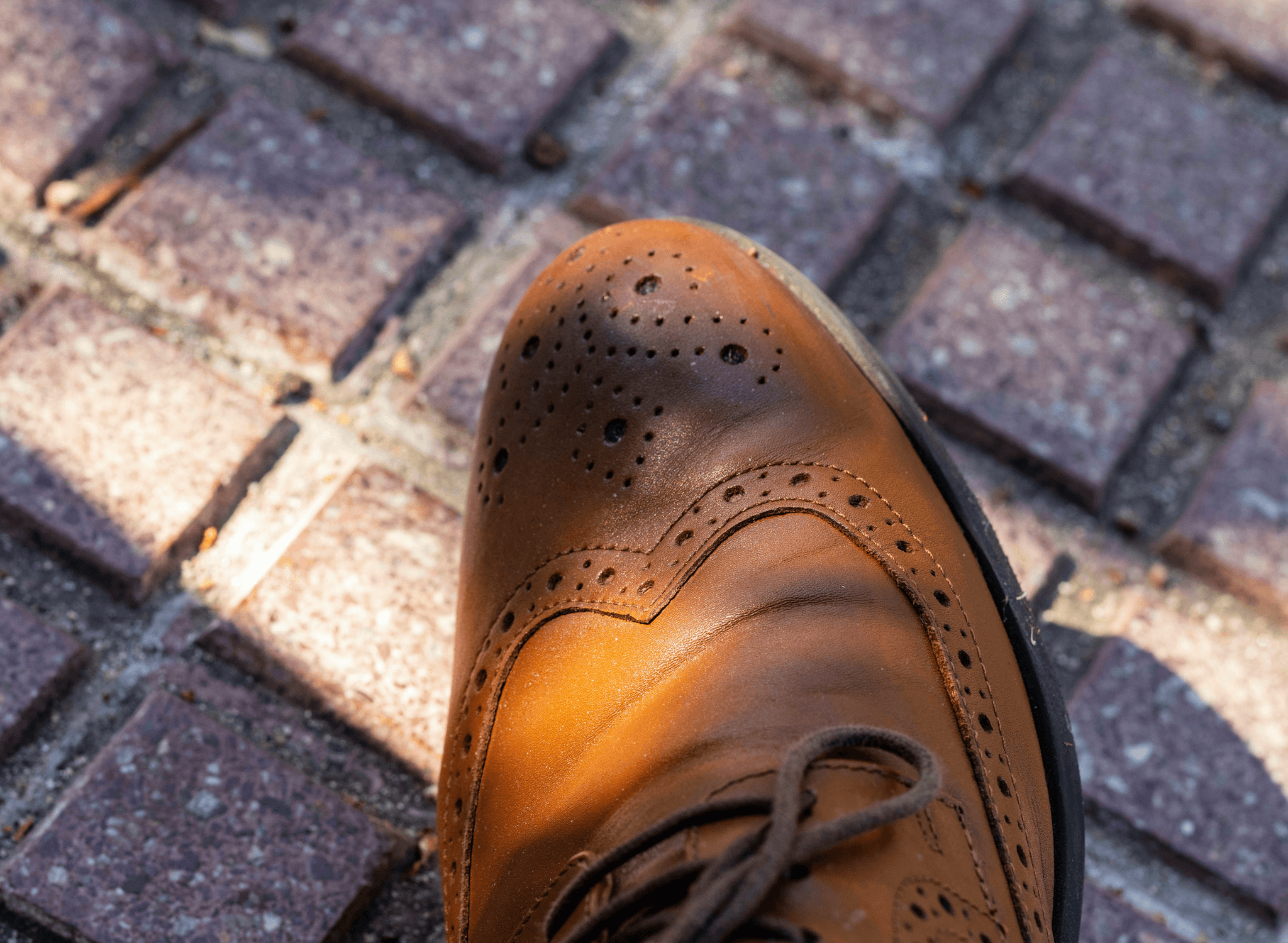
Excess glue, wax, or oil can be a significant quality defect in shoes that not only affects their appearance but also impacts their performance and longevity. These substances can create an unsightly finish and may even lead to discomfort during wear. Identifying and addressing these issues early on can save you from potential frustration down the line.
Identifying the signs of excessive adhesive
When inspecting your shoes for quality defects, look for shiny spots or uneven surfaces that indicate excess glue application. You might also notice clumps of adhesive around seams or edges, which is a telltale sign of poor craftsmanship. Additionally, if your shoes feel sticky to the touch or have a chemical smell, it’s likely they are suffering from excess glue.
How to properly clean affected areas
Cleaning shoes affected by excess glue requires a delicate touch to avoid damaging the material. Start by using a soft cloth dampened with warm water to gently wipe away any visible residue; if necessary, you can add mild soap for extra cleaning power. For tougher spots, consider using rubbing alcohol on a cotton swab—just be cautious with materials like suede or leather as they may react poorly.
Tips for future quality checks
To prevent falling victim to quality defects in shoes like excess glue, always inspect footwear before purchasing them. Look closely at seams and edges for any signs of irregularities or messiness in adhesive application. It’s also wise to check reviews online; fellow consumers often share insights about common problems such as degumming or weak cementing that could save you from making an unwise investment.
Degumming or Weak Cementing
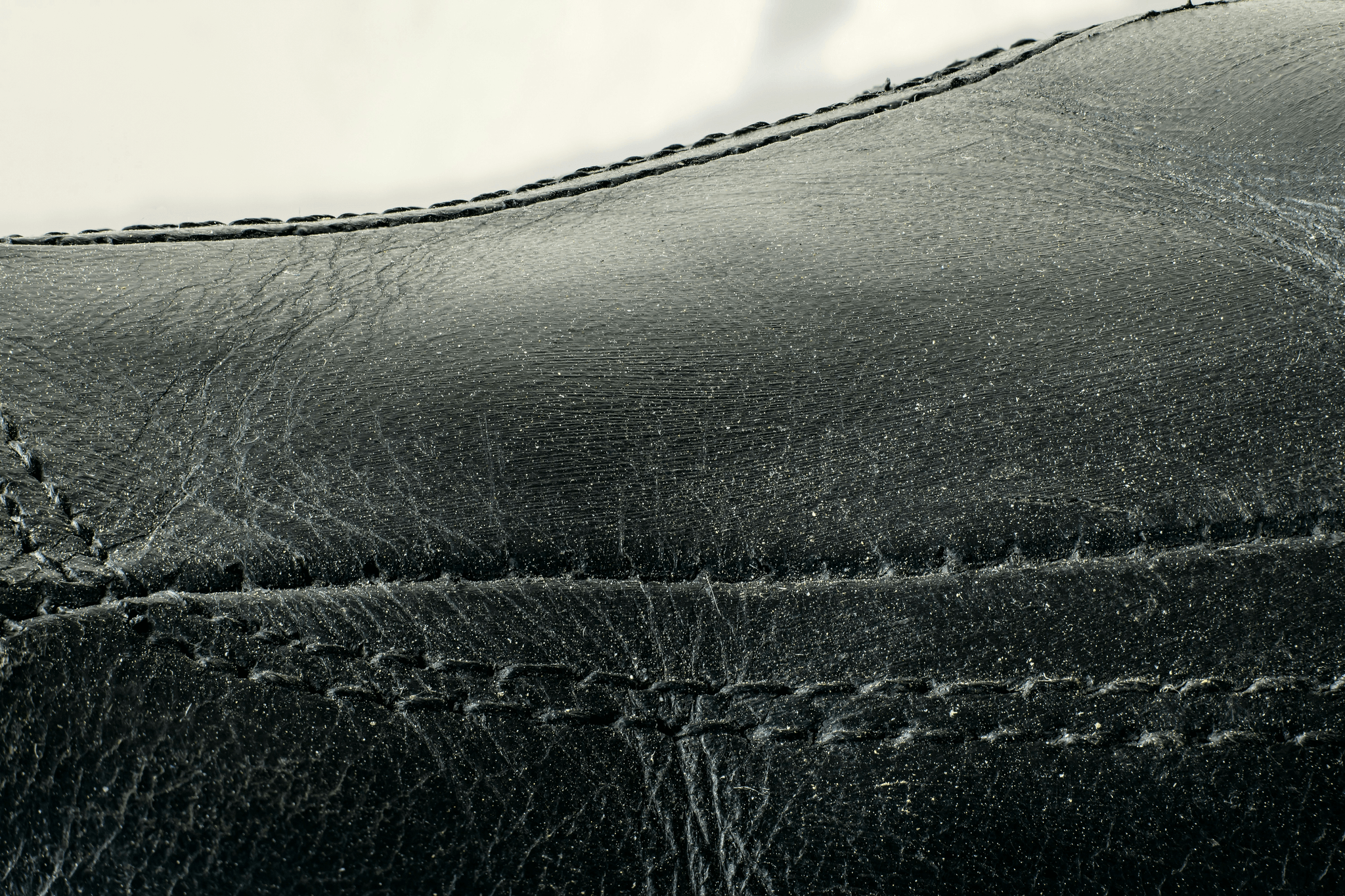
Proper adhesion is crucial for keeping shoes intact and functional, as it affects both durability and comfort. If the materials aren’t securely bonded, you risk not just a wardrobe malfunction but also potential injuries from unstable footwear.
Why proper adhesion matters
Proper adhesion matters because it directly impacts the longevity of your shoes. When components like the sole and upper are not securely bonded, you might experience premature wear and tear that can lead to more significant damage over time. Additionally, weak cementing can cause discomfort while walking, making even the most stylish pair of shoes a nightmare to wear.
Steps to repair degummed shoes
If you find yourself facing degummed shoes, don't despair; there are steps you can take to remedy this situation. Start by cleaning the affected areas thoroughly to remove any dirt or old adhesive residue; this ensures a strong bond when reapplying adhesive. Next, use a high-quality shoe adhesive specifically designed for footwear repair—apply it evenly and press the parts together firmly until they set.
Preventative measures for better durability
To prevent future issues with degumming or weak cementing, consider investing in quality footwear from reputable brands known for their craftsmanship. Regularly inspect your shoes for signs of wear and tear such as excess glue or wax that may indicate poor manufacturing practices; catching these problems early can save you time and money later on. Lastly, store your shoes properly—avoid leaving them in damp places where moisture could weaken adhesives over time.
Abrasion Marks
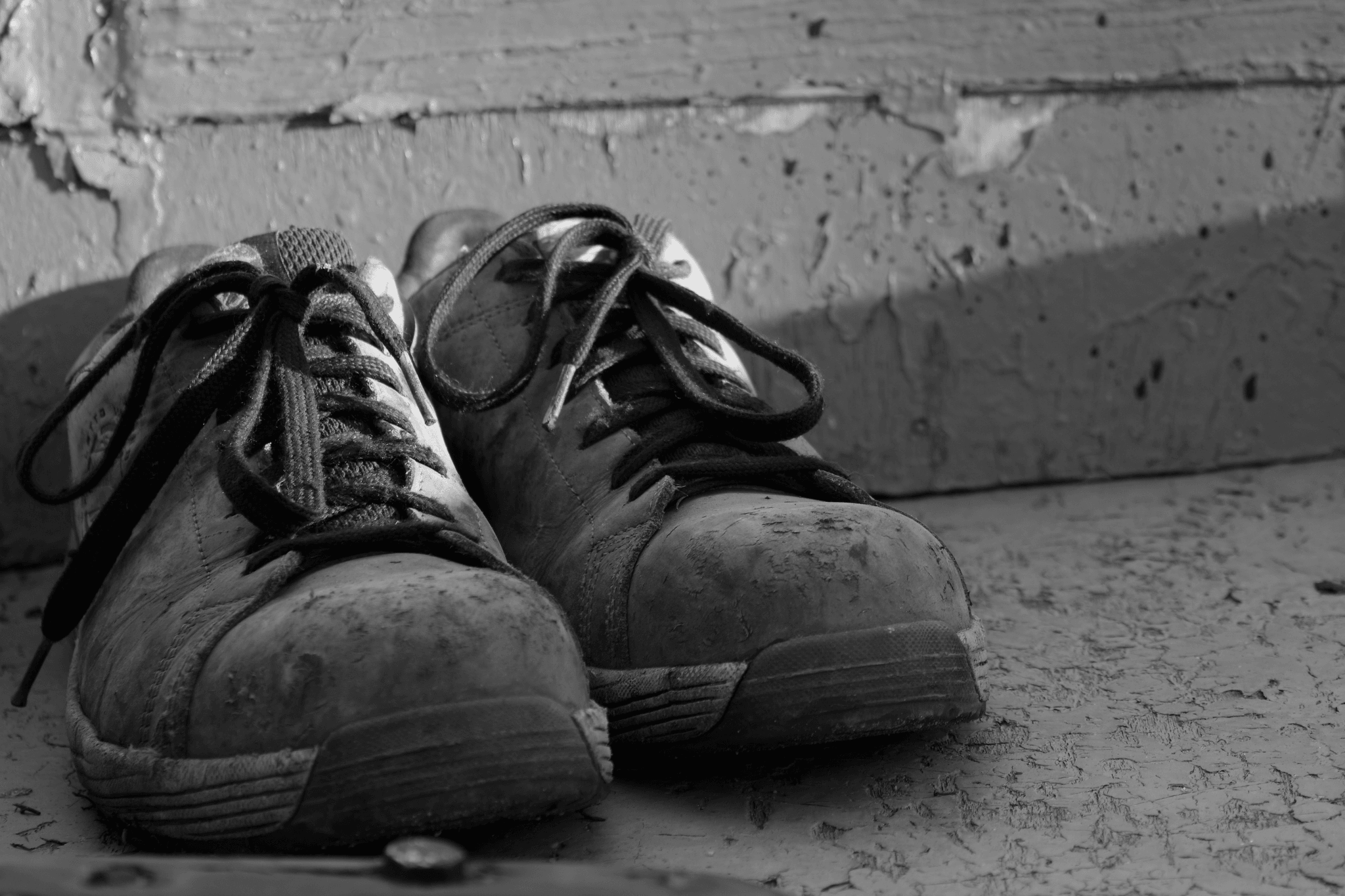
Abrasion marks can be a frustrating reality for shoe lovers everywhere. These pesky scuffs not only detract from the aesthetic appeal of your footwear but can also indicate underlying quality defects in shoes. Understanding the common causes of scuffing and wear can help you take proactive measures to protect your investment.
Common causes of scuffing and wear
One of the leading culprits behind abrasion marks is simply regular use—especially if you're wearing shoes on rough surfaces or during physical activities. Another common cause is improper storage; shoes that are piled up or crammed into tight spaces are more prone to scuffing against one another. Finally, poor-quality materials can contribute to quicker wear; if your shoes are made with subpar materials, they may show signs of damage sooner than expected.
Effective cleaning solutions for marks
Start by using a soft cloth dampened with warm water and mild soap; gently rub the affected areas until the marks begin to fade away. For tougher stains, consider using specialized shoe cleaners designed for your shoe material—just be sure to follow up with conditioner or polish to maintain their shine!
Protective options to consider
To prevent future abrasion marks from ruining your favorite kicks, consider investing in protective sprays that create a barrier against dirt and moisture. Additionally, using shoe trees when storing your footwear can help maintain their shape and minimize scuffing while they’re not being worn. Lastly, always keep an eye out for any quality defects in shoes before making a purchase; ensuring proper construction can significantly reduce wear over time.
Asymmetry in Shoes
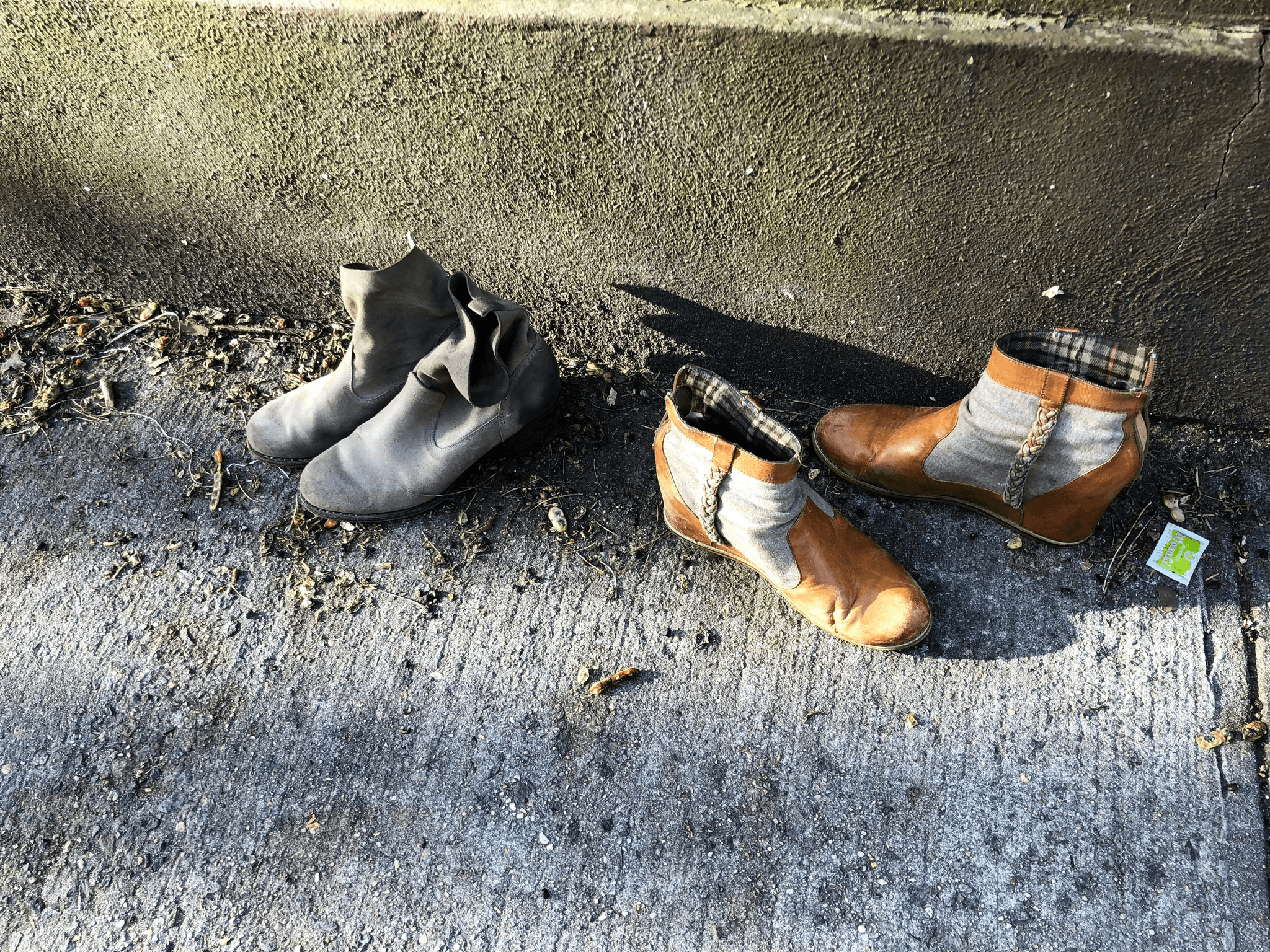
Asymmetry in shoes can be a sneaky quality defect that many buyers overlook. When you slip on a pair of shoes, the last thing you want is to feel like one foot is getting a different experience than the other. Uneven shapes can lead to discomfort, poor posture, and even long-term foot issues if not addressed properly.
How to spot uneven shapes
Spotting asymmetrical shoes isn't rocket science, but it does require a keen eye. Look for noticeable differences in the shape of each shoe; perhaps one toe box is wider or one heel is higher than the other. Additionally, try walking in them—if you feel like you're favoring one side or if they pinch in odd places, you've likely got yourself a pair with quality defects.
The importance of uniformity in footwear
Shoes that are asymmetrical can lead to uneven wear over time and may exacerbate issues like incorrect sizing or even protruding nails causing discomfort. Ensuring that both shoes are uniform not only enhances comfort but also supports proper alignment and balance while walking.
Solutions for addressing asymmetrical shoes
If you find yourself with asymmetrical shoes, don’t despair just yet! First off, consider returning or exchanging them if they’re new; most reputable retailers will have policies against such quality defects in shoes. If you're stuck with them, insoles or orthotics can help balance things out by providing extra cushioning where needed and compensating for any discrepancies in shape.
Incorrect Sizing
Understanding the significance of fit
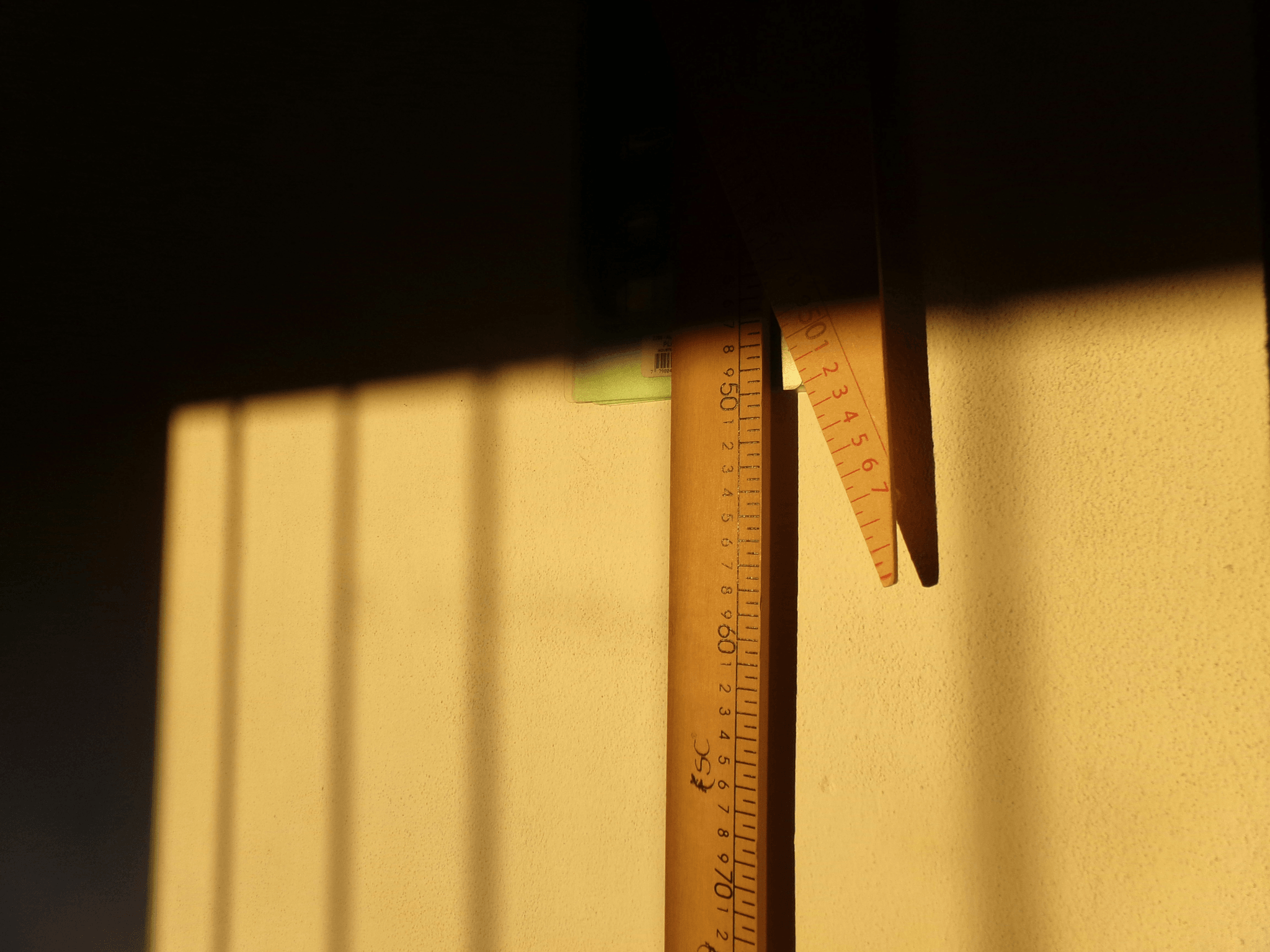
A proper fit ensures that your feet are supported correctly, minimizing the chances of developing issues like abrasions or asymmetry in shoes due to uneven pressure distribution. Furthermore, wearing ill-fitting shoes can exacerbate other quality defects in shoes—like degumming or weak cementing—by creating additional stress on certain areas. Ultimately, a well-fitted shoe not only enhances comfort but also prolongs the life of your footwear by reducing wear and tear.
How to measure your foot accurately
To measure your foot accurately, start by standing on a piece of paper and tracing around your foot with a pencil held upright—this will give you a clear outline to work from. Measure the longest distance from heel to toe and across the widest part of your foot for width; this will help you determine both length and size accurately. Don't forget to measure both feet! Foot sizes can vary slightly between left and right; knowing this will help you avoid potential issues like protruding nails or sharp points inside the shoe.
Recommendations for adjusting size issues
If you find yourself dealing with incorrect sizing after purchase, there are several strategies you can employ for adjustment. For minor discrepancies in fit, consider using insoles or heel grips to fill extra space; they can also provide added cushioning if you're facing abrasion marks from friction against your skin. If all else fails and you're stuck with an uncomfortable pair due to quality defects in shoes like excess glue or weak cementing causing structural issues, it may be time for an exchange or return—after all, comfort should never be compromised!
Protruding Nail or Sharp Point
Recognizing hazardous defects in shoes
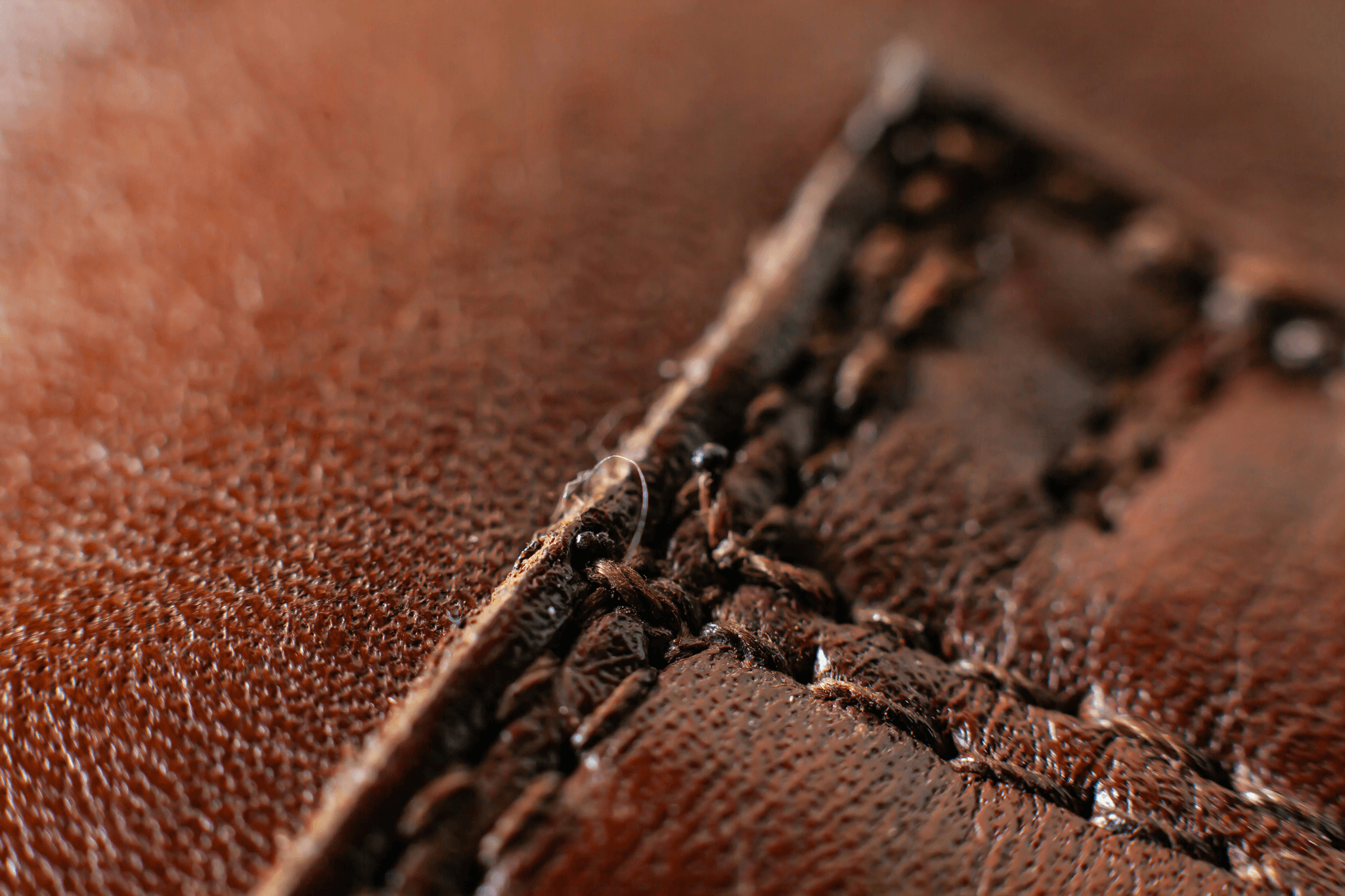
To spot a protruding nail or sharp point, inspect your shoes thoroughly before wearing them. Look for any irregularities on the inside of the shoe, especially around areas where nails are typically used in construction, such as near seams and soles. If you feel any sharpness while trying them on or notice unusual bumps that could indicate hidden hazards, it's time to take action.
Immediate actions to take if discovered
If you discover a protruding nail or sharp point in your shoe, stop wearing them immediately! Carefully remove the shoe and check for any visible damage; if necessary, use a pair of pliers to gently push back any nails that are sticking out. If you're unsure about handling it yourself due to potential injury risks, consider taking your shoe to a professional cobbler who can assess and repair it safely.
Preventative measures to avoid injury
To prevent injuries from protruding nails or sharp points in shoes, always buy footwear from reputable brands known for quality control. Before making a purchase, examine the shoes closely for common Quality Defects in Shoes like excess glue or weak cementing that might indicate poor craftsmanship. Additionally, regularly check your existing footwear for wear and tear signs—this vigilance will help you catch potential hazards before they become an issue.
Conclusion
In the world of footwear, understanding and addressing quality defects in shoes is crucial for both consumers and manufacturers. From excess glue, wax, or oil to the dreaded protruding nail or sharp point, these issues can significantly affect user experience and safety. Recognizing these common problems empowers buyers to make informed decisions and seek remedies when necessary.
Recap of Common Quality Defects in Shoes
Throughout our exploration, we've identified several prevalent quality defects in shoes that every buyer should be aware of. Excess glue, wax, or oil can mar the appearance of even the most stylish kicks, while degumming or weak cementing can lead to a shoe's untimely demise. Additionally, abrasion marks from everyday wear and tear can diminish a shoe's lifespan, while asymmetry in shoes may pose comfort issues; not to mention the perils of incorrect sizing and hazardous protruding nails or sharp points that can turn a simple stroll into a painful experience.
The Importance of Quality Control in Footwear
Quality control in footwear is paramount for ensuring customer satisfaction and safety. When manufacturers prioritize quality checks at every stage—from design through production—they minimize defects like excess glue and weak cementing that could tarnish their reputation. By maintaining high standards, companies not only protect their customers from discomfort but also foster brand loyalty among discerning shoppers who value well-made products.
How China Inspection Pro Can Help
For those seeking assurance against quality defects in shoes before making a purchase or placing an order with manufacturers, China Inspection Pro offers invaluable services. Their expertise includes thorough inspections that help identify issues such as incorrect sizing or asymmetry early on—saving you time and money down the line. With their support, you can confidently step out knowing your footwear meets high-quality standards without hidden dangers like protruding nails waiting to ambush your feet.