
Introduction
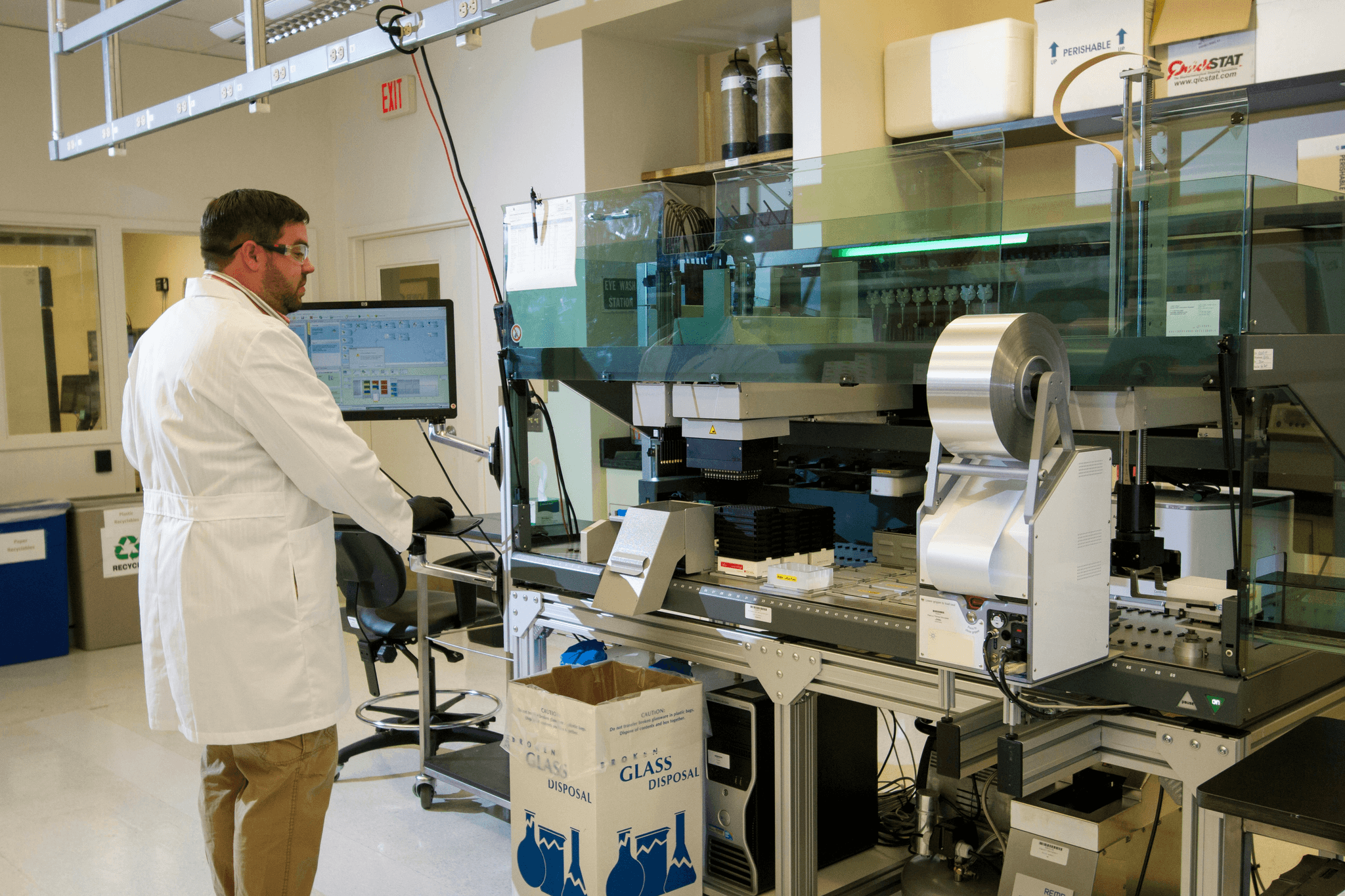
Navigating the world of medical laboratory accreditation can feel like trying to find your way through a maze—complex, confusing, and full of twists. That’s where internal ISO 15189 Audits come into play, acting as your trusty compass to steer you toward certification success. By understanding what are the ISO 15189 Standard Requirements and integrating internal audits into your routine, you unlock a powerful tool that ensures compliance while saving time and money.
Internal ISO 15189 Audits are more than just checklists; they are strategic steps to Prepare for ISO 15189 Certification with Internal Audits effectively. These audits help you identify gaps early on and understand the different Types of ISO 15189 Audits—routine or surprise—so you can stay ahead of the game. Mastering the Steps to Perform Internal ISO 15189 Audits allows your lab to streamline the ISO 15189 Certification Process, making it smoother and less stressful.
Remember, every successful certification journey hinges on thorough preparation and consistent evaluation. Embracing internal audits means turning compliance into a continuous improvement process rather than a one-time hurdle. Stay tuned as we explore how these audits can transform your lab’s quality assurance efforts from good to great.
Understanding ISO 15189 Standards

Navigating the world of ISO 15189 Audits begins with understanding what are the ISO 15189 Standard Requirements. These requirements set the foundation for quality and competence in medical laboratories, ensuring they deliver reliable results. Knowing these standards helps labs prepare for ISO 15189 Certification Process and understand how to align their processes with international benchmarks.
The key to successful compliance lies in grasping what are the ISO 15189 Standard Requirements, which encompass management system essentials, technical competence, and continual improvement practices. When preparing for ISO 15189 Certification with Internal Audits, labs must familiarize themselves with these core elements to identify gaps early on. Recognizing these requirements also aids in planning effective Types of ISO 15189 Audits, whether routine or surprise, to maintain ongoing compliance.
Understanding these standards is crucial when implementing Steps to Perform Internal ISO 15189 Audits effectively. Each step—from planning and conducting audits to documenting findings—directly influences the success of your certification journey. Regularly engaging in internal audits allows laboratories to spot non-conformities early and address them before external assessments occur, streamlining the overall ISO 15189 Certification Process.
Preparing for ISO 15189 Certification
Getting your laboratory ready for ISO 15189 certification is no small feat, but with the right approach, internal audits can be your secret weapon. These audits help you identify gaps early, ensuring that your lab complies with What are the ISO 15189 Standard Requirements before the official certification process begins. Remember, thorough preparation through internal audits not only streamlines the ISO 15189 Certification Process but also boosts confidence among your team and stakeholders.
Prepare for ISO 15189 Certification with Internal Audits
Preparing for ISO 15189 certification requires a strategic plan centered around comprehensive internal audits. These audits serve as a reality check to assess whether your lab is meeting all aspects of What are the ISO 15189 Standard Requirements. Conducting regular ISO 15189 Audits helps you spot non-conformities early, allowing ample time to address issues before external assessments and avoid last-minute surprises that could delay the certification process.
Building an Audit Readiness Checklist
An effective audit readiness checklist acts as your roadmap through the complex landscape of Types of ISO 15189 Audits and ensures nothing falls through the cracks. Your checklist should include critical elements like document control, equipment calibration, staff training records, and quality control procedures—all vital components of What are the ISO 15189 Standard Requirements. By systematically reviewing each item on this list during internal audits, you prepare your lab to confidently navigate both routine and surprise inspections in the overall ISO 15189 Certification Process.
Training Your Team for Effective Internal Audits
Your team is at the heart of successful internal audits; training them on Steps to Perform Internal ISO 15189 Audits makes all the difference. Well-trained auditors understand how to evaluate compliance with What are the ISO 15189 Standard Requirements and recognize non-conformities without stress or confusion. An investment in audit training not only enhances their skills but also fosters a culture of continuous improvement—an essential ingredient in achieving smooth progress through each phase of the ISO 15189 Certification Process.
Types of ISO 15189 Audits

Understanding the different types of ISO 15189 Audits is crucial for preparing your lab for compliance and certification. These audits serve as vital tools to ensure that your laboratory meets the necessary standards and maintains high-quality practices. Whether you’re conducting internal or external audits, knowing the purpose and process behind each type can significantly impact your journey to achieve ISO 15189 Certification.
Internal vs External ISO 15189 Audits
Internal ISO 15189 Audits are performed by your own team to evaluate compliance with What are the ISO 15189 Standard Requirements within your laboratory. They are designed to identify gaps early on, allowing you to Prepare for ISO 15189 Certification with Internal Audits effectively. External audits, on the other hand, are conducted by third-party inspectors or certification bodies, providing an unbiased assessment of your lab’s adherence to standards and helping you navigate the complex ISO 15189 Certification Process.
Routine vs Surprise Audits in Medical Labs
Routine ISO 15189 Audits are scheduled assessments that help maintain ongoing compliance and track improvements over time. They often follow a set schedule, making it easier to plan and prepare for each stage of the audit process. Surprise audits challenge your team’s readiness at any moment, emphasizing the importance of continuous quality assurance and reinforcing the need for regular internal checks—these are key components in understanding what are the ISO 15189 Standard Requirements and how they influence daily operations.
The Benefits of Conducting Regular Internal ISO 15189 Audits
Regular internal audits provide a proactive approach to maintaining certification readiness by identifying non-conformities early before they escalate into major issues during external assessments. These audits also foster a culture of continuous improvement, which is essential for staying compliant with what are the ISO 15189 Standard Requirements over time. By consistently practicing Steps to Perform Internal ISO 15189 Audits, labs can streamline their processes, reduce costs associated with re-auditing, and ultimately strengthen their position in achieving successful certification through a smooth ISO 15189 Certification Process.
Conducting Effective Internal ISO 15189 Audits

Performing internal ISO 15189 Audits effectively is essential for ensuring your laboratory meets the necessary standards and stays on track for successful certification. These audits are the backbone of preparing for ISO 15189 Certification Process, as they help identify gaps early, allowing you to address issues before external auditors arrive. Understanding what are the ISO 15189 Standard Requirements and how to implement them during your audits can make all the difference in achieving accreditation smoothly.
Steps to Perform Internal ISO 15189 Audits
The first step in conducting effective internal ISO 15189 Audits is planning a comprehensive audit schedule that covers all critical areas of your lab operations. Start by reviewing what are the ISO 15189 Standard Requirements so you know exactly what to look for during each audit cycle. Next, develop an audit checklist tailored specifically to your lab’s processes—this will serve as your roadmap through the various types of ISO 15189 Audits, whether routine or surprise.
Once your plan and checklist are ready, assign trained auditors who understand both the standards and your lab’s workflow. During the audit, systematically evaluate each process against established criteria, taking notes on compliance levels and areas needing improvement. Remember, these steps are not just about ticking boxes—they’re about understanding how well your lab aligns with what are the ISO 15189 Standard Requirements, which ultimately impacts your certification journey.
How to Document Findings Clearly
Clear documentation is critical when it comes to ISO 15189 Audits because it provides a transparent record of compliance or non-conformity that will influence your certification process. When documenting findings, be precise—use specific examples rather than vague statements—and reference relevant sections of your audit checklist or standard requirements. This clarity helps in tracking recurring issues and demonstrates diligence when addressing what are the ISO 15189 Standard Requirements.
Additionally, organize documentation logically: categorize findings into compliant practices and non-conformities; include photographs if applicable; and note corrective actions taken or planned. Well-structured documentation not only streamlines communication among team members but also strengthens your case during external audits by showing continuous improvement efforts—key elements in advancing through the ISO 15189 Certification Process.
Addressing Non-Conformities Without Stress
Facing non-conformities can feel daunting but remember—these are opportunities for growth rather than failures in disguise. When addressing issues identified during internal audits related to what are the ISO 15189 Standard Requirements, approach them systematically: analyze root causes first before jumping into corrective measures. This strategic mindset helps prevent recurring problems and keeps stress levels manageable throughout this vital part of preparing for certification.
Implement a corrective action plan promptly after identifying non-conformities—prioritize actions based on risk level—and involve relevant team members for practical solutions that align with existing procedures. Regular follow-up ensures these issues don’t slip through the cracks again; this proactive approach makes addressing non-conformities less stressful while reinforcing compliance with standards essential for a successful Certification Process.
Leveraging Audit Findings for Certification Success
Effectively leveraging the outcomes of your ISO 15189 Audits can be a game-changer in achieving certification success. Once you understand what are the ISO 15189 Standard Requirements, you can turn audit findings into targeted improvements that elevate your lab’s quality standards. This process ensures that each audit becomes a stepping stone rather than an obstacle on your journey to compliance and accreditation.
By focusing on continuous quality improvement with internal audits, labs can stay ahead of potential non-conformities and streamline their path through the ISO 15189 Certification Process. Regularly conducting Types of ISO 15189 Audits—whether routine or surprise—provides fresh insights into operational gaps and strengths. These insights allow teams to implement corrective actions swiftly, making each audit a strategic tool for ongoing enhancement rather than just a compliance checklist.
Understanding the steps to perform internal ISO 15189 audits is crucial for transforming audit outcomes into meaningful change. When you prepare for ISO 15189 Certification with Internal Audits, you ensure that your team is equipped to identify issues early and address them proactively. The more familiar your staff becomes with these steps, the more seamless and effective your overall certification process will be, reducing delays and boosting confidence in your lab’s readiness.
Conclusion
Ensuring lab compliance through internal audits is the cornerstone of a successful ISO 15189 Certification Process. Regularly conducting these audits helps your team understand What are the ISO 15189 Standard Requirements and identify gaps before external assessments, making the journey smoother. Remember, preparing for ISO 15189 Certification with Internal Audits isn’t just about ticking boxes; it’s about embedding quality into your lab’s DNA, which ultimately accelerates the ISO 15189 Certification Process and boosts confidence.
Understanding the Types of ISO 15189 Audits is vital—whether routine or surprise—each serves a purpose in maintaining high standards and ensuring continuous compliance. These different Types of ISO 15189 Audits provide insights that help you refine processes and prepare effectively for certification milestones. The Steps to Perform Internal ISO 15189 Audits are straightforward when broken down into manageable phases, allowing your team to evaluate adherence to standards systematically and document findings clearly.
By leveraging these audit practices, you turn non-conformities into opportunities for improvement, making sure every step aligns with What are the ISO 15189 Standard Requirements. This proactive approach not only simplifies the overall certification process but also fosters a culture of continuous quality improvement within your lab. When you master internal audits and understand their role in the broader context of the ISO 15189 Certification Process, achieving certification confidence becomes an attainable goal rather than an intimidating hurdle.