
Introduction
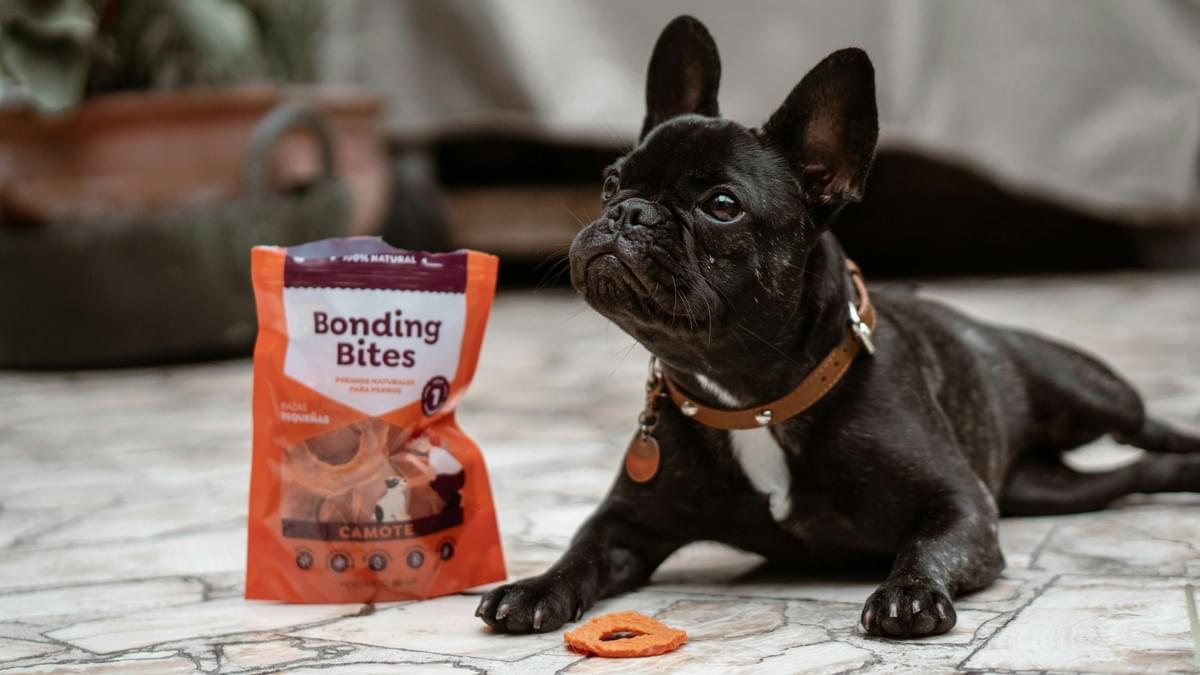
Ensuring safety and quality in pet products is more than just a good practice—it's a necessity for keeping our furry friends safe and happy. With so many items on the market, from chew toys to grooming supplies, rigorous Pet Products Quality Control is essential to prevent harmful substances like Polyvinyl chloride (PVC), Phthalates, and Bisphenol A (BPA) from slipping through the cracks. Implementing comprehensive quality control measures not only safeguards pets but also helps brands avoid costly recalls and reputation damage.
Ensuring Safety and Quality in Pet Products
Pet owners want peace of mind knowing that every toy, accessory, or treat they give their pets meets strict safety standards. This involves thorough testing for potential hazards like PVC or BPA leaching into products, which can pose health risks to animals. Conducting tests such as pull tests for durability, carton drops tests for packaging resilience, and humidity tests to preserve product integrity are vital steps in maintaining high Pet Products Quality Control standards.
The Importance of Pet Products Quality Control
Quality control in pet products isn’t just about compliance; it’s about trust. Properly screening for dangerous chemicals like Phthalates or BPA ensures that pet products are safe during everyday use. Warning labels play a crucial role here—they inform consumers about any potential risks while rigorous testing like the carton drops test or humidity test guarantees that packaging remains intact during shipping and storage.
How Quality Control Protects Your Brand Reputation
A brand known for meticulous Pet Products Quality Control gains a competitive edge by building consumer confidence and loyalty. When companies implement safety measures such as pull tests to prevent breakage or conduct regular humidity tests to maintain product quality, they demonstrate a commitment to pet safety that resonates with customers. Ultimately, consistent quality checks protect your brand reputation by minimizing recalls caused by defective or unsafe products, ensuring your business stays on top of the game.
The Fundamentals of Pet Products Quality Control
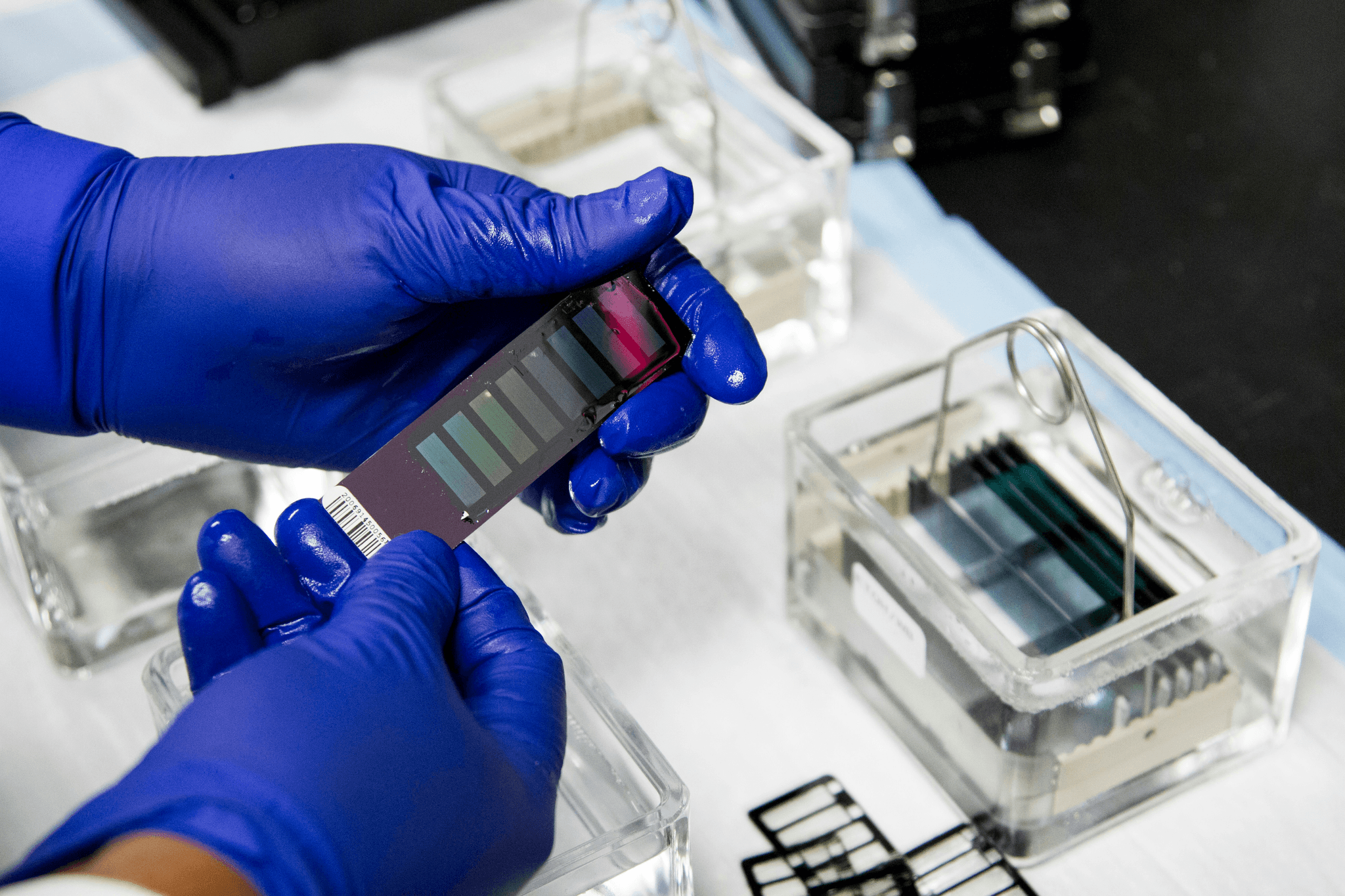
Understanding the core principles of Pet Products Quality Control is essential for manufacturers aiming to deliver safe and reliable items for our furry friends. This process involves rigorous testing and inspection to ensure products meet safety standards and do not pose health risks to pets or their owners. Implementing proper quality control measures not only protects pets but also enhances brand reputation in a competitive market.
One of the most critical aspects of Pet Products Quality Control is monitoring materials like Polyvinyl chloride (PVC), which is widely used in pet toys and accessories. PVC must be tested thoroughly because it can contain harmful substances such as Phthalates, which are plasticizers linked to health concerns. Ensuring that PVC used in pet products is free from dangerous levels of Phthalates is a key step in safeguarding pet health.
In addition, Bisphenol A (BPA) testing has become a standard part of Pet Products Quality Control, especially for items involving plastics or packaging that may come into contact with pets or pet food. BPA has been associated with hormonal disruptions, so verifying its absence through specific tests helps maintain product safety. Regularly conducting these tests ensures that pet products comply with safety regulations and do not inadvertently expose pets to toxic chemicals.
To effectively uphold Pet Products Quality Control, manufacturers employ common testing procedures such as Pull tests to assess durability and prevent breakage during play or use. Carton drops test ensures packaging can withstand transportation stresses without compromising product integrity, while humidity tests help preserve the product’s quality over time by simulating various environmental conditions. These comprehensive tests form the backbone of a reliable quality control system that prioritizes pet safety at every stage.
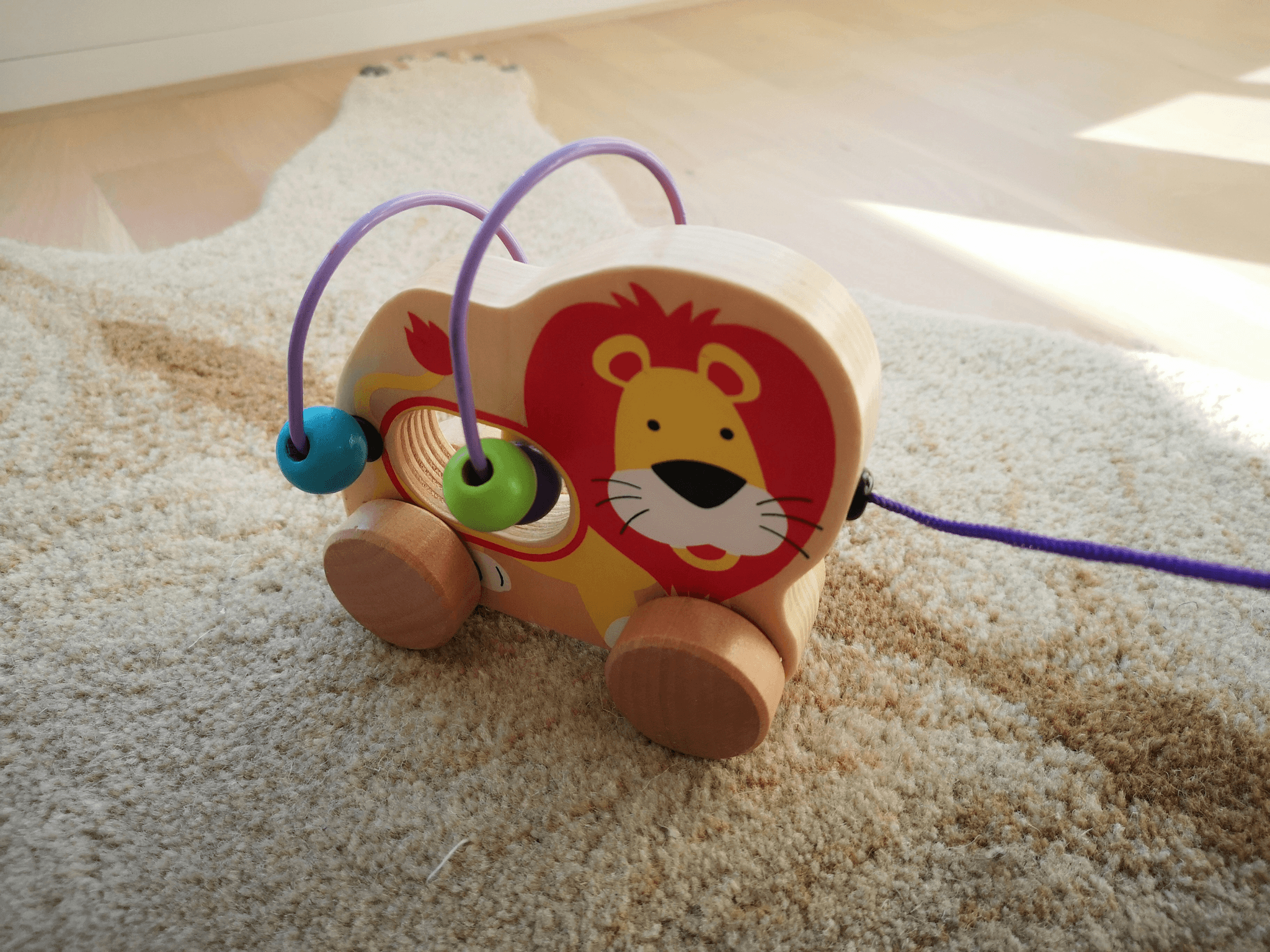
Ensuring the safety of pets starts with rigorous Pet Products Quality Control measures that catch potential hazards before they reach furry owners. From testing materials to assessing packaging durability, every step is designed to minimize risks and uphold high safety standards. Incorporating comprehensive safety checks not only protects pets but also reinforces brand trust in a competitive market.
Conducting Pull Tests to Prevent Breakage
Pull tests are a cornerstone of Pet Products Quality Control, especially for chew toys, leashes, and other items prone to stress fractures. These tests simulate real-world tugging scenarios to ensure products won’t unexpectedly snap or shatter, which could pose choking hazards or injuries. By verifying that materials like Polyvinyl chloride (PVC) are durable enough under pressure, brands can confidently reduce product recalls and safeguard pet health.
It's crucial to scrutinize components for harmful substances such as Phthalates and Bisphenol A (BPA) during these tests because these chemicals can leach out if the product fails prematurely. A successful pull test signifies that the item can withstand typical pet interactions without compromising safety or quality. Regularly conducting these tests forms a vital part of Pet Products Quality Control, protecting both pets and brand reputation.
Implementing Carton Drops Tests for Packaging Durability
Packaging plays a pivotal role in maintaining product integrity during transit, making carton drops tests an essential part of Pet Products Quality Control. This test involves dropping cartons from specified heights to evaluate how well packaging protects delicate items from damage—think of it as giving your package a little drop kick to see if it holds up. Durable packaging not only preserves product quality but also prevents accidental exposure of hazardous substances like BPA or phthalates.
Warning labels on pet products are often overlooked but are critical in conveying safety information; however, if packaging fails during drops, those labels might become unreadable or detached—defeating their purpose entirely. Incorporating carton drops tests ensures that your pet products arrive intact and safe for use while maintaining compliance with industry standards for packaging safety. Remember: good Pet Products Quality Control includes robust testing that keeps pets safe from potential hazards hidden within fragile packages.
Using Humidity Tests to Preserve Product Integrity
Humidity tests are an often-underappreciated aspect of Pet Products Quality Control but are vital when dealing with moisture-sensitive materials like certain plastics or rubber components embedded in toys and accessories. Excess moisture can accelerate deterioration or promote mold growth, which is unsafe for pets and compromises material safety—especially if plastics contain residual Phthalates or BPA residues.
By simulating various environmental conditions through humidity testing, manufacturers can identify vulnerabilities in both raw materials and finished products before they reach consumers. This process helps prevent issues like warping, cracking, or chemical leaching—all threats that could endanger pets’ health if undetected during production stages. Investing in humidity tests underscores a commitment to long-term quality assurance crucial for protecting our beloved pets through meticulous Pet Products Quality Control practices.
Regulatory Compliance and Consumer Trust
Navigating the world of Pet Products Quality Control requires a keen eye on regulatory compliance and transparency. Consumers today are more informed and scrutinize warning labels to ensure their pets’ safety, making clear labeling essential in the pet industry. Properly designed warning labels not only communicate potential hazards but also demonstrate a company's commitment to Pet Products Quality Control, boosting consumer confidence.
Ensuring compliance with industry standards involves rigorous testing for substances like Polyvinyl chloride (PVC), Phthalates, and Bisphenol A (BPA). These chemicals are common concerns in pet products, especially in flexible plastics or packaging materials. Conducting comprehensive Pet Products Quality Control measures such as Carton drops tests and Humidity tests helps verify that products meet safety benchmarks and regulatory requirements, reducing risks associated with chemical leaching or material failure.
Building trust through transparent quality processes is vital for brands aiming to stand out in the competitive pet market. Sharing details about how Pet Products Quality Control is integrated into manufacturing—such as routine Pull tests to prevent breakage or humidity assessments to preserve product integrity—can reassure customers that their pets' safety is prioritized. When consumers see consistent adherence to standards like proper warning labels and thorough testing protocols, they develop loyalty rooted in confidenc
Real-World Examples of Quality Control Success
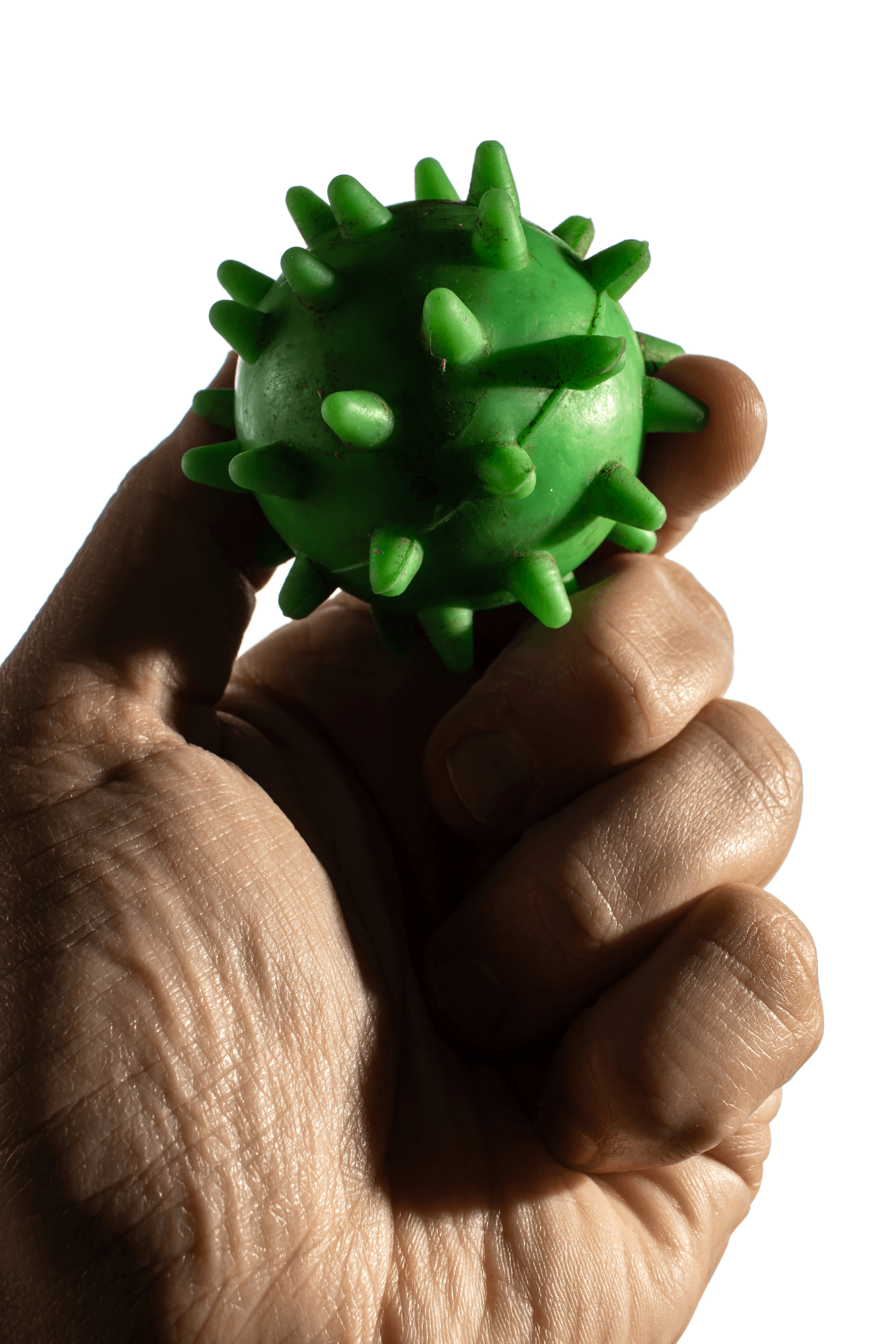
When it comes to Pet Products Quality Control, some brands truly set the bar high by implementing rigorous testing protocols and safety measures. These companies understand that a proactive approach not only protects pets but also builds consumer trust and brand loyalty. Let’s explore how industry leaders are making quality assurance their top priority.
Case Study: Chewy's High-Quality Standards
Chewy has become synonymous with pet product excellence, thanks in part to its unwavering commitment to Pet Products Quality Control. They conduct comprehensive tests on materials like Polyvinyl chloride (PVC) and ensure products are free from harmful substances such as Phthalates and Bisphenol A (BPA). Regularly performing pull tests on chew toys and other accessories helps prevent breakage, while carton drops tests guarantee packaging durability, ensuring safety during transit.
How Kong Keeps Safety Front and Center
Kong is renowned for its focus on pet safety, integrating advanced Pet Products Quality Control measures into every stage of production. They utilize humidity tests to preserve product integrity in various climates and implement warning labels where necessary to inform consumers about safe usage. By routinely conducting pull tests on their rubber toys and carton drops tests for packaging, Kong minimizes the risk of product failure or damage, reinforcing their reputation for safety-first pet products.
PetSafe’s Use of Rigorous Testing Protocols
PetSafe exemplifies industry-leading Pet Products Quality Control through a suite of rigorous testing protocols designed to protect pets at all times. Their team performs humidity tests to prevent mold or deterioration, especially in humid environments. Additionally, they enforce strict pull test standards on all chew items and carry out carton drops tests regularly to ensure packaging withstands rough handling—these efforts are complemented by clear warning labels that communicate safety information effectively.
Partnering with China Inspection Pro for Superior Quality Assurance
Partnering with a seasoned inspection service like China Inspection Pro can significantly boost your Pet Products Quality Control efforts. Their expertise ensures that every product, from toys to grooming tools, meets stringent safety standards by thoroughly testing for harmful substances such as PVC, Phthalates, and BPA. With their help, brands can confidently pass pull tests and carton drops tests, reducing the risk of defective packaging or breakage that could harm pets or damage reputation.
Who Is China Inspection Pro and What They Offer
China Inspection Pro is a leading inspection company specializing in Pet Products Quality Control across manufacturing hubs in Asia. They provide comprehensive services including material analysis for PVC content, testing for Phthalates and Bisphenol A (BPA), and evaluating packaging durability through carton drops tests. Their team is well-versed in industry standards, ensuring your pet products are free from hazardous chemicals and comply with global safety regulations like warning labels and humidity tests.
How Their Service Enhances Pet Products Quality Control
Their detailed inspections incorporate critical testing areas such as humidity tests to preserve product integrity during shipping and storage, alongside pull tests to prevent pet toys from breaking easily. China Inspection Pro’s rigorous assessment of warning labels guarantees consumers are informed about any potential risks associated with PVC or BPA exposure. By turning inspection findings into actionable improvements—like replacing materials that fail certain standards—they help brands uphold high Pet Products Quality Control benchmarks that foster consumer trust.
Turning Inspection Findings into Safety and Quality Improvements
Once inspections reveal issues—say, excessive Phthalates or weak packaging from failed carton drops tests—China Inspection Pro collaborates with manufacturers to implement corrective measures swiftly. This might involve sourcing safer materials or redesigning packaging to withstand humidity fluctuations without compromising safety or quality control standards involving PVC content or BPA levels. Ultimately, their insights translate into safer pet products that meet regulatory compliance while reinforcing brand reputation through transparent quality processes.
Conclusion
Prioritizing pet safety through rigorous Pet Products Quality Control isn’t just a good idea—it’s an industry must. Implementing comprehensive testing protocols, like pull tests for durability, carton drops tests for packaging resilience, and humidity tests to maintain product integrity, helps prevent issues caused by materials such as PVC, phthalates, or BPA. When brands make safety their top priority, they protect pets and their reputation from the risks associated with subpar quality control measures.
Prioritizing Pet Safety Through Quality Control
Focusing on Pet Products Quality Control ensures that every item on the shelf is safe and reliable for pets. This means scrutinizing materials like polyvinyl chloride (PVC) to prevent harmful chemical leaching, especially from substances like phthalates and Bisphenol A (BPA). By emphasizing warning labels when necessary and conducting pull tests to check for breakage, companies demonstrate a commitment to pet safety that resonates with conscientious consumers.
The Long-Term Benefits of Consistent Quality Checks
Maintaining consistent Pet Products Quality Control yields long-term benefits such as brand trust and customer loyalty. Regularly performing carton drops tests guarantees packaging durability during transit, reducing returns and complaints. Incorporating humidity tests preserves product integrity over time—crucial when dealing with sensitive components or materials prone to degradation—ultimately safeguarding your reputation against costly recalls or negative feedback related to PVC or BPA concerns.
Make Quality Control a Non-Negotiable Standard in Pet Industry
In the fiercely competitive pet industry, making quality control non-negotiable sets your brand apart as a leader in pet safety. Enforcing strict standards—like verifying warning labels are clear and accurate—ensures compliance with regulations while building consumer trust. Partnering with trusted inspection providers can turn insights into actionable improvements; this proactive approach guarantees your products withstand scrutiny regarding PVC content, phthalates levels, BPA presence, and overall durability tested through pull tests or humidity assessments.