
Introduction
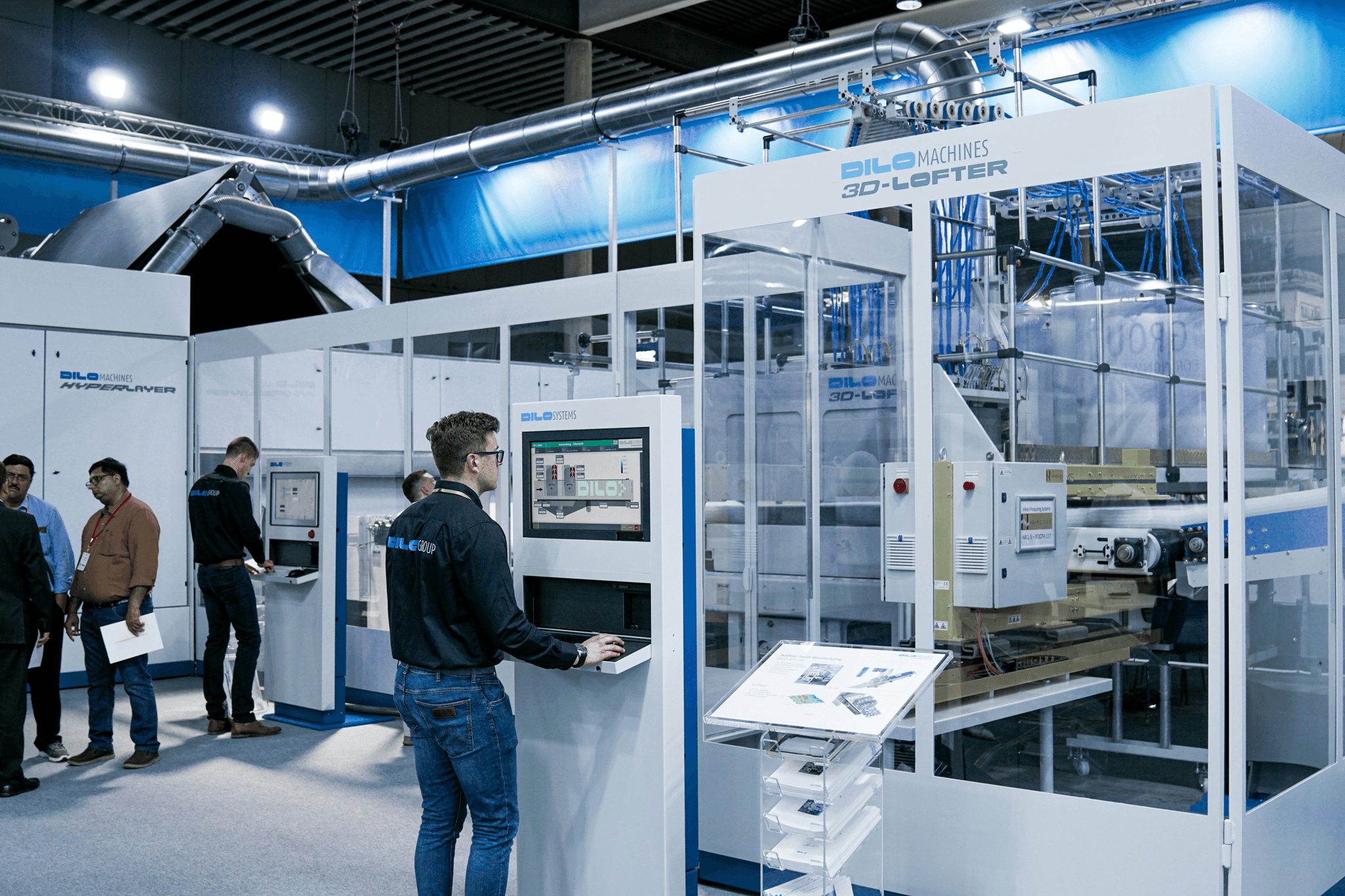
Understanding what do we mean by productivity in manufacturing is the first step toward boosting manufacturing productivity. It’s not just about working harder but smarter—analyzing and improving processes to get the most out of every resource. When you grasp your current productivity level, you can identify gaps and opportunities to implement AI and machine learning (ML) tools that streamline operations and reduce manual errors.
Knowing how to see and understand your productivity level is crucial; it’s like having a dashboard for your factory’s health. By measuring key metrics, you can make informed decisions on when to outsource when you can, or invest in new technology to drive efficiency. Improving these aspects ultimately leads to increased profitability and sustained growth, proving that motivated staff and smart process analysis are game-changers.
Feel free to ask for the next section or any revisions!
Setting Clear Productivity Goals
Establishing clear productivity goals is the first step toward boosting manufacturing productivity. But what do we mean by productivity? It’s not just about working harder; it’s about working smarter, optimizing every process to get more output with less waste. When you know how to see and understand your productivity level, you can set realistic targets that push your team toward continuous improvement without setting them up for failure.
Knowing your current standing helps you analyze and improve processes effectively. By defining measurable and achievable targets, you make it easier to track progress and identify areas where technology like AI and machine learning (ML) can be integrated to enhance efficiency. Remember, the goal isn’t just lofty ambitions but tangible milestones that motivate staff and keep everyone aligned on boosting manufacturing productivity.
Aligning these goals with your overall business strategy ensures every effort contributes directly to growth. When objectives are clear and connected to broader company aims, motivating your staff becomes much easier because they understand how their work impacts success. Don’t forget—outsource when you can—particularly non-core activities—so your team can focus on core tasks that truly boost manufacturing productivity.
Effective communication is key in this process. Clearly articulate expectations so everyone understands their role in achieving these targets. Regular updates, feedback sessions, and celebrating small wins keep motivation high and ensure that everyone stays focused on the ultimate goal: sustained improvements in manufacturing productivity.
Analyzing and Improving Processes

To truly Boost Manufacturing Productivity, you first need to analyze and improve your existing processes. Understanding what do we mean by productivity? It’s not just about output, but also the efficiency of how resources are utilized. By mapping out current workflows, you can see and understand your productivity level clearly—spotting where delays or redundancies sneak in and hinder progress.
Once you've laid out your workflows, the next step is to identify bottlenecks and inefficiencies that slow down production. These pinch points often hide in plain sight, like outdated machinery or unnecessary steps that could be eliminated. Recognizing these issues is crucial because it allows you to focus on what needs fixing most urgently—be it manual errors or time-consuming procedures—so you can implement targeted improvements.
Implementing lean manufacturing principles is a game-changer when it comes to streamline operations effectively. Lean methods help eliminate waste, optimize resource use, and foster continuous improvement—key ingredients for boosting manufacturing productivity. With tools like AI and machine learning (ML), you can analyze data faster than ever before, revealing hidden inefficiencies that might have gone unnoticed otherwise.
Outsourcing when you can is another strategic move during this process review. For tasks that aren’t core to your business but still impact overall productivity, outsourcing offers a way to free up internal resources for more critical activities. This approach complements analyzing and improving processes by ensuring every part of your operation runs as smoothly as possible—maximizing output without stretching your team thin.
Motivating your staff plays a vital role in sustaining improvements over time. When employees understand how their work impacts overall productivity and are involved in process enhancements, they’re more likely to buy into new strategies. Creating a culture of continuous improvement encourages everyone to analyze and improve processes actively, making boosting manufacturing productivity an ongoing journey rather than a one-off project.
Leveraging Technology and Innovation

In the quest to boost manufacturing productivity, embracing cutting-edge technology is no longer optional—it's essential. Integrating AI and machine learning (ML) can revolutionize how your factory operates, turning complex data into actionable insights. When you understand what do we mean by productivity in this context, leveraging these tools helps analyze and improve processes faster than ever before, giving you a competitive edge.
By utilizing automation, you can significantly reduce manual errors—saving time, lowering costs, and increasing overall efficiency. Automation isn't just about replacing human effort; it's about empowering your team to focus on higher-value tasks while machines handle repetitive ones. Remember, motivate your staff by showing them how technology can make their work easier; this keeps morale high and productivity levels soaring.
Partnering with reliable inspection services like China Inspection Pro is also a smart move to ensure quality assurance and inspection are seamlessly integrated into your workflow. Outsource when you can—especially tasks that don't directly add value—so you can concentrate on core activities that truly boost manufacturing productivity. The smarter use of technology combined with strategic outsourcing creates a synergy that propels your business forward.
Outsourcing When You Can
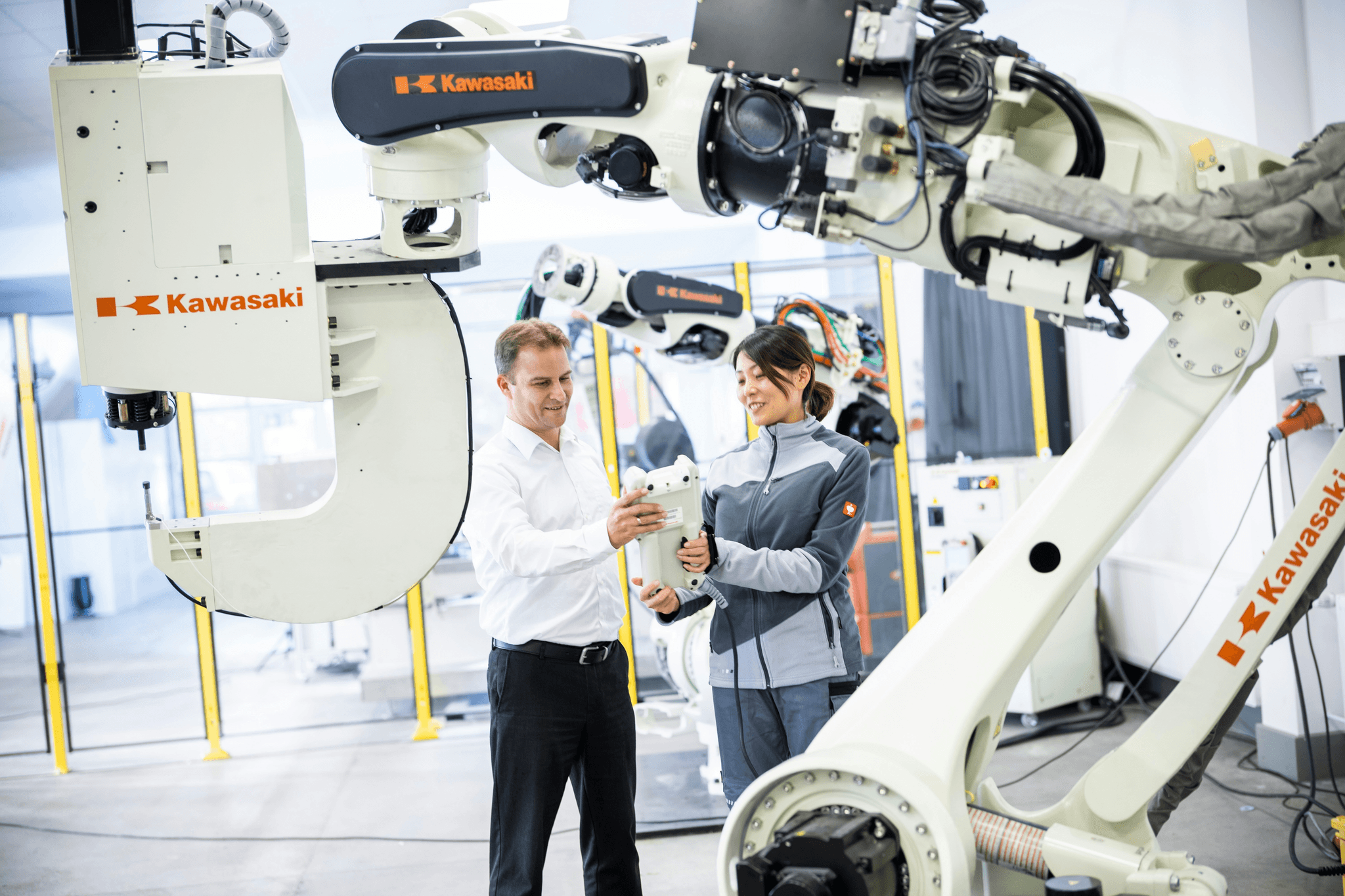
Knowing when to outsource is a key step in boosting manufacturing productivity. Recognizing non-core activities suitable for outsourcing allows you to free up resources and focus on what truly drives your business forward. By analyzing and improving processes, you can identify tasks that don’t require your direct involvement, making outsourcing a strategic move to optimize overall efficiency.
Finding reliable partners to handle specialized tasks is crucial. When you outsource when you can, selecting experienced providers ensures quality and consistency, which directly impacts your productivity level. Leveraging technology like AI and machine learning (ML) can also help in vetting partners by assessing their capabilities and performance metrics, giving you peace of mind that your outsourced operations meet high standards.
Balancing in-house and outsourced operations for maximum efficiency requires careful planning. It’s important to understand what do we mean by productivity? — it’s not just about output but also about how efficiently resources are used. When done right, this balance motivates your staff by allowing them to focus on core activities while outsourcing handles the rest, ultimately creating a more motivated workforce dedicated to continuous improvement.
Motivating Your Staff for Peak Performance
Motivating your staff is the secret sauce to truly boosting manufacturing productivity. When employees feel valued and engaged, they’re more likely to analyze and improve processes, leading to smoother operations and higher output. Remember, understanding what do we mean by productivity? It’s not just about numbers but about inspiring your team to reach new heights every day.
Creating a culture of continuous improvement is essential in today’s fast-paced manufacturing world. When you foster an environment where feedback is welcomed and innovation encouraged, your team will naturally strive to boost manufacturing productivity. This mindset helps everyone see how their efforts directly impact overall success, making it easier to see and understand your productivity level at any given time.
Providing training and development opportunities keeps your staff sharp and ready for the latest tech trends like AI and machine learning (ML). Employees who are well-trained are more confident in analyzing and improving processes, which directly contributes to higher efficiency. Plus, when you outsource when you can—such as specialized training or advanced automation—you free up resources that can be reinvested into motivating your staff further.
Recognizing and rewarding employee contributions isn’t just about handing out bonuses; it’s about creating a motivational atmosphere that encourages continuous improvement. Celebrating milestones—big or small—can inspire your team to keep pushing boundaries and exploring new ways to boost manufacturing productivity. When employees see their efforts acknowledged, they’re more likely to stay motivated for peak performance.
Conclusion

Successfully boosting manufacturing productivity requires a strategic approach that combines measurable steps, innovative technology, and motivated staff. When you implement clear, achievable goals and analyze and improve processes regularly, you can see and understand your productivity level more clearly. This understanding is the foundation for making informed decisions that lead to sustainable growth and efficiency.
Implementing measurable steps to boost manufacturing productivity
To truly boost manufacturing productivity, start by setting specific, measurable targets aligned with your business objectives. Tracking key performance indicators (KPIs) helps you see and understand your productivity level at any given moment. By taking small but consistent steps—like reducing waste or optimizing workflows—you can make meaningful improvements that add up over time.
Using technology and outsourcing smartly to enhance output
Leveraging AI and machine learning (ML) is a game-changer for analyzing and improving processes, allowing you to identify inefficiencies swiftly. Outsource when you can to focus on core activities while partnering with experts who excel at certain tasks—this is how you maximize efficiency without spreading yourself too thin. Combining these strategies ensures you're not just working harder but smarter, ultimately boosting manufacturing productivity.
Maintaining a motivated workforce for sustained success
Motivating your staff is essential for long-term success; a motivated team consistently contributes to higher output levels. Recognize employee contributions regularly and invest in training opportunities—these actions keep morale high and reinforce the importance of continuous improvement. When your team feels valued and engaged, maintaining high levels of productivity becomes second nature.