
Introduction

Ensuring the safety and longevity of structures heavily relies on meticulous Structural Steel Inspection. This process is vital for catching potential issues early, preventing costly failures, and maintaining overall durability. When it comes to Structural Steel Inspection, thoroughness isn’t just recommended—it's essential for peace of mind and long-term performance.
Why Structural Steel Inspection Matters for Safety and Durability
Structural Steel Inspection plays a crucial role in safeguarding lives and investments by identifying surface defects, misalignments, and internal flaws that could compromise a building’s integrity. Regular inspections help detect corrosion or fatigue before they escalate into serious hazards. Incorporating Dimensions Inspection, Acoustic Inspection, and Mechanical Inspection into this process ensures every aspect of the steel's condition is carefully evaluated.
Key Benefits of a Thorough Inspection Process
A comprehensive approach to Structural Steel Inspection offers multiple benefits: improved safety standards, extended lifespan of steel components, and compliance with industry regulations. Employing various inspection techniques like Visual Inspection allows inspectors to spot red flags early on, while Dimensions Inspection guarantees precise measurements aligned with design tolerances. Additionally, Acoustic Inspection helps uncover hidden internal flaws that surface checks might miss.
How China Inspection Pro Ensures Reliable Quality Control
Partnering with China Inspection Pro means leveraging expertise in all facets of Structural Steel Inspection—from visual assessments to advanced Acoustic Inspections—ensuring reliable quality control at every stage. Their team meticulously reviews design specifications and performs rigorous Mechanical Inspections to verify load-bearing capacity and weld quality. By integrating detailed Dimensions Inspection alongside non-destructive testing methods, they deliver comprehensive reports that uphold the highest standards of safety and durability.
Preparing for a Structural Steel Inspection
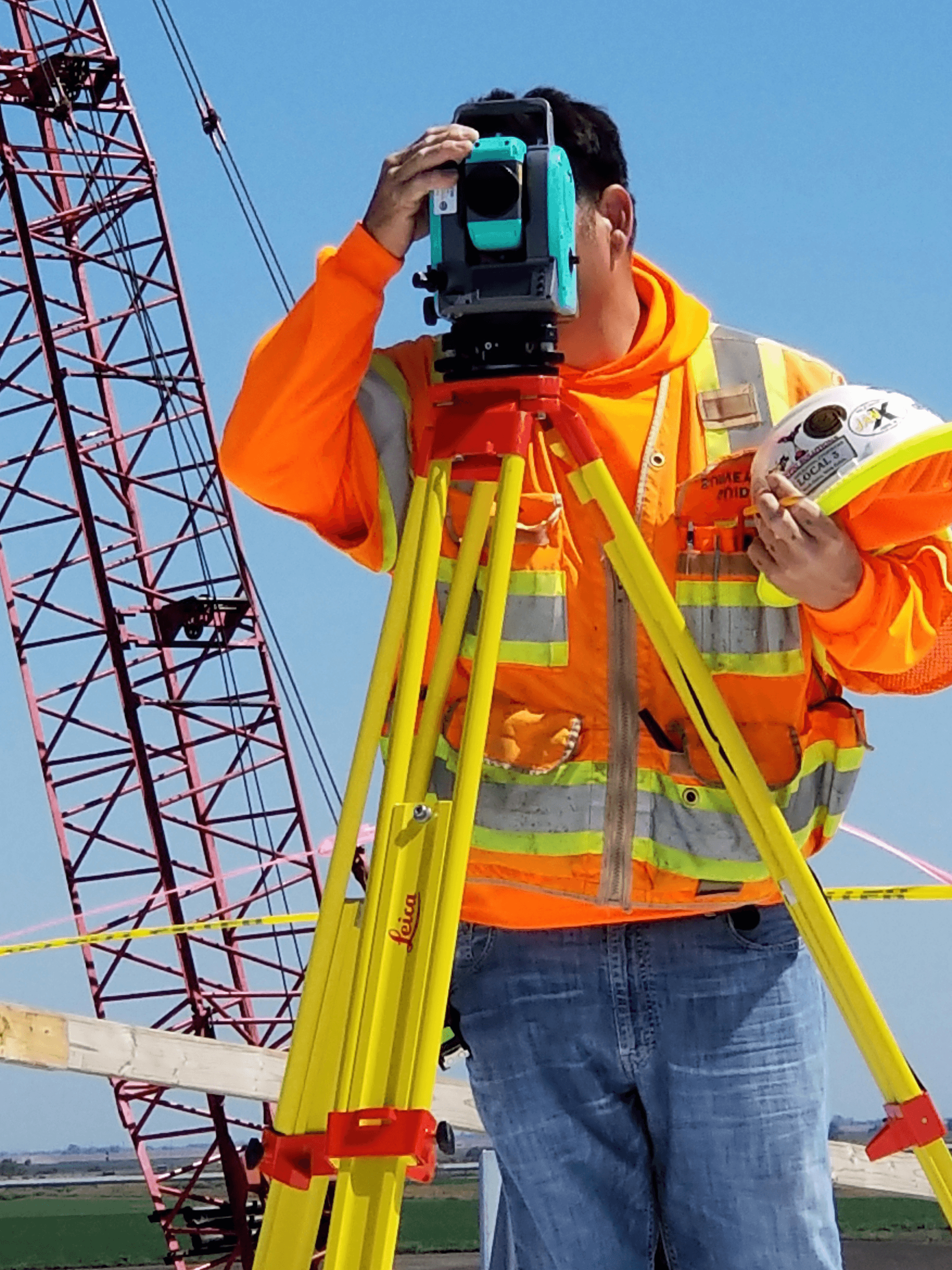
Getting ready for a structural steel inspection is like preparing for a big game; the more you plan, the better your chances of success. It all begins with reviewing the design specifications and standards to ensure that every bolt, beam, and weld aligns with industry benchmarks. This initial step sets the foundation for a comprehensive inspection process that includes dimensions inspection, acoustic inspection, and mechanical inspection—each critical in verifying the integrity of your steel structure.
Once you've familiarized yourself with the design standards, gathering accurate documentation and records becomes paramount. Detailed blueprints, material certificates, previous inspection reports, and maintenance logs serve as your roadmap during the structural steel inspection process. These documents help inspectors perform precise dimensions inspections and identify potential issues early on before they escalate into costly repairs or safety hazards.
Ensuring proper access to inspection sites is often overlooked but absolutely essential. Clear pathways for inspectors to reach all key areas allow thorough visual inspections and facilitate non-destructive testing methods like acoustic inspections or mechanical tests. Without proper access, even the most meticulous structural steel inspection can miss critical flaws that compromise safety or durability.
Visual Inspection Techniques and Common Red Flags
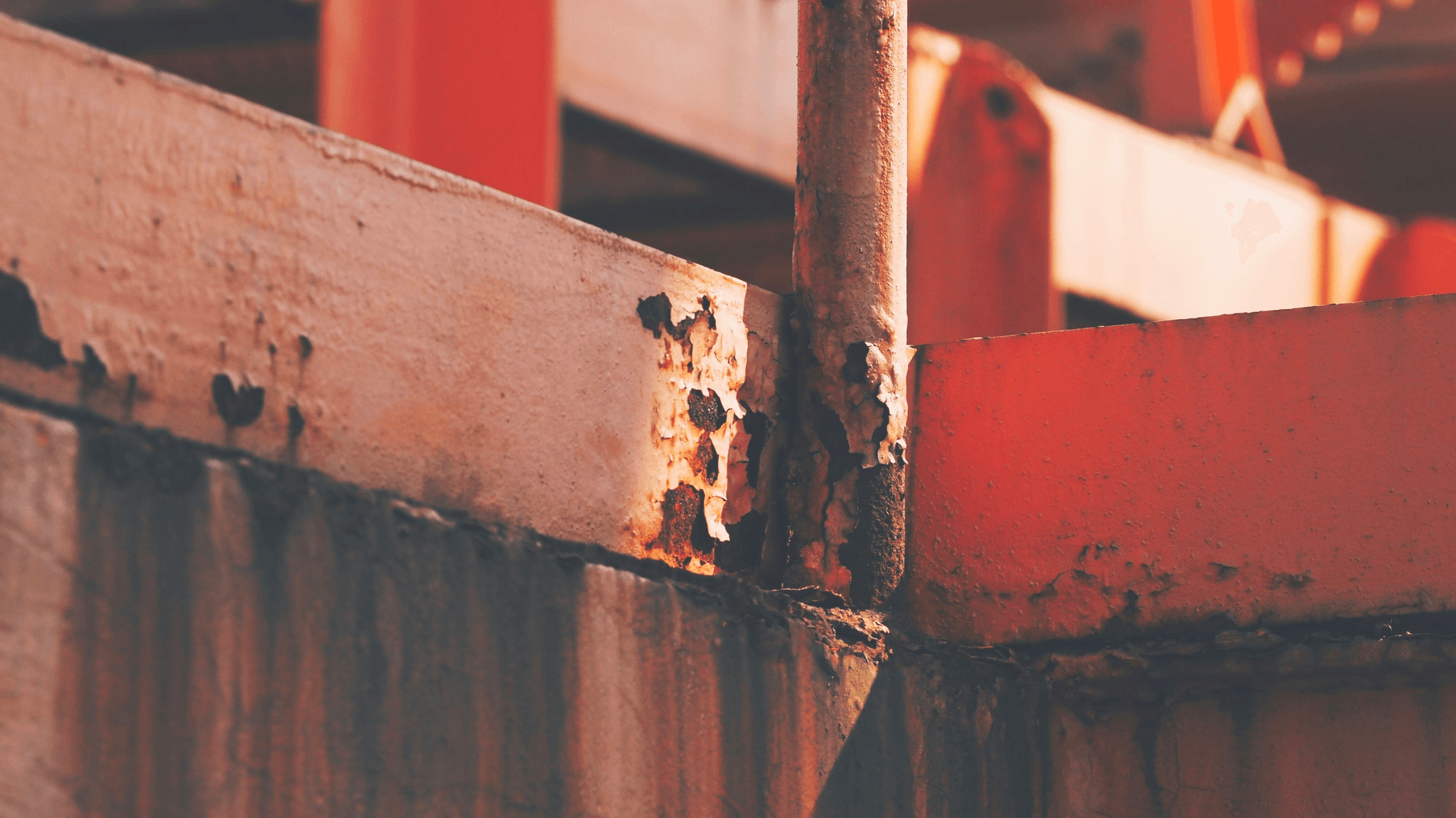
When it comes to Structural Steel Inspection, a keen eye during visual inspection can reveal more than just surface dirt. It’s the first line of defense in catching issues like surface defects, corrosion, misalignments, or deformations that could compromise the entire structure down the line. Remember, a thorough visual inspection isn’t just about spotting obvious flaws but also understanding what those flaws might indicate about the steel’s overall health.
Identifying Surface Defects and Corrosion
Surface defects are like the warning signs on a road trip—ignorable at first glance but potentially disastrous if ignored. During a visual inspection, look for cracks, pitting, or gouges that may weaken the steel’s integrity; these are common red flags in structural steel components. Corrosion is another sneaky culprit; rust patches or flaky surfaces signal exposure to moisture and can accelerate material fatigue if left unchecked.
In a comprehensive dimensions inspection scenario, surface irregularities often hint at underlying issues—perhaps improper fabrication or damage during handling—that could affect load-bearing capacity. Acoustic inspection can complement this by detecting internal flaws hidden beneath corroded surfaces. Combining visual inspection with other methods ensures no defect escapes unnoticed, safeguarding long-term safety and durability.
Spotting Misalignments and Deformations
Misalignments and deformations are like crooked picture frames—they might seem minor but can throw off the entire aesthetic and structural balance of your project. During visual inspection, pay close attention to weld lines, joints, and connection points for signs of shifting or warping that breach design specifications. These red flags often point to poor installation practices or material fatigue creeping in over time.
Dimensions inspection plays a crucial role here—accurate measurements help verify whether steel sections meet their specified tolerances. When combined with acoustic inspection techniques to detect internal cracks or weaknesses caused by misalignment stresses, inspectors gain a holistic view of structural health. Promptly addressing such issues prevents costly repairs later on while maintaining compliance with safety standards.
Recognizing Signs of Material Fatigue
Material fatigue is one of those insidious problems that sneak up gradually—like that slow leak you keep ignoring until it causes water damage elsewhere. Visual cues such as hairline cracks near welds or deformation patterns suggest stress accumulation over time in structural steel elements. Recognizing these signs early through diligent visual inspections can mean the difference between simple maintenance and catastrophic failure.
Mechanical inspection techniques—including tests for elasticity and strength—are vital complements here; they help confirm whether fatigue has compromised the steel's load-bearing capacity. Incorporating acoustic inspections allows detection of internal cracks before they become visible on the surface—a proactive approach essential for long-term safety assurance in any structural steel project.
Dimensions Inspection for Precision and Compliance
When it comes to Structural Steel Inspection, getting the dimensions just right is crucial for ensuring safety and adherence to design specifications. Dimensions Inspection involves a meticulous process of measuring steel components to confirm they meet the exact tolerances set forth in engineering plans. This step acts as a safeguard against costly errors, helping projects stay on track and within budget.
Tools and Methods Used for Accurate Measurements
To perform precise Dimensions Inspection, inspectors rely on an arsenal of high-tech tools such as laser scanners, calipers, micrometers, and coordinate measuring machines (CMM). These instruments enable accurate measurement of steel sections, welds, and connections with minimal human error. Employing these tools ensures that every dimension aligns perfectly with the original design specifications during Structural Steel Inspection.
Ensuring Steel Sections Meet Design Tolerances
During the inspection process, measurements are compared against industry standards and project-specific tolerances to verify compliance. Visual Inspection plays a vital role here—spotting deviations like warping or misalignment that could compromise structural integrity later on. Regularly conducting Dimensions Inspection helps maintain quality control throughout the construction process, reducing risks associated with non-conforming steel sections.
Documenting Variations for Future Reference
All measurements obtained during Dimensions Inspection should be thoroughly documented for future reference and quality assurance purposes. Recording any variations or discrepancies allows engineers and contractors to address issues proactively before they escalate into safety concerns. Acoustic Inspection can also complement this by detecting internal flaws that might cause dimensional inconsistencies over time.
In summary, integrating comprehensive Dimensions Inspection into your Structural Steel Inspection routine not only guarantees precision but also fortifies the overall durability of your project. Remember: accurate measurements today prevent costly repairs tomorrow—and that's a win-win in any construction scenario.
Mechanical Inspection for Structural Integrity

Mechanical Inspection plays a crucial role in ensuring the safety and durability of steel structures. This phase involves rigorous testing of steel components to verify their strength, elasticity, and overall performance under load conditions. By integrating Mechanical Inspection into the broader framework of Structural Steel Inspection, engineers can identify potential weaknesses before they become costly failures, making it an indispensable part of quality control.
One of the primary focuses during Mechanical Inspection is testing steel strength and elasticity. Using advanced tools and techniques, inspectors assess whether the steel meets specified standards for tensile strength and ductility. This process often includes destructive or non-destructive testing methods that provide valuable data on how the material will behave under real-world stresses, aligning with Dimensions Inspection practices to ensure precise measurements are maintained throughout.
Evaluating welding quality and connections is another vital aspect of Mechanical Inspection. Proper welds are essential for maintaining structural integrity; flaws such as cracks or incomplete fusion can compromise entire sections. Acoustic Inspection methods come into play here, allowing inspectors to detect internal defects within welds without damaging them—saving time and money while ensuring every joint adheres to strict standards.
Verifying load-bearing capacity ties together all elements of Mechanical Inspection by confirming that steel components can support designated loads safely over time. This step often involves simulation tests or field assessments that consider the entire structure’s behavior under stress conditions. When combined with Visual Inspection for surface anomalies and Dimensions Inspection for measurement accuracy, this comprehensive approach guarantees long-term stability and safety.
Acoustic Inspection for Hidden Flaws
While a visual inspection can catch surface issues, some flaws hide beneath the steel’s shiny exterior, making Acoustic Inspection an indispensable tool in Structural Steel Inspection. This technique leverages ultrasonic waves and other non-destructive methods to peer inside the material without causing damage. It’s like giving your steel a CT scan—detecting what the naked eye cannot see, ensuring every weld and joint passes muster.
Utilizing Ultrasonic and Other Non-Destructive Methods
Ultrasonic testing is at the forefront of Acoustic Inspection, sending high-frequency sound waves into the steel to identify internal irregularities. These non-destructive methods allow inspectors to evaluate material integrity without compromising structural elements, saving time and reducing costs. When combined with other techniques like magnetic particle testing or radiography, it creates a comprehensive picture of the steel’s health—critical for thorough Dimensions Inspection and overall Structural Steel Inspection.
Detecting Internal Defects and Cracks
Internal defects such as cracks, voids, or inclusions are often invisible during a visual inspection but can spell disaster if left unchecked. Acoustic Inspection excels here by listening for echoes or anomalies that indicate flaws lurking within the steel’s core. These hidden issues could jeopardize load-bearing capacity or lead to long-term fatigue—making this step essential in any comprehensive Mechanical Inspection plan.
Assessing Material Homogeneity
Material homogeneity is vital for ensuring consistent performance across all sections of structural steel components. Acoustic techniques help assess whether the steel is uniform throughout or if inconsistencies exist that might compromise durability over time. Incorporating acoustic data into your Dimensions Inspection ensures precision and compliance with standards while providing peace of mind that your structure will stand tall through years of use.
Interpreting Inspection Findings and Reporting
Once the various inspection techniques—visual, dimensions, mechanical, and acoustic—have been completed, the real work begins: interpreting what those findings mean for the structural steel's safety and longevity. Data analysis in structural steel inspection requires a keen eye and a systematic approach to identify patterns or anomalies that could compromise integrity. By applying industry best practices, inspectors can accurately assess whether surface defects, misalignments, internal cracks, or material fatigue are within acceptable limits or demand immediate action.
Clear communication of these findings is essential to ensure that stakeholders understand the severity of issues uncovered during the inspection process. When conveying results from structural steel inspection activities, it’s important to translate technical jargon into straightforward recommendations that contractors and engineers can implement swiftly. Whether highlighting deviations in dimensions inspection or pointing out potential corrosion spotted during visual inspection, providing actionable insights helps prevent costly mistakes down the line.
Collaboration forms the backbone of effective reporting; inspectors should work closely with engineers and contractors to interpret complex data correctly. For example, insights gained from acoustic inspection revealing internal flaws can inform decisions about load capacity or necessary repairs. Sharing detailed reports that include findings from mechanical inspections—such as weld quality assessments—and dimensions inspections ensures everyone is aligned on what needs attention for long-term safety and durability.
Conclusion
Long-term safety and durability of any structure hinge on diligent and regular Structural Steel Inspection. By consistently conducting Dimensions Inspection, inspectors can catch deviations early, preventing costly repairs or catastrophic failures down the line. Incorporating Acoustic Inspection techniques allows for the detection of hidden internal flaws that aren’t visible to the naked eye, ensuring every inch of steel maintains its integrity over time.
Partnering with seasoned professionals like China Inspection Pro makes all the difference in maintaining high standards. Their expertise in Mechanical Inspection guarantees that steel components meet load-bearing requirements, while thorough Visual Inspection helps identify surface defects before they escalate. Combining these methods creates a comprehensive safety net, safeguarding your project’s longevity and resilience.
Embracing continuous improvement in steel quality isn’t just a good idea—it’s essential for staying ahead in construction safety and innovation. Regularly updating inspection protocols based on findings from Acoustic Inspection and Dimensions Inspection ensures your structures are built to last. When you prioritize ongoing assessment and collaborate with trusted inspectors, you set the stage for safer, more durable developments that stand the test of time.