
Introduction
In the realm of quality control, visual inspection stands as a cornerstone technique that ensures products meet stringent standards. This method relies on human observation and judgment to assess the quality of items, making it essential for various industries. With its roots deeply embedded in manufacturing and production processes, understanding visual inspection is crucial for anyone involved in quality assurance.
Understanding Visual Inspection in Quality Control
Visual inspection is not just about looking; it encompasses a set of core principles that guide inspectors in evaluating products effectively. The question What are the Core Principles of Visual Inspection? often arises, revolving around consistency, accuracy, and efficiency in detecting defects. By honing these principles, organizations can enhance their overall quality control processes and minimize costly errors.
The Evolution of Visual Inspection Strategies
Over time, visual inspection strategies have transformed significantly to adapt to changing industry demands and technological advancements. If we ponder How Has Visual Inspection Evolved Over Time?, we find that techniques have shifted from purely manual inspections to more sophisticated methods that incorporate technology. This evolution reflects a broader trend where businesses strive for higher standards while maintaining operational efficiency.
The Impact of Technology on Inspection Processes
Technology has undeniably reshaped how visual inspections are conducted today, introducing tools that enhance accuracy and speed. With innovations such as Remote Visual Inspection (RVI) and automated systems, the landscape has changed dramatically—making it easier than ever to identify flaws without direct contact with products. As we explore What Tools and Equipment Are Used in Visual Inspection?, it's evident that leveraging technology not only improves outcomes but also provides new avenues for thorough assessments.
Visual Inspection Explained
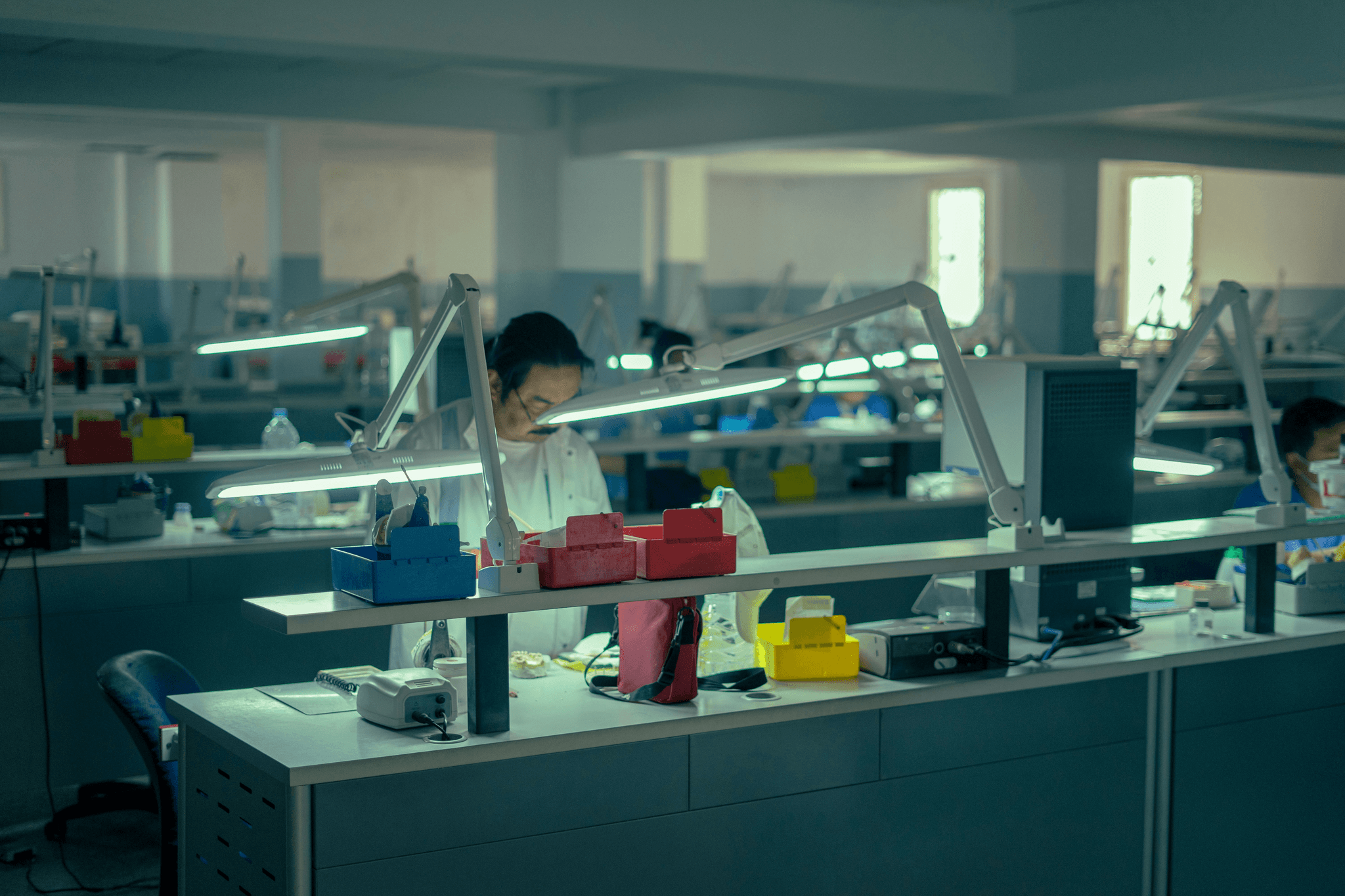
Visual inspection is a critical component of quality control, focusing on the assessment of products or processes through direct observation. This method relies heavily on the trained eye of inspectors to identify defects, ensure compliance with standards, and maintain product integrity. Understanding visual inspection is essential for any organization aiming to enhance its quality assurance practices.
What Are the Core Principles of Visual Inspection?
At its core, visual inspection hinges on a few fundamental principles that guide its effectiveness. First and foremost is the principle of observation; inspectors must be keenly aware of what constitutes a defect versus acceptable quality. Additionally, consistency in evaluation is vital—inspectors should apply uniform criteria across all inspections to minimize subjectivity and bias.
Another key principle is documentation; every finding during a visual inspection must be recorded meticulously for accountability and traceability. This not only helps in identifying trends over time but also supports continuous improvement efforts within an organization. Lastly, training plays a crucial role—inspectors need comprehensive training to recognize defects accurately and understand the implications of their findings.
How Does Visual Inspection Work?
Visual inspection operates through a systematic approach that begins with preparation before actual inspection takes place. Inspectors typically review specifications and standards relevant to the items being inspected, ensuring they know what to look for during their evaluation process. Once prepared, they proceed with examining items using various techniques that can range from basic naked-eye assessments to sophisticated methods like Remote Visual Inspection (RVI).
During the actual inspection phase, inspectors employ different tools and equipment—like magnifying glasses or cameras—to enhance their ability to detect flaws that might otherwise go unnoticed. The findings are then analyzed against predetermined criteria; any discrepancies are documented for further action or investigation. Ultimately, effective visual inspection results in informed decision-making regarding product quality and safety.
Key Components of an Effective Visual Inspection
An effective visual inspection program comprises several key components that work together seamlessly for optimal results. First among these is having well-defined procedures; clear guidelines help inspectors understand their roles and responsibilities while standardizing practices across teams. This ensures everyone involved knows how to conduct inspections consistently.
Next, employing appropriate tools and equipment significantly enhances the accuracy of visual inspections—high-quality cameras or specialized lighting can reveal details invisible to the naked eye while facilitating Remote Visual Inspection (RVI). Furthermore, regular training sessions keep inspectors updated on new techniques and technologies within visual inspection practices.
Finally, feedback loops are essential; incorporating insights from past inspections into future processes fosters continuous improvement within an organization's quality control framework. By regularly reviewing outcomes and making necessary adjustments based on inspector feedback or technological advancements, organizations can refine their visual inspection strategies over time.
Historical Perspective

Visual inspection has come a long way since its inception, evolving from rudimentary checks to sophisticated techniques that integrate modern technology. Initially, visual inspection relied heavily on human observation and manual methods, often resulting in inconsistent results due to subjective interpretations. Over time, advancements in tools and methodologies have transformed visual inspection into a critical component of quality control across various industries.
How Has Visual Inspection Evolved Over Time?
The evolution of visual inspection can be traced back centuries when artisans would manually check their work for defects. As industries grew during the Industrial Revolution, the need for standardized inspection processes became evident, leading to more formalized techniques. Today, we see a blend of traditional methods and advanced technologies like Remote Visual Inspection (RVI), which allows inspectors to assess hard-to-reach areas without physical access.
Major Milestones in Visual Inspection Development
Several key milestones mark the development of visual inspection practices. The introduction of optical aids such as magnifying glasses and borescopes significantly enhanced the ability to detect flaws at smaller scales. More recently, the advent of automated systems and machine learning algorithms has revolutionized how we approach visual inspections, allowing for faster and more accurate assessments.
Influential Figures in Visual Inspection
Throughout history, certain individuals have made significant contributions to the field of visual inspection. Pioneers in quality control like W. Edwards Deming emphasized statistical process control methods that improved inspection accuracy and consistency. Additionally, innovators who developed advanced imaging technologies have played crucial roles in shaping modern techniques used today—ensuring that visual inspection remains an indispensable tool for maintaining product quality.
Types of Visual Inspection Techniques
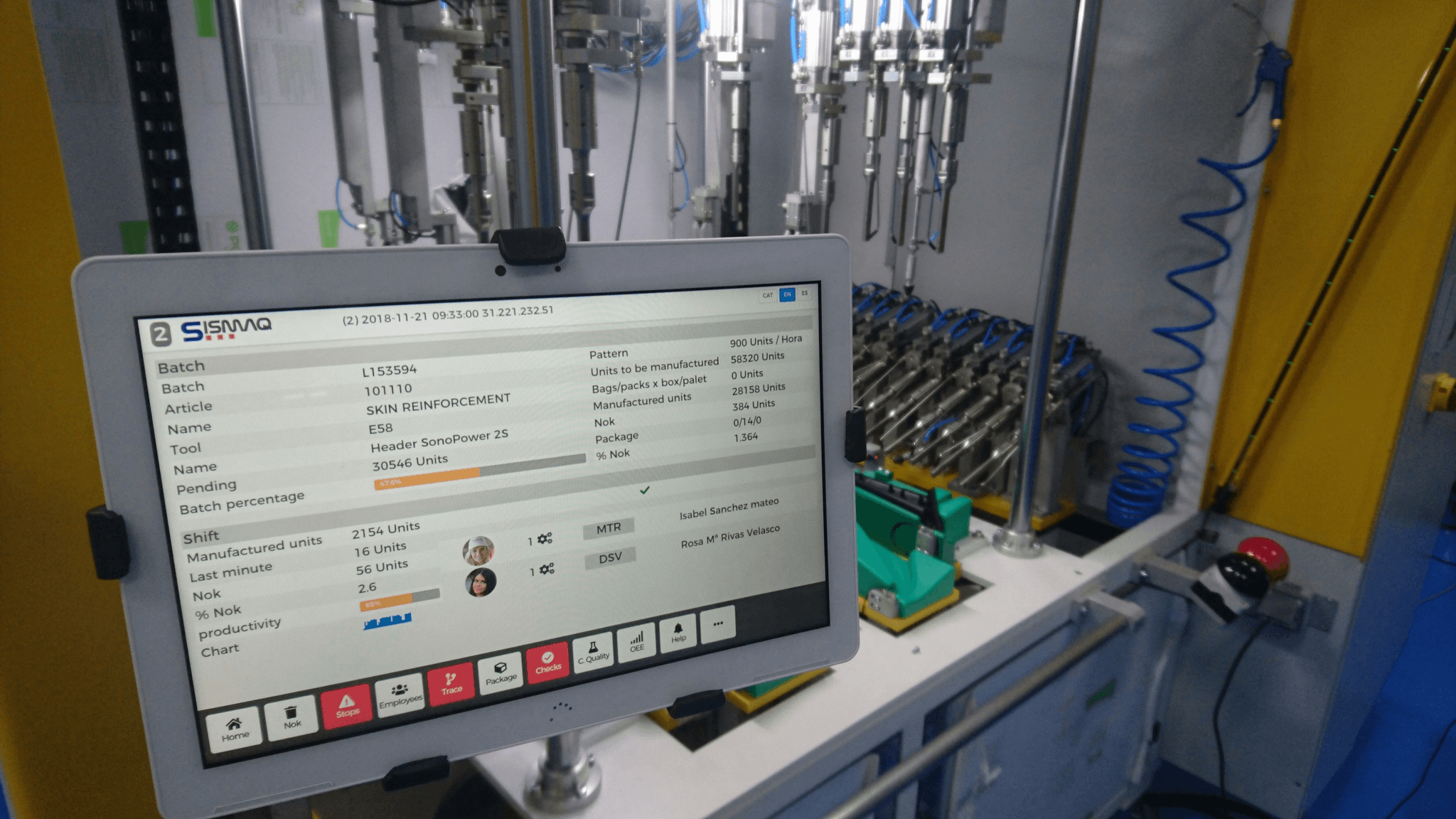
In the realm of quality control, visual inspection techniques play a pivotal role in ensuring products meet the highest standards. Understanding the different types of visual inspection techniques is essential for any organization aiming to enhance its quality assurance processes. From manual checks to advanced automated systems, these techniques cater to various needs and environments.
What Are the Different Types of Visual Inspection Techniques?
Visual inspection techniques can be broadly categorized into several types, each suited for specific applications and environments. The most common methods include direct visual inspection, where inspectors use their eyes to identify defects, and indirect methods like Remote Visual Inspection (RVI), which employs cameras and other technologies for hard-to-reach areas. Each technique has its own set of advantages and challenges, making it crucial for organizations to choose wisely based on their unique requirements.
Manual vs. Automated Inspection: Pros and Cons
When it comes to visual inspection, one of the key debates is between manual and automated systems. Manual inspection relies on human skills—inspectors can often catch nuances that machines might miss; however, it may introduce variability due to fatigue or subjective judgment. On the flip side, automated inspections offer consistency and speed but may struggle with complex defect identification without sophisticated programming—finding a balance between these two approaches is essential for effective quality control.
Specialty Techniques: Close-Up and Remote Visual Inspection
Specialty techniques in visual inspection provide solutions tailored for specific challenges encountered during inspections. Close-up visual inspections allow inspectors to examine intricate details using magnification tools or specialized lighting conditions, which can reveal defects invisible to the naked eye. Meanwhile, Remote Visual Inspection (RVI) employs cameras or drones to inspect hard-to-reach areas safely; this technique not only enhances safety but also reduces downtime in industries like aerospace or construction where access can be limited.
The Advantages of Visual Inspection
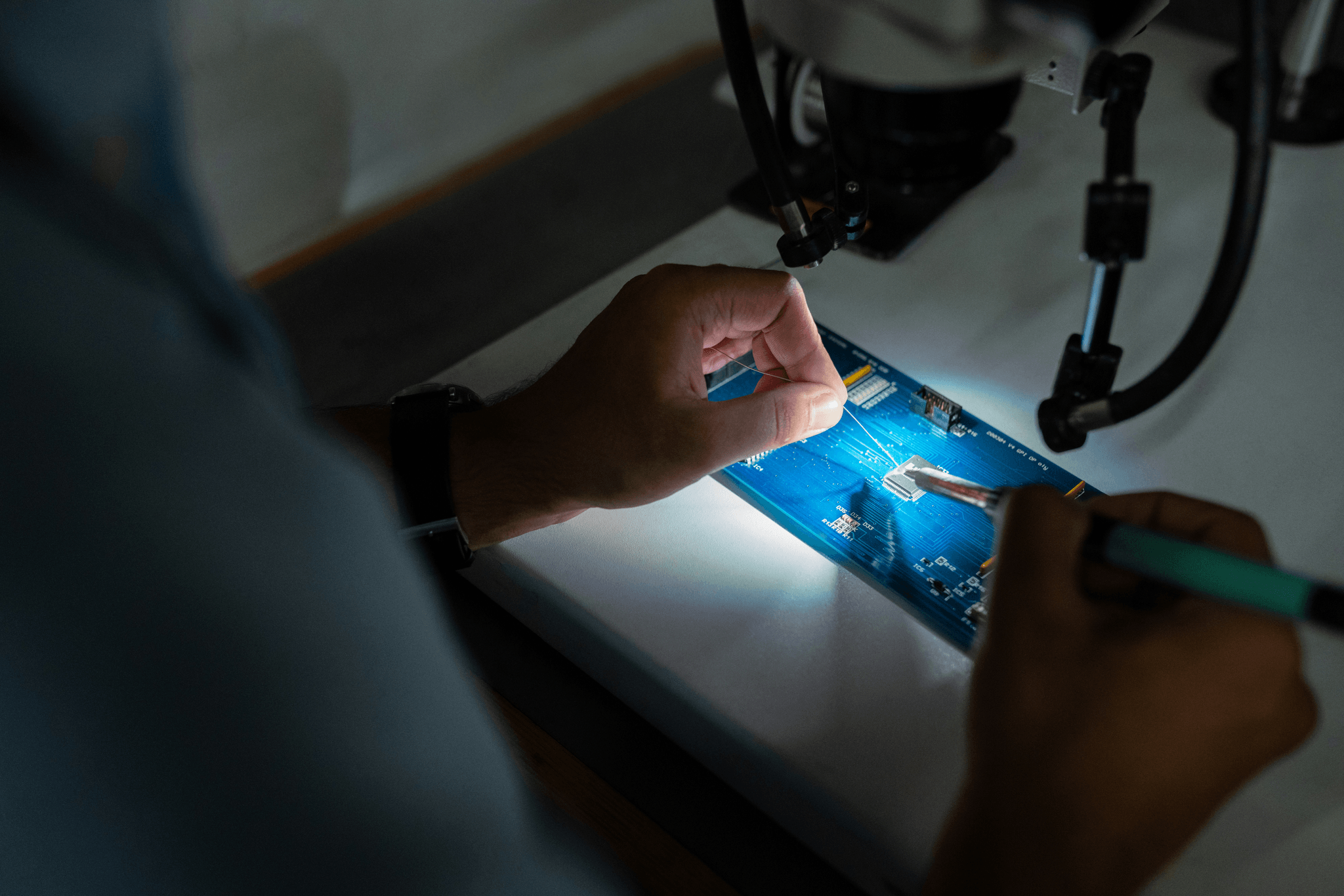
Visual inspection is a cornerstone of quality control across various industries, offering numerous benefits that enhance operational efficiency. By allowing inspectors to identify defects and inconsistencies visually, this method can be both quick and effective. Moreover, visual inspection techniques can be adapted to suit different environments and products, making them versatile tools in the quality assurance toolbox.
What Are the Benefits of Visual Inspection?
The benefits of visual inspection are manifold, starting with its straightforward implementation. Unlike complex automated systems, visual inspection requires minimal training for personnel, allowing for rapid onboarding and deployment in production lines. Additionally, it offers immediate feedback on product quality; inspectors can pinpoint issues in real-time and address them before they escalate into larger problems.
Another significant advantage is cost-effectiveness; visual inspection often requires fewer resources than automated alternatives while still delivering reliable results. It also fosters a culture of quality awareness among staff as they engage directly with the products they inspect. Ultimately, these factors contribute to improved customer satisfaction by ensuring that only high-quality products reach the market.
How Visual Inspection Enhances Quality Control
Visual inspection enhances quality control by acting as an early warning system for potential defects or failures in manufacturing processes. By systematically applying core principles of visual inspection—such as thoroughness and consistency—companies can significantly reduce waste and rework costs associated with faulty products. Furthermore, incorporating various types of visual inspection techniques allows organizations to tailor their approach based on specific needs or challenges faced during production.
For instance, utilizing Remote Visual Inspection (RVI) can provide insights into hard-to-reach areas without disassembling equipment or machinery. This method not only saves time but also minimizes disruption to ongoing operations while ensuring thorough inspections are conducted when needed most. As a result, businesses can maintain high standards of quality control without sacrificing efficiency.
Case Studies of Successful Quality Control Implementation
Several companies have successfully integrated visual inspection into their quality control processes with impressive results. For example, a leading automotive manufacturer adopted a blend of manual and automated visual inspection techniques to enhance its assembly line efficiency significantly. By training employees on what are the core principles of visual inspection alongside implementing advanced tools for RVI, they achieved a remarkable reduction in defect rates.
Another case involves an electronics firm that utilized specialty techniques such as close-up inspections combined with advanced imaging technology to ensure product reliability before shipping out units globally. The strategic selection of tools and equipment used in their visual inspections allowed them to detect minute defects that could lead to failures down the line—demonstrating how effective these practices can be when applied correctly.
These success stories illustrate not only what are the benefits of visual inspection but also how it has evolved over time through technological advancements and an increasing understanding of best practices within various industries.
Tools and Equipment for Visual Inspection
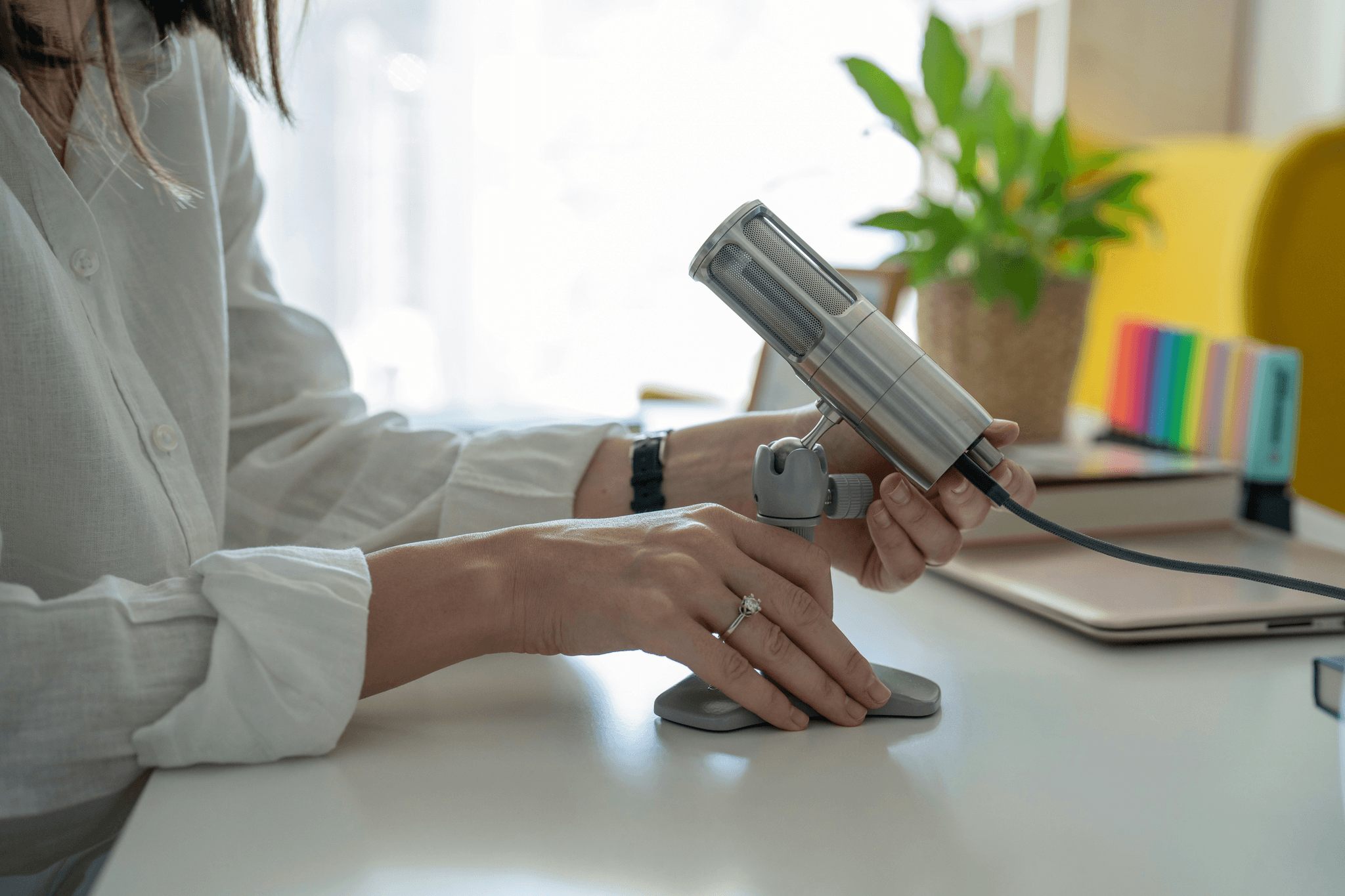
Visual inspection relies heavily on the right tools and equipment to ensure accuracy and effectiveness. The selection of these tools can significantly influence the quality of the inspection process, making it essential to understand what is available in the market. A mix of traditional instruments and advanced technology now plays a pivotal role in enhancing visual inspection practices.
What Tools and Equipment Are Used in Visual Inspection?
The toolkit for visual inspection is diverse, ranging from simple handheld magnifying glasses to sophisticated digital cameras equipped with high-resolution lenses. Commonly used tools include borescopes for internal inspections, endoscopes for close-up examinations, and various lighting devices that enhance visibility in different environments. Additionally, software applications that analyze images are increasingly becoming integral to visual inspection processes, allowing inspectors to document findings efficiently.
Selecting the Right Tools for Inspection Tasks
Choosing the right tools for visual inspection tasks involves understanding both the specific requirements of the task at hand and the capabilities of available equipment. Factors such as the type of material being inspected, environmental conditions, and whether manual or automated techniques are preferred will guide this selection process. It's crucial to match tools like Remote Visual Inspection (RVI) systems with tasks requiring indirect visual examination to optimize results.
The Role of Technology in Modern Visual Inspection
Technology has revolutionized how visual inspection is conducted today, integrating digital advancements into traditional methods. Automated systems equipped with artificial intelligence can now analyze images faster than human inspectors while maintaining high accuracy levels—this evolution is particularly evident in industries like manufacturing and aerospace where precision is paramount. Moreover, innovations such as augmented reality (AR) are enhancing training programs by providing real-time guidance during inspections.
Conclusion
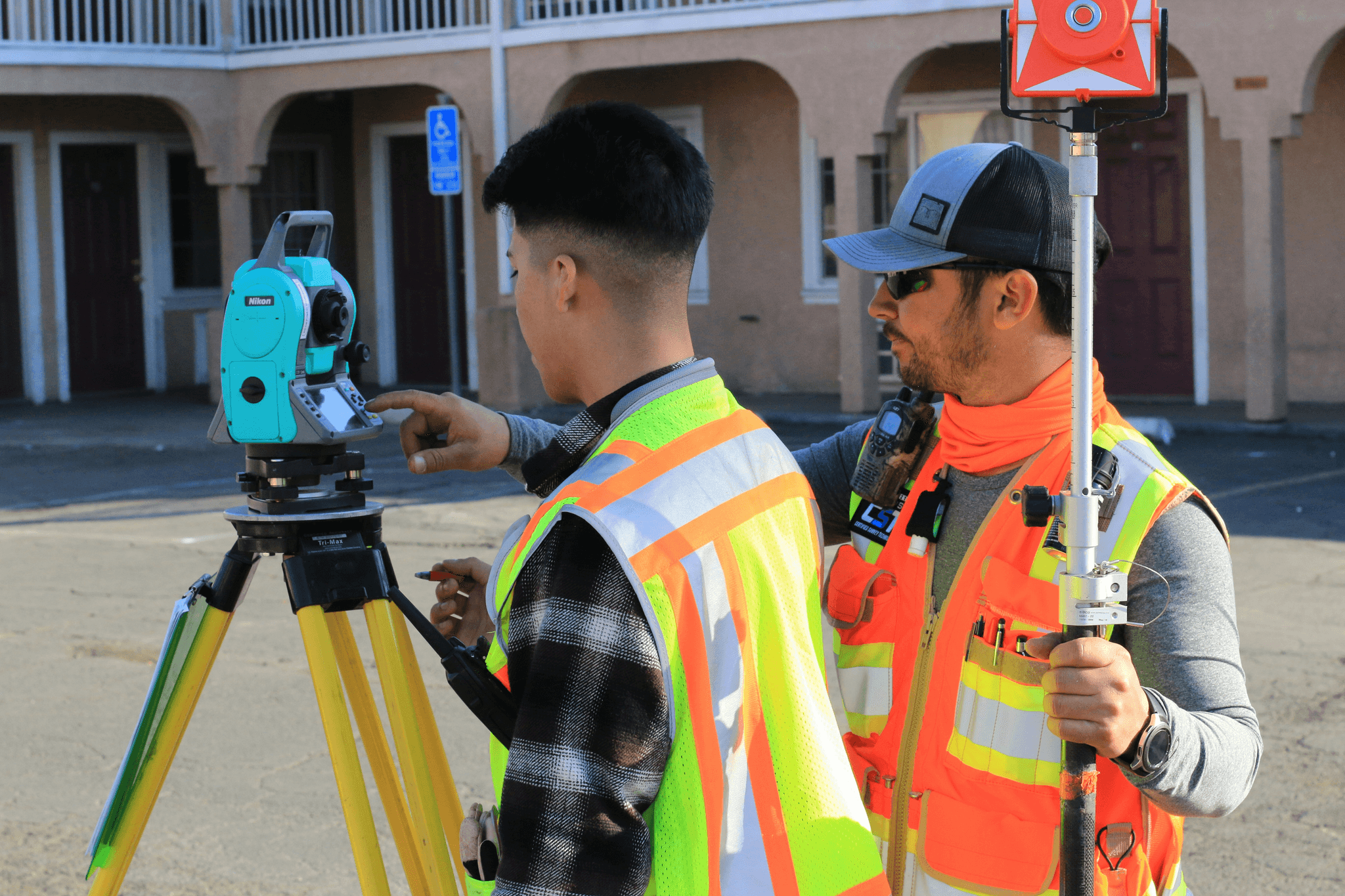
In wrapping up our exploration of visual inspection, it's clear that this practice is integral to maintaining quality control across various industries. Visual inspection, a method rooted in fundamental principles, has transformed significantly over time, adapting to technological advancements and evolving industry needs. Understanding how visual inspection works and its core principles can help organizations leverage it effectively for optimal results.
Key Takeaways on Visual Inspection Practices
Visual inspection is not just about looking; it's about seeing the details that matter. The core principles of visual inspection focus on accuracy, consistency, and thoroughness—ensuring that every product meets quality standards before reaching the consumer. With various techniques available, including manual methods and advanced technologies like remote visual inspection (RVI), businesses can choose an approach that best fits their operational requirements.
The benefits of visual inspection are multifaceted; it enhances product quality, reduces waste, and improves customer satisfaction. By understanding what tools and equipment are used in visual inspection processes—ranging from simple magnifying glasses to sophisticated cameras—organizations can optimize their inspections for better outcomes. Ultimately, a strong grasp of how visual inspection has evolved over time equips companies to adapt and thrive in a competitive landscape.
Future Trends in Quality Control Inspection
Looking ahead, the future of quality control inspections appears bright with the integration of cutting-edge technology into traditional practices. Emerging trends indicate a shift towards more automated systems that combine artificial intelligence with remote visual inspection techniques for enhanced accuracy and efficiency. As industries continue to embrace digital transformation, we can expect innovations such as real-time data analytics to further refine how we conduct inspections.
Moreover, sustainability will play a crucial role in shaping future practices; companies will increasingly seek eco-friendly solutions within their visual inspection processes. This could involve using tools designed for minimal environmental impact while still ensuring high-quality outcomes. As the landscape evolves, staying informed about these trends will be essential for organizations aiming to maintain their competitive edge through effective quality control measures.
Partnering with Experts Like China Inspection Pro
To truly maximize the benefits of visual inspection practices, partnering with experts such as China Inspection Pro can offer invaluable insights and resources tailored to specific industry needs. These professionals possess extensive knowledge regarding what are the different types of visual inspection techniques available today and can guide businesses through selecting the right tools for their unique challenges.
Engaging with specialists not only streamlines your quality control processes but also enhances overall operational effectiveness by ensuring compliance with industry standards through rigorous inspections tailored specifically for your products or services. In an ever-evolving market landscape where precision matters more than ever, collaborating with experienced partners will ensure your organization remains at the forefront of quality assurance.