
Introduction
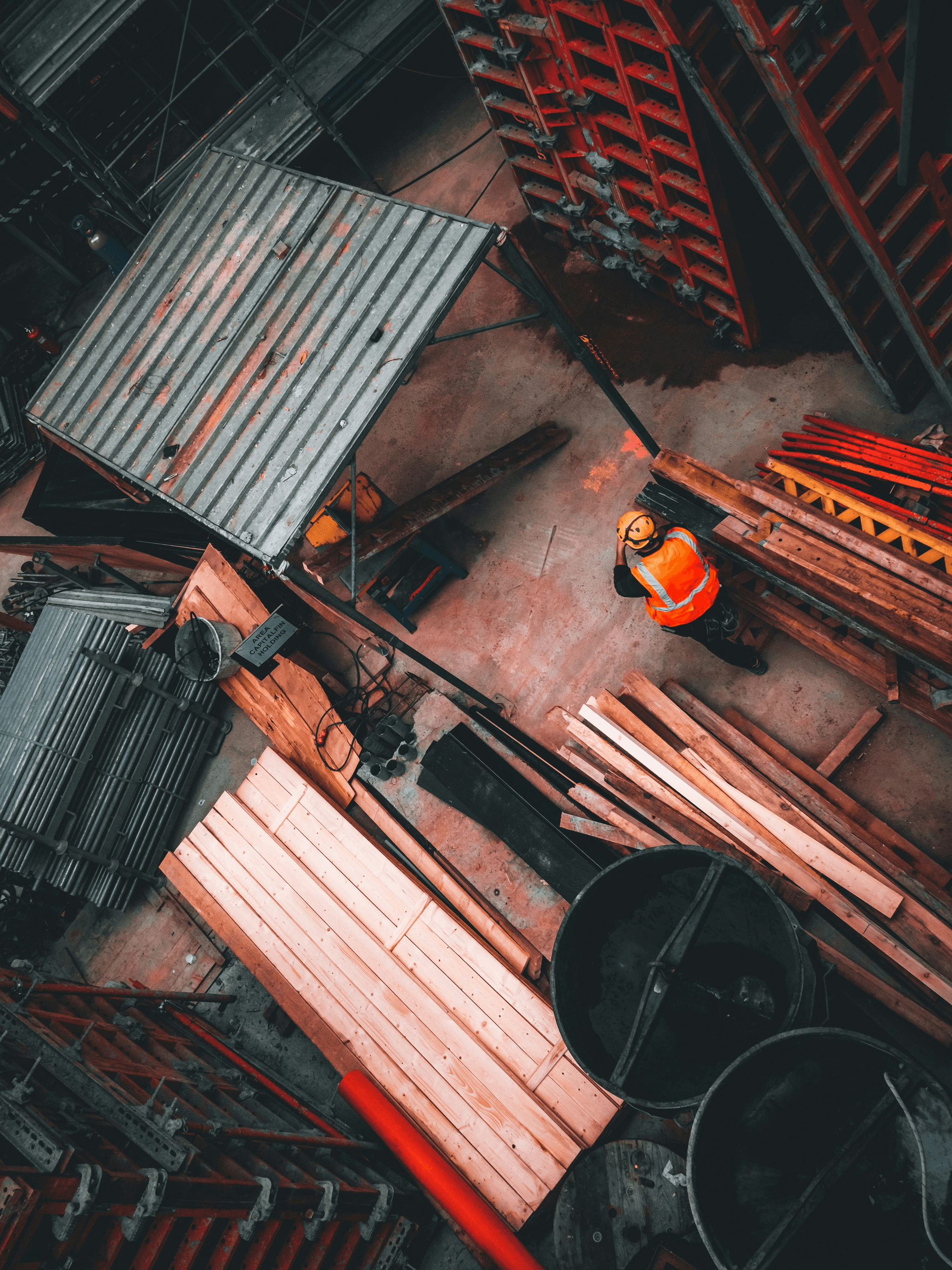
Construction Materials Inspection is the backbone of any successful building project. It ensures that every material used meets safety standards, performs as expected, and stands the test of time. Skipping or rushing through materials inspection can lead to costly delays, structural issues, and even safety hazards down the line.
Why Construction Materials Inspection Matters for Your Project
Proper Materials Inspection is essential because it verifies the quality and integrity of construction materials before they are integrated into your project. Whether it’s visual inspection for surface defects or mechanical inspection to test strength, each step helps prevent future failures. When you partner with experts in Construction Materials Inspection, you’re investing in peace of mind and a solid foundation for your build.
Common Pitfalls in Materials Inspection You Must Avoid
One major mistake is relying solely on visual inspection without conducting mechanical or audible inspections, which can hide hidden flaws. Another pitfall is neglecting proper documentation and standards compliance, leading to regulatory issues later on. Overlooking these critical aspects can result in rework, increased costs, and compromised safety—things every project wants to avoid.
How Proper Inspections Save Time and Money
Implementing thorough materials inspection methods—like Mechanical Inspection and Audible Inspection—helps catch problems early when they are easier (and cheaper) to fix. By developing a clear inspection protocol that includes Visual Inspection along with other techniques, projects can stay on schedule and within budget. Ultimately, investing in comprehensive construction materials inspection reduces risks and maximizes efficiency across all phases of construction.
The Basics of Construction Materials Inspection
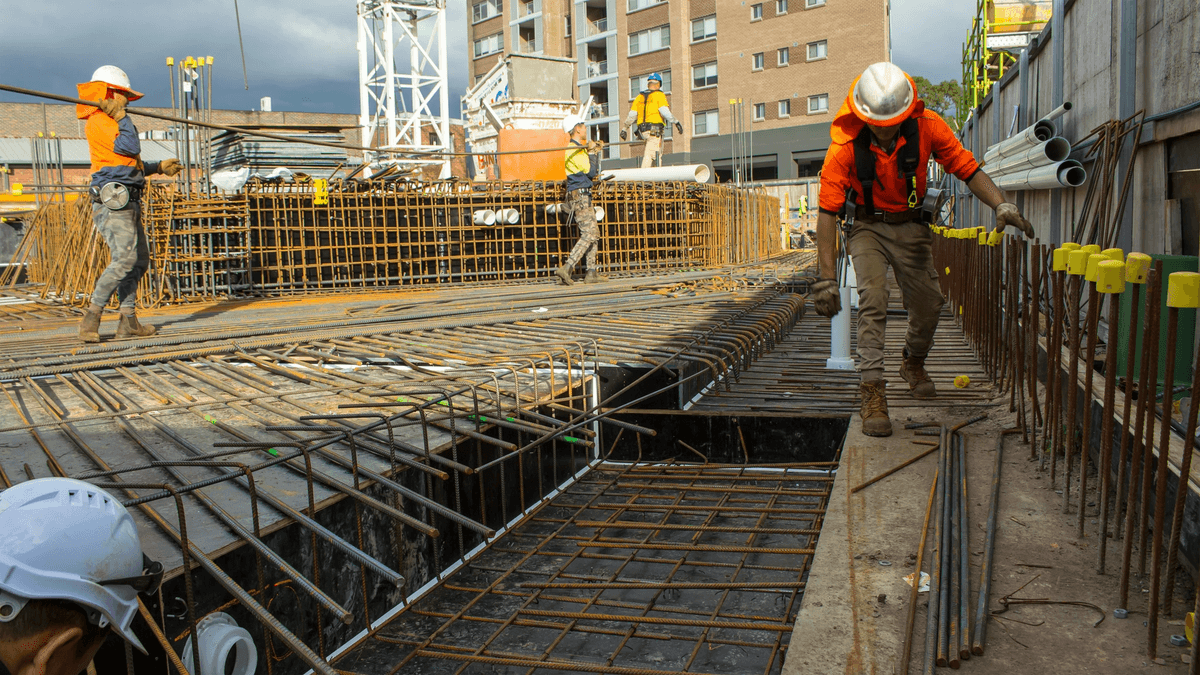
Understanding the different types of materials inspection is fundamental to ensuring your construction project stays on track and within budget. Construction Materials Inspection covers a broad spectrum, including visual, mechanical, and audible inspections, each serving a unique purpose in quality assurance. By mastering these types, you can detect issues early and prevent costly delays or failures down the line.
Materials Inspection isn’t just about catching defects; it’s about verifying that every component meets industry standards and project specifications. Visual Inspection is often the first line of defense—spotting surface flaws, inconsistencies, or damage that could compromise structural integrity. Mechanical Inspection digs deeper by testing material strength and performance under stress, while Audible Inspection offers a less obvious but equally vital method—listening for hidden flaws through sound analysis.
They bring expertise in conducting comprehensive assessments across all inspection types—visual, mechanical, and audible—to guarantee materials meet rigorous standards. Partnering with such professionals helps streamline your inspection process, reduce errors, and uphold compliance with local regulations.
Choosing the right standards and certifications is crucial for effective Materials Inspection. Industry benchmarks like ISO certifications or ASTM standards set the foundation for quality control measures. When inspecting construction materials, always look for certifications that align with your project's requirements—these serve as proof that your materials have passed necessary tests like Mechanical Inspection or visual checks.
Visual Inspection for Material Quality Control
Visual Inspection serves as the first line of defense in catching potential issues before they become costly problems down the line. It’s an art and a science rolled into one, ensuring that materials meet quality standards through careful scrutiny.
Techniques for Effective Visual Inspection
Effective Materials Inspection begins with establishing a systematic approach to examining every inch of the material. Using proper lighting, magnifying tools, and standardized checklists helps inspectors spot even the tiniest imperfections. Incorporating technology like high-resolution cameras can also enhance accuracy, making Visual Inspection more reliable and efficient in identifying defects early on.
Recognizing Defects and Inconsistencies Early
Early detection of defects during Construction Materials Inspection can save projects from delays and budget overruns. Common issues such as cracks, discoloration, surface irregularities, or foreign inclusions are often visible cues that something’s amiss with the materials used. By honing skills in Visual Inspection, teams can quickly recognize these inconsistencies and decide whether mechanical inspection or further testing is needed to verify material integrity.
Case Studies of Visual Inspection Successes
One notable case saw a construction team uncovering surface inconsistencies in steel reinforcements through diligent Visual Inspection before concrete pouring—saving thousands in repairs later on. Another project involved detecting subtle color variations in ceramic tiles that indicated substandard manufacturing processes; addressing this early prevented installation failures. These stories highlight how combining keen observation with proper training enhances Construction Materials Inspection outcomes and underscores the importance of visual checks alongside Mechanical and Audible Inspections.
Mechanical Inspection to Verify Material Performance

Mechanical Inspection plays a pivotal role in Construction Materials Inspection, ensuring that the materials used can withstand the stresses and strains they will face during construction and in their final application. This type of inspection is essential when dealing with load-bearing components such as steel beams, concrete mixes, or structural fasteners. By thoroughly assessing material performance through mechanical testing, project managers can prevent costly failures and uphold safety standards.
When Mechanical Inspection Is Necessary
Mechanical Inspection becomes necessary when materials are critical to structural integrity or when their performance cannot be fully gauged through visual or audible checks alone. For example, steel reinforcement bars must undergo tensile tests to verify their strength aligns with specifications. In these cases, relying solely on visual inspection could miss hidden flaws like microcracks or internal weaknesses that only mechanical testing can reveal—highlighting the importance of comprehensive Materials Inspection.
Tools and Methods Used in Mechanical Testing
The tools used in Mechanical Inspection range from simple handheld devices to advanced machines capable of conducting stress, strain, and hardness tests. Common methods include compression tests for concrete, tensile tests for metals, and impact testing to evaluate toughness. Incorporating these techniques into your Construction Materials Inspection routine ensures that every component meets industry standards and certification requirements—making mechanical checks an indispensable part of quality assurance.
Ensuring Structural Integrity Through Mechanical Checks
Mechanical inspections serve as the backbone of ensuring structural integrity within any construction project by verifying that materials perform as expected under real-world conditions. Regular mechanical testing during different phases of construction helps identify potential issues early on—saving time and money while avoiding future disasters. Combining mechanical inspection with visual and audible checks creates a robust framework for maintaining high-quality standards throughout your entire Materials Inspection process.
Audible Inspection and Its Critical Role
Audible Inspection might sound like something out of a detective novel, but in the world of Construction Materials Inspection, it’s a vital tool for uncovering hidden flaws that visual or mechanical inspections might miss. This technique relies on listening carefully to sounds produced by materials under stress or during testing, providing an extra layer of assurance about their integrity. Incorporating Audible Inspection into your overall Materials Inspection process can make all the difference in catching issues early and avoiding costly repairs later.
What Is Audible Inspection and How It Works
Audible Inspection involves listening to the sounds generated by construction materials during various testing procedures or when subjected to stress. This method is especially useful when inspecting materials like concrete, steel, or composites where internal flaws can produce distinctive noises. When combined with other forms of Construction Materials Inspection, Audible Inspection offers a non-invasive way to identify potential problems before they escalate into structural failures.
Detecting Hidden Flaws Using Sound
Hidden flaws such as cracks, voids, or delaminations often escape visual scrutiny but can be revealed through specific sound signatures during Mechanical Inspection. For example, a crack forming inside a beam may produce a faint cracking noise that trained inspectors can detect with sensitive listening devices. By integrating Audible Inspection into your routine checks along with Visual and Mechanical Inspections, you significantly improve your chances of catching defects early—saving time and money while ensuring the safety of your project.
Integrating Audible Inspection into Routine Checks
To maximize its benefits, Audible Inspection should become part of your standard inspection protocols for Construction Materials Inspection projects. Train your team to recognize typical sounds associated with material flaws and equip them with appropriate listening devices or stethoscopes designed for construction use. When combined with Visual and Mechanical Inspections, this triad provides a comprehensive approach that enhances quality control measures across all stages of construction.
Implementing a Robust Inspection Process
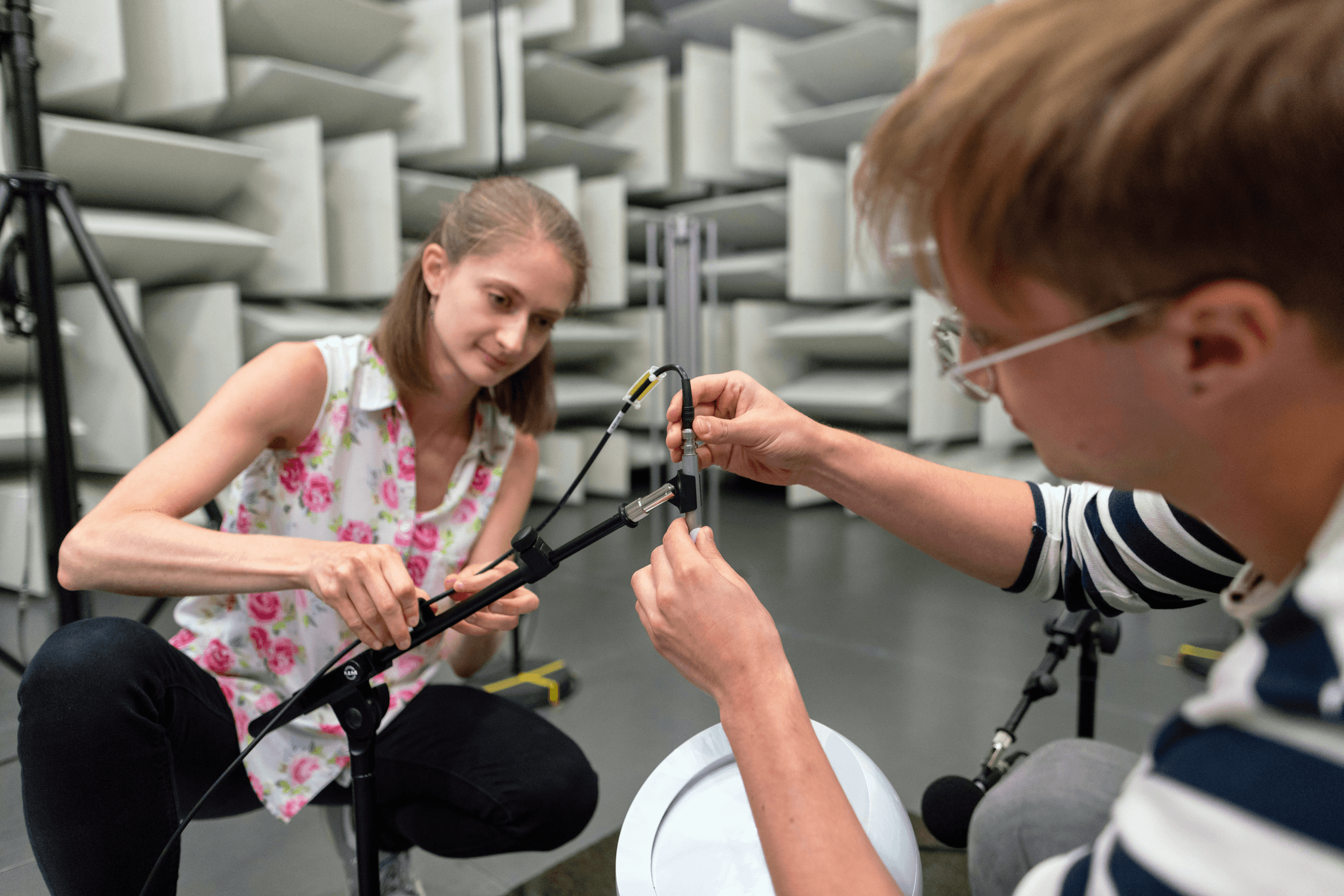
Creating a solid foundation for your construction project starts with a well-structured materials inspection process. This involves establishing clear procedures that ensure every batch of construction materials meets quality standards before they are integrated into the build. A comprehensive approach to Construction Materials Inspection not only reduces costly rework but also boosts confidence in the structural integrity of your project.
Developing Clear Inspection Protocols
The first step in a successful materials inspection plan is developing detailed and standardized protocols. These protocols should specify how visual inspections are conducted, what signs of defects to look for, and when mechanical or audible inspections are necessary. Having explicit guidelines helps your team identify potential issues early, whether it's spotting cracks during visual inspection or testing material strength through mechanical inspection methods, ultimately streamlining the entire process.
Training Your Inspection Team Effectively
Even the most thorough protocols are only as good as the team executing them. Proper training in all aspects of Construction Materials Inspection—visual, mechanical, and audible—is essential for consistent results. Educating your inspectors on recognizing subtle defects during visual checks or understanding sound cues during audible inspections ensures that no flaw slips through unnoticed, which can save time and money down the line.
Leveraging Technology for Better Materials Inspection
Technology is transforming how we perform materials inspection by making it faster and more accurate than ever before. Digital tools such as portable ultrasonic testers for mechanical inspection or sound analysis devices for audible checks enhance precision while reducing human error. Incorporating advanced software solutions also allows real-time documentation and tracking of inspection results, ensuring compliance and facilitating quick decision-making during construction projects.
Ensuring Compliance and Documenting Results
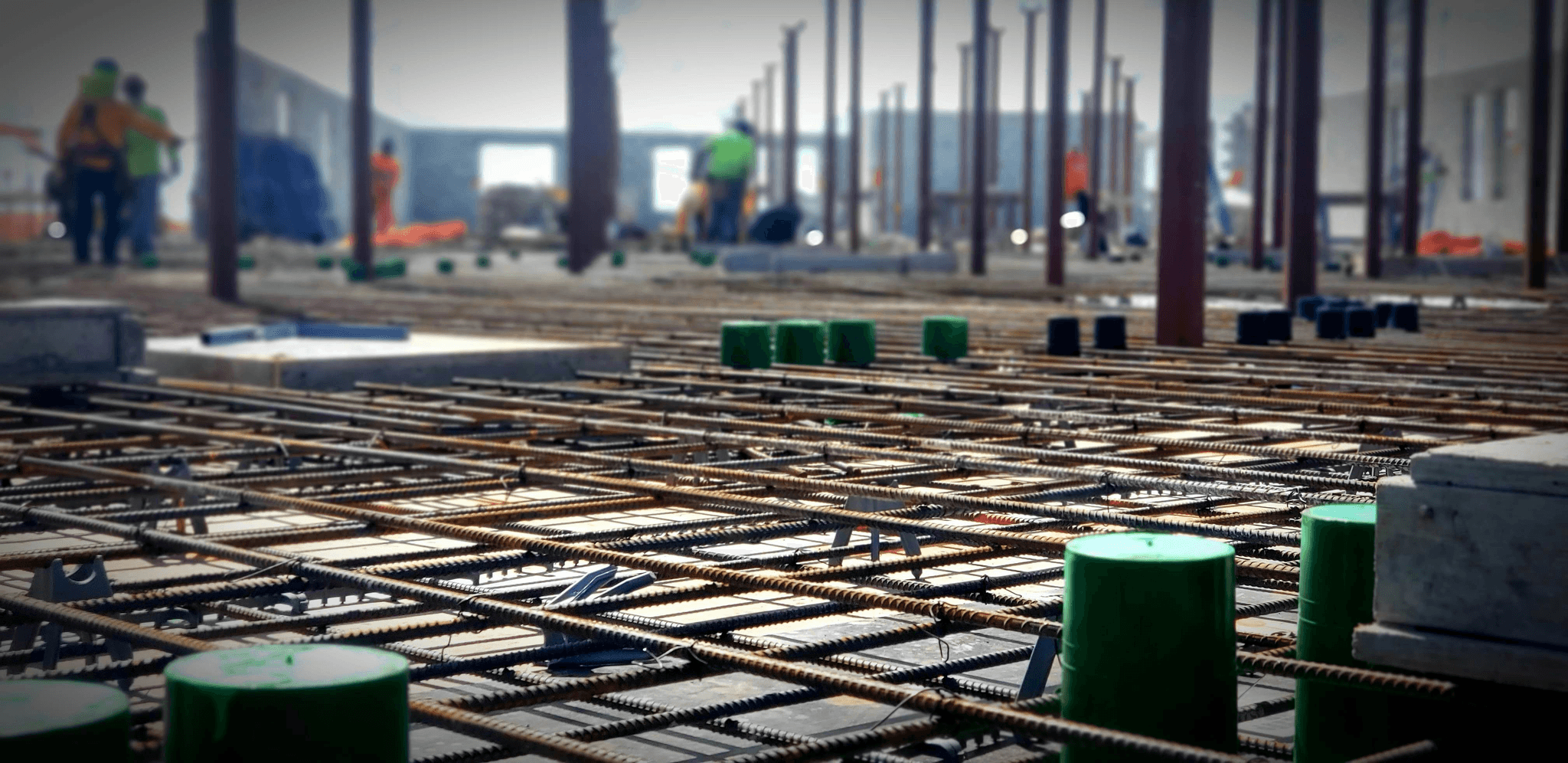
Navigating the maze of industry and regulatory standards can feel overwhelming, but thorough Construction Materials Inspection simplifies this process. Proper Materials Inspection ensures your project adheres to all necessary codes, preventing costly delays or legal issues down the line. Incorporating consistent Visual Inspection, Mechanical Inspection, and Audible Inspection into your routine helps verify that materials meet the required standards and specifications.
Keeping accurate inspection records is the backbone of successful Construction Materials Inspection. Detailed documentation not only provides proof of compliance but also facilitates future audits and quality control reviews. Whether you're conducting Mechanical Inspection or Visual Inspection, meticulous record-keeping ensures every defect or deviation is noted, making it easier to address issues promptly and maintain high standards throughout your project.
China Inspection Pro plays a pivotal role in supporting compliance efforts by offering expert guidance on industry standards for Materials Inspection. Their team helps interpret complex regulations, ensuring that each phase of Visual, Mechanical, and Audible Inspections aligns with local and international requirements. Partnering with such professionals streamlines your inspection process while giving you confidence that your construction materials meet all necessary certifications for a successful build.
Conclusion
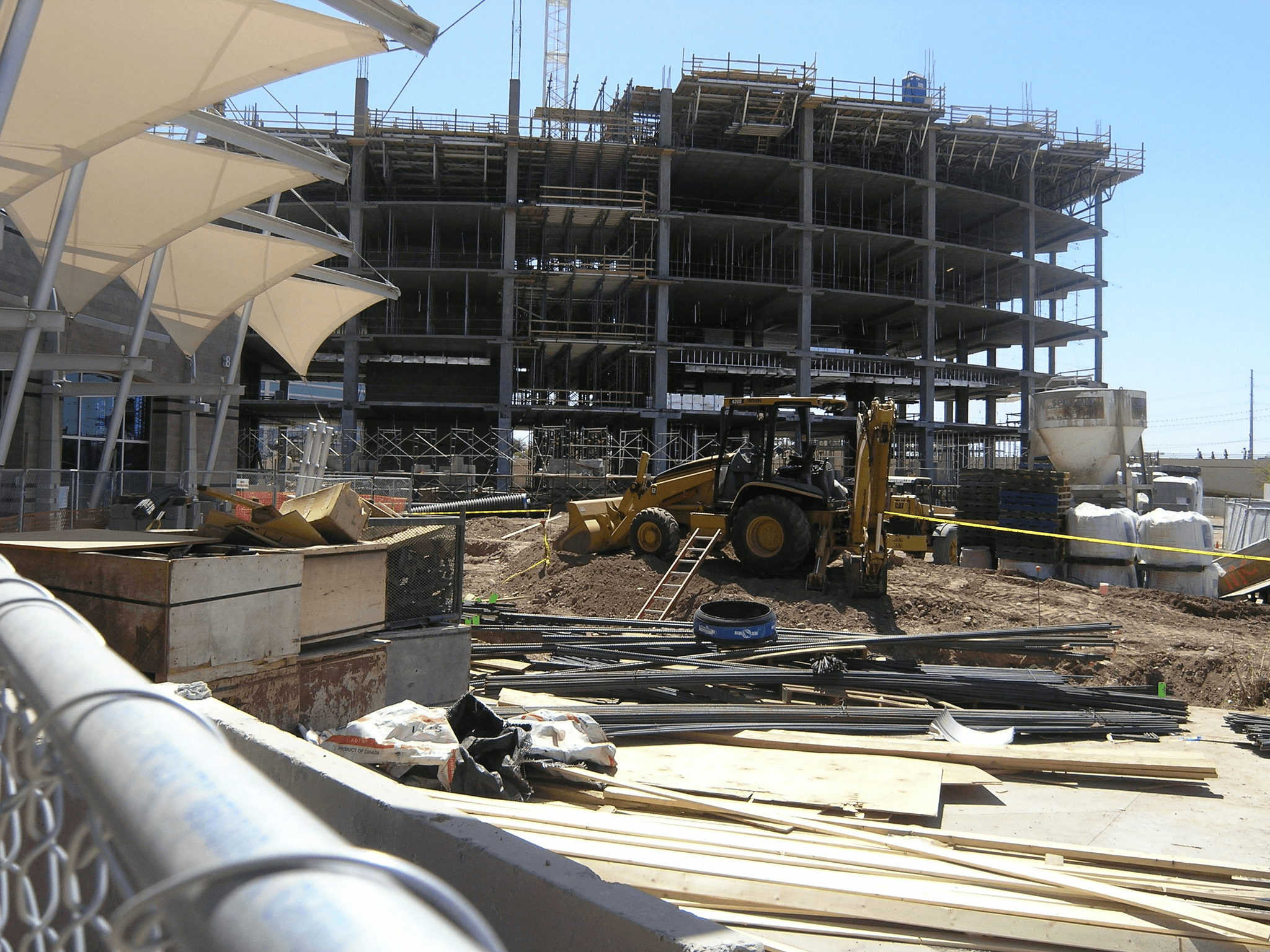
In the world of construction, meticulous Construction Materials Inspection can be the difference between a project that stands tall and one that crumbles under pressure. When you prioritize thorough Materials Inspection—whether visual, mechanical, or audible—you set the foundation for quality, safety, and longevity. Skimping on these inspections might save a little time upfront, but it often results in costly delays and repairs down the line.
Combining visual inspection with mechanical and audible checks offers a comprehensive approach to ensuring material integrity. Visual Inspection catches obvious defects early on, while Mechanical Inspection verifies performance under stress, and Audible Inspection detects hidden flaws through sound analysis. This multi-layered strategy not only minimizes risks but also boosts confidence that every component meets industry standards.
Partnering with experienced professionals in Construction Materials Inspection is your best bet for achieving top-tier quality. Experts bring advanced tools and keen eyes to identify issues others might overlook—saving you time, money, and headaches. When you work with specialists who understand the nuances of Materials Inspection, you're investing in a successful project built on solid ground.