
Introduction

Embarking on a Control Panel Inspection journey might not sound as thrilling as a roller coaster ride, but trust us, it’s the secret sauce to ensuring your control panels perform safely and reliably. A thorough inspection process helps catch potential issues early, saving you from costly downtime or safety hazards down the line. When you prioritize material inspection, conduct detailed general arrangement checks, and leverage third party inspection for control panel construction, you’re setting the stage for seamless operation and peace of mind.
A well-executed control panel inspection isn’t just about ticking boxes; it’s about safeguarding your investment by verifying everything from insulation resistance tests to withstand voltage tests. These critical steps ensure that components meet strict standards and are ready to handle real-world conditions without fail. Plus, incorporating third party inspection for control panel sequence test guarantees unbiased quality assurance—making sure every wire and component is in its rightful place.
Proper inspection techniques save money and time by identifying defects early—before they escalate into major failures or safety concerns. For example, inspecting painting and coating quality ensures durability against environmental factors, reducing maintenance costs later on. Ultimately, a comprehensive approach that includes material inspection and rigorous testing methods like insulation resistance tests not only enhances safety but also streamlines your project timeline—keeping everything on track from start to finish.
Preparing for a Control Panel Inspection
Getting ready for a control panel inspection is like prepping for a big game—every detail counts. Ensuring that your materials are up to standard and your documentation is in order sets the stage for a smooth process. Proper preparation helps prevent last-minute surprises during material inspection or general arrangement checks, saving you time and resources.
Before diving into the actual control panel inspection, it’s essential to gather all necessary documentation and standards. These documents include wiring diagrams, component datasheets, previous inspection reports, and compliance certificates. Having these at hand facilitates quick verification during the material inspection phase and ensures that all components meet specified standards before proceeding with third party inspections for control panel construction.
Coordination with quality inspection services is another critical step. Engaging third party inspectors early on guarantees an unbiased review of construction quality and adherence to safety protocols. Especially when conducting third party inspections for control panel sequence tests or insulation resistance tests, clear communication ensures everyone understands their roles, reducing delays during the general arrangement check or painting and coating inspection.
Setting up an optimal inspection environment also plays a vital role in control panel inspections. A clean, organized workspace minimizes errors during insulation resistance tests or withstand voltage testing by providing easy access to panels and components. Proper lighting and safety measures should be in place to facilitate thorough inspections of wiring diagrams, component placements, and coatings—making sure nothing slips through the cracks.
Reviewing the Material Inspection Process
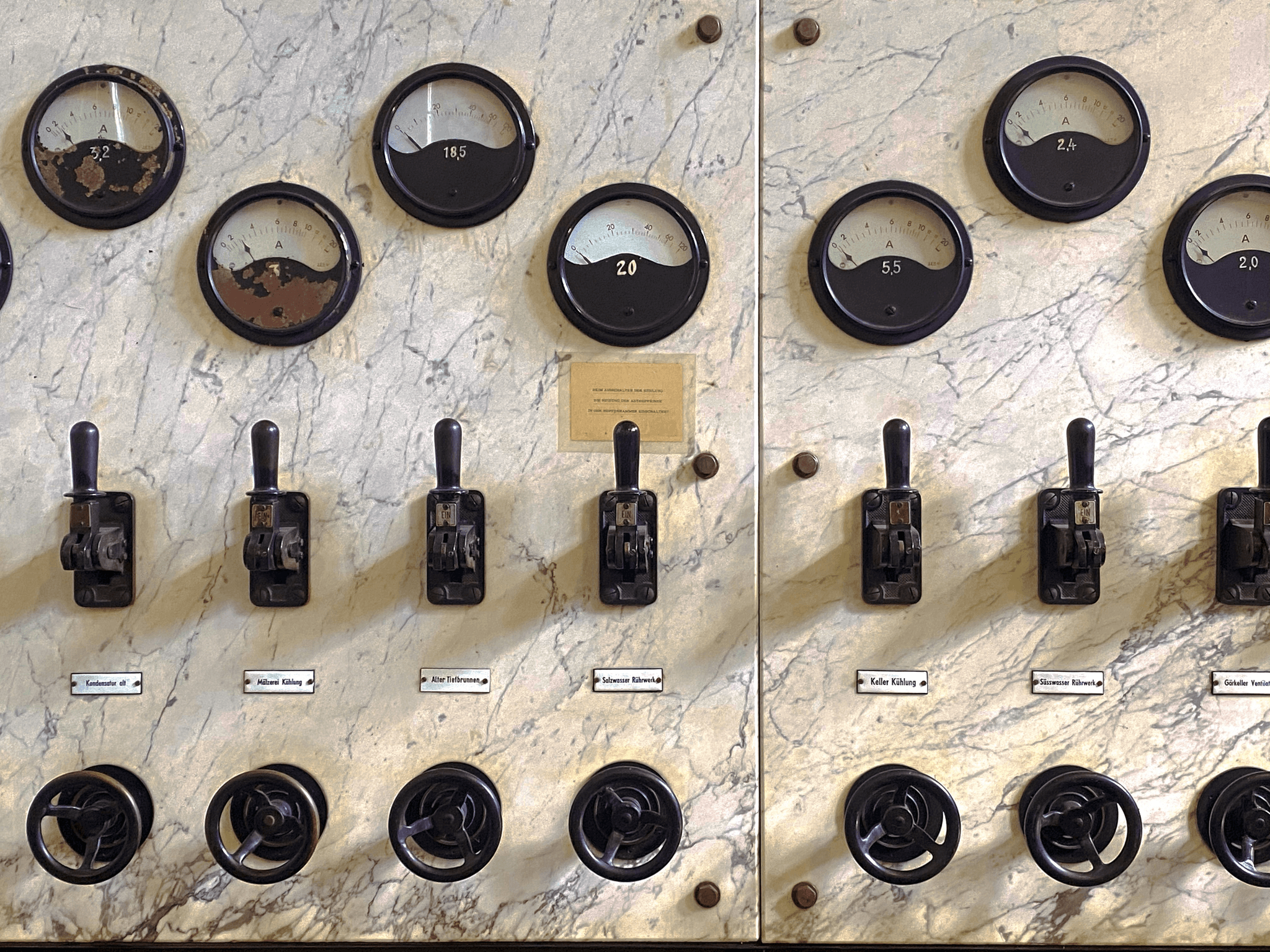
Diving into the material inspection phase of control panel inspection is akin to laying a solid foundation for a skyscraper—skip it, and everything could come tumbling down later. Properly verifying component quality and compliance ensures that only top-tier materials make it into your control panel, reducing risks of failure or safety issues down the line. This step is critical in the overall control panel inspection process because it sets the tone for subsequent checks like general arrangement and insulation resistance testing.
Verifying Component Quality and Compliance
The first step in material inspection involves scrutinizing each component to confirm it meets industry standards and project specifications. During this process, inspectors should verify certifications, manufacturer datasheets, and compliance labels to ensure components are up to par before they’re integrated into the control panel. Conducting thorough verification during control panel inspection not only minimizes future troubleshooting but also aligns with third party inspection for control panel construction, which adds an extra layer of reliability.
Cross-Checking Materials Against Specifications
Once components pass initial quality checks, cross-checking materials against detailed specifications becomes essential. This means comparing actual parts against approved drawings, wiring diagrams, and technical datasheets to confirm accuracy before proceeding with assembly or wiring tasks. A meticulous cross-check during material inspection can catch discrepancies early—saving time and money—and ensures that the control panel will perform reliably once installed.
Identifying Defects Early in Construction
Early defect detection during material inspection is akin to catching a typo before publishing a bestseller—it saves headaches later on! Identifying issues such as damaged parts, incorrect ratings, or incompatible materials at this stage prevents costly rework down the line. Incorporating rigorous third party inspection for control panel sequence test during this phase enhances defect detection accuracy by providing an unbiased review of all materials involved in construction.
Conducting a General Arrangement Check
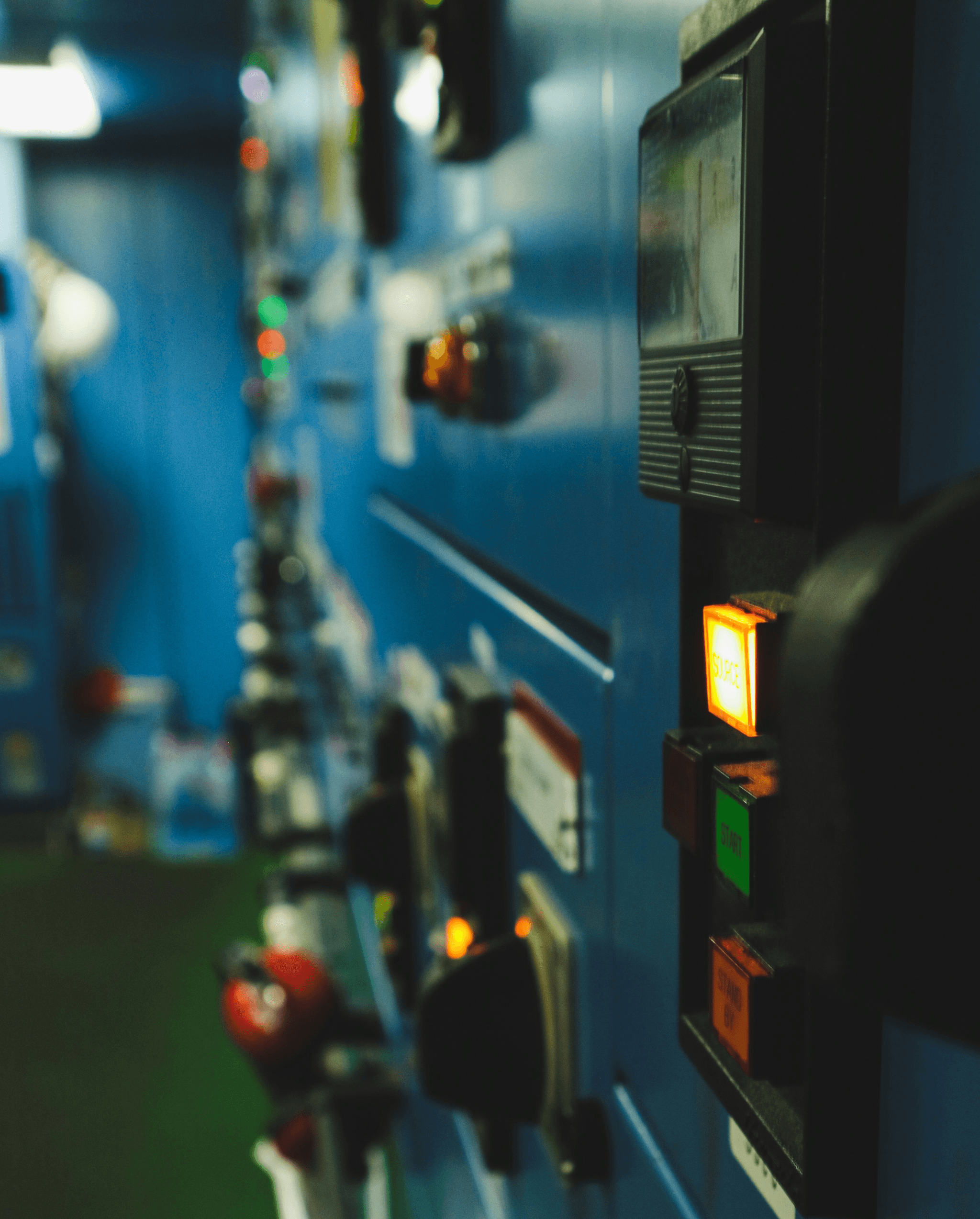
A thorough Control Panel Inspection begins with a meticulous General Arrangement Check, which serves as the backbone of ensuring the entire system's functionality and safety. This step involves scrutinizing the layout to confirm that all components are correctly positioned and accessible, facilitating maintenance and troubleshooting down the line. Skipping this phase can lead to costly rework or overlooked issues, making it a critical part of Material Inspection and overall quality assurance.
Ensuring Proper Layout and Accessibility
During a Control Panel Inspection, verifying that the layout adheres to design standards is paramount. Proper component placement not only optimizes space but also ensures that wiring and connections are manageable, reducing potential faults. Accessibility plays a vital role here—if panels or switches are hard to reach, future inspections or repairs become cumbersome, increasing downtime and operational costs.
Confirming Component Placement Accuracy
Component placement accuracy is essential for seamless operation and compliance with specifications outlined during Material Inspection. During this phase of the General Arrangement Check, inspectors cross-reference actual installation against detailed drawings to identify any misalignments or misplaced parts. Catching these discrepancies early helps prevent issues during Insulation Resistance Tests or Withstand Voltage Tests later in the process.
Validating Wiring Diagrams and Panel Drawings
The final step in this stage involves validating wiring diagrams and panel drawings against the physical setup—this is where precise documentation meets real-world implementation. Ensuring these diagrams match accurately guarantees that subsequent tests like insulation resistance testing will reflect true system performance without false alarms caused by wiring errors. Incorporating Third Party Inspection for Control Panel Construction at this point adds an extra layer of confidence, confirming that all aspects align with regulatory standards.
Remember, a well-executed General Arrangement Check sets the stage for successful testing phases such as Insulation Resistance Tests or Withstand Voltage Tests while also streamlining future maintenance efforts through proper component placement validation during Control Panel Inspection processes.
Performing Insulation Resistance Test and Withstand Voltage Test
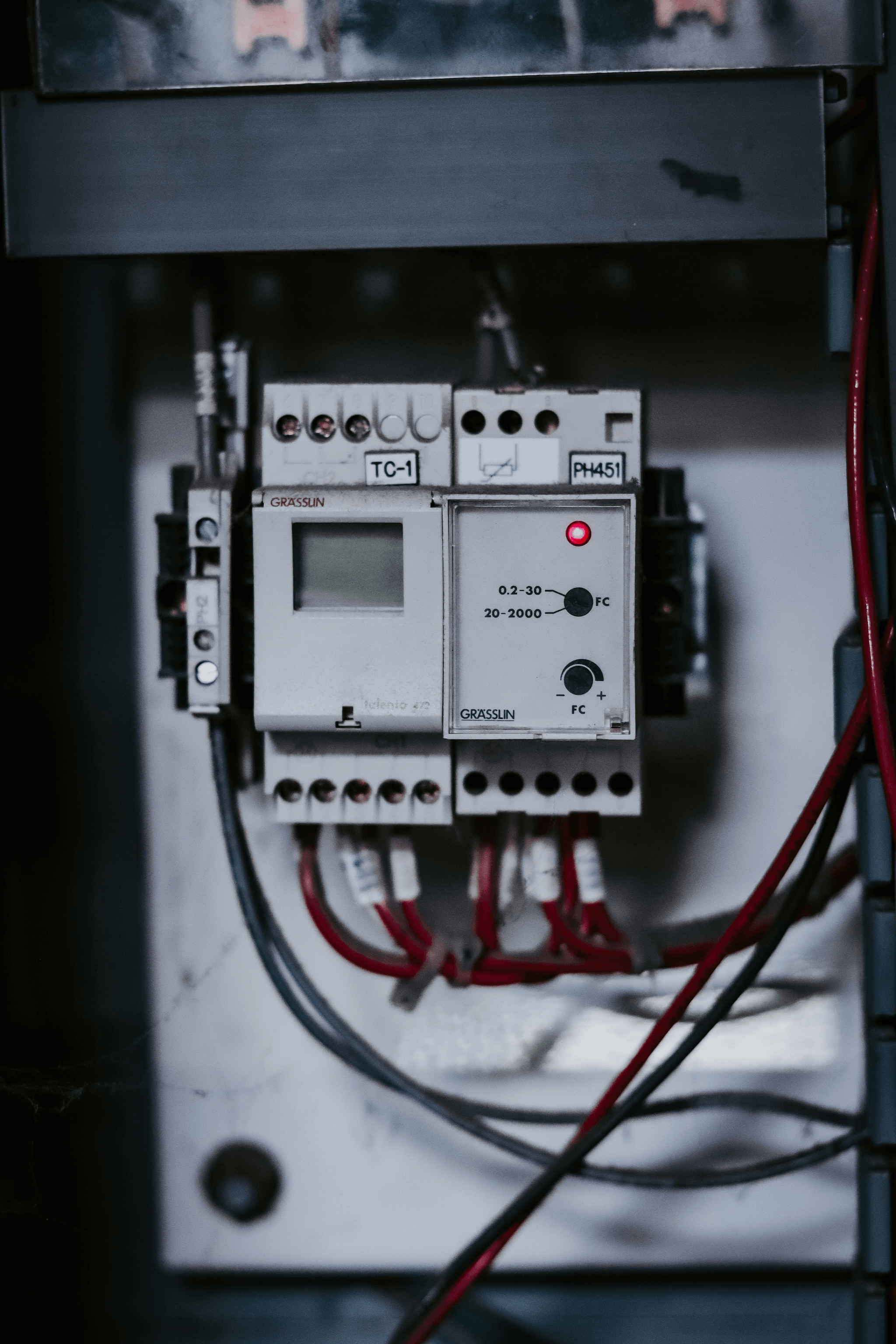
A thorough Control Panel Inspection isn’t complete without rigorous testing of insulation resistance and withstand voltage. These tests are critical in ensuring that the control panel’s electrical components are safe, reliable, and compliant with standards. Properly conducting these tests can prevent costly failures down the line, making them an essential part of any Material Inspection process.
Step-by-Step Guide to Insulation Resistance Testing
Start your Control Panel Inspection by disconnecting all power sources to ensure safety during testing. Next, connect a megohmmeter between live parts and earth ground, following the manufacturer’s instructions carefully. Record the resistance readings; high values indicate good insulation, while low readings suggest potential issues that require further investigation or Material Inspection adjustments before proceeding.
How to Conduct and Analyze Withstand Voltage Tests
During a Withstand Voltage Test, apply a specified voltage between energized parts and ground for a predetermined duration—usually 1 to 2 minutes—according to your control panel’s standards. Keep an eye on the meter; if current leakage exceeds acceptable limits or if there’s any spark or abnormal noise, it signals possible defects needing attention during your General Arrangement Check or Painting and Coating Inspection phases. Analyzing these results helps confirm whether your control panel can withstand operational stresses safely.
Common Issues and Troubleshooting Tips
One common issue during insulation resistance testing is unexpected low readings caused by moisture ingress or damaged insulation materials, which should prompt a Material Inspection review before continuing with the control panel assembly process. During withstand voltage tests, persistent leakage currents often point to poor wiring connections or compromised coatings—highlighting areas for improvement during Painting and Coating Inspection or when coordinating Third Party Inspection for Control Panel Construction. Troubleshooting these problems early ensures that subsequent inspections for wiring accuracy or component placement aren’t compromised by hidden defects.
Utilizing Third Party Inspection for Control Panel Construction and Sequence Test
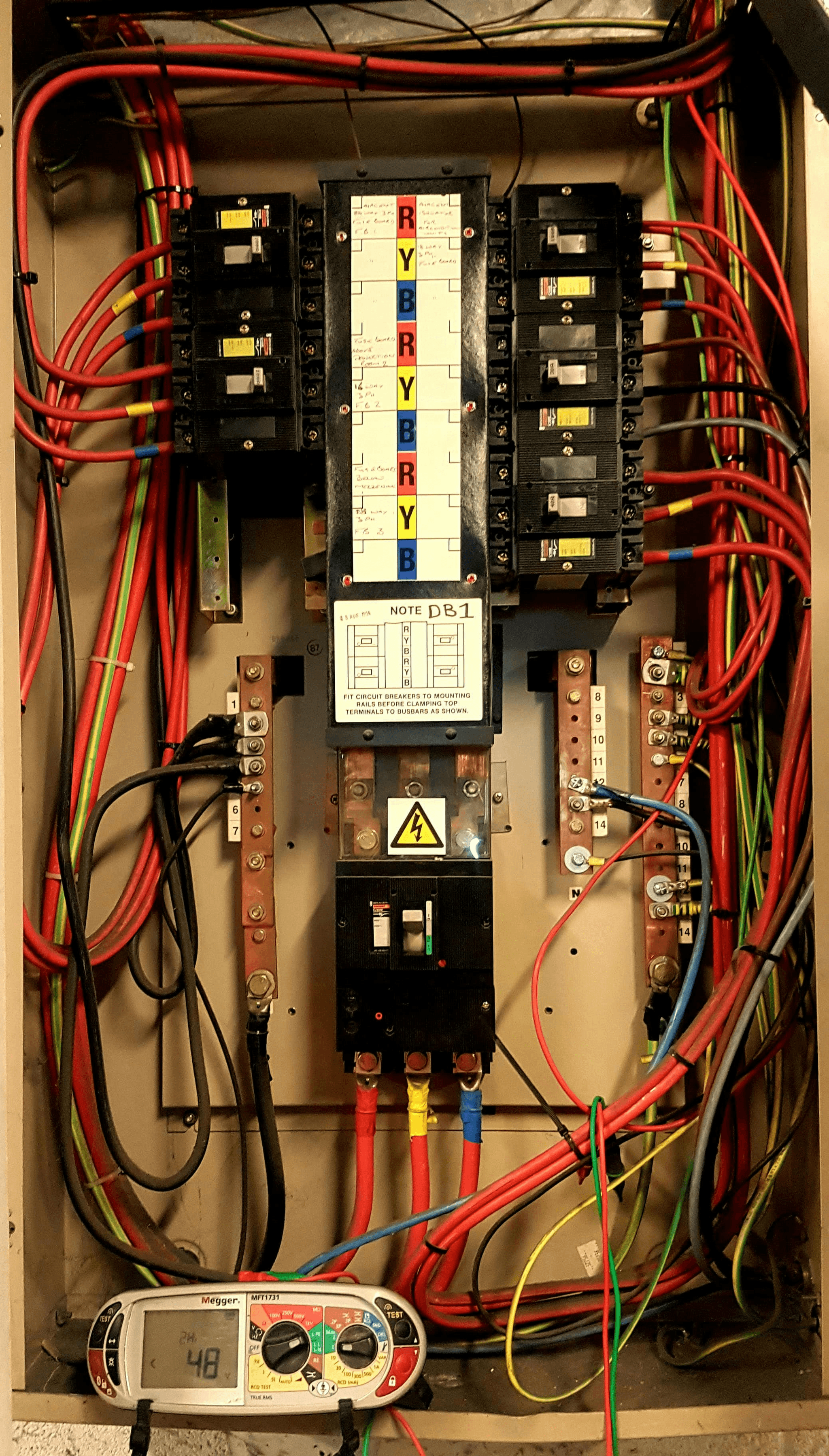
Leveraging third-party inspection services adds an extra layer of confidence to your control panel projects, especially during construction and sequence testing phases. A reputable third party inspection for control panel construction ensures that every component meets the highest standards before assembly, reducing costly rework later. These inspectors meticulously perform material inspection, verify general arrangement check details, and oversee critical tests like insulation resistance and withstand voltage tests to guarantee safety and performance.
Role of China Inspection Pro in Material and Construction Inspection
China Inspection Pro plays a pivotal role in elevating the quality of control panel inspection by providing comprehensive material inspections and overseeing the entire construction process. Their experts conduct rigorous material inspection to verify that all components align with specified standards, minimizing risks associated with subpar materials. During control panel construction, they perform detailed general arrangement checks, ensuring proper layout and accessibility while validating wiring diagrams and component placements—crucial steps that prevent future operational hiccups.
Benefits of Third Party Inspection for Control Panel Sequence Test
Engaging a third party for sequence testing offers unmatched objectivity when verifying control panel functionality under real-world conditions. These inspections include thorough assessments such as insulation resistance tests and withstand voltage tests—key procedures that detect potential electrical failures early on. By conducting independent third party inspection for control panel sequence test, you gain peace of mind knowing your system has been scrutinized beyond internal checks, leading to fewer surprises during commissioning or operation.
Ensuring Regulatory Compliance and Quality Assurance
Third-party inspectors ensure your control panels adhere to all relevant regulations through meticulous inspection processes that encompass painting and coating quality checks alongside electrical testing. They verify surface preparation and coating uniformity to prevent corrosion or premature failure—an often-overlooked aspect of quality assurance in control panel manufacturing. Ultimately, partnering with a trusted third party guarantees your project complies with industry standards while delivering reliable performance through comprehensive material inspection, general arrangement checkups, insulation resistance testing, withstand voltage assessments, and painting inspections.
Inspecting Painting and Coating Quality
A critical part of the Control Panel Inspection process involves ensuring the painting and coating quality meet industry standards. Proper surface preparation is vital before any coating is applied, as it directly influences durability and corrosion resistance. During Material Inspection, inspectors look for adherence to specified surface cleanliness and primer application to prevent future paint failures.
Ensuring uniform coating application is essential for both aesthetic appeal and protective performance. A well-executed painting process during Control Panel Inspection guarantees that all surfaces are evenly covered without drips or thin spots. This step often involves cross-checking with Material Inspection records to confirm the correct type of paint or coating has been used, aligning with project standards.
Addressing common painting flaws during a Painting and Coating Inspection can save time and money down the line. Issues like bubbling, peeling, or uneven coverage are red flags that require immediate attention. Implementing rigorous checks as part of your General Arrangement Check ensures these flaws are caught early, maintaining the integrity of the control panel’s protective layers.
Conclusion
In the world of electrical systems, a comprehensive Control Panel Inspection is the backbone of safety, efficiency, and longevity. From Material Inspection to rigorous testing like Insulation Resistance Tests and Withstand Voltage Tests, every step ensures the control panel performs flawlessly under real-world conditions. Remember, skipping or rushing through these inspections can lead to costly failures down the line, making thoroughness your best ally.
Summarizing the Importance of a Control Panel Inspection
A well-executed Control Panel Inspection is crucial for verifying that all components meet quality standards and comply with specifications. Conducting a General Arrangement Check helps confirm proper layout and accessibility, preventing future operational issues. Incorporating Third Party Inspection for Control Panel Construction and Sequence Test guarantees unbiased quality assurance, reducing risks associated with defective wiring or faulty components.
How to Choose the Right Inspection Partner
Selecting an experienced inspection partner is vital for an effective Control Panel Inspection process. Look for providers who excel in Material Inspection and have expertise in Third Party Inspection for Control Panel Construction to ensure all materials are compliant from start to finish. A reputable partner should also be proficient in Performing Painting and Coating Inspections to verify surface quality and corrosion resistance.
Final Tips for a Flawless Control Panel Inspection Process
To achieve a flawless outcome, always prepare thoroughly by gathering relevant documentation and standards before starting the inspection. During testing phases such as Insulation Resistance Test and Withstand Voltage Test, follow step-by-step procedures meticulously while analyzing results carefully—early defect detection saves time and money. Lastly, leveraging Third Party Inspection for Control Panel Sequence Test adds an extra layer of confidence that your control panel will operate reliably under all conditions.