
Introduction
Pressure Vessel Inspections are the unsung heroes of industrial safety, ensuring that these critical containers operate without a hitch. Regular inspections help identify potential issues before they turn into costly disasters, making safety a top priority for plant managers and engineers alike. When it comes to Pressure Vessel Plate Material and joint integrity, thorough inspections backed by standards like ASME are essential to keep everything running smoothly.
Understanding the key standards you need to know, such as ASME Pressure Vessel Joint Efficiencies and the ASME Impact Test Requirement, is vital for maintaining compliance and safety. These standards guide inspection processes like Pressure Vessel Dimension Inspection and Pressure Vessel RT Test, helping detect flaws early on. Proper certification processes rely heavily on these inspections to ensure that pressure vessels meet industry benchmarks and regulatory requirements.
By investing in comprehensive Pressure Vessel Inspections, companies can save significant costs over time by avoiding catastrophic failures or unplanned downtime. Implementing regular inspection routines not only reduces risks but also extends the lifespan of pressure vessels through proactive maintenance of pressure vessel plate material integrity. Choosing the right inspection partner ensures adherence to industry standards while leveraging innovations in inspection technology—keeping your operations safe, compliant, and efficient.
The Fundamentals of Pressure Vessel Inspections
Understanding the core elements of Pressure Vessel Inspections is essential for ensuring safety, longevity, and compliance. These inspections hinge on several critical factors, including the quality of Pressure Vessel Plate Material, which directly impacts the vessel's durability and resistance to corrosion or wear. Without high-quality materials, even the most rigorous inspection processes might overlook underlying vulnerabilities that could lead to costly failures down the line.
Equally important is a clear grasp of ASME Pressure Vessel Joint Efficiencies, which evaluate the integrity of welded joints—a vital aspect during Pressure Vessel Inspections. Proper assessment of joint efficiencies helps determine whether a vessel meets industry standards and can withstand operational stresses. This understanding becomes especially crucial when preparing for Pressure Vessel Certification, as it demonstrates compliance with established safety benchmarks.
Furthermore, implementing ASME Impact Test Requirements during inspections provides insight into a material’s toughness under sudden shocks or impacts. This test is a cornerstone in evaluating whether pressure vessel components can endure real-world conditions without cracking or failing prematurely. Incorporating impact testing into routine Pressure Vessel Inspections ensures that all parts meet stringent safety criteria before certification and ongoing operation.
Inspection Processes and Techniques
Pressure Vessel Inspections involve a meticulous approach to ensure safety, compliance, and longevity of the equipment. These inspections are crucial for verifying that the Pressure Vessel Plate Material remains intact and performs as expected under operational stresses. Employing a combination of traditional and advanced techniques helps inspectors identify potential issues early, preventing costly failures.
One fundamental aspect of Pressure Vessel Inspections is Pressure Vessel Dimension Inspection. This process ensures that the vessel’s dimensions conform to design specifications, which is vital for maintaining structural integrity and pressure containment. Accurate dimension measurement also supports compliance with Pressure Vessel Certification requirements by confirming that all parameters meet industry standards such as those outlined by ASME.
Using Pressure Vessel RT Test (Radiographic Testing) for Flaw Detection is a cornerstone in identifying internal flaws or cracks that are invisible to the naked eye. This non-destructive testing method provides detailed images of welds and joints, helping inspectors assess ASME Pressure Vessel Joint Efficiencies effectively. Incorporating RT tests into regular inspections ensures that the vessel’s integrity aligns with ASME Impact Test Requirements, especially in critical areas prone to wear or corrosion.
Advances in technology have revolutionized Pressure Vessel Inspections through tools like ultrasonic testing, 3D scanning, and digital radiography. These technologies enable faster, more accurate detection of material flaws or corrosion in the Pressure Vessel Plate Material without compromising operational uptime. By leveraging these innovations, inspectors can uphold rigorous standards required for Pressure Vessel Certification while addressing common challenges such as material degradation or joint flaws efficiently.
Regulatory Compliance and Certification
Navigating the world of Pressure Vessel Inspections requires a clear understanding of regulatory pathways and certification processes. Ensuring your pressure vessels meet industry standards involves meticulous documentation, rigorous testing, and adherence to safety protocols. Certification isn’t just a badge of honor; it’s the backbone of operational safety and long-term reliability.
Achieving Pressure Vessel Certification begins with a comprehensive review of your vessel’s design, material quality, and manufacturing processes. Critical factors like Pressure Vessel Plate Material must meet specified standards to pass inspection criteria. Once these foundational elements are verified, detailed assessments such as Pressure Vessel Dimension Inspection are conducted to confirm structural integrity and compliance with regulatory codes.
Ensuring compliance with industry standards like ASME is essential for seamless operation across markets. This involves verifying that Pressure Vessel Plate Material quality aligns with ASME specifications while maintaining high joint efficiencies in welds—measured through ASME Pressure Vessel Joint Efficiencies—to guarantee durability under operational stresses. Additionally, the ASME Impact Test Requirement plays a pivotal role in assessing material toughness, especially for vessels operating in extreme conditions or exposed to fluctuating pressures.
The role of China Inspection Pro in Quality Assurance exemplifies how third-party inspectors can streamline certification efforts by conducting thorough Pressure Vessel Inspections at every stage. Their expertise ensures that critical tests such as Pressure Vessel RT Test are performed correctly, detecting flaws early on before certification is granted. Partnering with experienced inspectors helps manufacturers stay ahead of evolving regulations while maintaining optimal pressure vessel performance.
Common Inspection Challenges and Solutions
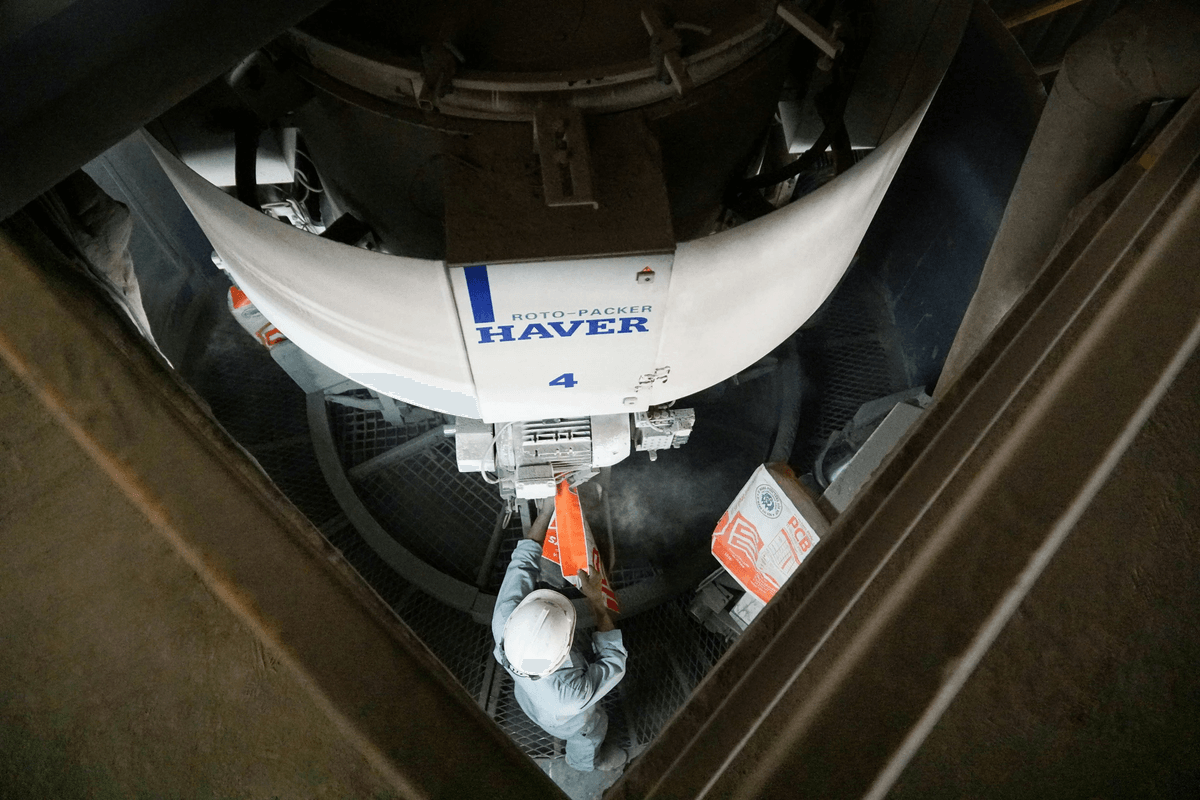
Pressure Vessel Inspections are vital for ensuring safety and longevity, but they come with their own set of hurdles. From material degradation to testing limitations, understanding how to navigate these challenges keeps your vessels in top shape and compliant with industry standards. Let’s delve into some common issues and practical solutions that keep pressure vessel integrity intact.
Identifying Material Corrosion and Wear
One of the biggest headaches in Pressure Vessel Inspections is spotting corrosion and wear on the Pressure Vessel Plate Material before it leads to catastrophic failure. Corrosion can be insidious, often hiding beneath surface coatings or within welds, making visual inspections insufficient. Utilizing techniques like Pressure Vessel Dimension Inspection helps detect subtle dimensional changes that hint at underlying material degradation, while non-destructive tests such as Pressure Vessel RT Test can reveal internal flaws caused by corrosion.
Regular monitoring aligned with Pressure Vessel Certification requirements ensures early detection of corrosion issues, preventing costly repairs or replacements down the line. Understanding the ASME Impact Test Requirement is also crucial since it assesses material toughness after corrosion has compromised the original properties. By combining these inspection methods, maintenance teams can effectively identify wear patterns and plan targeted interventions, extending the lifespan of Pressure Vessel Plate Material.
Addressing Flaws in Pressure Vessel Joints
Flaws in pressure vessel joints pose a serious risk to overall safety and are a common concern during Pressure Vessel Inspections. These flaws often stem from inadequate welding procedures or deterioration over time, which can compromise ASME Pressure Vessel Joint Efficiencies. Detecting these flaws early requires meticulous inspection techniques—ultrasonic testing or radiography (RT Test)—are invaluable tools for revealing hidden cracks or incomplete welds.
To address joint flaws effectively, inspectors must ensure that all welds meet stringent standards aligned with industry regulations for Pressure Vessel Certification. When flaws are identified, re-welding or repairing joints according to approved procedures restores integrity and maintains compliance with ASME standards. Continuous training on inspection best practices ensures staff can reliably detect joint issues before they escalate into major failures.
Overcoming Testing Limitations Effectively
Despite technological advances, some testing methods still face limitations—such as accessibility constraints or complex geometries—that challenge comprehensive pressure vessel inspections. For instance, certain areas may be difficult to reach during a Pressure Vessel Dimension Inspection or RT Test due to design intricacies; this is where innovative solutions come into play.
Implementing advanced technologies like phased array ultrasonic testing or digital radiography enhances detection capabilities even in challenging scenarios while supporting ongoing Pressure Vessel Certification efforts. Combining multiple inspection methods ensures no flaw goes unnoticed—especially when assessing critical components like pressure vessel joints or plate materials—thus reducing risks associated with undetected defects. Staying ahead of these limitations involves continuous investment in new tools and training staff thoroughly on their application for effective pressure vessel management.
Best Practices for Ongoing Maintenance
Maintaining the integrity and safety of pressure vessels requires a disciplined approach to ongoing maintenance, with regular Pressure Vessel Inspections at the core. Implementing a proactive inspection schedule helps identify potential issues before they escalate, ensuring compliance with industry standards like ASME Pressure Vessel Certification. By integrating these inspections into your routine, you can catch flaws early—whether in Pressure Vessel Plate Material or joint efficiencies—saving costs and preventing catastrophic failures.
Regularly scheduled Pressure Vessel Inspections should include detailed assessments of Pressure Vessel Dimension Inspection to verify that structural dimensions remain within safe tolerances. These inspections also serve as an opportunity to evaluate if the Pressure Vessel RT Test results indicate any internal flaws or corrosion that could compromise safety. Incorporating the ASME Impact Test Requirement into periodic checks further guarantees that materials withstand operational stresses, maintaining pressure vessel integrity over time.
Maintaining Pressure Vessel Plate Material quality is essential for long-term performance; degradation can lead to costly repairs or dangerous failures. Consistent inspection routines can help monitor material wear and corrosion, which are common culprits behind pressure vessel deterioration. When issues are detected early through diligent inspections, corrective actions such as replacing compromised plates or enhancing joint efficiencies become more manageable and cost-effective.
Staff training plays a pivotal role in effective maintenance practices, especially regarding Pressure Vessel Inspections. Well-trained personnel understand how to perform Pressure Vessel Dimension Inspection accurately and interpret RT Test data correctly, ensuring compliance with ASME standards and certification requirements. Educated teams are better equipped to address challenges related to material flaws and joint deficiencies, fostering a culture of safety and continuous improvement.
To optimize ongoing maintenance efforts, organizations should establish clear protocols for scheduling regular pressure vessel inspections aligned with manufacturer recommendations and regulatory mandates. These routines must emphasize thorough evaluation of Pressure Vessel Plate Material integrity while adhering to ASME standards like the Impact Test Requirement for critical components. Investing in staff training ensures that inspection procedures are performed effectively, leveraging advanced technologies such as non-destructive testing methods—like RT Tests—to detect hidden flaws before they become hazards.
In conclusion, consistent application of best practices for ongoing maintenance—including well-planned inspection schedules, vigilant monitoring of material health, and comprehensive staff training—are crucial for maintaining pressure vessel safety and achieving successful Pressure Vessel Certification. Staying ahead with these strategies not only minimizes downtime but also upholds industry standards for safety excellence in pressure vessel management.
Conclusion
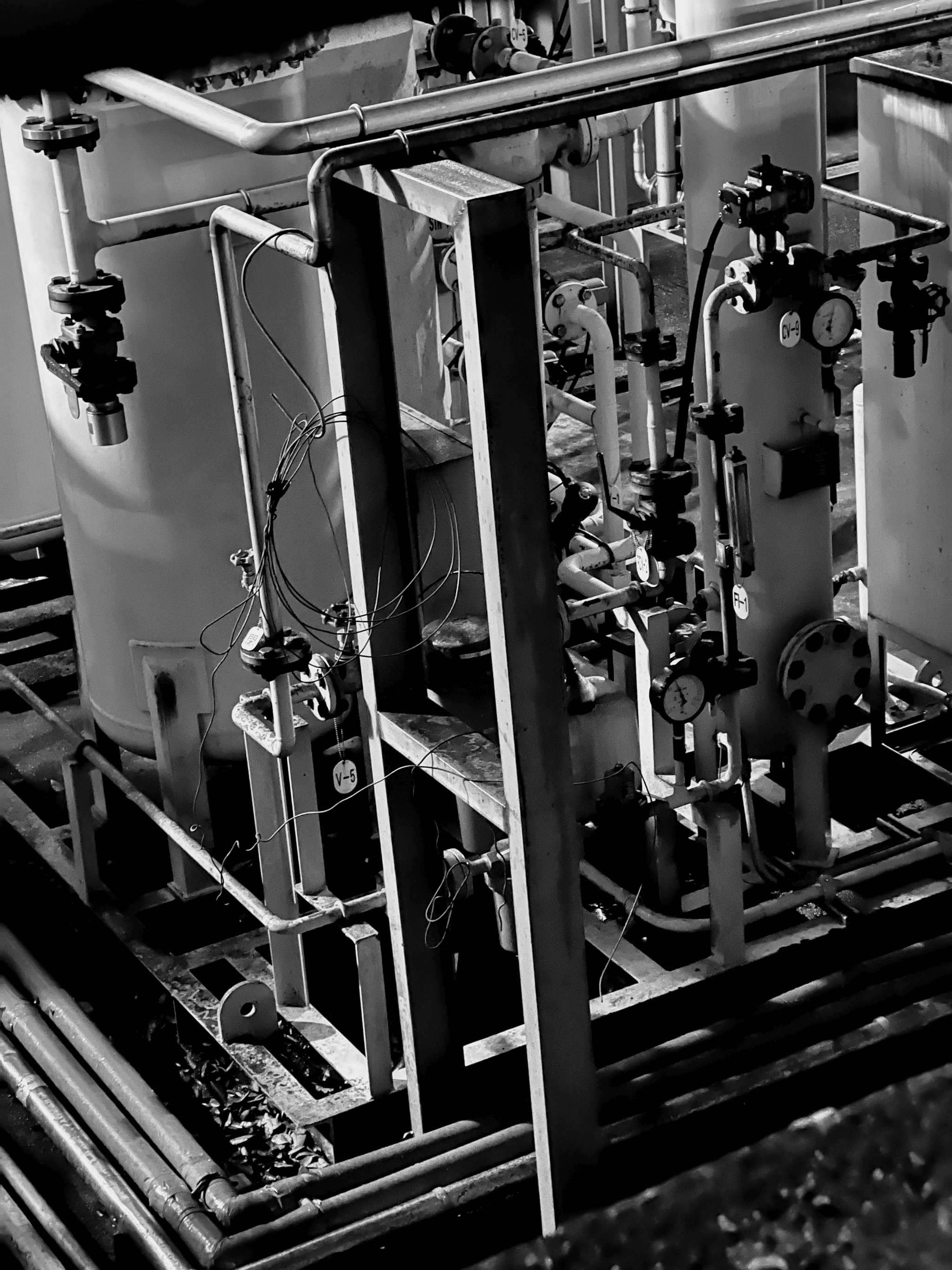
Regular Pressure Vessel Inspections are the backbone of maintaining safety, efficiency, and longevity in industrial operations. By consistently evaluating Pressure Vessel Plate Material and ensuring compliance with industry standards, companies can prevent costly failures and downtime. Staying diligent with inspections not only safeguards personnel but also protects the bottom line, making it a wise investment in long-term operational integrity.
Choosing the right inspection partner is crucial for accurate assessments of Pressure Vessel Dimension Inspection and adherence to ASME Pressure Vessel Joint Efficiencies. A trusted provider understands the nuances of ASME Impact Test Requirement and can expertly conduct Pressure Vessel RT Tests to detect flaws early. Their expertise ensures that your Pressure Vessel Certification process is smooth, compliant, and reliable, giving you peace of mind.
Staying ahead with industry standards and innovations means continuously updating inspection techniques and embracing advanced technologies in Pressure Vessel Inspections. Incorporating new methods allows for more precise detection of corrosion or material wear while optimizing maintenance schedules. An informed approach to these evolving standards guarantees your pressure vessels remain compliant with regulations and perform at peak efficiency.