
Introduction
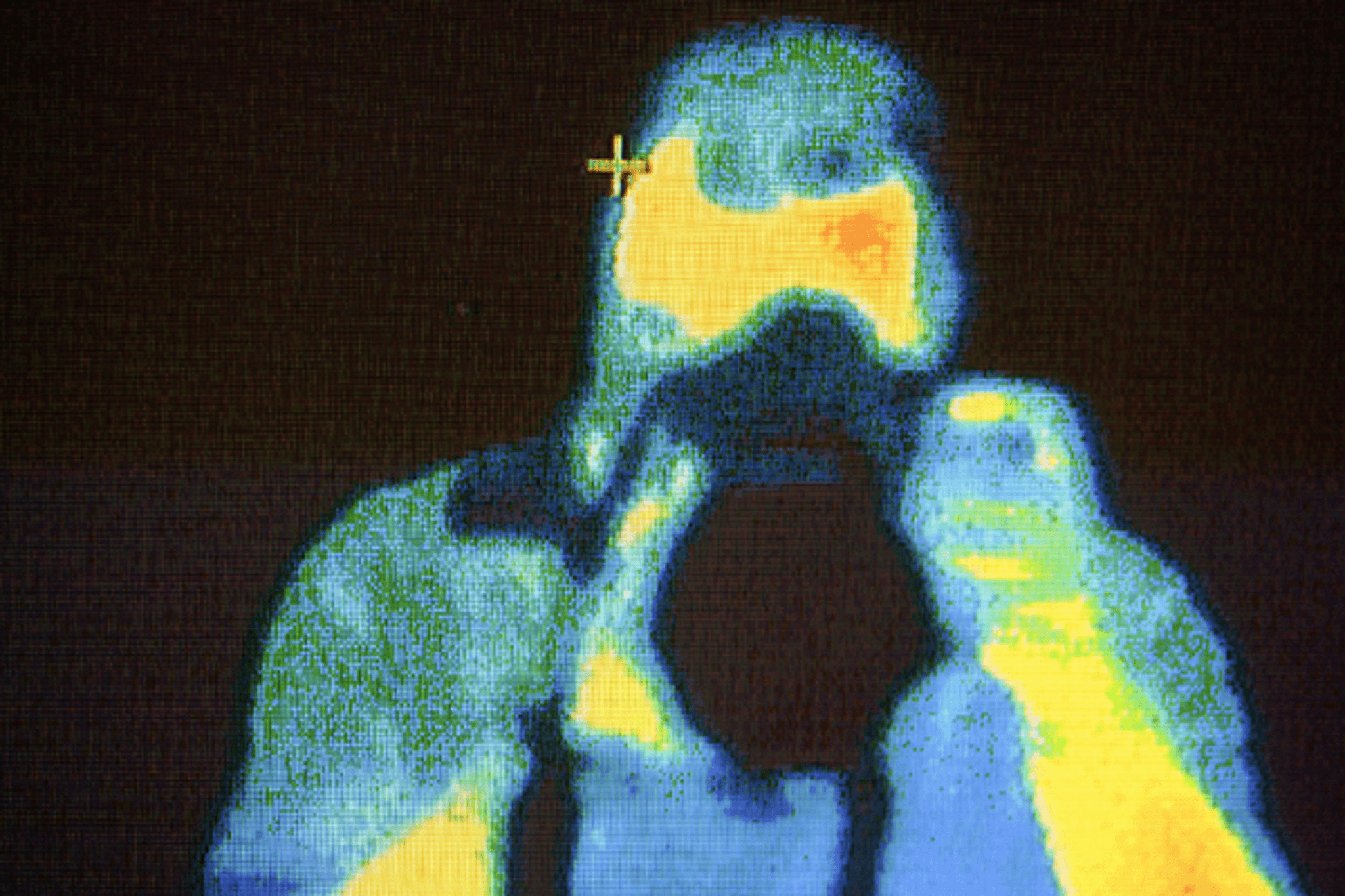
Hot Thermal Insulation inspection plays a crucial role in maintaining the efficiency and safety of industrial and commercial facilities. Properly assessing insulation types and materials ensures that heat loss is minimized, which can significantly reduce energy costs. Without accurate inspections, hidden issues like insufficient thickness to be applied or damaged jacketing systems for insulation protection may go unnoticed, leading to increased operational expenses and safety risks.
When it comes to thermal inspection processes, common challenges often arise from the diversity of insulation materials used across different projects. Variations in insulation types can complicate the interpretation of thermal images, making it essential to understand how each material responds during a Hot Thermal Insulation inspection. Additionally, selecting appropriate fastening materials during inspection is vital for securing insulation components effectively and avoiding future maintenance headaches.
Proper insulation impacts energy efficiency more than most realize; inadequate or damaged insulation—whether it's due to improper thickness to be applied or compromised jacketing systems for insulation protection—can cause significant heat transfer losses. Conducting thorough Hot Thermal Insulation inspections helps identify these vulnerabilities early on, ensuring that the right measures are taken. When insulation materials are correctly installed with suitable fastening materials and protective jacketing systems, buildings operate more efficiently, saving money while reducing carbon footprints.
Preparing for a Hot Thermal Insulation Inspection
Getting ready for a hot thermal insulation inspection isn’t just about grabbing your toolkit and heading out the door; it’s about strategic preparation to ensure you get accurate, actionable results. First, you’ll want to gather all necessary tools and equipment tailored specifically for this type of inspection. This includes infrared thermometers, thermal cameras, moisture meters, and possibly ultrasonic thickness gauges to measure the thickness to be applied on different areas—because knowing the right insulation types and materials beforehand can save you a lot of headaches during the actual inspection.
Next up is reviewing building plans and insulation specifications meticulously. Understanding what insulation materials have been used, their expected thickness to be applied, and how they are installed helps you identify potential issues quickly. Keep an eye out for details about jacketing systems for insulation protection—these are often overlooked but crucial in maintaining thermal efficiency—and ensure that your inspection plan aligns with these specifications.
Finally, safety protocols must be firmly in place before starting your hot thermal insulation inspection. Working with high-temperature environments or inspecting areas with electrical components requires proper safety gear such as gloves, helmets, and protective eyewear. Ensuring that fastenings are secure and that jacketing systems for insulation protection are intact not only keeps everyone safe but also guarantees more reliable inspection results.
Conducting the Inspection: Step-by-Step
Performing a thorough Hot Thermal Insulation inspection requires a systematic approach to ensure no detail is overlooked. This process involves carefully utilizing infrared thermography to detect temperature variations that reveal insulation deficiencies, gaps, or areas needing attention. By following a step-by-step method, inspectors can accurately assess insulation types and materials, ensuring they meet safety and efficiency standards while minimizing energy loss.
Using Infrared Thermography Effectively
Infrared thermography is the cornerstone of any successful Hot Thermal Insulation inspection. Proper use of thermal cameras allows inspectors to visualize temperature differences across surfaces, helping to identify poorly insulated areas or thermal leaks. When conducting the inspection, it’s essential to calibrate the equipment correctly and understand how different insulation types influence thermal readings; some materials may appear more effective than they actually are due to their reflective properties. Remember, capturing high-quality thermal images provides critical data for evaluating whether the thickness to be applied in specific zones aligns with optimal performance standards.
Identifying Insulation Deficiencies and Gaps
Once thermal images are captured, the next step involves scrutinizing them for signs of insulation deficiencies and gaps that could compromise system efficiency. Common issues include uneven temperature distributions indicating missing or damaged insulation materials or improperly installed fasteners that cause thermal bridging. Recognizing these deficiencies early helps prioritize repairs such as replacing damaged insulation materials or adjusting fastening materials to improve overall performance—especially in areas where insulation types vary significantly across different sections of a facility.
Assessing the Thickness to Be Applied for Different Areas
Determining the correct thickness to be applied during upgrades hinges on detailed analysis during your Hot Thermal Insulation inspection process. Different areas within a building or industrial setup require varying levels of insulation thickness depending on their function and exposure conditions; for example, colder zones might need thicker layers of specific insulation materials for optimal energy conservation. Accurate assessment ensures that new layers will effectively prevent heat transfer without over-application—saving costs while maintaining efficiency standards.
Selecting Appropriate Fastening Materials During Inspection
Fastening materials play a vital role in securing insulation systems effectively—especially when inspecting existing setups or planning new installations. During your inspection, evaluate whether current fastening materials are suitable for holding different types of insulation securely in place; improper fasteners can lead to gaps or sagging that reduce overall effectiveness. Choosing appropriate fastening systems tailored for specific insulation types not only enhances durability but also minimizes future maintenance needs—making sure your investment in hot thermal protection pays off long-term.
Evaluating Jacketing Systems for Insulation Protection
Finally, inspecting jacketing systems designed for insulation protection is crucial in maintaining system integrity against environmental factors like moisture and mechanical damage. An effective jacketing system should complement the chosen insulation type by providing an additional barrier without compromising ventilation or access points necessary during maintenance checks. During your Hot Thermal Insulation inspection, assess whether existing jacketing systems are intact and properly installed; upgrading damaged jackets with compatible materials ensures ongoing protection and prolongs the lifespan of your entire thermal system.
Analyzing Inspection Data
Interpreting thermal images accurately is the cornerstone of a successful Hot Thermal Insulation inspection. The thermal images reveal temperature variations that can indicate insulation deficiencies, gaps, or areas where the insulation materials are not performing as expected. By understanding how different insulation types and their properties show up on infrared scans, inspectors can distinguish between well-insulated sections and those needing attention, ensuring the correct Thickness to be applied for each area.
When documenting critical findings from a Hot Thermal Insulation inspection, it's vital to be precise and thorough. Detailed records of identified issues—such as missing fasteners or compromised jacketing systems for insulation protection—help prioritize repairs and upgrades. Proper documentation also facilitates communication with stakeholders about the specific insulation materials involved and guides decisions on whether to replace or upgrade existing insulation systems.
Differentiating between insulation types and materials during data analysis requires a keen eye and knowledge of how each material behaves thermally. Different insulation materials have unique thermal conductivities, which affect their appearance on thermal images. Recognizing these differences allows inspectors to recommend appropriate fastening materials and determine the optimal Thickness to be applied during future installations or repairs, ultimately enhancing energy efficiency.
Addressing Common Issues Found in Thermal Inspections
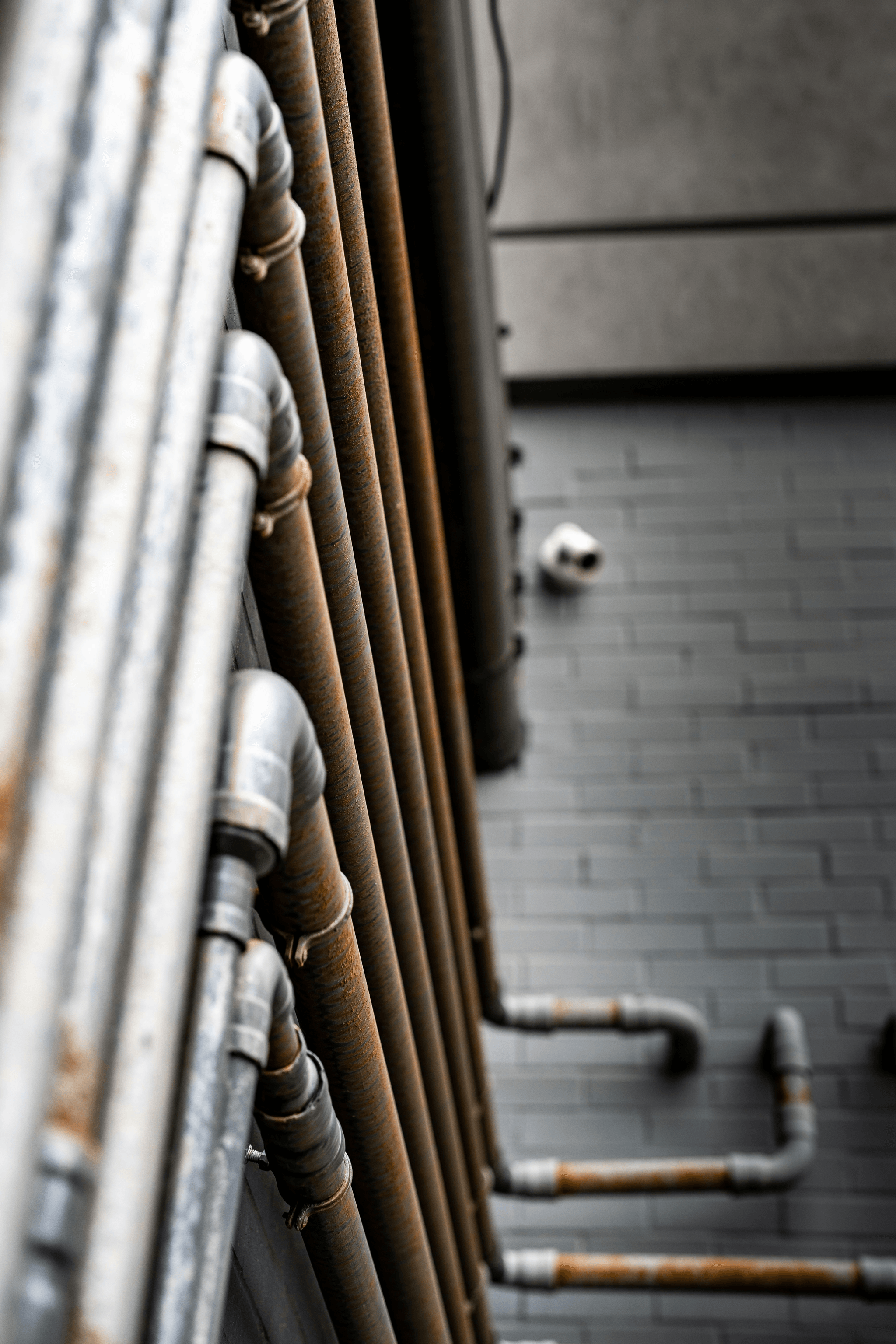
When conducting a Hot Thermal Insulation inspection, it’s inevitable that you'll encounter issues with insulation types, materials, or installation quality. These problems can lead to energy leaks, increased costs, and compromised safety if not properly addressed. The key is to identify the root causes and implement targeted solutions to restore efficiency and safety.
Repairing Inadequate Insulation
Inadequate insulation is a common problem revealed during thermal inspections, often indicated by heat loss or cold spots on thermal images. Repairing this issue involves adding or replacing insulation materials to achieve the desired thickness to be applied for each area. Selecting the right insulation types—such as fiberglass, foam, or mineral wool—and ensuring proper application can significantly improve thermal performance and prevent future energy waste.
Upgrading or Replacing Damaged Jacketing Systems
Damaged jacketing systems for insulation protection expose the underlying insulation materials to environmental elements, leading to deterioration and reduced efficiency. During a Hot Thermal Insulation inspection, damaged jacketing systems should be promptly upgraded or replaced with suitable materials that provide durable insulation protection. Proper jacketing systems for insulation protection not only prolong the lifespan of the insulation but also maintain its thermal integrity against moisture, UV rays, and mechanical damage.
Ensuring Proper Installation of Fastening Materials
Fastening materials are critical in securing insulation layers and preventing gaps that compromise thermal performance. Improper installation of fastening materials can cause shifting or sagging of insulation types, creating heat transfer pathways that diminish energy savings. During inspection, verifying that fastening materials are correctly installed ensures that the entire system functions optimally; this includes checking for consistent spacing and secure attachment according to specifications.
Working with Quality Inspection Experts
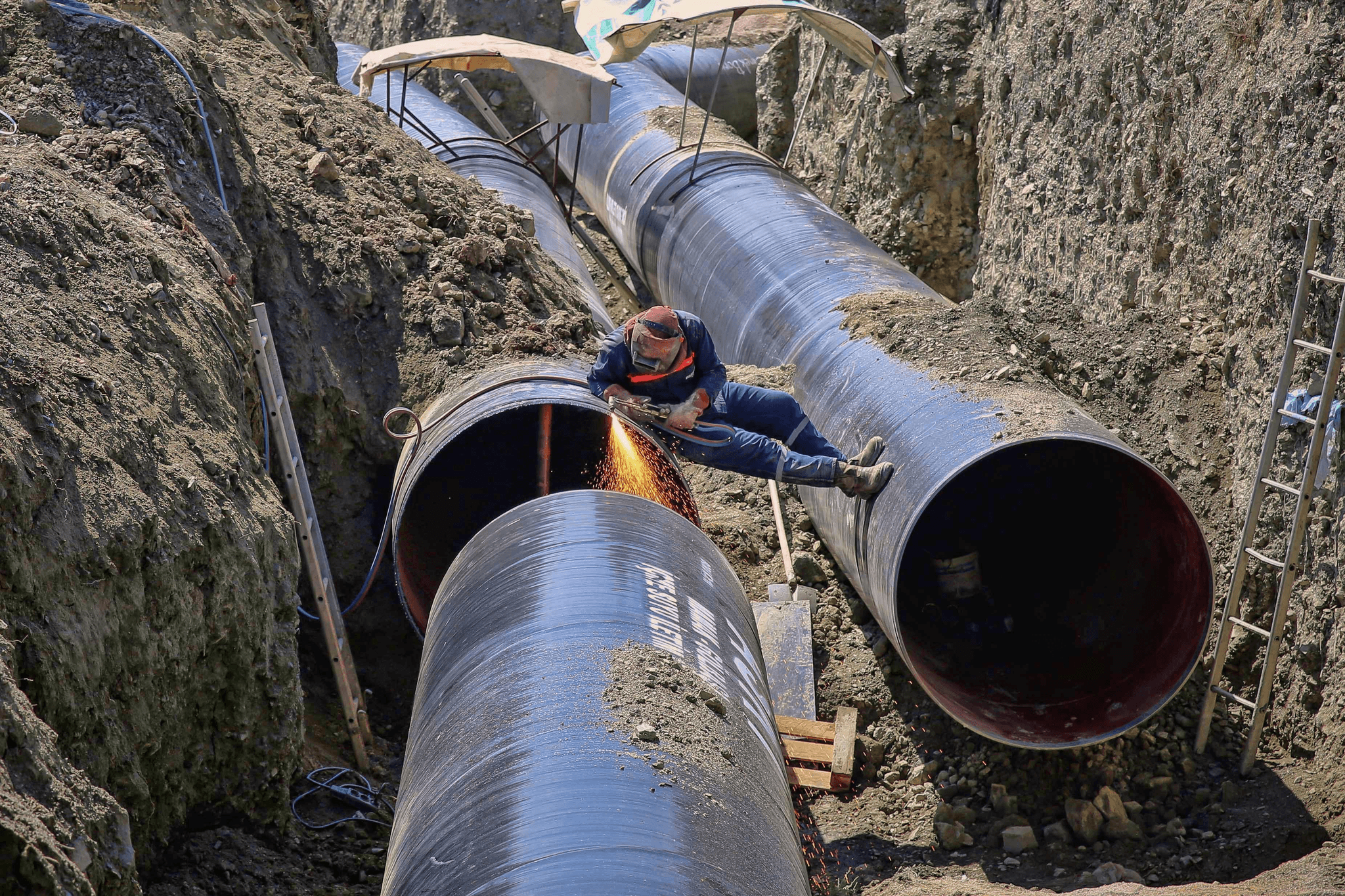
Partnering with seasoned professionals like China Inspection Pro can elevate your Hot Thermal Insulation inspection process from good to great. Their expertise ensures that every aspect of the insulation types, materials, and installation techniques are thoroughly evaluated, saving you time and costly errors down the line. With their support, you gain confidence that the Thickness to be applied, Fastening materials, and Jacketing systems for insulation protection meet industry standards precisely.
Benefits of Partnering with China Inspection Pro
Collaborating with China Inspection Pro brings a wealth of benefits when conducting Hot Thermal Insulation inspections. They possess deep knowledge of various insulation types and materials, ensuring accurate identification and assessment during thermal inspections. Their team also provides guidance on the optimal Thickness to be applied for different areas, helping you avoid under- or over-insulating which can compromise energy efficiency or safety.
How Quality Inspection Ensures Compliance and Excellence
Quality inspection professionals prioritize compliance by meticulously reviewing insulation types and materials used in your project. They verify that Fastening materials are installed correctly and that Jacketing systems for insulation protection are robust enough to withstand environmental conditions. This attention to detail guarantees that your thermal inspection results are trustworthy, leading to consistent performance and adherence to safety standards.
Turning Inspection Findings into Actionable Improvements
Once the inspection is complete, experts help translate findings into clear, actionable steps—whether it’s repairing inadequate insulation or upgrading damaged jacketing systems for insulation protection. They advise on adjusting Thickness to be applied where necessary or selecting better Fastening materials for enhanced stability. By leveraging their insights, you can implement targeted improvements that maximize energy efficiency and extend the lifespan of your insulation system.
Conclusion
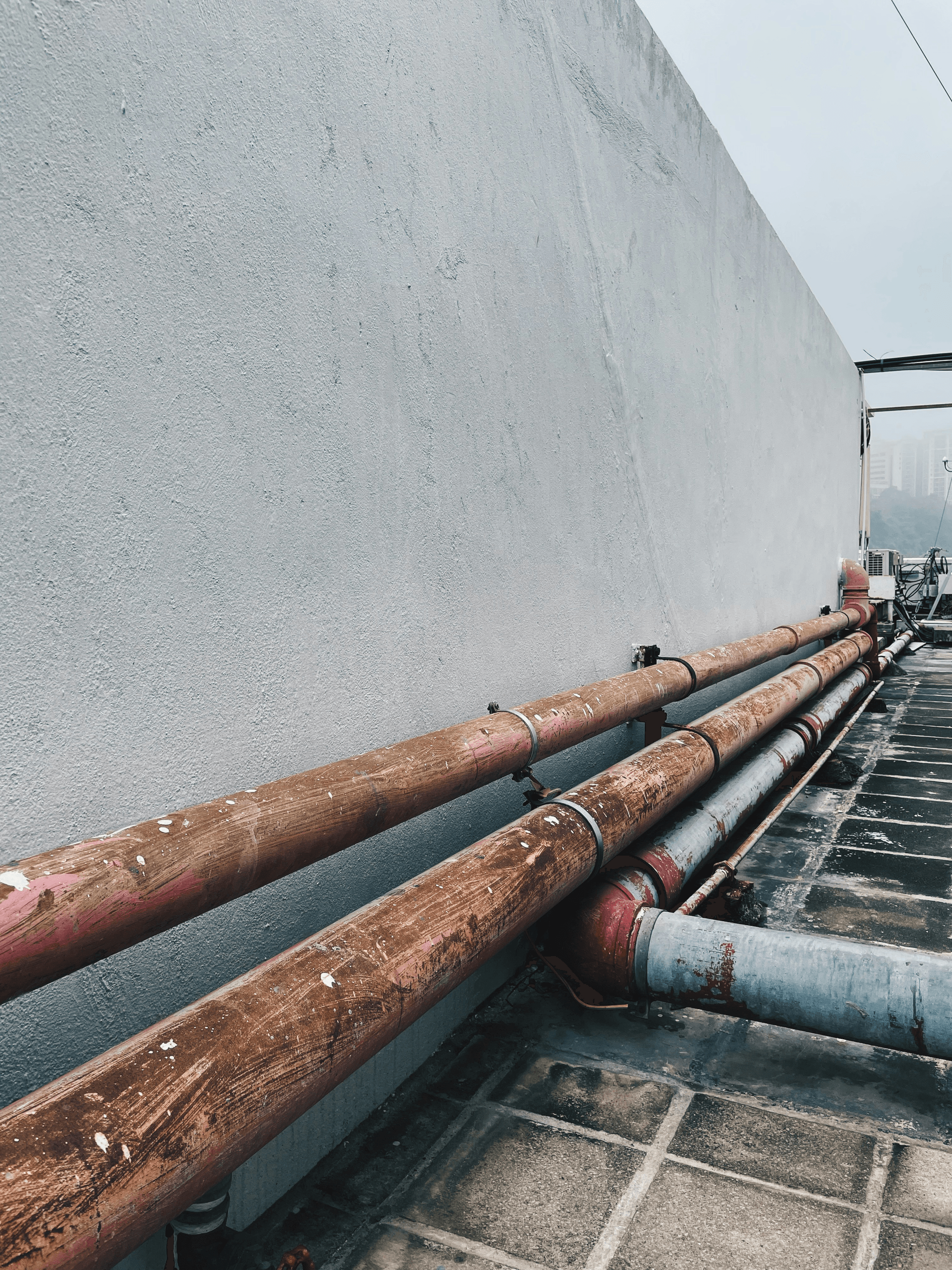
In the world of Hot Thermal Insulation inspection, understanding the nuances of insulation types and materials is crucial for achieving optimal energy efficiency. Properly assessing the thickness to be applied in different areas ensures that insulation performs as intended, reducing heat loss and saving costs. Additionally, selecting the right fastening materials and maintaining robust jacketing systems for insulation protection are vital steps that prevent future issues and prolong insulation lifespan.
Effective thermal inspections hinge on integrating detailed inspection results with maintenance plans. When you combine insights from thermal images with your ongoing upkeep routines, you create a proactive approach to addressing insulation deficiencies and protecting your assets. This integration helps prioritize repairs or upgrades, such as replacing damaged jacketing systems or adjusting fastening materials, which ultimately enhances overall system performance.
Consistent insulation evaluation is not just a routine task but a strategic necessity to keep energy efficiency high and operational costs low. Regular Hot Thermal Insulation inspection allows you to monitor different insulation types and materials over time, catching issues early before they escalate into costly repairs. Staying vigilant about insulation health—especially concerning thickness to be applied and jacketing systems—ensures your facility remains compliant with standards while maximizing energy savings.