
Introduction
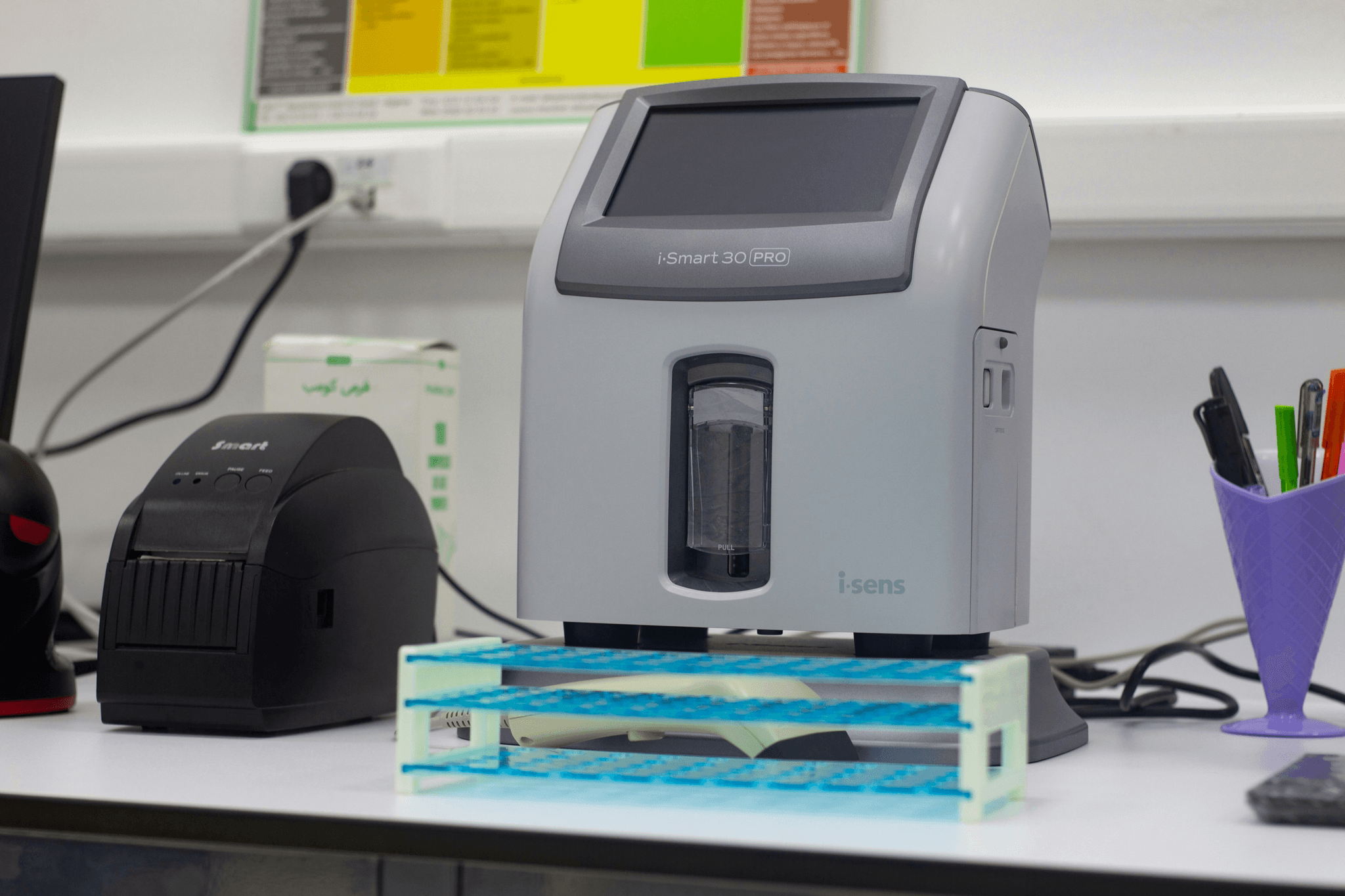
Ensuring the longevity and vibrancy of textiles hinges on thorough and accurate Color Fastness Testing. Whether it's washing fastness, rubbing fastness (crocking), or light fastness, reliable test results are essential for manufacturers aiming to meet quality standards and customer expectations. Without precise testing, fabrics risk color fading or bleeding, which can tarnish brand reputation and lead to costly recalls.
One of the biggest hurdles in conducting an effective Color Fastness Test is navigating the myriad challenges—from selecting representative samples to interpreting complex results like water fastness or chlorinated water fastness. Tests involving perspiration fastness or seawater exposure demand meticulous procedures to replicate real-world conditions accurately. Overcoming these obstacles requires expertise and consistency to ensure each test accurately reflects how textiles will perform over time.
This is where China Inspection Pro steps in as a trusted partner for textile manufacturers seeking dependable results in color fastness testing. Their comprehensive approach covers all critical aspects—from washing fastness and rubbing fastness (crocking) to light fastness, perspiration, and water fastness—including specialized tests like chlorinated water and seawater resistance. By leveraging their advanced facilities and industry-standard methods, China Inspection Pro guarantees that your textiles meet global standards while providing actionable insights for continuous improvement.
Preparing for a Color Fastness Test

Getting ready for a thorough Color Fastness Test begins with choosing the right textiles and samples. Not all fabrics are created equal when it comes to testing, so selecting representative samples that reflect the end-use environment is crucial. Whether you're evaluating washing fastness or light fastness, ensure your samples mirror real-world conditions to avoid surprises down the line.
Next, gather all necessary testing equipment and reference standards before diving into the test. This includes standardized washing machines, rubbing fastness testers, light sources like xenon arc lamps, and color reference charts. Properly calibrated tools are vital for accurate assessment of water fastness, chlorinated water fastness, or seawater fastness—especially since these factors can significantly influence the durability of your textile’s color.
Finally, ensure proper sample conditioning to achieve consistent results across all tests. This involves controlling temperature and humidity levels to match industry standards for each type of test—be it water fastness or perspiration fastness. Well-conditioned samples help prevent discrepancies in color transfer or fading levels during testing, leading to more reliable insights into your fabric’s overall color fastness profile.
Conducting Washing Fastness Tests
Performing a thorough washing fastness test is essential to determine how well a textile retains its color after repeated laundering. This step in the Color Fastness Test involves simulating real-world washing conditions to evaluate fabric durability, especially for garments and textiles exposed to frequent cleaning. Accurate testing ensures your product meets industry standards and customer expectations for color retention.
Utilizing the Grey Scale and standardized washing procedures
In any reliable washing fastness assessment, the Grey Scale is your best friend—it provides a standardized way to visually compare fabric discoloration before and after washing. When conducting the test, follow strict protocols that mimic typical laundering conditions, including temperature, duration, and agitation levels. These standardized procedures from ISO 105-C06 help ensure consistency across tests and make it easier to track changes in color fastness during the process.
Using industry-standard detergents and test methods from ISO 105-C06
The choice of detergent can make or break your washing fastness results; hence, only industry-standard detergents specified by ISO 105-C06 should be used for consistency. These detergents are formulated to simulate consumer laundry products without introducing variables that could skew results—crucial when assessing water fastness or chlorinated water fastness of textiles. Employing these recognized cleaning agents ensures your fabric’s resistance to various washing environments, including seawater fastness tests or exposure to chlorinated water.
Recording and interpreting washing fastness outcomes
Once the wash cycle concludes, it’s time for detailed documentation—note any color transfer or fading observed on both the textile sample and the Grey Scale comparison chart. Proper recording of these outcomes helps identify areas where fabrics excel or need improvement regarding their color fastness in different scenarios like perspiration fastness or water fastness tests. Interpreting these results accurately allows manufacturers to optimize their textiles’ performance against challenges such as seawater exposure or chlorinated water environments.
Assessing Rubbing Fastness (Crocking)
Rubbing fastness, also known as crocking, is a critical part of the comprehensive Color Fastness Test that determines how well a textile retains its color when subjected to friction. This test helps identify potential issues with color transfer during everyday wear and tear, ensuring consumer satisfaction and product durability. Proper assessment of rubbing fastness involves precise techniques to simulate real-world conditions, making it an indispensable step in the overall evaluation process.
Performing dry and wet rubbing tests following ISO 105-X12
To accurately assess rubbing fastness, textile samples undergo both dry and wet rubbing tests according to ISO 105-X12 standards. The dry test involves rubbing the fabric against a white cloth under controlled pressure to observe any color transfer, while the wet test simulates conditions where fabrics are damp or sweaty. These tests reveal how textiles perform under different moisture conditions, which is vital for assessing their overall color fastness in real-life scenarios.
Choosing the right abrasives and rub fastness methods
Selecting appropriate abrasives is essential for consistent results in a Color Fastness Test involving crocking assessments. Typically, standardized materials like cotton or wool cloths are used as abrasives because they mimic typical contact surfaces encountered during wear. Additionally, employing industry-standard methods ensures that results from washing fastness and light fastness tests align with those from rubbing assessments—creating a comprehensive profile of fabric durability against color transfer.
Evaluating color transfer and reporting crocking results
After completing the dry and wet rubbing tests, carefully evaluate any visible color transfer onto the testing cloths or surrounding surfaces. The degree of crocking is graded on a scale—ranging from no change to severe staining—providing clear insight into how well the fabric maintains its original hue during frictional contact. Accurate reporting of these crocking results helps manufacturers identify potential issues in their production process related to water fastness or washing fastness, ultimately leading to improved product quality
Testing Light Fastness
Light fastness is a critical component of the Color Fastness Test, especially for textiles exposed to sunlight or artificial light over time. Proper testing in accordance with ISO 105-B02 involves simulating real-world light exposure to assess how fabrics fade or change color. This process helps manufacturers ensure their products meet durability standards and maintain vibrant colors throughout their lifespan.
Setting up light fastness testing in xenon arc lamps as per ISO 105-B02
To accurately evaluate light fastness, laboratories utilize xenon arc lamps that mimic natural sunlight, replicating the conditions textiles face outdoors. The setup involves placing fabric samples alongside blue wool standards, which serve as reference points for fading levels. Ensuring proper calibration of the xenon lamp and adherence to ISO 105-B02 guidelines guarantees reliable results in your Color Fastness Test.
Controlling exposure conditions for reproducibility
Reproducibility is key when conducting a light fastness test; even minor variations can skew results and lead to misinterpretation of washing fastness or rubbing fastness (crocking). Maintaining consistent exposure parameters—such as temperature, humidity, and light intensity—is essential for comparing different fabric batches or testing different materials. By tightly controlling these factors, textile producers can confidently assess how fabrics will perform under environmental stressors like chlorinated water fastness or seawater fastness.
Analyzing fading levels and grading from blue wool standards
Once exposure is complete, the faded samples are compared against blue wool standards to grade their fading levels accurately. This grading provides insight into the fabric's ability to withstand prolonged exposure without significant color loss, directly impacting its performance in washing fastness and water fastness tests. Regularly referencing these standards ensures your textile’s durability passes global compliance checks for all types of environmental challenges—including chlorinated water and seawater conditions.
Perspiration and Water Fastness Evaluation
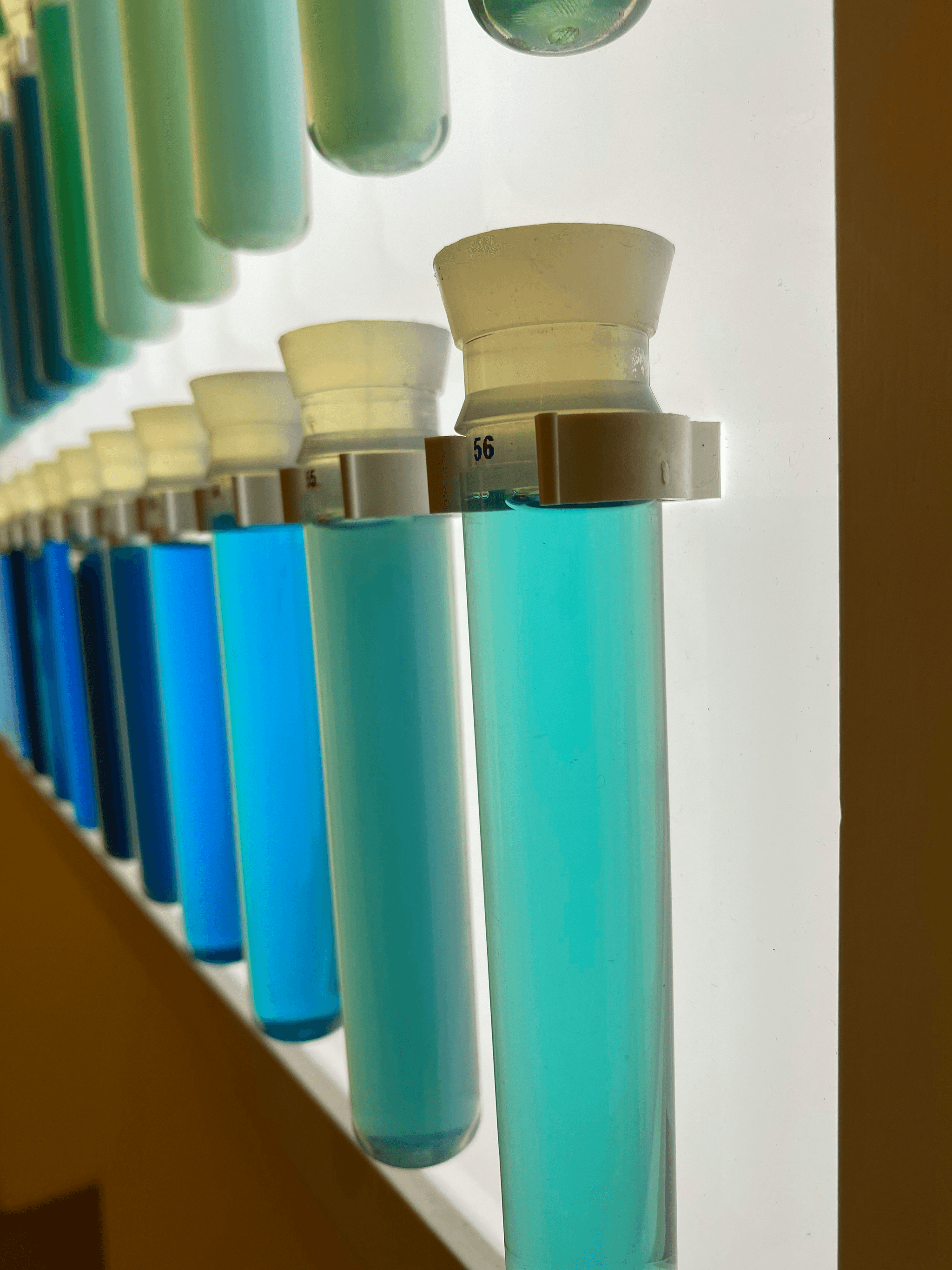
When it comes to a comprehensive Color Fastness Test, evaluating how fabrics withstand perspiration and water exposure is crucial. These tests simulate real-world conditions, helping manufacturers ensure their textiles won’t bleed or fade in everyday environments. Proper assessment of perspiration fastness and water fastness guarantees durability and customer satisfaction across different scenarios.
Simulating human perspiration with ISO 105-E04
To accurately gauge perspiration fastness, textiles are subjected to standardized synthetic sweat solutions following ISO 105-E04 guidelines. This process mimics the pH levels and composition of human sweat, providing realistic conditions for the fabric’s colorfastness performance. Conducting this test allows manufacturers to identify potential color bleeding or fading caused by body moisture, ensuring the fabric's resilience during wear.
Conducting water fastness tests using distilled, chlorinated, and seawater
Water fastness testing is an essential part of a thorough Color Fastness Test because fabrics often encounter various water sources in daily life. Tests using distilled water evaluate baseline resistance, while chlorinated water simulates exposure to swimming pools or treated tap water that contains chlorine. Seawater fastness assessments are equally vital for textiles used in marine environments; they help determine how well fabrics resist saltwater-induced fading or deterioration over time.
Identifying fabric resistance across different environmental conditions
Understanding how textiles perform in different environmental conditions—whether exposed to sweat, chlorinated pools, or seawater—is key to delivering high-quality products with excellent color fastness properties. A thorough Water Fastness test reveals whether fabrics can maintain their vibrant colors after repeated exposure to these challenging conditions. This comprehensive approach ensures your textile's durability in diverse settings and helps avoid surprises when your customers put your products through their paces.
Addressing Chlorinated and Seawater Fastness
When it comes to the durability of textiles exposed to harsh environments, understanding chlorinated water fastness and seawater fastness is crucial. Textiles that face chlorinated water—like poolside fabrics—or are used in marine settings need to withstand these challenging conditions without losing their color integrity. A thorough Color Fastness Test for chlorinated and seawater exposure helps manufacturers identify potential weaknesses before they hit the market.
Recognizing how chlorinated water affects textiles is vital because chlorine can cause significant fading and deterioration during washing fastness tests. Chlorinated water can break down dye molecules, leading to poor color retention, especially in garments meant for swimming pools or aquatic sports. Conducting a dedicated water fastness test simulating chlorinated conditions ensures that fabrics maintain their appearance after repeated exposure, safeguarding product quality and customer satisfaction.
Testing seawater fastness involves preparing proper simulated seawater solutions that mimic real marine environments. These solutions typically contain salts like sodium chloride at concentrations similar to natural seawater, providing an accurate assessment of how fabrics perform in salty, humid conditions. Incorporating seawater fastness testing into your overall Color Fastness Test protocol allows you to evaluate whether your textiles will endure long-term exposure without compromising their colorfast qualities.
Interpreting results from chlorinated and seawater fastness tests is essential for ensuring textile durability in marine environments or swimming facilities. A fabric passing these tests demonstrates resilience against saltwater corrosion and chemical effects of chlorine, which directly impact washing fastness and rubbing fastness (crocking). By thoroughly analyzing fading levels and color transfer outcomes, manufacturers can improve formulations or choose better dyes to enhance overall product reliability.
Leveraging China Inspection Pro for Quality Assurance
Partnering with China Inspection Pro elevates your brand’s reputation by providing meticulous and reliable testing services for all aspects of color fastness. Their expertise in conducting comprehensive tests—covering washing fastness, rubbing fastness (crocking), light fastness, perspiration fastness, water fastness, chlorinated water fastness, and seawater fastness—ensures your textiles meet strict global standards. With their support, you gain confidence that every fabric you produce can withstand the rigors of real-world use while maintaining vibrant colors.
How professional textile testing from China Inspection Pro enhances your product reliability
When it comes to a Color Fastness Test, accuracy is everything—and China Inspection Pro delivers just that. Their team meticulously performs washing fastness tests to verify color retention after laundering, ensuring your products resist fading over time. They also excel in assessing rubbing fastness (crocking), which is crucial for fabrics subjected to frequent contact or friction; this guarantees your textiles won’t transfer dyes onto skin or other garments. By thoroughly evaluating light fastness and perspiration fastness, they help you create products that stay true under sunlight and human sweat alike.
Comprehensive reporting and actionable insights for textile manufacturers
China Inspection Pro’s detailed reports on water fastness—including tests involving chlorinated water and seawater—are a goldmine for manufacturers aiming to improve durability in diverse environments. These insights reveal how fabrics perform under challenging conditions like exposure to chlorinated pools or salty sea air, guiding necessary improvements before hitting the market. Their clear grading systems and practical recommendations turn complex test results into actionable steps that enhance product quality and customer satisfaction.
Ensuring compliance with global standards for color fastness testing
Navigating the maze of international standards can be daunting—but not with China Inspection Pro on your side. They ensure every aspect of your textile's color fastness—be it washing, rubbing (crocking), light exposure, or resistance to perspiration and water—is tested according to ISO 105 series standards or other relevant guidelines worldwide. This rigorous compliance guarantees your products are ready for global markets where consumers demand durable colors that stand up against time and environmental challenges like chlorinated water or seawater exposure.
Conclusion
Achieving flawless results with a comprehensive Color Fastness Test is essential for ensuring your textiles meet quality standards and customer expectations. From washing fastness to seawater fastness, each aspect of the test plays a vital role in revealing how fabrics withstand various environmental conditions. By meticulously conducting these tests, manufacturers can identify potential issues early and improve product durability.
Achieving flawless results with thorough Color Fastness Tests
A well-executed Color Fastness Test, covering washing fastness, rubbing fastness (crocking), light fastness, perspiration fastness, water fastness, chlorinated water fastness, and seawater fastness, ensures your textiles maintain their color integrity over time. Consistent testing procedures help detect fading or color transfer that might otherwise go unnoticed until after sale. The key to flawless results lies in attention to detail during sample preparation and adherence to international standards.
Avoiding common pitfalls through expert guidance from China Inspection Pro
Many pitfalls in performing a reliable Color Fastness Test stem from improper sample conditioning or using incompatible testing methods for specific environments like chlorinated water or seawater exposure. With professional guidance from China Inspection Pro, you gain insights into selecting the right test parameters for each type of fastness—be it washing, rubbing (crocking), or light exposure—reducing errors that compromise data quality. Their expertise helps you interpret results accurately and avoid costly re-tests or product failures.
Elevating textile quality and customer satisfaction with reliable testing practices
Reliable testing practices across all facets of the Color Fastness Test—covering water fastness, perspiration resistance, and seawater durability—translate directly into higher product quality and increased customer satisfaction. When your textiles pass rigorous assessments like chlorinated water or seawater fastness tests confidently, you demonstrate commitment to excellence that consumers trust. Ultimately, consistent use of dependable testing methods elevates your brand reputation and secures long-term success.