
Introduction
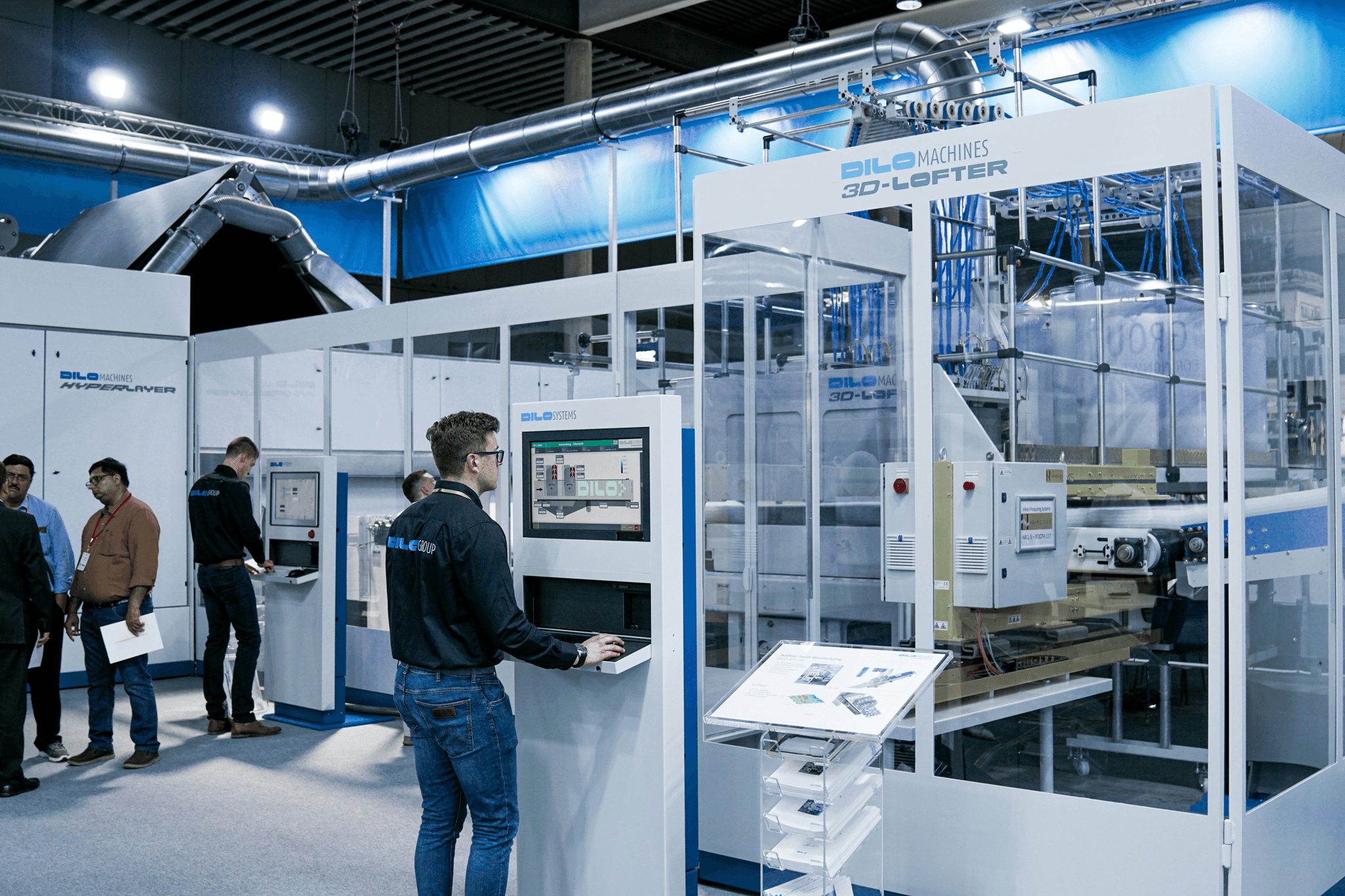
In today's fast-paced manufacturing landscape, quality production management has emerged as a crucial factor for success. It encompasses a range of practices and principles aimed at ensuring that products meet or exceed customer expectations while optimizing efficiency. Understanding the nuances of quality production management is essential for companies striving to maintain a competitive edge in their respective markets.
Understanding Quality Production Management
Quality production management refers to the systematic approach of overseeing all aspects of production processes to ensure high standards are met consistently. This includes everything from raw materials and machinery to employee training and customer feedback loops. By integrating various quality assurance methodologies, organizations can enhance their operational effectiveness and product reliability.
The Importance of Quality in Manufacturing
The significance of quality in manufacturing cannot be overstated; it directly influences customer satisfaction, brand reputation, and overall business performance. High-quality products not only reduce defects and returns but also foster customer loyalty, leading to repeat business and referrals. In an era where consumers are more discerning than ever, companies must prioritize quality production management to thrive.
Overview of Quality Management Techniques
There are several types of quality production management techniques available today, each tailored to meet specific industry needs. From Total Quality Management (TQM) that emphasizes continuous improvement across all levels to Six Sigma's data-driven approach aimed at reducing defects, these methodologies provide frameworks for achieving excellence. Additionally, adhering to ISO standards ensures compliance with international benchmarks, further solidifying a company's commitment to quality.
Key Principles of Quality Production Management
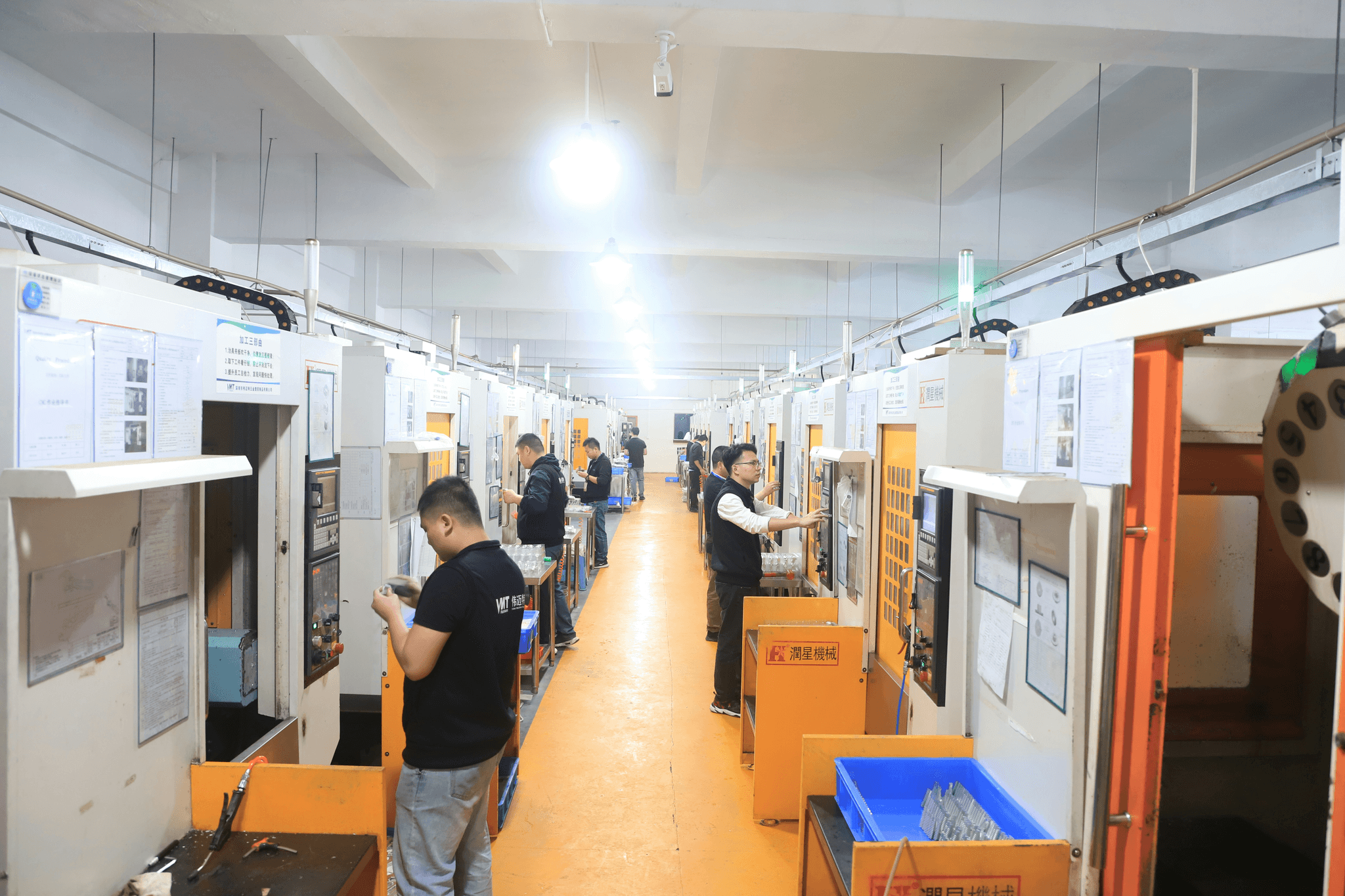
Quality production management is the backbone of successful manufacturing processes, ensuring that products meet or exceed customer expectations. At its core, it revolves around defining what quality means in a specific context and implementing strategies to achieve it consistently. Understanding these key principles is essential for any organization looking to thrive in a competitive landscape.
Defining Quality in Manufacturing
Defining quality in manufacturing goes beyond just meeting specifications; it involves understanding the needs and expectations of customers. Quality production management requires manufacturers to establish clear criteria for their products, ensuring that every item produced aligns with those standards. This definition can vary significantly across different industries and types of quality production management, making it crucial for companies to tailor their approaches accordingly.
To truly grasp the essence of quality, manufacturers must engage with stakeholders, including suppliers and customers, to gather insights into what constitutes a high-quality product. By incorporating these perspectives into their definitions of quality, organizations can create a more robust framework for assessing their output. Ultimately, a well-defined concept of quality serves as a guiding star for continuous improvement efforts.
Continuous Improvement and Lean Practices
Continuous improvement is at the heart of effective quality production management; it's about striving for excellence every day rather than settling for mediocrity. Lean practices play a pivotal role here by focusing on eliminating waste while maximizing value—essentially doing more with less. This philosophy not only enhances efficiency but also fosters an environment where employees are encouraged to contribute ideas that drive improvements.
By implementing continuous improvement strategies, organizations can adapt quickly to changing market demands and maintain high levels of customer satisfaction. Techniques such as Kaizen promote small, incremental changes that lead to significant long-term benefits—perfectly aligning with the principles of lean manufacturing. In this way, companies can ensure they remain competitive while consistently delivering high-quality products.
The Role of Customer Feedback
Customer feedback is an invaluable resource in the realm of quality production management; it provides insights directly from those who matter most—the end-users. Actively seeking out feedback allows manufacturers to identify areas where they excel and aspects that require enhancement or adjustment. This two-way communication not only helps refine product offerings but also builds stronger relationships between businesses and consumers.
Incorporating customer feedback into the decision-making process fosters a culture centered around responsiveness and adaptability within organizations—key traits needed in today’s fast-paced market environment. Moreover, by using various channels such as surveys or social media interactions, companies can gather real-time data on consumer preferences and trends related to types of quality production management practices employed across industries. Ultimately, leveraging this information leads to better alignment between product development efforts and customer expectations.
Types of Quality Production Management
In the realm of quality production management, various methodologies and standards have emerged to enhance manufacturing processes. Understanding these types is crucial for organizations aiming to improve efficiency and maintain high-quality outputs. By exploring Total Quality Management, Six Sigma, and ISO standards, businesses can better navigate their quality production management journey.
Total Quality Management Explained
Total Quality Management (TQM) is a holistic approach that emphasizes continuous improvement across all organizational levels. In TQM, every employee plays a role in enhancing the quality of products and services while fostering a culture of collaboration and accountability. This comprehensive strategy not only focuses on product excellence but also prioritizes customer satisfaction, making it a cornerstone of effective quality production management.
Implementing TQM requires commitment from leadership and engagement from all employees within the organization. Training sessions and workshops are often employed to instill TQM principles, ensuring that everyone understands their role in maintaining quality standards. Ultimately, this collective effort leads to improved processes, reduced waste, and heightened customer loyalty—essential elements for any successful quality production management company.
Six Sigma in Manufacturing
Six Sigma is another powerful methodology used in quality production management that aims to reduce defects and improve overall process efficiency. By utilizing statistical tools and techniques, Six Sigma identifies areas for improvement while minimizing variability in manufacturing processes. This data-driven approach allows companies to make informed decisions that lead to significant cost savings and enhanced product quality.
The hallmark of Six Sigma is its focus on measurable outcomes through defined projects known as DMAIC: Define, Measure, Analyze, Improve, Control. Organizations adopting this methodology often see substantial reductions in defect rates—an essential goal for any business striving for excellence in quality production management. As companies implement Six Sigma practices across their operations, they not only refine their processes but also cultivate a culture centered around data analysis and continuous improvement.
ISO Standards and Compliance
ISO standards provide internationally recognized guidelines aimed at ensuring consistent quality across various industries worldwide—a vital aspect of effective quality production management. Compliance with these standards enables organizations to demonstrate their commitment to maintaining high-quality products while meeting regulatory requirements. The ISO 9001 standard is particularly noteworthy as it outlines the criteria for establishing an effective Quality Management System (QMS).
Achieving ISO certification can significantly enhance an organization's reputation among customers who prioritize reliability and consistency in products or services offered by quality production management companies. Furthermore, adhering to ISO standards often leads to improved operational efficiencies by streamlining processes based on best practices recognized globally. In today’s competitive landscape, embracing ISO compliance can be a game-changer for businesses looking to elevate their standing within the industry.
Effective Quality Management Strategies

In the realm of quality production management, implementing effective strategies is crucial for achieving excellence. These strategies not only enhance product quality but also streamline processes, reduce waste, and foster a culture of continuous improvement. To navigate the landscape of quality production management successfully, companies must focus on three key areas: quality control systems, employee training and engagement, and technology utilization.
Implementing Quality Control Systems
Quality control systems are the backbone of any robust quality production management strategy. By establishing clear standards and procedures for monitoring product quality at every stage of production, companies can ensure consistency and reliability in their output. These systems often include inspection processes, statistical process controls, and corrective action protocols that help identify defects before they reach customers.
Moreover, effective quality control systems enable organizations to gather valuable data that can inform future improvements in their manufacturing processes. By analyzing trends in defects or inefficiencies, businesses can make informed decisions to enhance their operations continuously. In essence, a well-implemented quality control system serves as both a shield against poor-quality products and a roadmap for ongoing enhancement within the framework of types of quality production management.
Employee Training and Engagement
No strategy for quality production management would be complete without emphasizing the importance of employee training and engagement. Employees are on the front lines when it comes to maintaining product standards; thus, investing in their development is paramount. Comprehensive training programs empower workers with the skills they need to recognize potential issues early on and contribute actively to maintaining high-quality standards.
Engaging employees also fosters a sense of ownership over their work processes which can lead to innovative solutions for common challenges faced in manufacturing environments. When employees feel valued and knowledgeable about best practices in quality production management, they are more likely to take pride in their work—resulting in fewer errors and higher overall productivity levels. In this way, enhancing employee involvement becomes an integral part of any successful approach to types of quality production management.
Utilizing Technology in Quality Management
Technology plays an increasingly vital role in modernizing approaches to quality production management across various industries. From advanced analytics tools that track performance metrics to automated inspection systems that detect anomalies faster than human eyes ever could—technology is revolutionizing how businesses maintain product integrity. Leveraging these tools allows companies not only to improve efficiency but also enhances accuracy within their manufacturing processes.
Additionally, integrating technology into quality management practices helps organizations stay ahead by adapting quickly to market demands or regulatory changes without compromising on product standards. Cloud-based platforms provide real-time data access which facilitates better decision-making across teams involved in different aspects of production—ultimately leading toward enhanced collaboration among stakeholders involved with types of quality production management initiatives. With technology as an ally, businesses can elevate their efforts toward achieving outstanding results consistently.
Case Studies of Successful Quality Management

Examining successful case studies in quality production management reveals the diverse approaches companies take to ensure high standards. These examples not only highlight effective techniques but also illustrate the importance of adapting to specific industry needs. By analyzing these case studies, we can glean valuable insights into best practices and strategies that enhance quality production management across various sectors.
Toyota’s Lean Production Model
Toyota's Lean Production Model is a hallmark of effective quality production management, emphasizing efficiency and waste reduction. The core principle revolves around continuous improvement (Kaizen) and value creation for customers, which has made Toyota a leader in the automotive industry. By focusing on streamlining processes and fostering a culture of employee engagement, Toyota exemplifies how types of quality production management can lead to superior product quality and customer satisfaction.
The implementation of Just-In-Time (JIT) manufacturing allows Toyota to minimize inventory costs while ensuring that components arrive precisely when needed for assembly. This approach not only reduces waste but also enhances responsiveness to market demands, demonstrating how agile methodologies can be integrated into quality production management strategies. Ultimately, Toyota's success showcases the critical role that systematic practices play in achieving excellence in manufacturing.
Apple’s Quality Control Process
Apple Inc.’s rigorous quality control process is another prime example of successful quality production management that sets it apart from competitors. Apple employs stringent testing protocols throughout its product development cycle, ensuring every device meets high standards before reaching consumers. This commitment to excellence reflects their understanding that maintaining brand reputation hinges on delivering products with consistent quality.
Moreover, Apple integrates customer feedback into its design and manufacturing processes, allowing them to refine products continuously based on user experiences. This proactive approach ensures that each new iteration addresses previous shortcomings while enhancing overall functionality and aesthetics—key elements in types of quality production management practices embraced by leading companies. Through meticulous attention to detail and relentless pursuit of perfection, Apple has cultivated a loyal customer base that trusts its brand implicitly.
China Inspection Pro’s Impact on Quality
China Inspection Pro serves as an essential player in enhancing global supply chain integrity through effective quality production management solutions tailored for manufacturers sourcing from China. Their comprehensive inspection services help businesses identify potential issues before products reach the market, mitigating risks associated with poor-quality goods entering circulation. By providing thorough evaluations at various stages—pre-production, during manufacturing, and pre-shipment—China Inspection Pro exemplifies how third-party inspections can bolster overall product reliability.
In addition to inspections, China Inspection Pro offers consulting services aimed at improving manufacturers' internal processes related to types of quality production management frameworks like ISO standards or Six Sigma methodologies. Their expertise enables clients to adopt best practices that enhance operational efficiency while adhering strictly to compliance requirements—a crucial aspect for businesses operating in competitive markets today. As globalization continues shaping industries worldwide, organizations like China Inspection Pro are vital in ensuring high-quality outputs across borders.
Challenges and Solutions in Quality Management

Quality production management is not without its hurdles, and understanding these challenges is crucial for any organization striving for excellence. From inefficiencies to employee disengagement, the pitfalls can be numerous and complex. However, with the right strategies in place, companies can navigate these challenges effectively.
Common Pitfalls in Quality Production
One of the most common pitfalls in quality production management is a lack of clear objectives. Without defined goals, teams may struggle to understand what quality means within their specific context, leading to inconsistent results. Additionally, poor communication between departments can create silos that hinder collaboration and ultimately affect product quality.
Another frequent issue is neglecting employee training and involvement in quality processes. When employees are not adequately trained or engaged in quality production management practices, they may not fully understand how their roles contribute to overall success. This disconnect can lead to errors and decreased morale as workers feel disconnected from the company's mission.
Lastly, organizations often underestimate the importance of data analysis in identifying areas for improvement. Relying solely on anecdotal evidence or gut feelings can result in missed opportunities for enhancing processes and products. To avoid these pitfalls, companies must commit to establishing clear objectives, fostering open communication, investing in employee training, and utilizing data-driven decision-making.
Overcoming Resistance to Change
Resistance to change is a formidable barrier when implementing new quality production management strategies or techniques. Employees may feel threatened by changes that disrupt established routines or require them to learn new skills. To combat this resistance effectively, it's essential for leadership to communicate the benefits of change clearly and involve employees in the decision-making process.
Creating a culture that embraces change requires ongoing support from management as well as recognition of employees' contributions during transitions. By celebrating small wins along the way—like improved efficiency or reduced defects—organizations can help build momentum towards broader acceptance of new practices within their teams. Encouraging feedback during this process also allows employees to voice concerns while feeling valued.
Training programs tailored specifically toward easing transitions are another effective approach for overcoming resistance to change within quality production management initiatives. By equipping staff with necessary skills beforehand and emphasizing how these changes align with personal growth opportunities within their careers, organizations foster an environment where innovation thrives rather than stagnates.
Adapting to Market Demands
In today's fast-paced world, adapting quickly to market demands has become paramount for successful quality production management companies. Consumer preferences shift rapidly; therefore businesses must remain agile enough not only respond but also anticipate these changes before competitors do so first! This adaptability requires continuous monitoring of industry trends alongside proactive adjustments across all aspects—from design through delivery—to maintain high standards without compromising efficiency.
Leveraging technology plays an essential role here; utilizing advanced analytics tools enables organizations better insight into customer behavior while streamlining operations accordingly based on real-time data inputs! Moreover investing resources into research & development allows firms explore innovative solutions tailored specifically around emerging consumer needs—helping them stay ahead curve instead merely reacting after fact occurs!
Ultimately embracing flexibility ensures long-term sustainability while reinforcing commitment towards excellence throughout entire supply chain—from suppliers down end-users—all contributing positively overall experience surrounding brand reputation tied closely back core values underpinning effective Quality Production Management strategies implemented successfully over time!
Conclusion

Quality production management is not just a trend; it's the backbone of sustainable manufacturing in today’s fast-paced market. As we look to the future, organizations must adapt to new technologies and methodologies while maintaining high standards of quality. The integration of digital tools and data analytics will redefine how companies approach quality production management, making it more efficient and responsive to customer needs.
The Future of Quality Production Management
The future of quality production management is bright and filled with potential as industries embrace automation and artificial intelligence. These advancements will enable manufacturers to enhance precision, reduce waste, and streamline processes significantly. Furthermore, the growing emphasis on sustainability will push companies to adopt eco-friendly practices within their quality production management frameworks.
Best Practices for Continuous Quality Improvement
To achieve excellence in quality production management, businesses should focus on continuous improvement through established best practices. This includes fostering a culture that encourages employee feedback, utilizing data-driven decision-making, and regularly assessing performance metrics. By implementing these strategies consistently, organizations can ensure that their types of quality production management evolve alongside market demands.
Choosing the Right Quality Production Management Companies
Selecting the right quality production management companies can make all the difference in achieving operational success. Potential partners should demonstrate expertise across various types of quality production management techniques and have a proven track record in enhancing product reliability and customer satisfaction. Ultimately, aligning with a company that shares your commitment to excellence will pave the way for lasting improvements in your manufacturing processes.