
Introduction

Induction Motor Testing is a critical aspect of maintaining the health and efficiency of industrial equipment. Whether you're conducting routine testing or more comprehensive assessments like FAT tests, understanding the core techniques involved can save you from costly downtime and unexpected failures. Regularly performing tests such as Cold Winding Resistance Test, Temperature Sensor Resistance Test, and monitoring No-Load Bearing Temperature Rise ensures that your motors stay in peak condition and deliver reliable performance over their lifespan.
Why Effective Induction Motor Testing Matters
Effective Induction Motor Testing is essential because it helps identify potential issues before they escalate into major problems. Routine Testing, including methods like the Cold Winding Resistance Test, allows maintenance teams to catch early signs of wear or damage, preventing costly repairs later on. Moreover, incorporating FAT Tests during manufacturing guarantees that each motor meets industry standards right from the start, providing peace of mind for end-users.
Understanding Core Testing Techniques
Understanding core testing techniques such as the Temperature Sensor Resistance Test and Bearing Temperature Test provides valuable insights into a motor’s internal condition. These tests help detect abnormal temperature rises or sensor malfunctions that could compromise motor reliability if left unchecked. By mastering these techniques, technicians can accurately diagnose issues and implement targeted maintenance strategies to extend motor life.
How Routine Testing Ensures Motor Reliability
Routine Testing acts as the backbone of induction motor reliability by continuously monitoring critical parameters like No-Load Bearing Temperature Rise and winding resistance levels. Regular assessments ensure that any deviations are promptly addressed before leading to failure or reduced efficiency. Partnering with trusted providers like China Inspection Pro for these tests guarantees high-quality results that keep your motors running smoothly for years to come.
The Role of Routine Testing in Induction Motor Performance
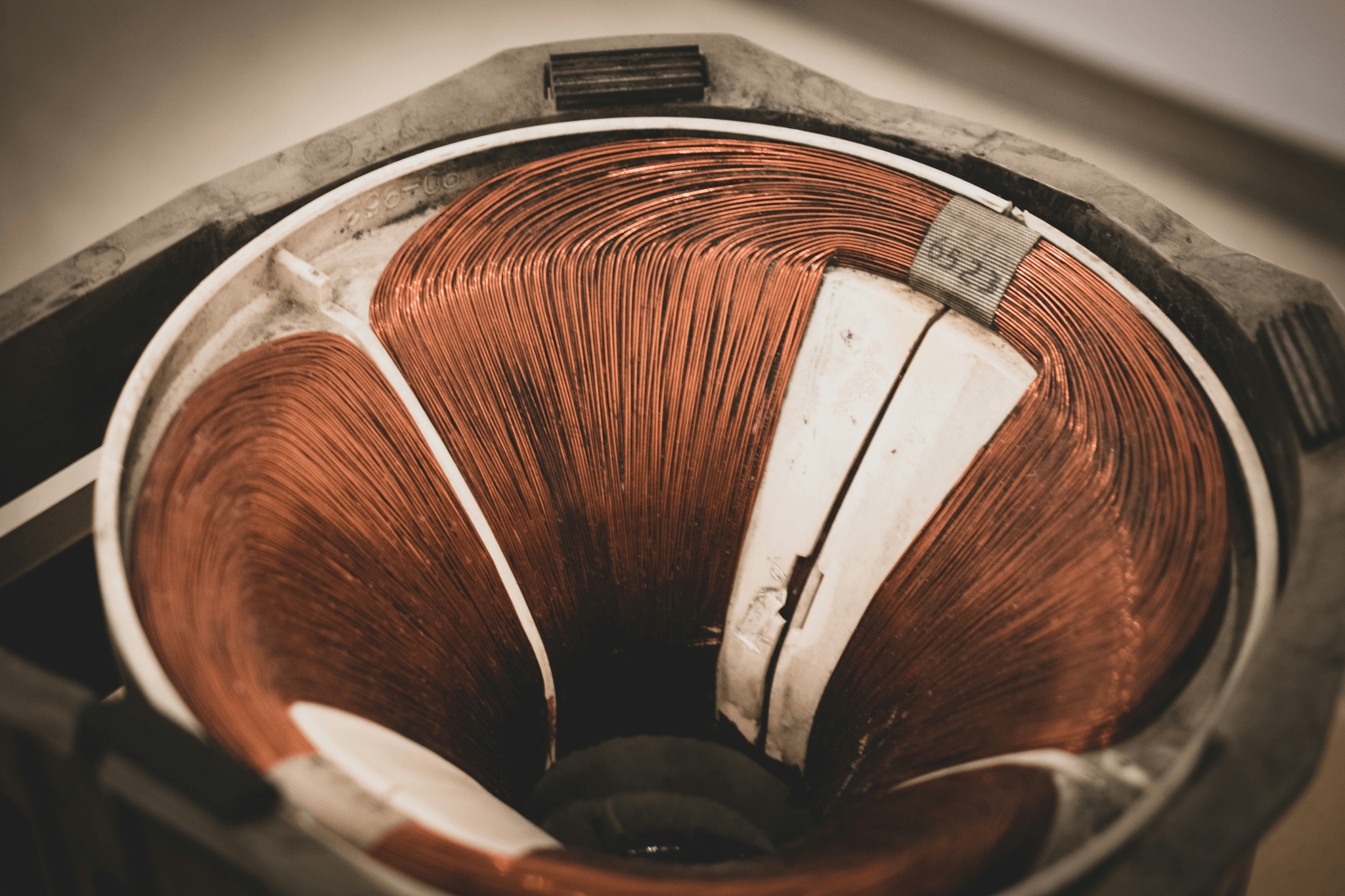
Routine Testing plays a vital role in maintaining the efficiency and longevity of induction motors. Regularly scheduled tests, such as Cold Winding Resistance Test and Temperature Sensor Resistance Test, help identify early signs of wear or potential failure, preventing costly downtime. Incorporating these tests into your maintenance routine ensures that your induction motor remains reliable and performs at its best over time.
By conducting thorough Induction Motor Testing like the Cold Winding Resistance Test, technicians can accurately measure the resistance of motor windings when cold. This helps detect issues such as loose connections or deterioration that could lead to overheating or failure if left unchecked. Routine Testing like this is essential for verifying motor health before deploying it in demanding industrial environments.
Monitoring No-Load Bearing Temperature Rise is another critical aspect of Routine Testing for induction motors. By keeping an eye on bearing temperature increases during operation, operators can catch early signs of lubrication problems or bearing degradation. Consistent No-Load Bearing Temperature Rise checks contribute significantly to extending the lifespan of your motor components and avoiding unexpected breakdowns.
Using Temperature Sensor Resistance Tests adds an extra layer of accuracy to Induction Motor Testing routines. These tests measure the resistance changes in temperature sensors attached to critical parts like bearings and windings, providing precise data on operating conditions. Regularly performing these tests ensures that sensor readings remain reliable, enabling proactive maintenance decisions.
The benefits of Routine Testing extend beyond immediate performance; they are crucial for long-term durability and compliance with industry standards. Conducting FAT Tests during manufacturing further complements routine checks by verifying quality assurance before installation. Together, these testing practices create a comprehensive approach that safeguards your investment and keeps your induction motors running smoothly for years to come.
FAT Testing and Its Importance in Quality Assurance
Factory Acceptance Testing (FAT) is the critical final checkpoint before an induction motor leaves the manufacturing plant. It serves as a comprehensive quality assurance process, ensuring that the motor meets all specified standards and performance criteria. Conducting a thorough FAT Test not only verifies the integrity of the motor but also helps identify potential issues early, saving time and costs down the line.
During FAT, various induction motor testing procedures are employed, including cold winding resistance tests to confirm coil integrity and temperature sensor resistance tests to verify sensor accuracy. These routine testing methods are vital for detecting anomalies that could affect long-term durability or operational efficiency. By integrating these tests into the FAT process, manufacturers can confidently deliver motors that perform reliably in their intended applications.
Ensuring compliance with industry standards during FAT is essential for global acceptance and customer satisfaction. Proper documentation of routine testing results, such as no-load bearing temperature rise data and bearing temperature tests, demonstrates adherence to safety and performance benchmarks. Partnering with experienced inspection agencies like China Inspection Pro can streamline this process by providing expert support in FAT testing procedures, ensuring your induction motors meet all necessary quality requirements.
Advanced Methods for Precise Induction Motor Evaluation
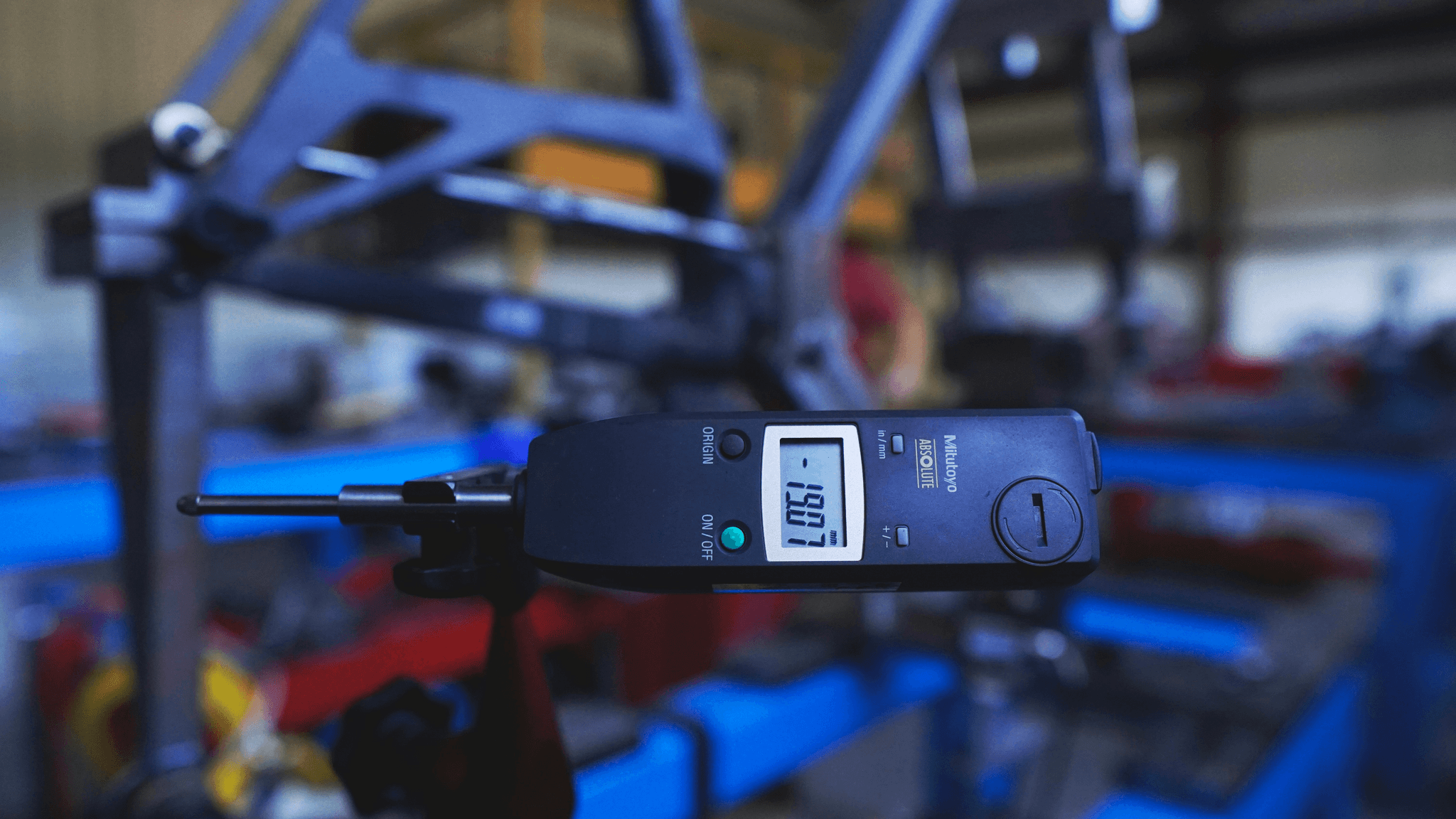
In the world of Induction Motor Testing, routine testing is just the tip of the iceberg. To truly ensure peak performance and longevity, more advanced techniques are essential. These methods allow technicians to diagnose issues accurately and optimize maintenance schedules, saving time and money in the long run.
Bearing Temperature Test Techniques
Bearing temperature testing is a cornerstone of advanced Induction Motor Testing, especially when it comes to identifying early signs of wear or failure. Using specialized sensors, technicians can monitor bearing temperature rise during operation, which often indicates lubrication issues or impending bearing failure. Regularly performing these tests helps prevent costly downtime and ensures that routine testing remains thorough and effective.
Diagnosing Issues with Temperature Sensor Resistance Test
The Temperature Sensor Resistance Test is a precise method for diagnosing problems within the motor’s temperature sensing system. When issues arise—such as faulty sensors or wiring problems—this test reveals discrepancies that might otherwise go unnoticed during standard routine testing. Implementing this diagnostic tool into your FAT test procedures guarantees more accurate readings, ultimately leading to better maintenance decisions.
Leveraging No-Load Bearing Temperature Rise Data
No-load bearing temperature rise data provides valuable insights into an induction motor’s health without stressing the machine under load conditions. By analyzing this data during routine testing or FAT test phases, engineers can detect abnormal heating patterns early on, preventing potential failures down the line. Incorporating these insights into your maintenance plan enhances overall motor reliability and extends service life.
Integrating Testing Data for Optimal Maintenance
The true power of advanced methods lies in integrating all collected data—bearing temperature tests, sensor resistance measurements, no-load temperature rise figures—into a comprehensive analysis framework. This holistic approach allows for predictive maintenance strategies rather than reactive fixes, ensuring induction motors operate at their best longer-term. Consistent integration of such detailed data elevates your induction motor testing program from routine to revolutionary.
Conclusion
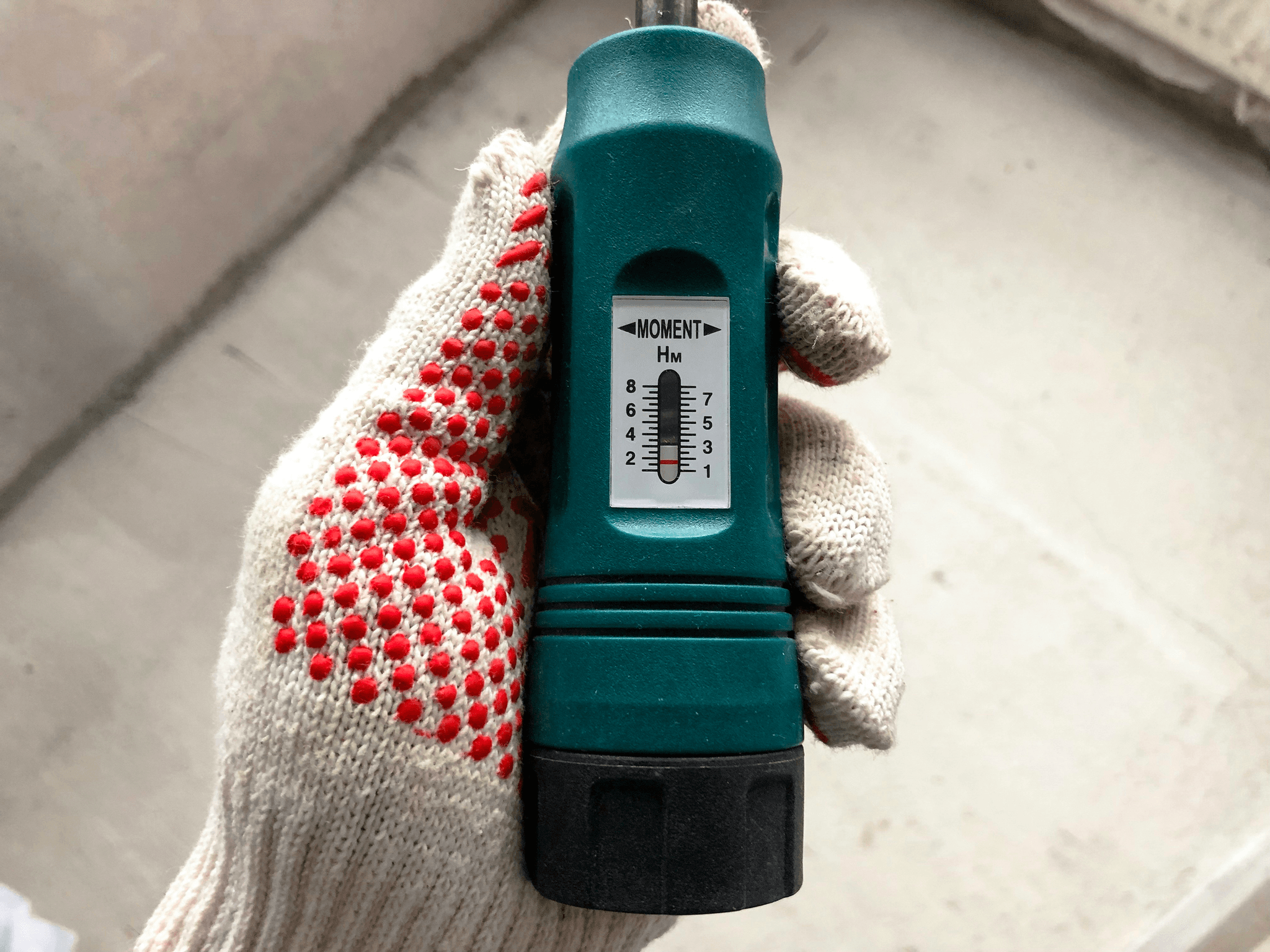
Ensuring the longevity of your induction motors hinges on diligent routine testing, including critical procedures like Cold Winding Resistance Test and Temperature Sensor Resistance Test. Regular induction motor testing helps catch potential issues early, saving time and costly repairs down the line. When you prioritize proper testing, you're investing in a future of reliable, long-lasting performance.
Ensuring Motor Longevity with Proper Testing
Proper induction motor testing, especially through routine procedures such as the Cold Winding Resistance Test and No-Load Bearing Temperature Rise monitoring, is essential for extending motor life. These tests reveal hidden problems before they escalate, ensuring your equipment runs smoothly for years to come. Incorporating comprehensive FAT tests during manufacturing further guarantees that every motor meets industry standards and performs reliably from day one.
Partnering with China Inspection Pro for Success
Partnering with China Inspection Pro streamlines your induction motor testing process by providing expert support in FAT testing and advanced diagnostic methods like Temperature Sensor Resistance Tests and Bearing Temperature Tests. Their expertise ensures your motors comply with global standards while maximizing durability through precise evaluation techniques. With their assistance, routine induction motor testing becomes a seamless part of your maintenance strategy—keeping downtime minimal and efficiency high.
Staying Ahead with Regular Induction Motor Testing
Staying ahead in the competitive industrial landscape requires consistent induction motor testing—regularly conducting No-Load Bearing Temperature Rise assessments and other diagnostic checks helps prevent unexpected failures. Routine testing not only maintains peak performance but also provides valuable data to optimize maintenance schedules proactively. Embracing a culture of continuous evaluation ensures your motors remain reliable, efficient, and ready to handle whatever challenges come next.