
Introduction

In the world of manufacturing, ensuring that equipment and systems function correctly before they are deployed is crucial. This is where Factory Acceptance Testing (FAT) comes into play, serving as a vital process for validating the performance and reliability of manufactured products. By systematically evaluating systems in a controlled environment, FAT testing helps catch potential issues early, saving time and resources in the long run.
Understanding Factory Acceptance Testing
Factory Acceptance Testing refers to the rigorous evaluation process conducted at the manufacturer's facility before equipment is shipped to its final destination. The primary objective of FAT testing is to verify that all specifications and requirements are met, ensuring that the product operates as intended. By implementing this testing phase, manufacturers can provide clients with greater confidence in their purchases and reduce post-installation complications.
Importance of FAT Testing in Manufacturing
The importance of FAT testing cannot be overstated; it serves as a critical checkpoint in the manufacturing lifecycle. Through effective FAT testing, manufacturers can identify defects or performance issues before products reach customers or production lines, ultimately enhancing quality assurance efforts. Additionally, this proactive approach minimizes costly downtime and fosters stronger relationships between manufacturers and clients by demonstrating commitment to quality.
Key Components of a Successful FAT
A successful Factory Acceptance Testing process hinges on several key components that ensure thorough evaluation and validation. First, clear communication among stakeholders—including engineers, project managers, and clients—is essential for defining expectations and requirements upfront. Furthermore, comprehensive documentation throughout the FAT process not only aids in transparency but also serves as a valuable reference for future projects involving fat testing methodologies.
What is Factory Acceptance Testing?
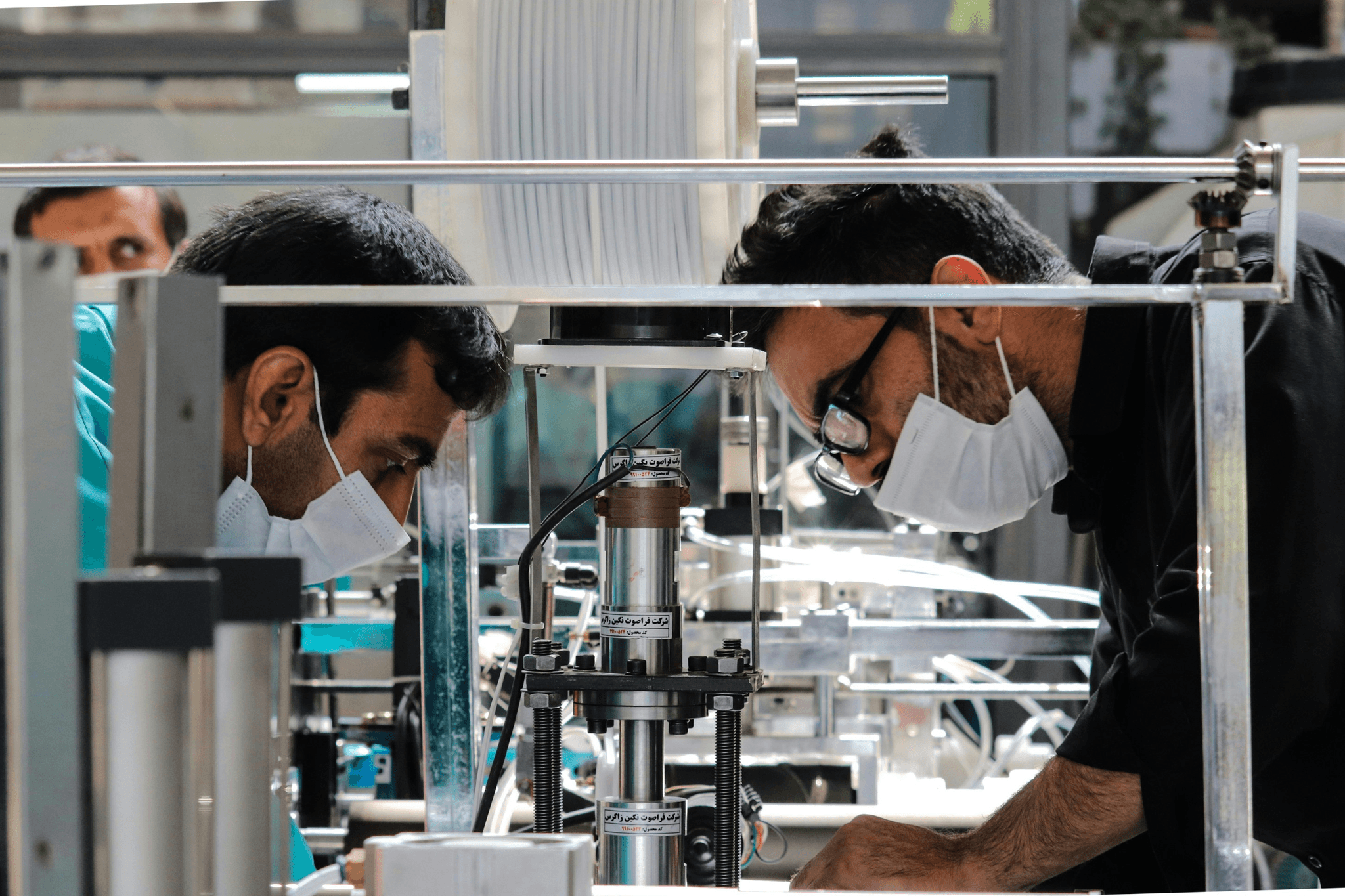
Factory Acceptance Testing, commonly referred to as FAT testing, is a critical process that manufacturers use to ensure that their equipment and systems meet specified requirements before they are shipped to the customer. This testing typically occurs at the manufacturer's facility and involves rigorous evaluations of both functionality and performance. The primary objective of FAT testing is to identify any issues early in the production process, allowing for timely corrections and ensuring that the final product operates as intended.
Definition and Objectives
At its core, factory acceptance testing (FAT) is a systematic approach designed to validate that a system or piece of equipment meets its design specifications before it leaves the manufacturing site. The objectives include verifying operational capabilities, assessing compliance with regulatory standards, and ensuring overall quality assurance. By conducting FAT testing, manufacturers can instill confidence in their products while minimizing risks associated with potential failures post-delivery.
Benefits of Implementing FAT Testing
Implementing fat testing provides numerous advantages that extend beyond mere compliance checks. One significant benefit is cost savings; identifying defects during FAT can prevent costly repairs or replacements after installation at the client's site. Additionally, successful FAT outcomes enhance customer satisfaction by delivering reliable products that meet expectations right from the start—ultimately fostering long-term business relationships.
Common Industries Utilizing FAT
Various industries leverage factory acceptance testing to maintain high-quality standards across their operations. Manufacturing sectors such as aerospace, automotive, pharmaceuticals, and energy frequently implement FAT practices due to their complex systems' critical nature and safety implications. In these fields, effective fat testing not only ensures conformity with stringent regulations but also reinforces brand reputation by delivering dependable products consistently.
Steps in the FAT Process

Factory Acceptance Testing (FAT) is a structured process that ensures equipment and systems meet specified requirements before they are shipped to the final installation site. This section outlines the essential steps involved in FAT, focusing on pre-test preparations, in-situ testing procedures, and documentation and reporting. Each of these steps plays a crucial role in ensuring that fat testing is thorough and effective.
Pre-Test Preparations
Before diving into fat testing, pre-test preparations are paramount for a successful outcome. This stage typically involves reviewing specifications, assembling a test plan, and confirming that all necessary resources—such as equipment, personnel, and facilities—are available. Additionally, engaging stakeholders early can help identify potential issues or concerns that could arise during the actual testing phase.
Another key aspect of pre-test preparations is conducting risk assessments to identify any potential challenges or failures that could occur during fat testing. By addressing these risks upfront, manufacturers can devise contingency plans to mitigate any adverse effects on the testing process. Ultimately, thorough preparation sets the stage for a smooth FAT experience.
In-Situ Testing Procedures
Once everything is set up and ready to go, it's time for the fun part: in-situ testing procedures! This phase involves executing various tests to evaluate whether the equipment meets predefined specifications under real-world conditions. The objective here is not just to check boxes but to ensure every component functions correctly within its intended environment.
During this stage of fat testing, teams often perform functional tests, performance evaluations, and safety checks while documenting results meticulously. These tests may include simulations of operational scenarios or stress tests designed to push equipment limits—after all, it’s better to find out what doesn’t work now rather than later! Engaging with all relevant stakeholders during this phase fosters transparency and encourages immediate feedback on any observed issues.
Documentation and Reporting
After completing the hands-on portion of fat testing comes one of the most critical steps: documentation and reporting! Proper documentation ensures that every detail—from test procedures followed to results obtained—is recorded accurately for future reference. This not only serves as proof of compliance with standards but also provides valuable insights for continuous improvement efforts.
The final report should encapsulate all aspects of fat testing outcomes—including successes as well as areas needing attention—making it easier for stakeholders to understand how well objectives were met. Clear communication through detailed reporting fosters trust among clients and partners alike while paving the way for future collaborations based on proven quality assurance practices.
Real-World Examples of FAT Testing
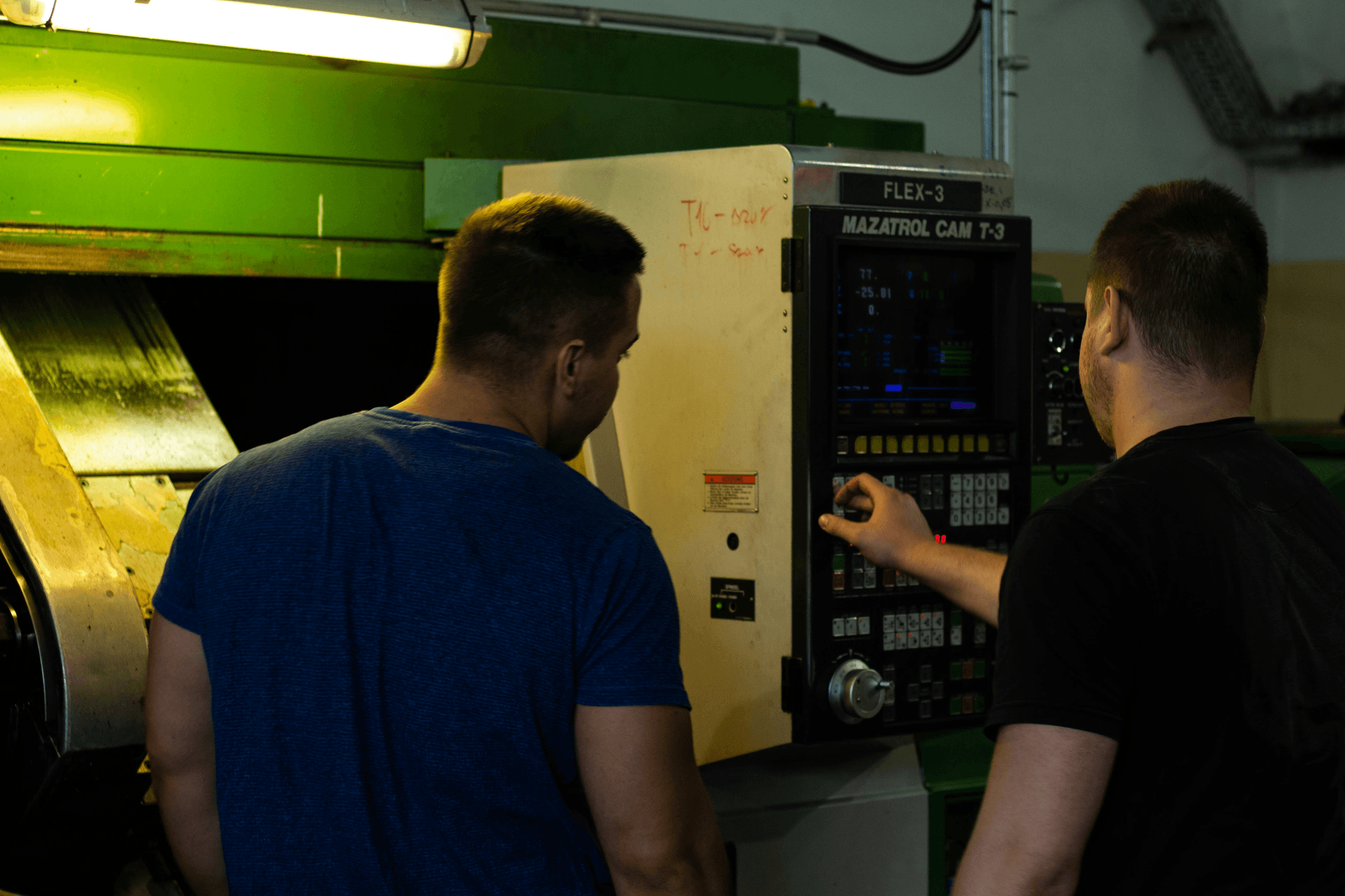
In the world of manufacturing, Factory Acceptance Testing (FAT) plays a crucial role in ensuring that equipment meets specified requirements before it’s delivered to the final location. Real-world examples from industry giants like Boeing, Siemens, and Tesla illustrate how effective FAT testing can enhance quality assurance and operational efficiency. Let’s dive into these case studies to understand how FAT testing is applied in different contexts.
Case Study: Boeing's Quality Assurance
Boeing employs rigorous FAT testing protocols as part of its commitment to quality assurance in aerospace manufacturing. Before aircraft systems are installed on the final product, they undergo extensive factory acceptance tests to verify functionality and compliance with safety standards. By conducting these tests early in the production process, Boeing minimizes the risk of costly delays and ensures that every component meets stringent regulatory requirements.
The use of FAT testing at Boeing allows for real-time problem identification and resolution, which is critical given the complexity of aerospace systems. Each test is meticulously documented, providing a clear trail for audits and future reference—an essential aspect when dealing with aviation regulations. This proactive approach not only enhances product reliability but also reinforces customer trust in Boeing’s commitment to safety through effective quality control.
Case Study: Siemens Automation Solutions
Siemens has integrated FAT testing into its automation solutions as part of its comprehensive approach to delivering high-quality products tailored to client needs. The company conducts factory acceptance tests on automation equipment such as control panels and machinery before they are shipped out for installation at customer sites. This preemptive measure helps identify any potential issues related to performance or integration early on, saving both time and resources.
By involving clients during the FAT process, Siemens fosters transparency and collaboration, allowing stakeholders to provide input that can influence final adjustments before delivery. The benefits extend beyond just product quality; effective communication during FAT testing builds stronger relationships with clients who appreciate being part of the process. Ultimately, Siemens demonstrates that thorough fat testing not only ensures compliance but also enhances client satisfaction through tailored solutions.
Case Study: Tesla’s Manufacturing Protocols
Tesla has revolutionized automotive manufacturing by incorporating advanced fat testing protocols within its production lines. Each vehicle undergoes a series of rigorous factory acceptance tests designed to evaluate everything from battery performance to software functionality prior to reaching consumers’ hands. This meticulous attention to detail helps Tesla maintain its reputation for innovation while ensuring every car meets high-performance standards.
Tesla's approach emphasizes real-time data collection during fat testing phases, allowing engineers to make immediate adjustments based on test results—a practice that accelerates production timelines without compromising quality. Moreover, by leveraging technology in their fat testing processes, Tesla continuously refines their methodologies based on feedback loops from previous tests and customer experiences post-delivery. As a result, Tesla not only achieves exceptional product reliability but also sets new benchmarks for quality assurance in the automotive industry.
Best Practices for Effective FAT

Implementing best practices in Factory Acceptance Testing (FAT) can significantly enhance the effectiveness and reliability of the process. By focusing on stakeholder involvement, leveraging technology, and fostering a culture of continuous improvement, organizations can ensure that their fat testing initiatives yield optimal results. These practices not only streamline operations but also contribute to higher quality standards in manufacturing.
Involving Stakeholders Early
Engaging stakeholders early in the FAT process is crucial for its success. When everyone from engineers to end-users is included from the outset, it fosters collaboration and ensures that all perspectives are considered during fat testing. This proactive approach helps identify potential issues before they escalate, ultimately leading to smoother testing phases and more robust outcomes.
Moreover, involving stakeholders allows for clearer communication regarding expectations and requirements during fat testing. It ensures that everyone is on the same page about objectives and deliverables, which minimizes misunderstandings later on. As a result, companies can achieve better alignment with project goals while enhancing accountability across teams.
Lastly, early stakeholder involvement cultivates a sense of ownership among participants in the fat testing process. When individuals feel invested in the outcome, they are more likely to contribute meaningful insights and feedback throughout the testing phase. This collaborative spirit not only strengthens relationships but also enhances overall product quality.
Utilizing Technology in FAT Testing
In today’s digital age, leveraging technology during fat testing has become essential for optimizing efficiency and accuracy. Advanced software tools can streamline data collection and analysis processes, allowing teams to focus on critical aspects of testing rather than getting bogged down by manual tasks. By incorporating automation into fat testing procedures, organizations can reduce human error while increasing throughput.
Moreover, technology enables real-time monitoring of equipment performance during fat testing sessions. With IoT devices and sensors integrated into machinery, teams can gather valuable data instantly—helping identify discrepancies or malfunctions as they occur. This immediate feedback loop empowers organizations to make informed decisions quickly and rectify issues before they affect production schedules.
Finally, utilizing virtual reality (VR) or augmented reality (AR) can enhance training simulations for stakeholders involved in fat testing scenarios. These immersive technologies provide an interactive environment where users can familiarize themselves with systems without risking real-world consequences—ultimately leading to improved readiness when it comes time for actual tests.
Continuous Improvement Through Feedback
Establishing a culture of continuous improvement is vital for refining processes related to factory acceptance testing over time. Gathering feedback from all participants after each round of fat testing allows organizations to pinpoint areas needing enhancement or adjustment effectively. By actively soliciting input from team members involved in different stages of the process, companies create an environment where learning becomes integral rather than incidental.
Additionally, analyzing feedback helps identify patterns that may indicate systemic issues within current practices surrounding fat testing procedures or equipment performance standards themselves—providing opportunities for targeted interventions aimed at resolving these problems head-on! Organizations should prioritize documenting lessons learned through each cycle so that valuable insights inform future projects moving forward.
Lastly—and perhaps most importantly—fostering a mindset focused on continuous improvement encourages innovation among team members engaged with factory acceptance tests regularly! When employees understand their contributions matter significantly toward achieving excellence within their respective roles during this critical phase; they’re motivated not just by compliance but also by pride in delivering top-notch results every single time!
China Inspection Pro and FAT Testing
When it comes to factory acceptance testing (FAT), having a reliable partner can make all the difference. Enter China Inspection Pro, a company dedicated to ensuring that products meet stringent quality standards before they leave the factory floor. With their comprehensive services tailored specifically for FAT testing, they empower manufacturers to achieve excellence in their production processes.
Overview of China Inspection Pro Services
China Inspection Pro offers a suite of services designed to enhance the factory acceptance testing process. Their expertise spans various industries, providing solutions that include pre-shipment inspections, quality control audits, and detailed reporting on compliance with international standards. By focusing on thorough evaluations and transparent communication, they help clients ensure their products not only meet specifications but also exceed expectations.
How China Inspection Pro Enhances FAT Testing
China Inspection Pro enhances fat testing by integrating advanced technology into their processes. Utilizing state-of-the-art equipment and software tools allows for real-time monitoring and analysis during the FAT process, which helps identify potential issues early on. Furthermore, their team of experienced inspectors collaborates closely with manufacturers to refine testing protocols and ensure that every aspect of production aligns with quality benchmarks.
Success Stories with China Inspection Pro
The impact of China Inspection Pro's services is evident in numerous success stories across various sectors. For instance, a leading automotive manufacturer turned to them for FAT testing after facing challenges with product consistency; as a result, they reported significant improvements in both output quality and operational efficiency. Similarly, a tech company leveraged China Inspection Pro’s expertise during its product launch phase, leading to reduced time-to-market without compromising on quality—an essential win in today's fast-paced environment.
Conclusion
In wrapping up our discussion on Factory Acceptance Testing (FAT), it's clear that this process is evolving to meet the demands of modern manufacturing. As industries become more complex and technology-driven, the future of FAT testing will likely incorporate advanced methodologies and tools, ensuring higher quality standards and efficiency. Embracing these changes will not only enhance product reliability but also foster greater trust among stakeholders involved in the manufacturing process.
The Future of Factory Acceptance Testing
The future of FAT testing is poised for significant transformation, driven by advancements in automation and data analytics. We can expect to see a shift towards more integrated systems that allow for real-time monitoring and feedback during the testing phase. This evolution will not only streamline processes but also reduce time-to-market while enhancing overall product quality.
Moreover, with the rise of Industry 4.0, FAT testing will increasingly leverage technologies such as IoT and machine learning to predict potential failures before they occur. By utilizing these innovations, manufacturers can perform proactive maintenance and ensure that every piece of equipment meets stringent quality standards right from the start. In this way, FAT testing will become an even more critical component in maintaining competitive advantage across various sectors.
Navigating Challenges in FAT Implementation
Implementing effective FAT testing is not without its challenges; organizations often face hurdles such as inadequate resources or lack of stakeholder engagement. To navigate these obstacles successfully, it’s essential for companies to establish clear communication channels among all parties involved from the outset. By fostering collaboration between engineers, quality assurance teams, and external partners, organizations can create a more robust framework for conducting thorough FAT tests.
Additionally, ensuring that all team members are adequately trained in both technical skills and understanding the objectives of fat testing is paramount for success. Continuous education plays a vital role in overcoming resistance to change within organizations while promoting a culture that prioritizes quality assurance above all else. Addressing these challenges head-on will pave the way for smoother implementations and ultimately lead to better outcomes.
Final Thoughts on Ensuring Quality Standards
In conclusion, factory acceptance testing stands as a cornerstone in maintaining high-quality standards within manufacturing processes worldwide. By recognizing its importance early on—through stakeholder involvement and leveraging technology—companies set themselves up for success both now and into the future. Remember: effective fat testing isn't just about ticking boxes; it’s about building trust with clients through consistent delivery of top-notch products.
Ultimately, as we look ahead at emerging trends in manufacturing practices combined with rigorous fat testing protocols, we find ourselves at an exciting crossroads where innovation meets reliability—a place where quality becomes synonymous with your brand identity!