
Introduction
Liquid Penetrant Testing is a crucial non-destructive technique used to identify surface-breaking flaws in various materials. Its ability to reveal subtle Liquid Penetrant Testing discontinuities makes it an indispensable tool for ensuring product safety and integrity. Recognizing these Liquid penetrant testing defects early can save industries from costly failures and reputation damage.
Many industries rely heavily on Liquid Penetrant Testing to detect potential issues before they escalate. From aerospace and automotive manufacturing to petrochemical and power generation, the PT test helps uncover critical flaws that could compromise safety or performance. By understanding how Liquid Penetrant Testing identifies these defects, professionals can maintain high standards of quality control across diverse sectors.
Why does recognizing Liquid Penetrant Testing discontinuities matter so much? Because these imperfections—like cracks, porosity, or inclusions—can lead to catastrophic failures if left unnoticed. Being able to detect and interpret liquid penetrant testing defects ensures the durability of components and the safety of end-users, making it a cornerstone of modern quality assurance practices.
Fundamentals of Liquid Penetrant Testing
Liquid Penetrant Testing is a non-destructive inspection method that helps reveal surface flaws by applying a specially formulated liquid penetrant to the material's surface. When the penetrant seeps into any discontinuities, such as cracks or porosity, it becomes visible after a series of steps, making it easier to identify potential Liquid Penetrant Testing Discontinuities. This process is vital for detecting subtle Liquid penetrant testing defects that could compromise the integrity of critical components.
Understanding how PT test detects surface flaws is essential because these discontinuities often go unnoticed during visual inspections. The liquid penetrant enters open or semi-open surface defects, highlighting them through capillary action. Once the excess liquid is removed and developer applied, these Liquid Penetrant Testing Discontinuities become clearly visible, allowing inspectors to assess their severity and location accurately.
There are several types of liquid penetrants used in the industry, each suited for different applications and material types. The most common include fluorescent and visible dye penetrants; fluorescent variants require UV light for detection but offer higher sensitivity. Selecting the appropriate type of liquid penetrant is crucial for minimizing Liquid penetrating testing defects and ensuring reliable detection of surface flaws across various industries.
The step-by-step process of liquid penetrant testing involves meticulous preparation and application procedures to ensure accurate results. It begins with cleaning the surface thoroughly to remove any contaminants that could interfere with detection; then, the liquid penetrant is evenly applied to seep into surface discontinuities. After a dwell time, excess penetrant is carefully removed, followed by applying a developer that draws out indications—these indicate potential Liquid Penetrant Testing Discontinuities—making them visible for evaluation.
Common Liquid Penetrant Testing Defects

Liquid Penetrant Testing is a highly sensitive method used to reveal surface-breaking flaws, but it’s not foolproof. Sometimes, the process uncovers Liquid Penetrant Testing Discontinuities that can be mistaken for real defects or missed altogether. Recognizing these Liquid penetrant testing defects is essential for accurate interpretation and ensuring the integrity of the tested component.
Pinholes and Porosity in Welds
Pinholes and porosity are tiny surface imperfections that often appear in welds, especially when improper welding techniques or contamination occur during fabrication. These small voids can be challenging to detect with liquid penetrant testing because they may be below the surface or filled with residual material, leading to potential false negatives. If not properly identified as part of Liquid Penetrant Testing, these defects could compromise weld strength and safety, making it crucial to differentiate true flaws from benign surface irregularities.
Incomplete Penetration and Washout Issues
Incomplete penetration occurs when the liquid penetrant fails to seep into all surface flaws due to insufficient application time or poor surface preparation. Washout issues happen when excess penetrant is improperly removed, washing away indications of genuine defects or creating false positives. These Liquid Penetrant Testing defects can significantly affect test reliability; a PT test might overlook critical discontinuities or produce misleading results if these issues aren’t addressed during inspection procedures.
Surface Contamination Leading to False Indications
Surface contamination such as oil, dirt, paint, or corrosion products can interfere with the capillary action necessary for effective Liquid Penetrant Testing. When contaminants are present, they may cause false indications—either masking real discontinuities or mimicking defect signals—making interpretation tricky for inspectors. Proper cleaning is vital before conducting any PT test; otherwise, these liquid penetrant testing defects could lead to costly oversight or unnecessary repairs.
Discontinuities Identified Through Liquid Penetrant Testing

Liquid Penetrant Testing is a highly effective method for revealing various types of surface-breaking defects in materials. The PT test excels at exposing subtle discontinuities that might otherwise go unnoticed, making it an essential tool in quality assurance protocols. Understanding the different Liquid Penetrant Testing Discontinuities helps inspectors pinpoint flaws that could compromise safety and durability.
Cracks and Cold Shuts in Metal Components
Cracks are perhaps the most critical Liquid Penetrant Testing defects because they can propagate over time, leading to catastrophic failures if left undetected. Cold shuts, often appearing as incomplete welds or joint overlaps, are surface discontinuities that can be easily identified through liquid penetrant testing due to their surface-breaking nature. Recognizing these Liquid Penetrant Testing discontinuities early allows for timely repairs, ensuring the integrity of metal components and avoiding costly downtime.
Voids and Inclusions in Castings
Voids and inclusions are internal flaws that may reach the surface or be exposed during manufacturing processes, making them detectable via liquid penetrant testing. Although these defects are embedded within castings, their presence often results in surface indications when penetrants seep into cracks or voids near the surface. Proper application of liquid penetrant testing can reveal these imperfections before they compromise part strength or lead to failure, emphasizing why understanding liquid penetrant testing defects is vital for casting quality control.
Residual Stress Indications and Their Implications
Residual stresses manifest as microcracks or slight deformations on material surfaces—discontinuities that liquid penetrant testing can sometimes highlight indirectly. These stress-induced cracks may not always be visible without proper inspection but can become apparent through characteristic indications during PT tests. Identifying residual stress indications through liquid penetrant testing is crucial because such discontinuities can accelerate crack growth under operational loads, impacting long-term safety and durability.
Challenges and Limitations in Liquid Penetrant Testing
While Liquid Penetrant Testing is a powerful tool for detecting surface flaws, it’s not without its hurdles. One major challenge lies in interpreting the results, especially when complex geometries are involved. Intricate shapes, sharp corners, and tight recesses can obscure or distort indications of Liquid Penetrant Testing Discontinuities, making it difficult for inspectors to distinguish between true defects and false signals. This complexity often requires highly skilled personnel to avoid missing critical Liquid penetrant testing defects or misidentifying benign features as flaws.
Surface finish plays a crucial role in the accuracy of the PT test. A smooth, clean surface allows penetrants to seep into tiny cracks and voids effectively, revealing potential Liquid Penetrant Testing Discontinuities clearly. Conversely, rough or contaminated surfaces can hinder penetration or cause false positives by trapping excess dye or debris. Therefore, inadequate surface preparation may lead to unreliable detection of liquid penetrant testing defects, compromising the integrity of the inspection process.
False positives and negatives remain an ongoing concern when performing Liquid Penetrant Testing. False positives occur when surface contaminants mimic genuine discontinuities, leading inspectors astray and possibly resulting in unnecessary repairs or rejections. On the other hand, false negatives happen if subtle liquid penetrant testing defects are overlooked due to improper application techniques or insufficient sensitivity settings during the PT test. These inaccuracies highlight why understanding limitations is vital for accurate interpretation of Liquid Penetrant Testing results and ensuring reliable defect detection.
Best Practices for Effective Liquid Penetrant Testing
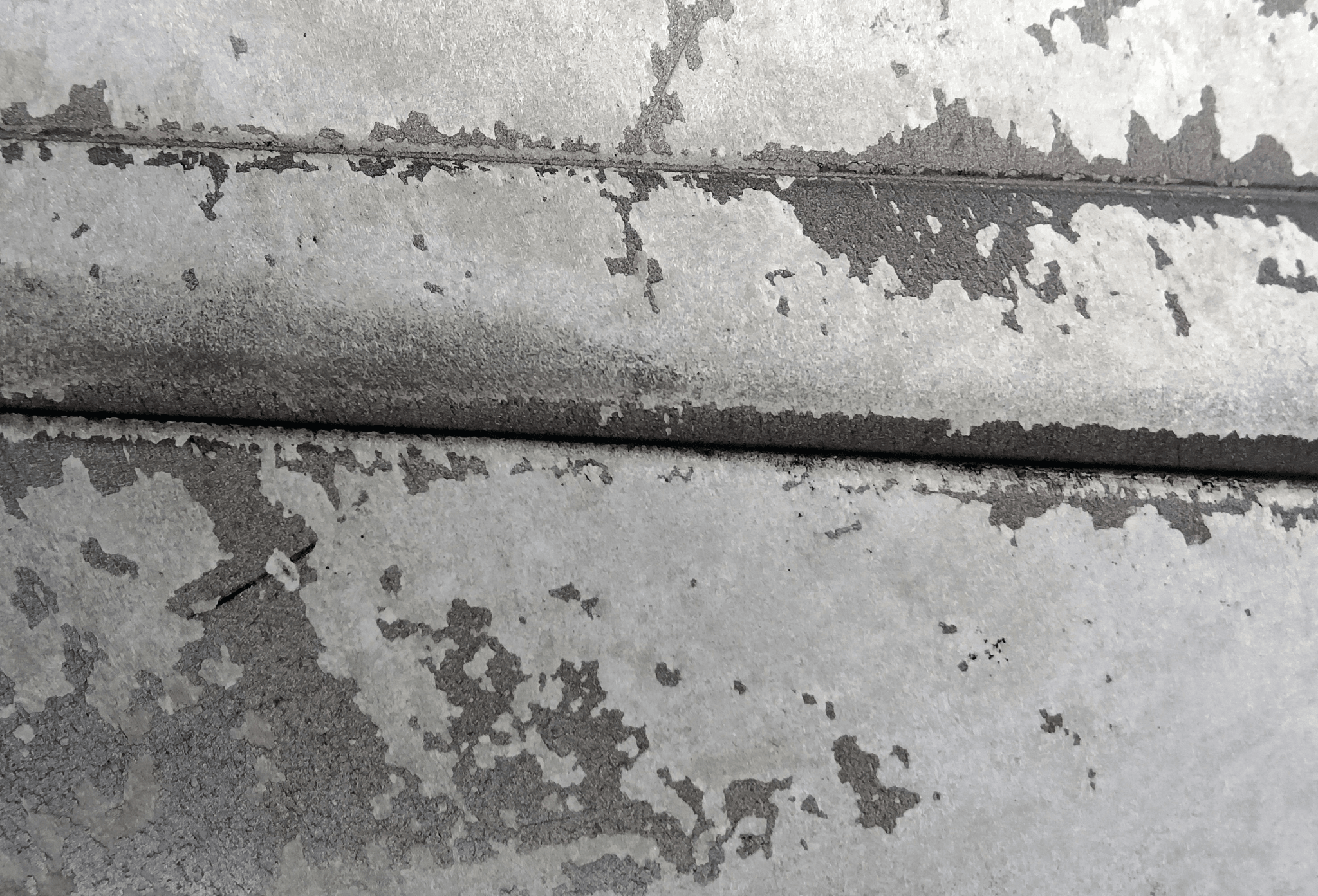
Achieving reliable results in Liquid Penetrant Testing requires meticulous attention to detail, especially when it comes to surface preparation. Proper surface prep is crucial because Liquid Penetrant Testing Discontinuities are often surface-breaking flaws that can be masked by dirt, oil, or oxidation. Skipping or rushing this step can lead to false negatives or false positives, making it harder to identify genuine Liquid penetrant testing defects and compromising overall quality.
Proper Surface Preparation Techniques
Effective surface preparation involves thorough cleaning of the test specimen to remove any contaminants that could interfere with the PT test’s ability to detect discontinuities. A clean, dry surface ensures that liquid penetrants can seep into even the tiniest cracks or voids—otherwise, you risk missing critical Liquid Penetrant Testing Discontinuities. Using appropriate cleaning agents and techniques tailored for the material type helps maintain the integrity of the surface and maximizes detection accuracy for liquid penetrant testing defects.
Optimal Application and Drying Procedures
Applying the penetrant uniformly and in sufficient quantity is vital for capturing all potential Liquid Penetrant Testing Discontinuities without causing overspill or smudging. After application, drying must be performed carefully—either by air drying or using controlled heat—to prevent washout of penetrants from flaws or formation of false indications. Proper drying ensures that residual penetrants remain within cracks or flaws, enhancing the PT test’s sensitivity while reducing false positives caused by excess liquid on the surface.
Training and Certification of Inspection Personnel
Even with perfect procedures in place, skilled inspectors are essential for interpreting results accurately during Liquid Penetrant Testing. Proper training enables personnel to distinguish between true Liquid Penetrant Testing Discontinuities and irrelevant surface features that might mimic defects, thus reducing errors in judgment about liquid penetrant testing defects. Certification programs also keep inspectors updated on evolving standards and best practices, ensuring consistent detection of subtle flaws during PT tests—saving time, money, and most importantly, safety.
The Role of China Inspection Pro in Enhancing PT Test Outcomes
China Inspection Pro stands out as a leader in delivering top-tier services for Liquid Penetrant Testing, ensuring that every defect and discontinuity is identified with unmatched precision. Their team of seasoned inspectors employs advanced techniques to detect even the most subtle Liquid Penetrant Testing Discontinuities, reducing the risk of overlooked flaws that could compromise safety or durability. By leveraging cutting-edge technology and industry best practices, they help clients achieve higher quality standards and minimize costly rework stemming from undetected liquid penetrant testing defects.
Professional Services to Detect Liquid Penetrant Testing Defects
When it comes to detecting Liquid Penetrant Testing defects, China Inspection Pro offers comprehensive inspection services tailored to various industries. Their experts meticulously examine surfaces for pinholes, porosity, cracks, and other Liquid Penetrant Testing Discontinuities that might escape less rigorous inspections. This proactive approach ensures that potential issues are caught early before they escalate into critical failures, safeguarding both product integrity and customer trust.
How Experts Identify Discontinuities with Precision
Identifying discontinuities through Liquid Penetrant Testing requires a keen eye and deep expertise—something China Inspection Pro has perfected over years of experience. Their specialists analyze each test result carefully, differentiating true indications from false positives caused by surface contamination or improper application. This level of precision in liquid penetrant testing defects detection guarantees reliable results, enabling manufacturers to make informed decisions about their products’ safety and longevity.
Ensuring Compliance and Quality Through Rigorous Inspection
Rigorous inspection protocols are at the core of China Inspection Pro’s commitment to quality assurance in Liquid Penetrant Testing. They ensure all procedures align with international standards, helping clients meet regulatory requirements effortlessly while maintaining high-quality outputs. By thoroughly inspecting for Liquid Penetrant Testing Discontinuities during each PT test cycle, they help organizations uphold their reputation for safety and durability—ultimately elevating product reliability across markets.
Conclusion
Liquid Penetrant Testing stands as a cornerstone in quality control, offering a reliable means to detect surface-breaking defects that could compromise safety and performance. Recognizing the importance of Liquid Penetrant Testing Discontinuities helps industries prevent costly failures, ensuring products meet stringent standards. When performed correctly, PT tests reveal subtle Liquid penetrant testing defects that might otherwise go unnoticed, safeguarding both consumers and manufacturers alike.
Identifying Liquid Penetrant Testing Discontinuities such as cracks, porosity, or inclusions is crucial for maintaining structural integrity. These discontinuities often serve as early warning signs of potential failure points, making vigilant inspection essential. By understanding what to look for during liquid penetrant testing, inspectors can catch common defects before they escalate into serious issues, ultimately enhancing product durability.
Implementing rigorous quality inspection practices elevates overall product reliability and fosters trust with clients. Regularly monitoring for Liquid Penetrant Testing Discontinuities ensures consistent adherence to safety standards and reduces the risk of latent defects slipping through the cracks. Investing in expert inspections and thorough training on liquid penetrant testing techniques guarantees that any liquid penetrant testing defects are accurately identified and addressed promptly.