
Introduction
Unlocking the secrets of Liquid Penetrant Testing reveals a world where surface flaws and cracks are no longer hidden from prying eyes. This non-destructive inspection technique has become a cornerstone in ensuring the integrity of critical components across industries, from aerospace to automotive manufacturing. Whether applied on casting, plates, or forging, Liquid Penetrant Test Application is a trusted method that helps detect surface defects early, saving time and costly repairs while bolstering safety standards.
Industry leaders rely heavily on Liquid Penetrant Testing because it offers a straightforward yet highly effective way to verify material integrity without damaging the part. The versatility of Liquid Penetrant Test Application on Casting allows inspectors to identify hidden cracks in aluminum or steel castings with remarkable precision. Similarly, when conducting Liquid Penetrant Testing on Plate materials or forging components, this technique ensures that only flawless parts make it into service—an essential step for maintaining product excellence and safety.
Ensuring safety and quality through inspection techniques like Liquid Penetrant Testing is more than just a regulatory requirement; it's a commitment to excellence. As industries evolve, so does the importance of applying advanced testing methods such as Liquid Penetrant Test Application on Casting, Plates, and Forging to meet rising standards. Embracing these techniques guarantees that products are reliable, durable, and safe for end-users—proof that thorough inspection is the backbone of superior manufacturing.
Fundamentals of Liquid Penetrant Testing
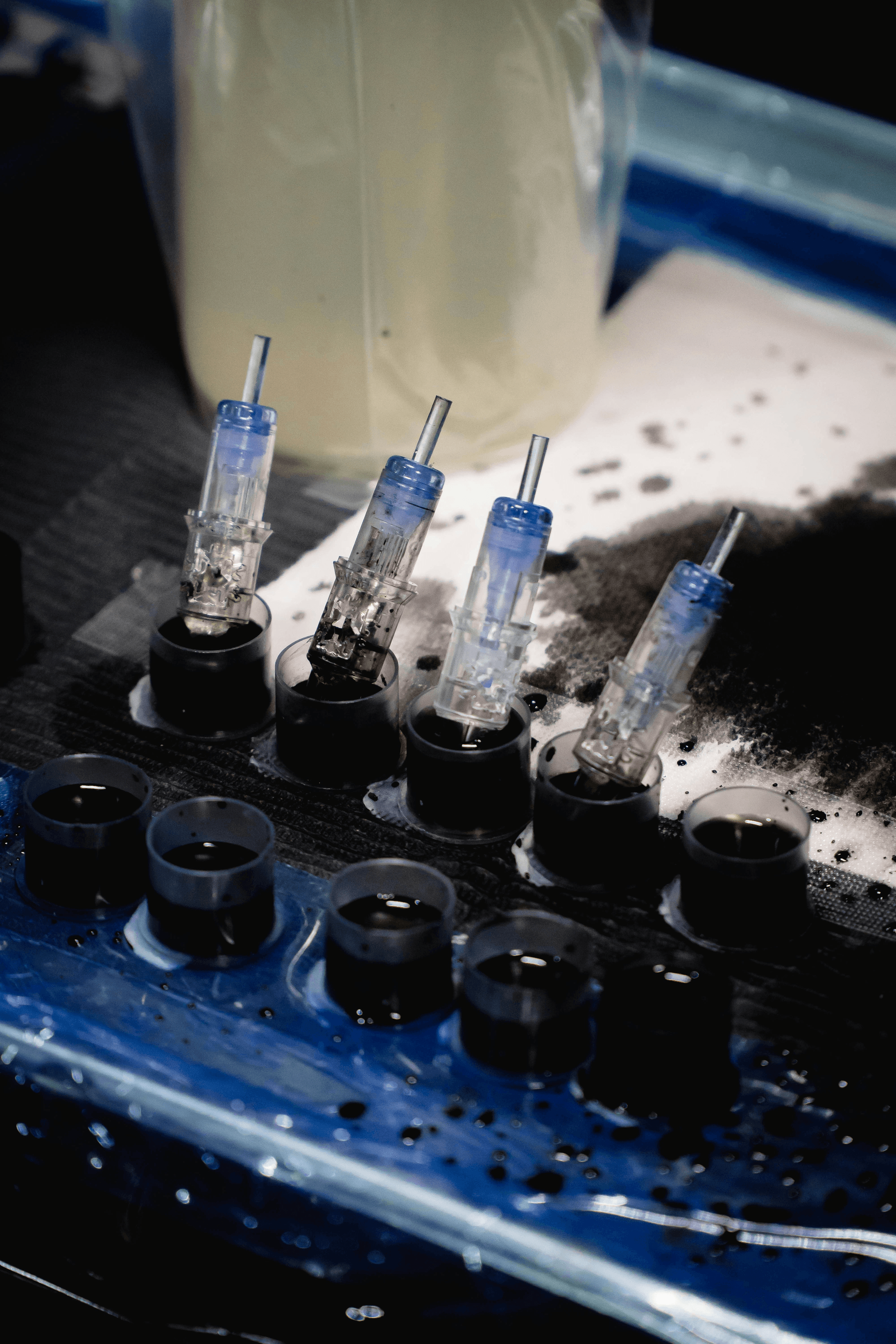
Liquid Penetrant Testing is a versatile non-destructive testing method used across various industries to reveal surface-breaking flaws. Its simplicity and effectiveness make it a go-to technique for ensuring product integrity, especially when inspecting castings, plates, and forged components. By applying a liquid penetrant to the surface, technicians can detect cracks, porosity, or other imperfections that might compromise safety or performance.
Understanding how Liquid Penetrant Test works is essential for mastering its application on casting, plate materials, and forging. The process involves cleaning the test surface thoroughly before applying the penetrant liquid. Once the excess penetrant is removed and a developer applied, any flaws allow the dye to seep out visibly—making hidden defects clearly visible without damaging the component.
When considering Liquid Penetrant Testing on casting parts—like aluminum or steel castings—it’s crucial because these components often have complex geometries that are difficult to inspect internally. This technique excels at detecting surface cracks that could lead to catastrophic failure if left unnoticed. Similarly, in applications involving Liquid Penetrant Testing on plates—such as structural steel or aluminum sheets—the method helps identify surface flaws like scratches or porosity that could weaken the entire structure.
In forging applications, Liquid Penetrant Testing plays an important role in ensuring forged components are free from surface defects before they move into assembly lines. Detecting issues early through this testing method prevents costly rework and enhances safety standards across industries like aerospace and automotive manufacturing. Whether applied on casting or plates or during forging processes, this inspection technique remains vital for maintaining high-quality standards.
How Liquid Penetrant Test Works
Liquid Penetrant Test operates by exploiting capillary action—the ability of liquids to seep into tiny surface openings like cracks or porosity. First, the technician cleans the material thoroughly to remove dirt or grease; then applies a specially formulated liquid penetrant that enters any flaws present on the surface. After allowing sufficient dwell time for penetration, excess dye is carefully removed before applying a developer which draws out the penetrated dye from flaws for easy visual detection during inspection.
This process makes it possible to perform detailed inspections without damaging parts—perfect for applications such as Liquid Penetrant Testing on casting surfaces where internal flaws might be inaccessible but still pose risks if undetected. The contrast between dyed flaw indications and surrounding material helps inspectors quickly identify defect locations with high accuracy. Because of its straightforward approach—cleaning, applying penetrant, removing excess dye, then developing—it’s favored in industries requiring rapid yet reliable flaw detection.
In practice involving Liquid Penetrant Test Application on Casting components like aluminum castings or steel molds ensures critical defects don’t go unnoticed prior to assembly or service use. The method’s sensitivity allows detection of even tiny cracks that could propagate under stress over time—saving both time and money by catching issues early during routine inspections.
Types of Liquid Penetrants Used in Industry
Different types of liquid penetrants are tailored for specific applications within industry sectors utilizing Liquid Penetrant Testing techniques—whether inspecting castings, plates or forgings ensures optimal results every time. Fluorescent penetrants are popular because they glow under ultraviolet light—ideal for detecting minute flaws during detailed inspections such as those performed on critical steel parts or aluminum plates where visibility matters most.
Visible (or dyed) penetrants are another common type—they produce easily observable color contrasts under normal lighting conditions—which makes them suitable for quick assessments like checking forged components where immediate defect recognition is valuable. Water-washable penetrants offer convenience with easy cleanup after testing; however solvent-removable types provide longer dwell times suitable for complex geometries found in intricate castings and large structural plates.
Choosing the right type of liquid penetrant depends heavily on your specific application needs—from ensuring quality control during manufacturing processes involving Liquid Penetrant Testing on Plate materials to verifying integrity after forging operations—all while maintaining compliance with industry standards and safety regulations.
Advantages Over Other Non-Destructive Testing Methods
Liquid Penetrant Testing boasts several advantages over alternative non-destructive testing methods such as ultrasonic testing or magnetic particle inspection when applied correctly across different scenarios including casting inspections and plate evaluations. Its ability to detect very fine surface-breaking flaws makes it indispensable especially when visual access is limited but flaw detection is critical—for example: identifying micro-cracks in forged parts before they escalate into failures.
Another significant advantage lies in its cost-effectiveness; since it requires minimal equipment beyond basic supplies like dyes and developers—and can be performed rapidly—it’s ideal for routine inspections across production lines involved with casting components or structural plates requiring frequent checks through their lifecycle stages.
Furthermore, because it’s non-invasive and leaves no residual damage—as opposed to destructive methods—it perfectly suits industries aiming to uphold stringent safety standards while maintaining high throughput rates during manufacturing processes such as those seen with automotive forgings or aerospace castings involving complex geometries—all thanks to its reliable flaw detection capabilities combined with ease of use.
Liquid Penetrant Test Application on Casting
Liquid Penetrant Testing plays a crucial role in ensuring the integrity of castings across various industries. When it comes to casting components, detecting surface-breaking flaws like cracks or porosity is vital for safety and performance. Applying Liquid Penetrant Test Application on Casting allows inspectors to identify these defects early, preventing costly failures down the line.
In the realm of aluminum castings, Liquid Penetrant Testing is especially effective at revealing tiny cracks that might otherwise go unnoticed. Aluminum's lightweight nature makes it popular in aerospace and automotive sectors, where even minor imperfections can compromise safety. Using liquid penetrants tailored for aluminum surfaces enhances the accuracy of Liquid Penetrant Testing on Plate and casting parts alike.
Steel castings are another area where Liquid Penetrant Testing ensures structural integrity. Steel’s toughness demands meticulous inspection; any surface crack could propagate into a catastrophic failure if left undetected. The application of Liquid Penetrant Test Application on Casting in steel components provides a non-destructive way to verify flawless surfaces before they move into production or service.
A notable case study involves inspecting cast iron components used in heavy machinery. By applying liquid penetrants designed for ferrous materials, technicians can quickly spot surface flaws that might compromise durability. This highlights how versatile Liquid Penetrant Testing is across different casting materials, emphasizing its importance for quality assurance.
Liquid Penetrant Testing on Plate Materials
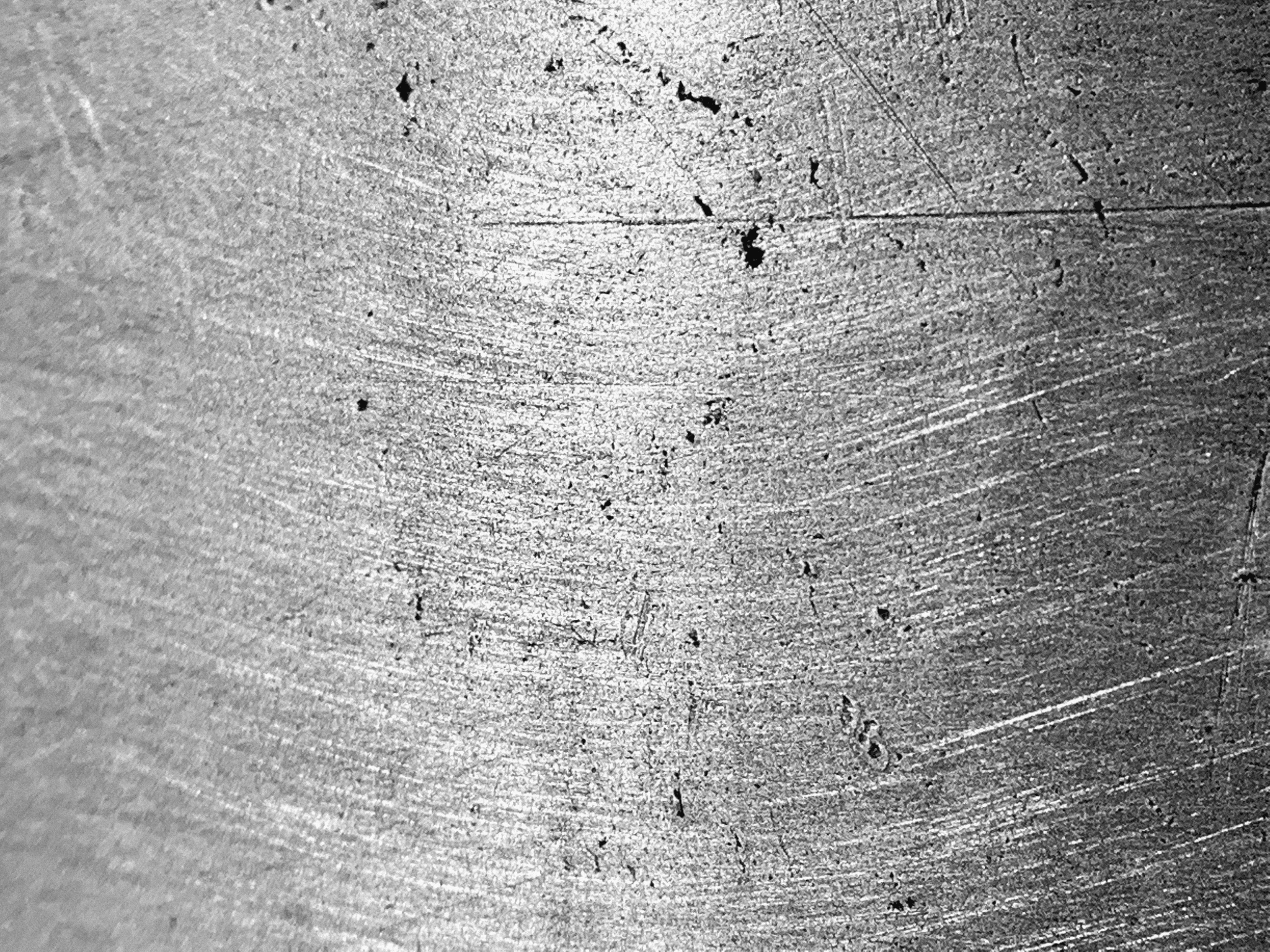
When it comes to ensuring the integrity of steel and aluminum plates, Liquid Penetrant Testing stands out as a reliable and efficient inspection method. This technique allows inspectors to detect surface flaws that could compromise structural safety, making it an essential part of the Liquid Penetrant Test Application on Casting and forging processes. Proper application of this testing method can prevent costly failures and extend the lifespan of critical components.
Inspection of Steel and Aluminum Plates
Liquid Penetrant Testing on plates involves applying a liquid dye penetrant to the surface, which seeps into any existing cracks or surface discontinuities. For steel and aluminum plates, this process is particularly effective because these materials are often used in high-stress environments where surface flaws can be catastrophic. The thorough inspection ensures that any imperfections are identified early, safeguarding the integrity of structural applications.
Identifying Surface Flaws in Structural Components
Using Liquid Penetrant Testing on Plate materials provides clear visual indications of surface flaws such as cracks, porosity, or inclusions that might otherwise go unnoticed. This is especially crucial when inspecting large structural components where internal defects are less accessible but surface issues could lead to failure. Whether it's a steel plate in a bridge or an aluminum panel in aerospace, detecting these imperfections through liquid penetrant techniques enhances safety and reliability.
Best Practices for Plate Inspection
To maximize the effectiveness of Liquid Penetrant Test Application on Plates, proper cleaning before testing is vital to remove dirt, grease, or oxidation that could hinder dye penetration. Applying the correct type of liquid penetrant—fluorescent or visible—based on material and environment ensures optimal results; fluorescent penetrants often provide higher sensitivity for critical applications like aerospace or automotive industries. Additionally, adhering to standardized procedures for dwell time and developer application guarantees consistent detection of surface flaws during inspection.
By mastering the nuances of Liquid Penetrant Testing on Plate materials, industries can enhance their quality assurance measures significantly. Whether it's for casting applications or forging processes—where precise defect detection is paramount—this non-destructive technique remains a cornerstone for maintaining safety standards across sectors like construction and manufacturing. Proper implementation not only ensures compliance but also elevates product reliability in competitive markets.
Liquid Penetrant Testing Application on Forging
When it comes to forging, surface integrity is everything. Liquid Penetrant Testing is a go-to method for detecting even the tiniest surface defects that could compromise component strength. Applying Liquid Penetrant Test Application on Forging ensures that no crack or flaw escapes notice, safeguarding the durability of forged parts.
Detecting Surface Defects in Forged Components
Liquid Penetrant Testing excels at revealing surface flaws such as cracks, laps, and porosity in forged components. Since forging often involves complex shapes and high stresses, surface imperfections can be hidden beneath the surface but still pose risks. Using Liquid Penetrant Testing on Forging allows inspectors to identify these issues early, preventing costly failures down the line.
Industry Examples from Toyota and Boeing
Major industry players like Toyota and Boeing rely heavily on Liquid Penetrant Testing for their forged parts. For instance, Toyota employs this technique to inspect critical engine components, ensuring safety and longevity. Similarly, Boeing uses advanced Liquid Penetrant Test Application on Forging processes to verify airframe parts meet strict quality standards—highlighting its vital role in aerospace manufacturing.
Specialized Techniques for Forging Inspection
Inspectors often adapt their approach when performing Liquid Penetrant Testing on Forging applications by selecting specialized penetrants suited for complex geometries. Techniques like fluorescent penetrants enhance visibility under UV light, making even microscopic flaws stand out clearly. Incorporating these specialized methods guarantees thorough inspection results and maintains high safety standards across forging industries.
The Role of China Inspection Pro in Quality Assurance

China Inspection Pro has solidified its reputation as a leader in delivering precise and reliable Liquid Penetrant Testing services across various industries. Their expertise ensures that every aspect of Liquid Penetrant Test Application on Casting, on Plates, and on Forging is conducted with meticulous attention to detail. By integrating cutting-edge technology and seasoned inspectors, they help clients achieve unparalleled accuracy in defect detection and surface flaw identification.
How China Inspection Pro Enhances Liquid Penetrant Testing Accuracy
China Inspection Pro leverages advanced techniques to boost the accuracy of Liquid Penetrant Testing, especially during complex applications like Liquid Penetrant Test Application on Casting or Forging components. Their team employs state-of-the-art equipment to detect even the tiniest surface cracks or flaws that might compromise structural integrity. This commitment to precision ensures that each Liquid Penetrant Testing process provides trustworthy results, making it easier for industries to make informed decisions about safety and quality.
Benefits of Professional Liquid Penetrant Testing Services
Opting for professional Liquid Penetrant Testing services from China Inspection Pro means embracing consistency and reliability across all testing phases—whether inspecting steel plates or aluminum castings. Their experts understand the nuances of different materials used in casting, plates, and forging processes, ensuring optimal penetration and flaw detection during each test application. This level of professionalism reduces downtime, minimizes costly rework, and guarantees compliance with industry standards—crucial when performing sensitive tasks like Liquid Penetrant Test Application on Casting or Forging.
Ensuring Regulatory Compliance with Expert Inspections
Navigating the labyrinth of regulatory requirements can be daunting; however, China Inspection Pro simplifies this by providing expert inspections aligned with international standards for Liquid Penetrant Testing. Whether verifying surface flaws in steel plates or detecting cracks in aluminum castings, their team ensures every inspection meets strict compliance benchmarks essential for industries such as aerospace or automotive manufacturing. Relying on their expertise guarantees that your products pass regulatory audits while maintaining high safety margins through thorough liquid penetrant testing.
Choosing the Right Liquid Penetrant Testing Equipment
Selecting the appropriate equipment for Liquid Penetrant Testing is crucial to ensure accurate detection of surface flaws across various applications such as casting, plates, and forging. With so many options flooding the market, industry professionals need to focus on reliability, precision, and innovation to get the most out of their inspection processes. Whether you're conducting Liquid Penetrant Test Application on Casting or inspecting plates for surface defects, the right tools make all the difference in achieving safety and quality standards.
Top Brands in Liquid Penetrant Testing Technology
When it comes to Liquid Penetrant Testing, some brands stand out for their cutting-edge technology and proven track record. Companies like Magnaflux, Parker Research Corporation, and ZETEC have established themselves as leaders by offering equipment that combines sensitivity with ease of use. These brands provide solutions tailored for diverse applications—from detecting cracks in castings to surface flaw identification on plates—making them a go-to choice for industries relying on precise Liquid Penetrant Test Application on Casting or Forging components.
Maintaining Precision and Reliability
The effectiveness of liquid penetrant testing hinges heavily on maintaining precision and reliability throughout the inspection process. Regular calibration of testing equipment ensures consistent results whether performing Liquid Penetrant Testing on Plate materials or inspecting forged parts for surface defects. Proper maintenance routines—such as cleaning probes, replacing worn-out components, and verifying dye penetrants—are essential steps to uphold accuracy during every application of liquid penetrant testing methods.
Latest Innovations in Liquid Penetrant Testing Tools
Innovation continues to drive advancements in liquid penetrant testing tools, making them more efficient and user-friendly than ever before. Recent developments include digital imaging integration that allows inspectors to document flaws instantly during Liquid Penetrant Test Application on Casting or Plates with enhanced clarity. Additionally, fluorescent penetrants now boast longer shelf lives and higher sensitivity levels—perfect for detecting minute cracks in forging processes—ensuring that industry leaders stay ahead in quality assurance.
Future Trends in Liquid Penetrant Testing
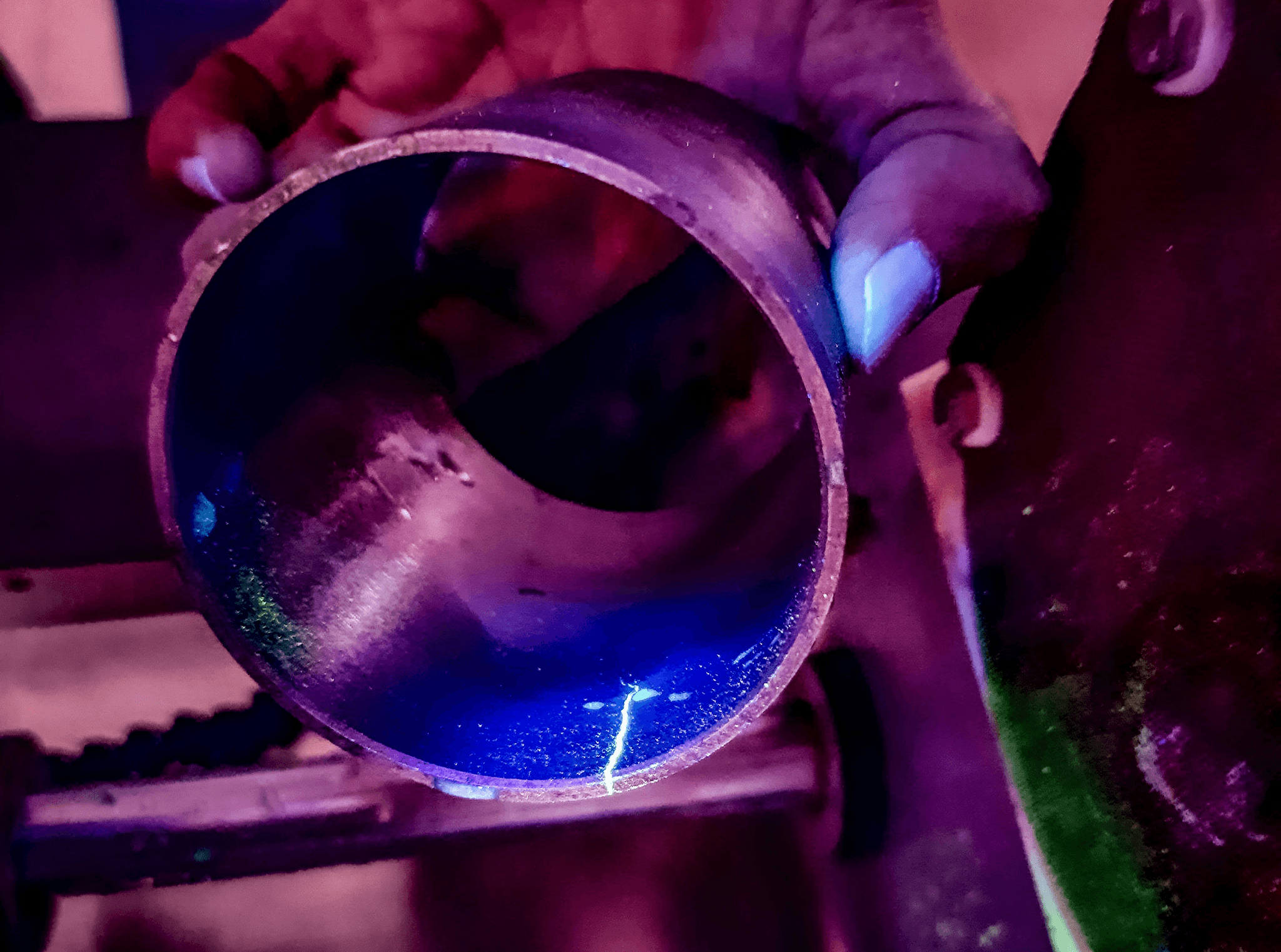
The landscape of Liquid Penetrant Testing is evolving rapidly, driven by technological innovation and industry demands. Automation and digital imaging integration are transforming how inspections are performed, making the process faster, more accurate, and less reliant on human interpretation. This shift is especially critical for applications like Liquid Penetrant Test Application on Casting, where detecting minute flaws can mean the difference between safety and catastrophe.
Advances in fluorescent penetrants are also pushing the boundaries of what’s possible in Liquid Penetrant Testing. New formulations offer brighter visibility and longer-lasting fluorescence, which enhances detection capabilities during inspections of Liquid Penetrant Testing on Plate or Forging components. These innovations ensure that surface flaws are identified with greater precision, improving overall quality assurance processes.
The growing importance of Liquid Penetrant Testing in aerospace and automotive sectors cannot be overstated. As materials become more complex and safety standards tighten, industries rely heavily on cutting-edge techniques like Liquid Penetrant Test Application on Casting to meet rigorous compliance requirements. The integration of automation further amplifies this trend by enabling consistent, high-quality inspections across diverse applications such as forging or structural plates.
Conclusion
Mastering the art of Liquid Penetrant Test Application on Casting, Plates, and Forging is essential for ensuring the highest standards of quality and safety in manufacturing. When industry professionals understand the nuances of Liquid Penetrant Testing, they can detect surface flaws early, preventing costly failures down the line. Whether inspecting complex castings or delicate plates, a thorough application of this technique guarantees products that meet rigorous safety protocols and customer expectations.
Mastering Liquid Penetrant Test Application for Excellence
Achieving excellence in Liquid Penetrant Testing begins with a deep understanding of its application on casting components, plates, and forging parts. Properly applying liquid penetrants enhances defect detection capabilities across various materials and geometries. Continuous training and staying updated with technological advancements ensure that inspectors maintain precision in every Liquid Penetrant Test Application on Casting or Forging components.
The Impact on Product Reliability and Safety
The influence of meticulous Liquid Penetrant Testing on product reliability cannot be overstated; it acts as a gatekeeper against potential failures caused by surface cracks or flaws. When performed correctly—whether on plates or castings—it significantly reduces the risk of catastrophic failures in critical industries like aerospace or automotive manufacturing. Ultimately, consistent use of effective Liquid Penetrant Testing techniques elevates safety standards while boosting consumer confidence.
Partnering with Industry Leaders for Superior Inspection Services
Collaborating with seasoned professionals who specialize in Liquid Penetrant Testing ensures your inspection processes are accurate and compliant with industry standards. Experts familiar with the nuances of Liquid Penetrant Test Application on Casting, Plates, and Forging can identify issues others might miss—saving time and money in the long run. Partnering with industry leaders guarantees your products pass rigorous inspections, reinforcing your reputation for quality craftsmanship.