
Introduction
Ensuring product quality is more than just a checkbox; it’s the backbone of customer satisfaction and brand reputation. Recognizing the different defect types, especially critical defects, can make or break a product’s success in the market. When you understand examples of possible defects and how they differ from minor issues, you’re better equipped to prevent costly mistakes and deliver excellence.
Understanding the Importance of Quality Inspection
Quality inspection isn’t just about catching flaws; it’s about safeguarding your brand from potential failures caused by critical defects that could compromise safety or functionality. Knowing what to look for during inspections helps identify examples of potential minor defects that might seem insignificant but can escalate if not caught early. Spotting critical defects early ensures that only products meeting strict standards reach consumers, saving time and money down the line.
How Defects Impact Product Success
Defects—whether critical, major, or minor—can greatly influence how your product performs in the real world. Examples of possible defects range from tiny cosmetic blemishes to serious safety issues like electrical failures or structural weaknesses—examples of potential minor defects versus critical ones are vital knowledge for quality teams. Missing a critical defect such as a faulty circuit board can lead to recalls, legal trouble, and loss of customer trust, proving that defect awareness is essential for long-term success.
Why Knowing Different Defect Types Matters
Understanding different defect types allows manufacturers to prioritize their inspection efforts effectively—focusing on critical defects that threaten safety first while managing minor issues efficiently. An example of a critical defect might be a compromised power connection in electronic devices, which could cause fires or malfunctions if ignored. Recognizing these distinctions empowers teams to implement targeted quality control measures and avoid overlooking subtle issues that could become major problems later on.
What Are Critical Defects?

Critical defects are serious flaws in a product that could compromise safety, functionality, or compliance with regulations. These defects are non-negotiable—if present, the product often cannot be shipped or sold until they are corrected. Recognizing critical defects early helps prevent costly recalls and protects brand reputation.
When inspecting products, it’s crucial to identify examples of possible defects that fall into this category. For instance, a critical defect in electronics might be a short circuit that causes overheating or potential fire hazards. Such issues are not only dangerous but also violate safety standards, making prompt detection essential.
Examples of potential minor defects can sometimes be mistaken for critical issues; however, they typically do not pose immediate safety risks. Still, understanding what constitutes a critical defect versus minor ones ensures quality control remains effective. An example of a critical defect would be a malfunctioning safety switch in an electronic device—something that could lead to injury or product failure if unnoticed.
The role of China Inspection Pro in identifying critical defects cannot be overstated. Their rigorous inspection processes help catch these high-priority flaws before products reach consumers. This proactive approach ensures only safe and compliant products make it to market, safeguarding both manufacturers and end-users.
Minor Defects Explained
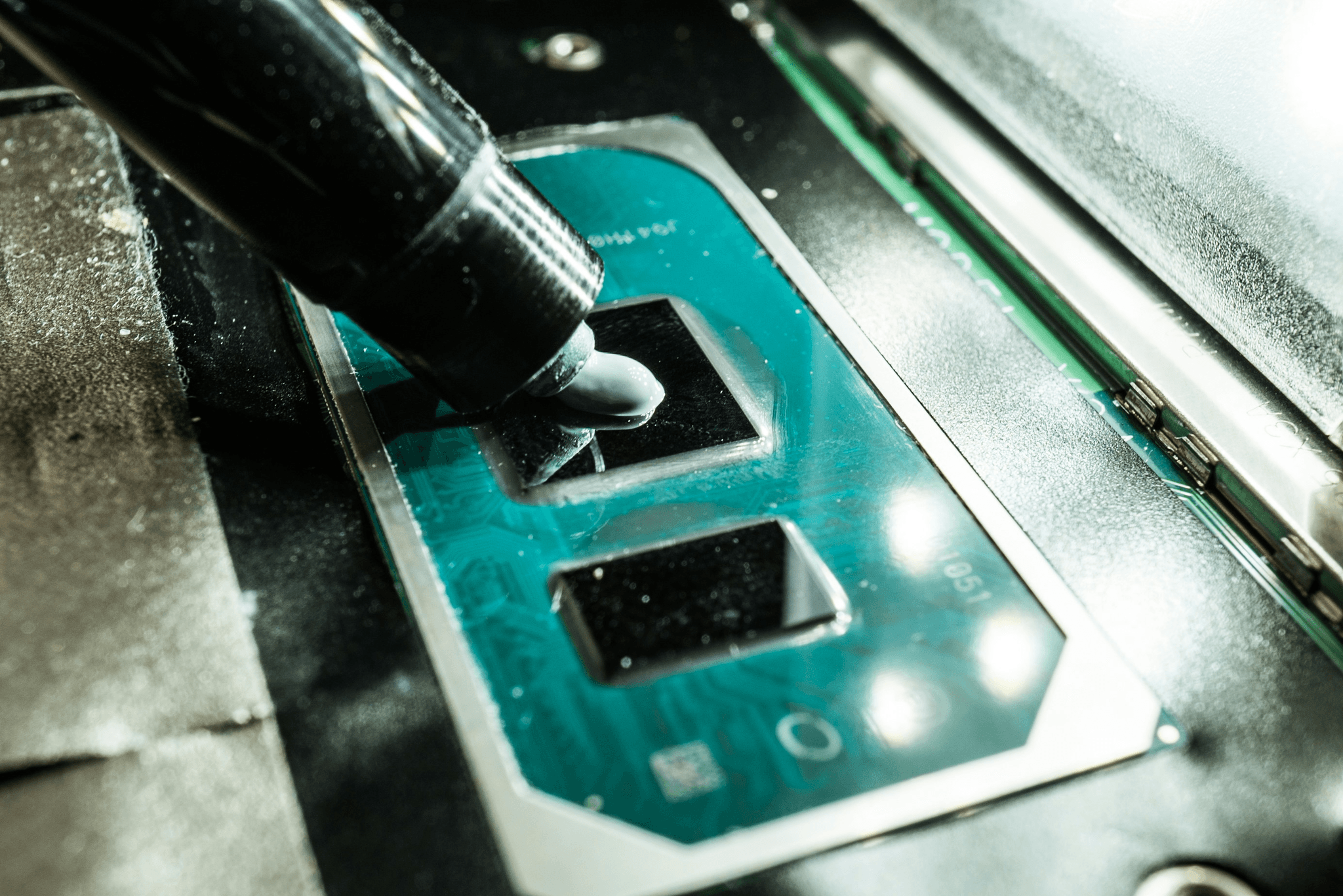
Minor defects are the small imperfections that often slip past the initial quality checks but can still impact the overall perception of a product. While they may not compromise safety or functionality immediately, ignoring these tiny flaws can lead to bigger issues down the line. Recognizing and managing minor defects is crucial for maintaining a balance between quality and cost, especially when Critical Defects are involved.
Examples of Possible Minor Defects
Examples of potential minor defects include slight cosmetic scratches, uneven paint finishes, or minor misalignments in assembly. These issues typically do not affect the product’s core functions but can diminish its aesthetic appeal. For instance, a tiny dent on a smartphone casing might be considered a minor defect because it doesn't impair performance but could bother customers who expect perfection.
When Minor Defects Are Acceptable
Minor defects are acceptable in scenarios where they do not hinder product safety or usability. For example, a small color inconsistency on packaging might be tolerable if it doesn't affect branding or user experience. It’s important to understand that not all minor defects warrant rework; sometimes, accepting them helps control costs without risking critical defects that could compromise safety.
Balancing Quality and Cost with Minor Defects
Striking the right balance involves knowing when to accept minor defects without letting them escalate into more serious issues like critical defects. Overly strict standards might inflate production costs unnecessarily, while too lenient an approach could lead to customer dissatisfaction or even safety concerns if critical defects are overlooked. Therefore, understanding examples of potential minor defects helps inspectors decide which flaws can be tolerated and which need immediate attention.
How Quality Inspection Detects Minor Defects Effectively
Quality inspection plays a vital role in identifying examples of possible defects during various stages of manufacturing. Skilled inspectors use advanced tools and keen eyes to spot tiny imperfections that might otherwise go unnoticed—like subtle surface scratches or slight misalignments—ensuring these do not become critical defects later on. By catching these early, companies can prevent small issues from snowballing into major problems that threaten product integrity and customer trust.
The Nature of Major Defects
Major defects are significant issues that compromise a product’s functionality, appearance, or safety, but they are not always as severe as critical defects. These flaws can often be spotted during routine inspections and, if left unaddressed, can lead to customer dissatisfaction or returns. Recognizing examples of possible defects helps manufacturers prioritize which issues require immediate attention and which can be managed more flexibly.
When differentiating between major and critical defects, it’s essential to understand that critical defects typically pose safety hazards or violate compliance standards, whereas major defects mainly affect usability or aesthetics. For instance, an example of a critical defect might be a faulty electrical component that could cause a fire hazard in an electronic device. In contrast, a major defect could be a scratched surface on a consumer product — annoying but not dangerous.
The impact of major defects on usability and customer satisfaction cannot be overstated; these flaws often diminish the perceived value of the product and lead to negative reviews or returns. For example, an improperly functioning button on a smartphone may frustrate users and hurt brand reputation. Ensuring that major defects are caught early through thorough inspections prevents costly recalls and maintains quality standards.
To keep major defects from slipping through the cracks, proactive measures like regular quality checks and detailed inspections are crucial. Identifying examples of potential minor defects—such as slight color inconsistencies—can serve as early warning signs for larger issues down the line. Catching these issues early allows for corrective actions before they escalate into more serious problems that could become critical defects if ignored.
Differentiating Defects in Real Life
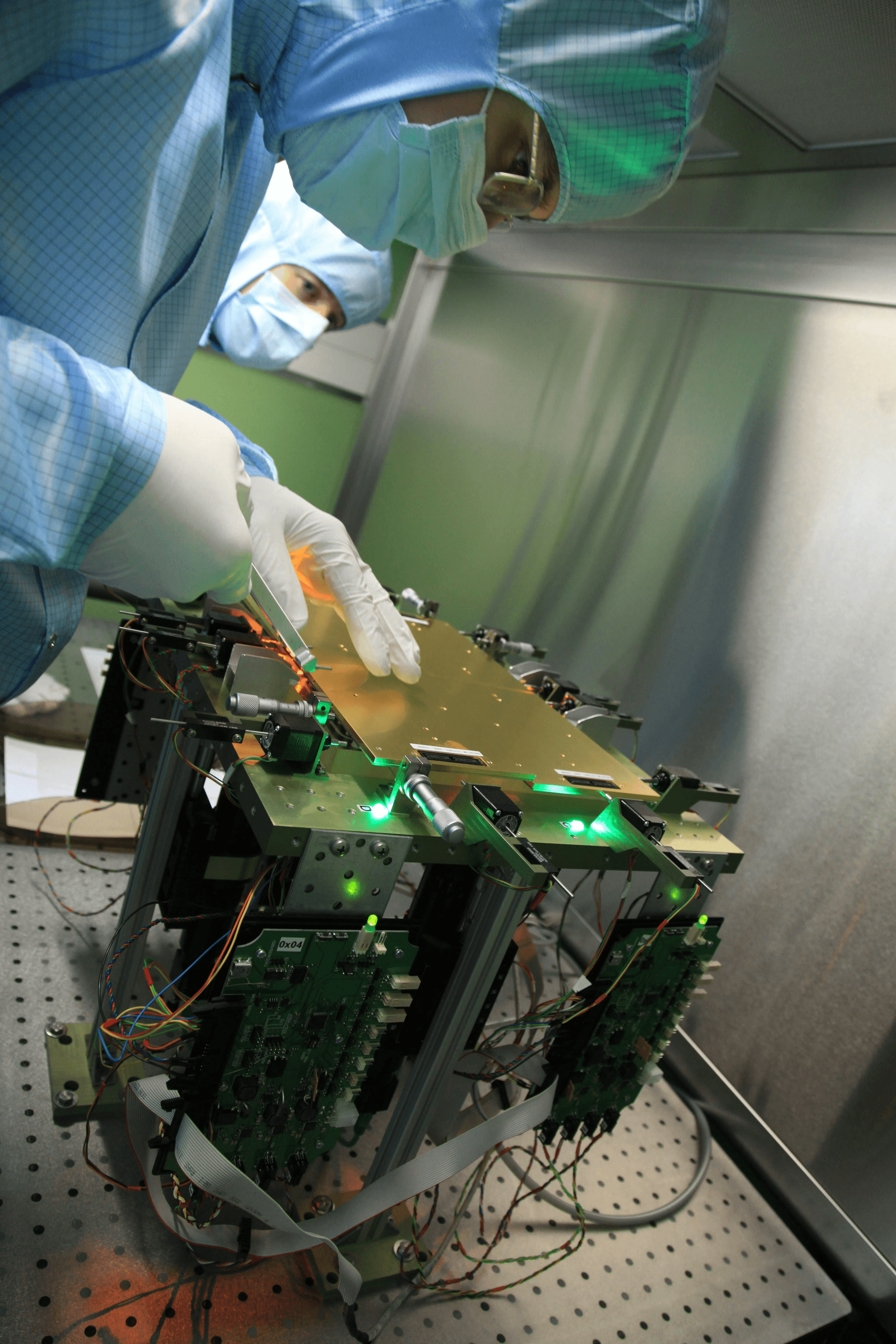
Understanding the difference between critical defects and minor flaws is essential for maintaining high-quality standards. In real-world scenarios, identifying these defects can be challenging but is crucial for customer satisfaction and safety. Recognizing examples of possible defects helps inspectors prioritize issues effectively, especially when distinguishing critical defects from minor imperfections.
Case Study: Apple Product Quality Inspection
During a recent Apple product quality inspection, critical defects such as battery swelling or compromised internal components were immediately flagged because they pose safety risks. Meanwhile, examples of potential minor defects included tiny scratches on the casing or slight color inconsistencies—issues that don't impact functionality but could affect aesthetics. This case highlights how critical defects require urgent attention, whereas minor defects can sometimes be acceptable depending on the context, emphasizing the importance of precise defect differentiation.
Common Defects Found in Consumer Electronics
Consumer electronics often present a variety of defect types; examples of possible defects include loose buttons, unresponsive screens, or faulty charging ports—these are usually major or minor depending on severity. Critical defects like cracked screens that impair usability clearly demand prompt action to prevent customer dissatisfaction. Understanding these distinctions ensures that quality control teams focus on fixing critical defects first while managing less severe issues efficiently.
Bridging the Gap with Expert Inspections from China Inspection Pro
Expert inspections from China Inspection Pro excel at identifying both critical defects and examples of potential minor defects during manufacturing audits. Their trained inspectors can quickly spot example of a critical defect such as internal wiring faults that could cause failure or safety hazards, versus minor cosmetic flaws like smudges or small surface scratches. Leveraging their expertise helps manufacturers differentiate between defect types accurately, ensuring only products meeting strict standards reach consumers.
Using Examples of Potential Minor and Major Defects for Better Quality Control
Incorporating concrete examples of potential minor defects—like slight misalignments—and critical defects such as electrical short circuits into training enhances inspection accuracy. Recognizing these differences allows teams to allocate resources appropriately and prevent defective products from slipping through the cracks. Ultimately, understanding how to identify example of a critical defect versus a minor flaw enables better quality control practices and boosts overall product reliability.
How to Prevent and Manage Defects
Preventing and managing defects requires a proactive approach that combines diligent inspection practices with continuous improvement efforts. Recognizing Examples of possible defects early on can save time, money, and reputation, especially when critical defects are involved. Implementing robust quality control measures ensures that critical defects are caught before products reach consumers, safeguarding safety and compliance.
Best Practices in Quality Inspection
To effectively prevent critical defects, adopting best practices in quality inspection is essential. This includes establishing clear inspection criteria, training inspectors thoroughly on identifying Examples of potential minor defects versus critical ones, and using standardized checklists. Regularly updating these practices based on recent defect trends helps catch critical defects early and reduces the risk of overlooking important details.
Importance of Continual Monitoring and Testing
Continual monitoring and testing serve as the backbone for preventing major issues caused by critical defects. Ongoing inspections help identify Examples of possible defects that could escalate into serious problems if left unchecked. By maintaining a vigilant eye on every stage of production, companies can detect example of a critical defect early—such as a faulty circuit board—before it compromises product safety or functionality.
Leveraging Expert Inspection Services for Accurate Results
Leveraging expert inspection services from specialists like China Inspection Pro ensures accurate identification of critical defects that might otherwise slip through standard checks. Experts bring experience in spotting examples of potential minor defects that could develop into major or critical issues if ignored. Their insights help manufacturers implement targeted corrective actions swiftly, preventing costly recalls or safety hazards caused by undetected critical defects.
Turning Inspection Findings into Actionable Improvements
Once inspection findings reveal examples of possible defects—whether minor or potentially escalating to critical levels—it’s crucial to translate these insights into actionable improvements. Analyzing whether an example of a critical defect has been overlooked allows teams to refine their processes accordingly. Continuous feedback loops enable manufacturers to address root causes promptly, reducing the occurrence of future critical defects and ensuring higher product quality.
Conclusion
Mastering the art of defect identification is crucial for any manufacturer aiming for top-tier quality. Recognizing examples of possible defects, especially critical defects, can make all the difference between a product that delights customers and one that disappoints. Understanding the nuances between critical defects, minor defects, and major defects allows companies to prioritize their inspection efforts effectively, ensuring that critical defects—like a faulty circuit in electronics—are caught before reaching consumers.
The value of expert inspections cannot be overstated when it comes to maintaining consistent quality standards. These professionals are trained to spot examples of potential minor defects that might otherwise slip through, as well as critical defects that could compromise safety or compliance. Their keen eye and experience help prevent these issues from escalating into costly recalls or reputation damage, saving companies both time and money in the long run.
Ensuring customer satisfaction hinges on rigorous quality control processes that focus on identifying and managing critical defects early in production. By leveraging comprehensive inspection services—like those offered by China Inspection Pro—businesses can confidently address examples of possible defects before products hit the market. Ultimately, mastering defect detection not only safeguards brand integrity but also fosters trust with consumers who expect nothing less than excellence.