
Introduction
In today's rapidly evolving global economy, the manufacturing landscape is more dynamic than ever. With technological advancements and shifting consumer demands, importers must navigate a complex web of options when selecting manufacturing locations. This Importer’s Guide aims to illuminate the critical factors that influence decisions, particularly focusing on Taiwan and mainland China.
Overview of Manufacturing Landscape
The manufacturing sector in both Taiwan and mainland China plays a pivotal role in the global supply chain, producing a vast array of consumer and intermediate goods. Taiwan boasts a reputation for high-quality production with specialized capabilities in key manufacturing export industries, such as electronics and machinery. Meanwhile, mainland China's extensive industrial development has established it as a powerhouse for mass production, often raising the question: Is manufacturing cheaper in Taiwan or mainland China?
Importance of Choosing the Right Location
Selecting the right location for manufacturing is crucial for importers aiming to balance cost efficiency with quality assurance. The decision can significantly affect logistics, tariffs, and overall production expenses—factors that directly impact an importer’s bottom line. Understanding government initiatives to promote advanced manufacturing in both regions can also provide insights into future trends that may influence these choices.
Key Considerations for Importers
When considering where to manufacture products, importers should weigh several key factors: labor costs versus efficiency, supply chain dynamics, and quality control measures are just a few elements that come into play. Evaluating industrial development and specialization in Taiwan versus the value of mainland China's supply chain networks for mass production can help inform this decision-making process. Ultimately, making an informed choice requires a thorough understanding of each region's strengths and weaknesses.
Manufacturing Costs: Taiwan vs. Mainland China
When it comes to the manufacturing costs, the age-old debate between Taiwan and Mainland China continues to intrigue importers. The question often arises: **Is manufacturing cheaper in Taiwan or Mainland China?** While cost is a significant factor, it's essential to consider other elements like labor efficiency, production expenses, and the overall economic landscape. This section will dissect these aspects for a clearer understanding of where your best manufacturing options lie.
Is Manufacturing Cheaper in Taiwan or Mainland China?
Determining whether manufacturing is cheaper in Taiwan or Mainland China isn't as straightforward as one might hope. On paper, Mainland China's vast industrial development and specialization offer lower labor costs and economies of scale that can make mass production irresistibly attractive for many importers. However, Taiwan's focus on high-quality consumer and intermediate goods means that while its costs may be higher, the value derived from superior quality and reliability can outweigh those initial savings.
In recent years, government initiatives to promote advanced manufacturing in Taiwan have also played a crucial role in enhancing its competitiveness. These initiatives have led to innovations that can reduce long-term costs despite higher upfront expenses compared to Mainland China. Importers must weigh these factors carefully when considering their supply chain strategies.
Labor Costs and Efficiency
Labor costs are often the first consideration when comparing manufacturing options between Taiwan and Mainland China. While wages in mainland factories tend to be lower due to a larger workforce willing to accept less pay, this doesn't always equate to greater efficiency or productivity levels. Taiwanese manufacturers are known for their skilled labor force specializing in high-tech industries, which leads to better output quality—even if it comes at a premium.
Moreover, the industrial development and specialization in Taiwan mean that workers are often better trained for specific tasks compared to their counterparts in Mainland China, who may be spread across various sectors without specialized training. This skill gap can result in fewer defects during production runs of consumer and intermediate goods—an essential consideration for any importer looking at long-term partnerships with manufacturers.
Overall Production Expenses
When assessing overall production expenses between these two regions, it's vital not only to look at direct costs but also indirect ones such as logistics, tariffs, and potential delays caused by regulatory issues or supply chain disruptions. The value of mainland China's supply chain networks for mass production cannot be understated; they offer an intricate web of suppliers that can drive down costs significantly through streamlined processes.
However, this advantage may come with hidden pitfalls like quality inconsistency or longer lead times due to bureaucratic hurdles—factors that could ultimately inflate your overall expenses as an importer over time. In contrast, while production might be pricier upfront when dealing with Taiwanese manufacturers focused on key export industries such as electronics or machinery parts, you may find fewer unexpected costs arising from poor quality control or shipping delays.
In conclusion—whether you're leaning towards the cost-effective allure of mainland factories or the premium offerings from Taiwanese producers—understanding all facets of manufacturing expenses will help you make informed decisions tailored specifically for your business needs.
Industrial Development and Specialization
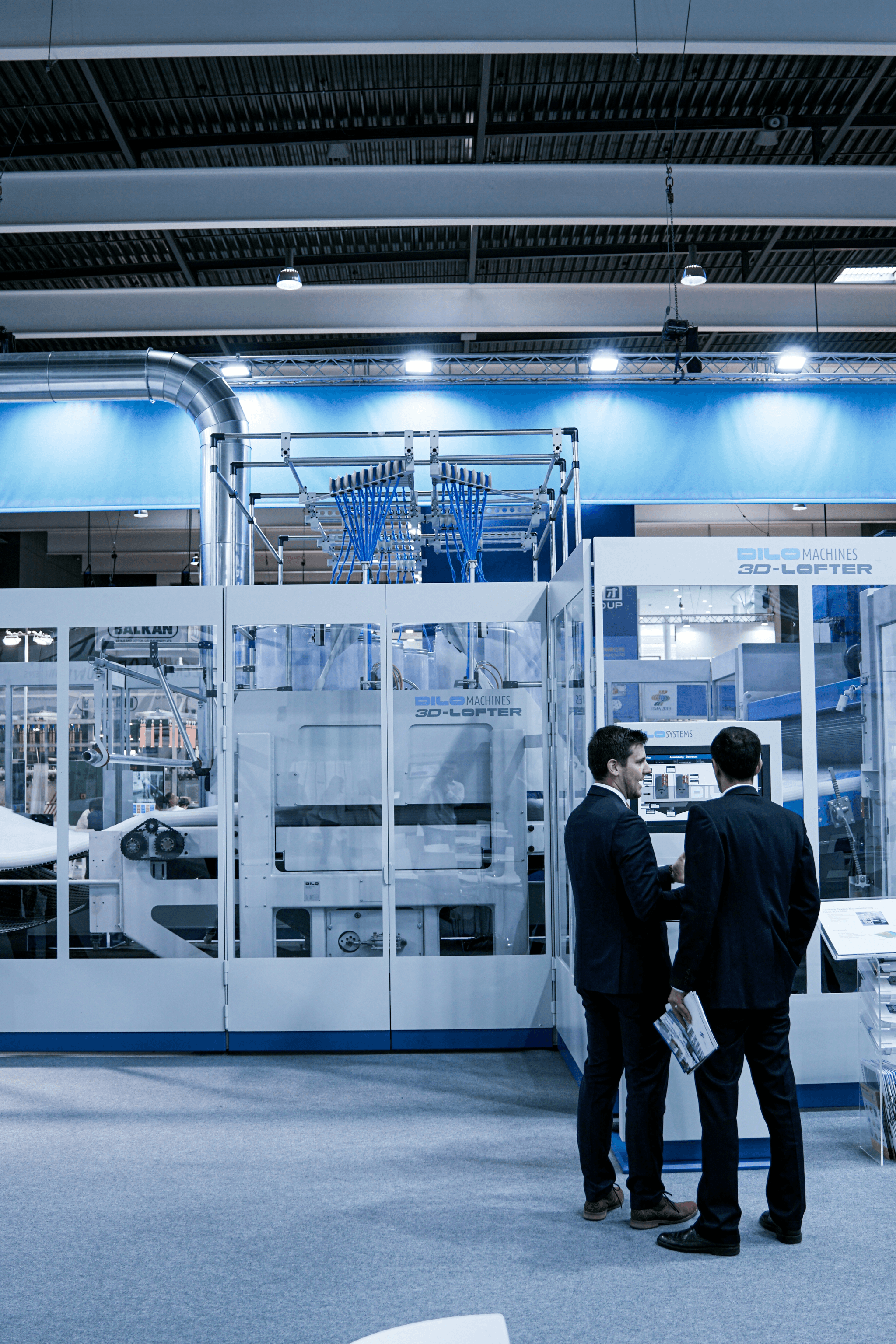
The industrial landscape in Taiwan has undergone significant transformation over the years, leading to a unique specialization that sets it apart from its mainland counterpart. This section will explore the nuances of industrial development and specialization in Taiwan, highlight key manufacturing export industries, and compare these with the capabilities of mainland China. Understanding these dynamics is crucial for importers navigating their options.
Industrial Development and Specialization in Taiwan
Taiwan's approach to industrial development is characterized by a focus on high-tech sectors and specialized manufacturing processes. The government has implemented various initiatives to promote advanced manufacturing, ensuring that local industries remain competitive on a global scale. This strategic emphasis allows Taiwan to carve out niches in areas such as semiconductors and precision machinery, appealing to importers seeking quality over quantity.
In contrast, mainland China's industrial development has often leaned towards mass production of consumer and intermediate goods. While this model supports large-scale output at lower costs, it may lack the specialized finesse found in Taiwanese manufacturing. Importers must weigh these differences carefully when deciding where to source products.
The combination of government support for innovation and a skilled workforce positions Taiwan as an attractive destination for importers looking for specialized products. By focusing on quality rather than sheer volume, Taiwanese manufacturers are able to meet specific market demands effectively. This specialization is essential when considering whether manufacturing is cheaper in Taiwan or mainland China; sometimes, quality comes at a premium.
Key Manufacturing Export Industries in Taiwan
Taiwan boasts several key manufacturing export industries that have established its reputation on the world stage. Among these are electronics—particularly semiconductors—which account for a significant portion of exports due to their high value and demand globally. Additionally, machinery and equipment manufacturing also play vital roles in the economy, showcasing Taiwan's ability to produce complex intermediate goods.
Another noteworthy sector is textiles, where Taiwanese companies have adapted quickly to changing consumer preferences while maintaining high-quality standards. These industries not only contribute significantly to Taiwan’s GDP but also attract foreign investment from importers seeking reliable partners for production needs. Understanding these key manufacturing export industries can help importers make informed decisions about sourcing strategies.
Moreover, with government initiatives aimed at fostering innovation within these sectors, there’s potential for growth that could further enhance competitiveness against mainland China’s capabilities. Importers should keep an eye on emerging trends within these industries as they navigate their supply chain dynamics.
Comparison with Mainland China's Capabilities
When comparing Taiwan's industrial development with that of mainland China, it's essential to consider both strengths and weaknesses inherent in each region's approach to manufacturing specialization. Mainland China excels at leveraging vast supply chain networks for mass production of consumer goods—making it an attractive option for those prioritizing cost efficiency above all else. However, this often comes at the expense of quality control compared to what one might expect from Taiwanese manufacturers.
While both regions produce intermediate goods effectively, Taiwanese firms tend toward higher-end products that require more intricate craftsmanship—a factor particularly appealing for niche markets or specialized applications sought by discerning importers looking beyond just price considerations alone. Thus arises the question: Is manufacturing cheaper in Taiwan or mainland China? The answer often depends on what you’re willing to sacrifice—cost or quality?
Ultimately, understanding these comparative advantages can aid importers significantly as they evaluate their sourcing strategies within different contexts—whether opting for low-cost mass production from mainland China or investing more upfront into specialized offerings from Taiwanese firms known for their innovation-driven approaches.
Supply Chain Dynamics
In the world of manufacturing, the supply chain is the backbone that supports production and distribution. For importers, understanding these dynamics is crucial to making informed decisions about where to source their products. This section delves into the intricate web of supply chains, particularly focusing on the advantages provided by Mainland China and how it compares with Taiwan's offerings.
The Value of Mainland China's Supply Chain Networks for Mass Production
Mainland China boasts one of the most extensive supply chain networks in the world, making it a powerhouse for mass production. This network not only facilitates efficient sourcing of raw materials but also streamlines logistics for consumer and intermediate goods in Taiwan and Mainland China alike. For importers, this means reduced lead times and lower costs, leading many to ponder: Is manufacturing cheaper in Taiwan or Mainland China? The answer often leans toward China due to its established industrial infrastructure.
Furthermore, China's specialization in various key manufacturing export industries enhances its appeal as a sourcing destination. From electronics to textiles, these industries are supported by a robust ecosystem of suppliers and manufacturers that can respond quickly to market demands. This interconnectedness allows importers to capitalize on economies of scale that are difficult to achieve elsewhere.
Logistics and Transportation Factors
When considering supply chain dynamics, logistics plays a pivotal role in determining overall efficiency and cost-effectiveness. In Mainland China, an extensive network of highways, railways, ports, and airports ensures that goods can be transported swiftly across regions—an essential factor for mass production scenarios where timing is everything. On the other hand, while Taiwan has made strides in improving its own transportation systems as part of government initiatives to promote advanced manufacturing, it still cannot match the sheer volume handled by China's logistics capabilities.
Moreover, importers must navigate additional logistical challenges when dealing with international shipping from either location. Factors such as shipping routes, freight costs, and delivery timelines can significantly impact overall expenses—something that savvy importers must factor into their decision-making process when weighing options between Taiwan and Mainland China.
Tariffs and Import Regulations
Tariffs and import regulations are critical components that influence an importer’s guide when deciding between Taiwan and Mainland China for sourcing products. Both regions have unique trade agreements that can affect costs; however, recent shifts in global trade policies have introduced complexities worth considering. Importers need to stay updated on tariffs imposed on consumer goods coming from both areas since these can sway decisions regarding which location offers better value over time.
Additionally, regulatory environments vary between Taipei’s streamlined processes aimed at attracting foreign investment through incentives versus China's more complex bureaucratic landscape which may involve navigating numerous layers of compliance requirements before products reach their destination markets. Understanding these nuances is essential for businesses looking to optimize their supply chains while minimizing potential delays or unexpected costs.
In conclusion, while both Taiwan's industrial development offers unique advantages—especially in specialized sectors—the undeniable value found within mainland China's expansive supply chain networks cannot be overlooked by any importer worth their salt.
Quality Control and Assurance
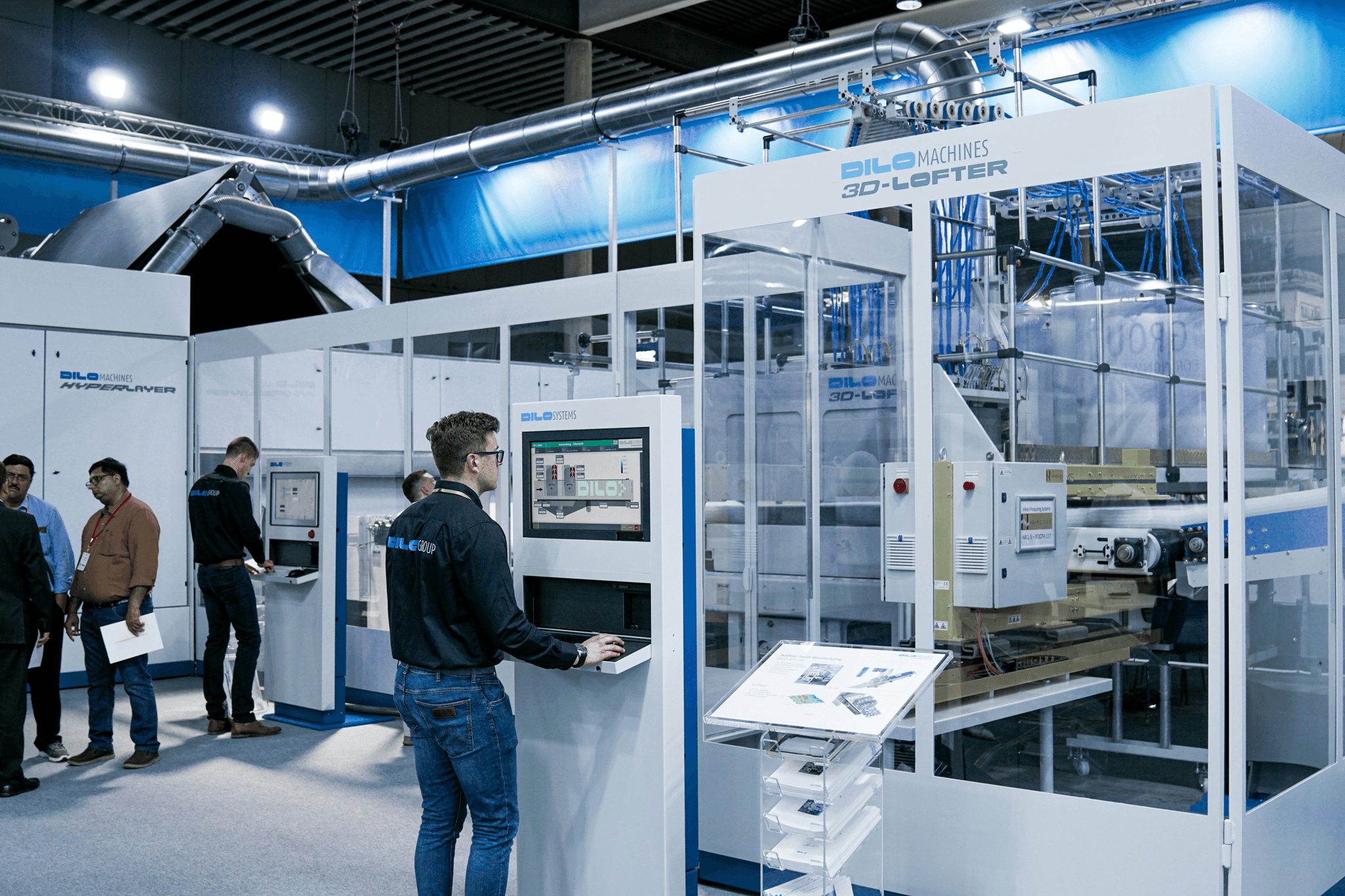
In the competitive world of manufacturing, quality control and assurance are paramount for importers seeking to maintain their reputation and customer satisfaction. The importance of quality inspection cannot be overstated; it serves as a safeguard against defects that could tarnish an importer’s brand. By ensuring that products meet stringent standards, importers can confidently navigate the complexities of global supply chains, especially when weighing options between Taiwan and mainland China.
Importance of Quality Inspection for Importers
Quality inspection is a crucial step in the importer’s guide to successful sourcing strategies. When dealing with consumer and intermediate goods in Taiwan or mainland China, maintaining high-quality standards is essential to avoid costly returns and dissatisfied customers. Importers must invest in thorough inspections to ensure that manufacturers adhere to specifications, thereby preventing potential issues before products reach the market.
How China Inspection Pro Ensures Product Standards
China Inspection Pro plays a pivotal role in helping importers uphold product quality standards throughout their supply chain processes. By offering comprehensive inspection services tailored to various industries, they act as a bridge between manufacturers in mainland China and importers worldwide. Their expertise ensures that key manufacturing export industries in Taiwan also align with international quality benchmarks, giving importers peace of mind when making decisions based on whether manufacturing is cheaper in Taiwan or mainland China.
Comparing Quality Standards in Taiwan and Mainland China
When comparing quality standards between Taiwan and mainland China, it becomes evident that both regions have unique strengths influenced by their industrial development and specialization. While Taiwan is known for its robust regulatory framework supporting advanced manufacturing initiatives, mainland China's vast supply chain networks provide efficiency for mass production at scale. Ultimately, importers must weigh these factors carefully against their own priorities—whether they prioritize cost-effectiveness or uncompromising quality—when deciding which location best suits their needs.
Government Initiatives and Support
In the ever-evolving world of manufacturing, government initiatives play a pivotal role in shaping industry landscapes. For importers weighing their options between Taiwan and mainland China, understanding these initiatives can provide valuable insights into industrial development and specialization in Taiwan. This section delves into how both regions are fostering advanced manufacturing through various support programs, ultimately influencing decisions on whether manufacturing is cheaper in Taiwan or mainland China.
Government Initiatives to Promote Advanced Manufacturing in Taiwan
Taiwan has been proactive in promoting advanced manufacturing through several government initiatives aimed at enhancing its industrial capabilities. The government has launched programs that focus on innovation, technology adoption, and workforce training to bolster key manufacturing export industries in Taiwan. By investing heavily in research and development, these initiatives not only enhance the quality of consumer and intermediate goods but also position Taiwan as a competitive player in global markets.
Moreover, the Taiwanese government emphasizes smart manufacturing practices that integrate automation and data analytics into traditional processes. This commitment to modernization helps ensure that products meet international standards while maintaining efficiency—a critical factor for importers assessing costs versus quality. Ultimately, these advancements make it clear that the landscape for manufacturers is not just about cost; it’s about creating value through innovation.
Incentives and Support Programs in Mainland China
On the other hand, mainland China offers a plethora of incentives designed to attract foreign investment and bolster its already robust supply chain networks for mass production. The Chinese government provides tax breaks, subsidies, and streamlined regulations specifically targeted at industries deemed strategically important—ranging from electronics to automotive sectors. Such incentives make it easier for companies to scale operations while keeping an eye on overall production expenses.
These support programs also extend to research grants aimed at fostering innovation within local enterprises, positioning them as leaders in various consumer goods markets globally. Importers benefit from this environment as they can source products at competitive prices while leveraging China's established logistics frameworks—further enhancing their supply chain dynamics. With these advantages combined with lower labor costs compared to Taiwan, many businesses find themselves asking: Is manufacturing cheaper in Taiwan or mainland China?
The Future of Manufacturing Policy
Looking ahead, both Taiwan and mainland China are adapting their policies to address emerging trends such as sustainability and digital transformation within the manufacturing sector. In Taiwan, future policies are expected to focus on green technology integration while maintaining high standards for quality control—a crucial aspect for importers concerned with product reliability over time. Meanwhile, mainland China's future strategies may lean towards enhancing its already significant supply chain networks by investing more heavily in infrastructure improvements.
As global demand continues shifting towards more sustainable practices, both regions will likely adjust their approaches accordingly—creating new opportunities for importers seeking innovative solutions alongside cost-effective options for consumer and intermediate goods alike. In this evolving landscape of industrial development and specialization in Taiwan versus mainland China, staying informed about governmental support initiatives will be key for businesses aiming to make strategic decisions that align with future market trends.
Conclusion
In the world of manufacturing, choosing the right location is crucial for importers aiming to balance cost and quality. This Importer's Guide has explored the advantages and challenges of manufacturing in Taiwan versus Mainland China, shedding light on various factors such as industrial development and specialization in Taiwan. As you evaluate your import strategy, consider how these elements will impact your bottom line and product quality.
Evaluating Your Import Strategy
When evaluating your import strategy, it's essential to weigh the benefits of industrial development and specialization in Taiwan against the mass production capabilities of Mainland China. While Mainland China boasts impressive supply chain networks for mass production, Taiwan excels in producing consumer and intermediate goods with higher quality standards. Understanding these dynamics will help you make informed decisions that align with your business goals.
Making an Informed Decision for Cost and Quality
The perennial question remains: is manufacturing cheaper in Taiwan or Mainland China? While labor costs might lean towards lower expenses in Mainland China, the overall production expenses can vary based on quality control measures and government initiatives to promote advanced manufacturing in both regions. By comparing key manufacturing export industries in Taiwan with their Chinese counterparts, importers can pinpoint where they might achieve better value without compromising on quality.
Future Trends in Global Manufacturing Choices
Looking ahead, future trends indicate a shift towards more localized supply chains as businesses seek resilience against global disruptions. The value of mainland China's supply chain networks for mass production remains significant; however, increasing demand for high-quality products may drive more companies to consider industrial development and specialization in Taiwan. As government initiatives to promote advanced manufacturing continue to evolve, it’s vital for importers to stay informed about how these changes might influence their choices moving forward.