
Introduction

In the world of manufacturing, navigating the complexities of management can often feel like trying to solve a Rubik's Cube blindfolded. Dealing with a difficult factory manager can add layers of frustration, making it essential to adopt effective strategies that foster cooperation and ensure quality outcomes. By implementing targeted approaches, such as using incentives, clarifying expectations, and even hiring a third-party QC firm, teams can enhance their interactions and drive success.
Understanding the Challenge with Management
Management challenges are ubiquitous in any workplace, but dealing with a difficult factory manager can be particularly daunting. The unique dynamics of factory environments often lead to misunderstandings and communication breakdowns that hinder productivity and morale. Recognizing these challenges is the first step toward creating an atmosphere where collaboration thrives and quality outcomes become attainable.
Strategies for Better Interactions
To improve interactions with a challenging manager, employing strategies that focus on positive reinforcement is crucial. Using incentives effectively can motivate not just the manager but also the entire team to align their goals towards common objectives. Moreover, clarifying expectations and being detailed in communications helps bridge gaps that may arise from differing perspectives or misinterpretations.
Achieving Quality Outcomes Together
Ultimately, achieving quality outcomes together requires commitment from all parties involved—especially when faced with management hurdles. By fostering an environment where incentives are used wisely and expectations are clearly defined, teams can work more harmoniously despite any difficulties presented by leadership styles. Additionally, considering the option to hire a third-party QC firm can provide expert insights that elevate standards across the board while alleviating some pressure from internal management.
Use Incentives to Foster Cooperation

Motivating Through Positive Reinforcement
Positive reinforcement is an effective strategy for motivating individuals, particularly when navigating the complexities of dealing with a difficult factory manager. By recognizing and rewarding desirable behaviors, you create an environment that encourages cooperation rather than conflict. For instance, if the factory manager meets production deadlines or improves quality standards, acknowledging these achievements can pave the way for smoother interactions and foster goodwill.
When implementing this approach, it's essential to be specific about what behaviors you want to reinforce. Instead of vague praise, highlight particular actions that contributed to success—this clarity helps everyone understand what’s valued in their roles. Ultimately, motivating through positive reinforcement not only addresses immediate challenges but also sets the stage for ongoing collaboration.
Tailoring Rewards to Individual Preferences
To truly harness the power of incentives, it's crucial to tailor rewards to individual preferences—especially when dealing with a difficult factory manager who may have unique motivations or goals. Understanding what drives your team members allows you to customize rewards that resonate personally with them; whether that's recognition in front of peers or tangible bonuses tied directly to performance metrics.
Moreover, by taking time to discuss preferences openly with your team—including that challenging factory manager—you foster an atmosphere of respect and understanding. This dialogue not only clarifies expectations but also ensures everyone feels valued and motivated by incentives that genuinely matter to them. As you build this personalized reward system, you'll likely find increased enthusiasm and cooperation across the board.
Building Long-Term Relationships with Incentives
Building long-term relationships through incentives requires consistency and commitment from all parties involved—especially when you're working alongside a difficult factory manager who might resist change initially. Establishing clear expectations around how incentives will work fosters trust and transparency; once everyone knows what's at stake, they’re more likely to engage positively.
Incorporating regular check-ins on progress toward incentivized goals strengthens these relationships further by ensuring accountability while allowing for adjustments as needed—this is where clarity becomes key again! By continuously reinforcing desired behaviors through well-structured incentives over time, you cultivate loyalty and cooperation among your team members—including those tough-to-handle personalities like your factory manager.
Ultimately, using incentives effectively can transform workplace dynamics from adversarial encounters into collaborative partnerships geared toward shared success—a win-win situation indeed!
Clarify Expectations and Be Detailed

Setting Clear Performance Metrics
Setting clear performance metrics is crucial when navigating the complexities of factory management. These metrics serve as a roadmap, guiding both managers and teams toward common goals while minimizing ambiguity. When dealing with a difficult factory manager, having specific benchmarks in place can help you measure progress objectively, making discussions about performance more straightforward and less contentious.
Communicating Effectively to Avoid Misunderstandings
Effective communication is key to avoiding misunderstandings that can arise when dealing with a difficult factory manager. Clear dialogue ensures that everyone understands their roles, responsibilities, and the expectations set forth in your performance metrics. Regular check-ins can further enhance communication, allowing for immediate clarification of any issues before they snowball into larger problems.
Regularly Reviewing Goals and Progress
Regularly reviewing goals and progress keeps everyone accountable while fostering an environment of transparency. This practice allows both you and the factory manager to evaluate what's working well and what needs adjustment—essentially fine-tuning your collaboration as needed. Incorporating these reviews into your routine not only strengthens relationships but also enhances overall productivity by ensuring that all parties remain aligned on objectives.
Hire a Third Party QC Firm
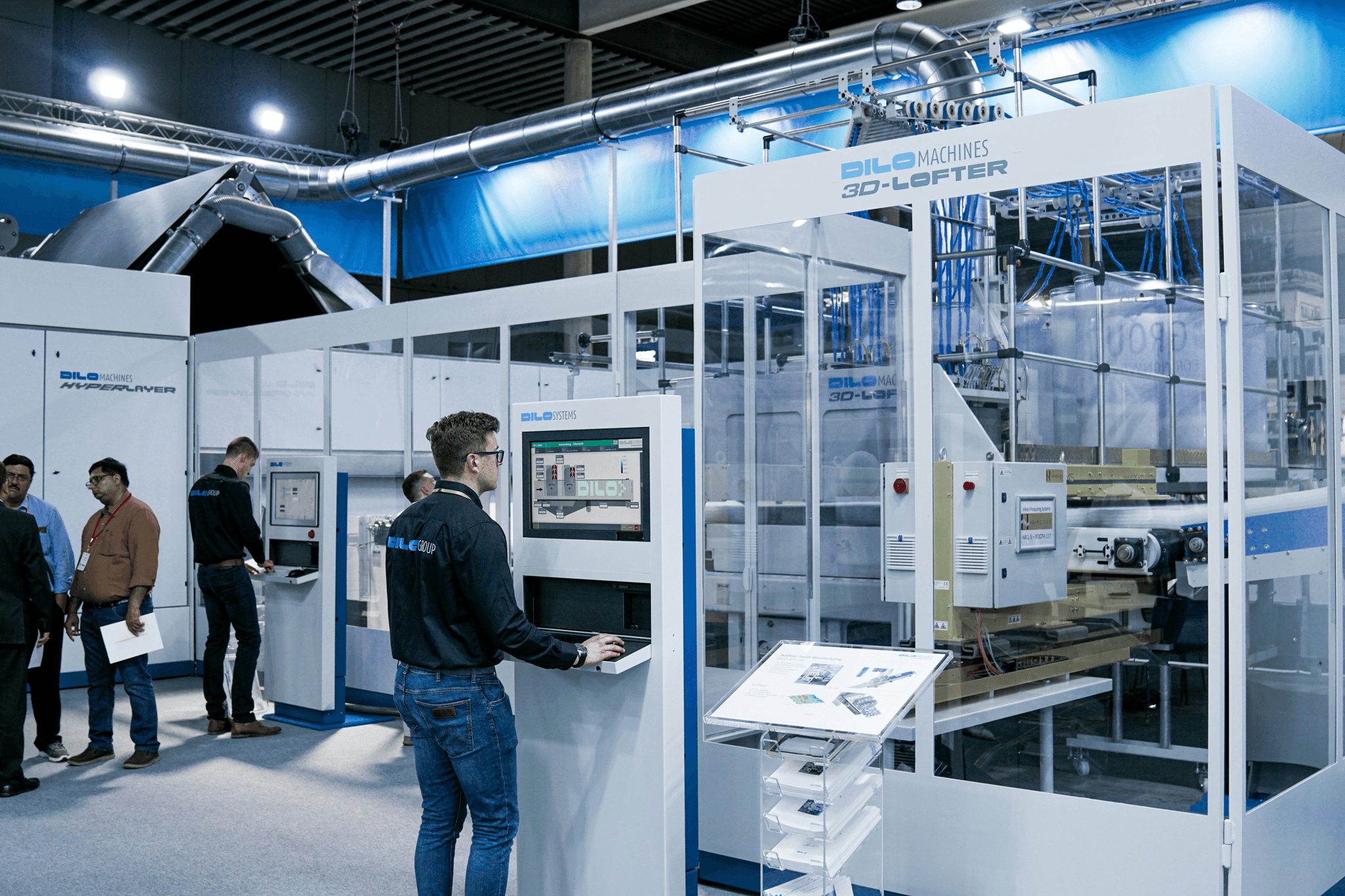
When managing a factory, particularly one with a difficult manager at the helm, hiring a third-party quality control (QC) firm can be a game-changer. It offers an impartial perspective that can ease tensions and streamline processes. By outsourcing QC, you not only alleviate some of the burdens from your internal team but also gain access to specialized expertise that ensures your product meets all necessary standards.
The Benefits of Outsourcing Quality Control
Outsourcing quality control is like having an extra set of eyes on the production line—eyes that are trained to spot potential issues before they escalate. This approach allows for better focus on core business functions while ensuring that quality is never compromised. Moreover, dealing with a difficult factory manager becomes less daunting when you have an independent entity verifying compliance and performance metrics.
Utilizing incentives can enhance cooperation between your team and the QC firm as both parties strive for excellence in production standards. Clear expectations laid out from the start will help everyone understand their roles in maintaining quality assurance. In this way, outsourcing not only improves product outcomes but also fosters better communication within your organization.
How China Inspection Pro Ensures Standards
They specialize in providing comprehensive inspections and audits tailored to various industries, making them an invaluable asset when dealing with challenging dynamics in factories. Their experienced inspectors utilize advanced technology and methodologies to deliver accurate assessments that help keep production on track.
By clarifying expectations right from the onset, both you and China Inspection Pro can establish detailed performance metrics that align with industry standards. This clarity helps mitigate misunderstandings related to quality benchmarks while reinforcing accountability among all stakeholders involved in the process. Additionally, using incentives tied to performance outcomes can motivate factory managers to prioritize compliance and improve overall efficiency.
Making Informed Decisions with Expert Insights
Engaging a third-party QC firm like China Inspection Pro equips you with expert insights that inform strategic decision-making throughout production cycles. Their thorough reporting provides actionable data which helps identify trends or recurring issues within manufacturing processes—valuable information for anyone navigating the complexities of working with difficult factory managers.
With regular reviews of goals and progress facilitated by these experts, you'll find it easier to adjust strategies as needed while maintaining high-quality output levels. By combining clear communication about expectations with expert oversight, you create an environment conducive to success where everyone is aligned toward common objectives—especially when dealing with challenging personalities in management roles.
Conclusion
Navigating the complexities of workplace dynamics, especially when dealing with a difficult factory manager, requires a strategic approach. By enhancing workplace relationships effectively, we can create an environment where collaboration thrives and productivity soars. The key to success lies in a combination of clear communication, mutual respect, and ongoing support.
Enhancing Workplace Relationships Effectively
To foster better interactions with your factory manager, it’s essential to use incentives that resonate personally with them. This not only motivates them but also sets the tone for a more collaborative relationship. When you clarify expectations and be detailed about what you need, it helps eliminate misunderstandings and paves the way for smoother operations.
Achieving Success Through Clear Communication
Success in any project hinges on effective communication; this is particularly true when dealing with a difficult factory manager. Regularly clarifying expectations and being detailed about performance metrics will help ensure everyone is on the same page. When issues arise, addressing them promptly through open dialogue can prevent small problems from escalating into major setbacks.
Collaborating with Experts for Quality Assurance
When all else fails in managing relationships or quality control issues, consider hiring a third-party QC firm to provide an objective perspective. This not only alleviates some pressure off your shoulders but also brings expert insights into how to improve operations while dealing with a difficult factory manager. Ultimately, collaborating with such experts ensures that quality standards are maintained while fostering better interactions within your team.