
Introduction
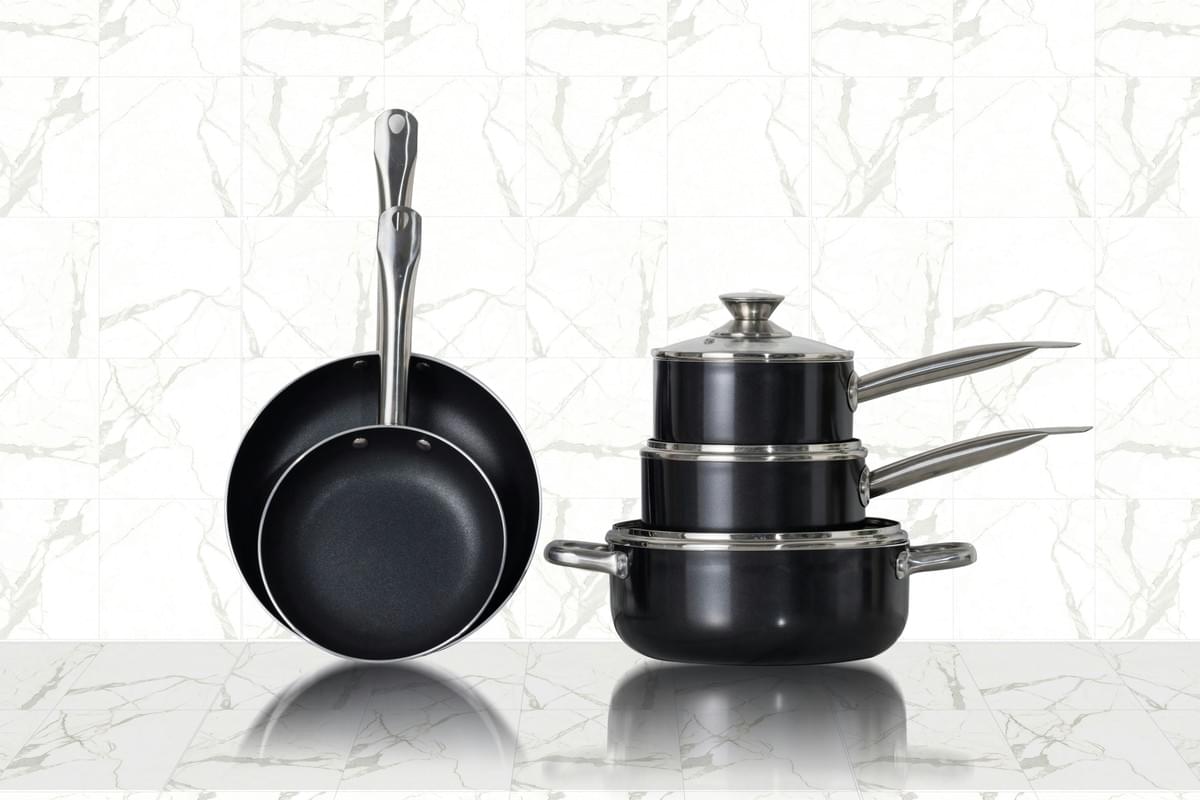
In the bustling world of kitchenware, ensuring the quality of non-stick cookware is more than just a matter of shiny surfaces and sleek designs; it’s about safety, durability, and consumer trust. Non-Stick Cookware Inspection has become a critical step for manufacturers and importers alike, especially when navigating complex manufacturing landscapes like China. With global standards such as ASTM-C-738 guiding North American markets and European Non Stick Cookware Inspection and Quality Control Standards setting the bar in Europe, understanding these benchmarks is essential for success.
Chinese manufacturing hubs produce a significant portion of non-stick cookware sold worldwide, making it vital to comprehend how inspection practices align with strict regulatory requirements. From California’s Proposition 65 to Minnesota’s Statute 115A.9651, local regulations shape the way products are tested for chemical safety and compliance before reaching consumers. The importance of rigorous Non-Stick Cookware Inspection cannot be overstated in this context—it's the backbone that ensures safety standards are met across borders.
Global standards influence not only how products are manufactured but also how they are inspected at every stage—be it through visual checks or advanced testing technologies. Whether following United States Non Stick Cookware Inspection and Quality Control Standards or adhering to European guidelines, manufacturers must stay vigilant to meet evolving demands. This proactive approach helps build consumer confidence while minimizing risks associated with subpar or unsafe products.
The Landscape of Non-Stick Cookware Inspection in China

The world of Non-Stick Cookware Inspection in China is a bustling arena, with major manufacturers like Supor and Tefal leading the charge. These giants have to navigate a complex web of international standards such as ASTM-C-738, which plays a crucial role in ensuring their products meet safety and quality benchmarks for the US market. With increasing scrutiny from global regulators, Chinese factories are ramping up their Non-Stick Cookware Inspection processes to align with strict standards like California’s Proposition 65 and Minnesota’s Statute 115A.9651, making sure their coatings are free from harmful chemicals and safe for consumers worldwide.
Key inspection agencies and certification bodies in China serve as the backbone of this rigorous landscape. They conduct thorough Non-Stick Cookware Inspection procedures that verify compliance with European Non Stick Cookware Inspection and Quality Control Standards, alongside U.S. standards. These organizations help manufacturers identify flaws early on—whether it's surface defects or chemical safety issues—ensuring products not only pass inspections but also stand out in global markets where standards like ASTM-C-738 are non-negotiable.
Trending now are innovations driven by the need for better quality control improvements across Chinese factories. From adopting advanced testing technologies to implementing comprehensive supplier audits, these efforts bolster adherence to international regulations such as California’s Proposition 65 and United States Non Stick Cookware Inspection standards. Continuous improvement in Non-Stick Cookware Inspection practices is critical because it directly impacts product safety, especially when considering chemical safety testing required for lead-free certification under both European and U.S. regulations.
Standards and Regulations in Focus

Navigating the world of Non-Stick Cookware Inspection requires a keen understanding of various standards that ensure safety and quality. In the US, ASTM-C-738 is a cornerstone, setting rigorous benchmarks for testing non-stick coatings' durability and safety. Manufacturers and importers alike must prioritize compliance with ASTM-C-738 to meet American market expectations, emphasizing the importance of thorough Non-Stick Cookware Inspection throughout the supply chain.
California’s Proposition 65 has become a household name in product safety regulation, especially for cookware containing potentially hazardous chemicals. This regulation mandates clear warning labels if substances like lead or cadmium are present, making Non-Stick Cookware Inspection crucial before products hit store shelves. Ignoring Proposition 65 can lead to hefty fines and recalls, so diligent inspection practices are essential for compliance and consumer trust.
Minnesota’s Statute 115A.9651 adds another layer of regulatory scrutiny by restricting imports that do not meet specific chemical safety standards. This law directly impacts how importers conduct Non-Stick Cookware Inspection, requiring verification that products are free from banned substances before entering the state market. For brands aiming nationwide distribution, understanding Minnesota’s regulations is key to avoiding costly legal pitfalls related to non-compliance with Non-Stick Cookware Inspection standards.
On the European front, Non Stick Cookware Inspection and Quality Control Standards are driven by strict regulations like REACH (Registration, Evaluation, Authorization, and Restriction of Chemicals). These standards demand comprehensive chemical testing and surface safety assessments as part of routine Non-Stick Cookware Inspection processes. European consumers expect high-quality assurance backed by rigorous inspection protocols that align with European Non Stick Cookware Inspection standards—making compliance essential for successful market entry.
Meanwhile, in the United States, non-stick cookware manufacturers must adhere to a broad set of inspection practices outlined by federal agencies to ensure product safety. United States Non Stick Cookware Inspection and Quality Control Standards emphasize chemical safety testing alongside physical durability checks during each phase of production. Consistent adherence to these standards not only guarantees regulatory compliance but also enhances brand reputation through reliable inspection procedures.
Core Inspection Processes and Methodologies

Non-Stick Cookware Inspection is a multi-layered process that ensures safety, durability, and compliance with various international standards. From visual checks to advanced technological assessments, each step plays a crucial role in maintaining product integrity before it reaches consumers. Understanding these core methodologies helps importers and manufacturers alike navigate the complex landscape of global food safety regulations.
Visual and Mechanical Testing Procedures
Visual inspection remains the first line of defense in Non-Stick Cookware Inspection, focusing on surface finish, coating uniformity, and signs of manufacturing flaws such as cracks or bubbles. Mechanical testing complements this by evaluating the cookware’s strength, resistance to deformation, and handle stability—crucial factors under ASTM-C-738 standards used primarily in the US market. These procedures help identify potential failures early on, ensuring that products meet both domestic and international Non-Stick Cookware Inspection requirements like those mandated by European Non Stick Cookware Inspection and Quality Control Standards.
Surface Coating and Non-Stick Performance Evaluations
The core feature of non-stick cookware is its coating quality; thus, surface coating evaluations are paramount in Non-Stick Cookware Inspection processes. Tests include adhesion strength assessments to verify coating durability under typical cooking conditions—an essential aspect aligned with United States Non Stick Cookware Inspection standards. Additionally, performance evaluations simulate real-world use to ensure coatings deliver consistent non-stick results without peeling or flaking, which aligns with European standards emphasizing long-term safety and effectiveness.
Chemical Safety Testing and Lead-Free Certification
Chemical safety testing forms a critical part of any comprehensive Non-Stick Cookware Inspection program. This includes analyzing for harmful substances such as PFOA or PFAS chemicals that are prohibited under strict regulations like California’s Proposition 65—designed to protect consumers from toxic chemicals leaching into food. Lead-free certification is also verified during inspection processes to ensure compliance with Minnesota’s Statute 115A.9651 governing safe imports; this law mandates strict limits on lead content in cookware imported into the US market.
Use of Advanced Technologies like X-ray and Spectroscopy
To elevate accuracy in Non-Stick Cookware Inspection beyond basic tests, manufacturers increasingly rely on advanced technologies such as X-ray fluorescence (XRF) spectroscopy or infrared spectroscopy systems—tools that quickly detect hidden defects or chemical compositions not visible to the naked eye. These technologies help verify adherence to both United States standards for chemical safety as well as European quality control benchmarks by providing precise data on coating layers and material composition. Incorporating such cutting-edge methods ensures thorough compliance across borders while reducing inspection timeframes significantly.
Quality Control Challenges in Chinese Factories

Navigating the world of Non-Stick Cookware Inspection in Chinese factories is no small feat, especially when trying to meet diverse standards like ASTM-C-738, California’s Proposition 65, Minnesota’s Statute 115A.9651, European Non-Stick Cookware Inspection and Quality Control Standards, and United States Non-Stick Cookware Inspection and Quality Control Standards. These regulations demand rigorous testing protocols to ensure safety, non-stick performance, and chemical compliance across borders.
One of the biggest hurdles is identifying common manufacturing flaws that can compromise product safety or durability. For instance, improper coating thickness or uneven application can lead to non-stick failures or chemical leaching—issues that are caught during Non-Stick Cookware Inspection processes aligned with ASTM-C-738 standards. Detecting these flaws early helps manufacturers avoid costly recalls and ensures products meet strict regulations like California’s Proposition 65 for lead content or Minnesota’s Statute 115A.9651 on chemical safety.
Supplier and Factory Audits conducted by China Inspection Pro play a critical role in maintaining quality assurance throughout the supply chain. These audits evaluate whether factories adhere to international standards such as European Non Stick Cookware Inspection protocols or U.S. inspection guidelines for chemical safety and coating integrity. Regular inspections help identify deviations from required standards, ensuring consistency in production batches and reducing the risk of non-compliance with regulations like ASTM-C-738.
Implementing effective incoming material inspections is another cornerstone of successful quality control. Raw materials such as coatings and metals must be tested for contaminants and adherence to specifications before entering production lines—especially when aiming for compliance with stringent standards like California’s Proposition 65 or European quality control benchmarks. This proactive approach prevents defective components from compromising entire batches, thereby safeguarding consumer health and brand reputation.
Ensuring consistency across large production batches remains a persistent challenge in Chinese factories producing Non-Stick Cookware. Variations in coating application or material quality can result in products that fail to meet both ASTM-C-738 testing requirements and regional regulations such as Minnesota’s Statute 115A.9651 or U.S.-specific inspection standards. Continuous monitoring through random sampling during Non-Stick Cookware Inspection helps maintain uniformity, ensuring each batch aligns with international safety norms and customer expectations.
Best Practices for Importers and Retailers
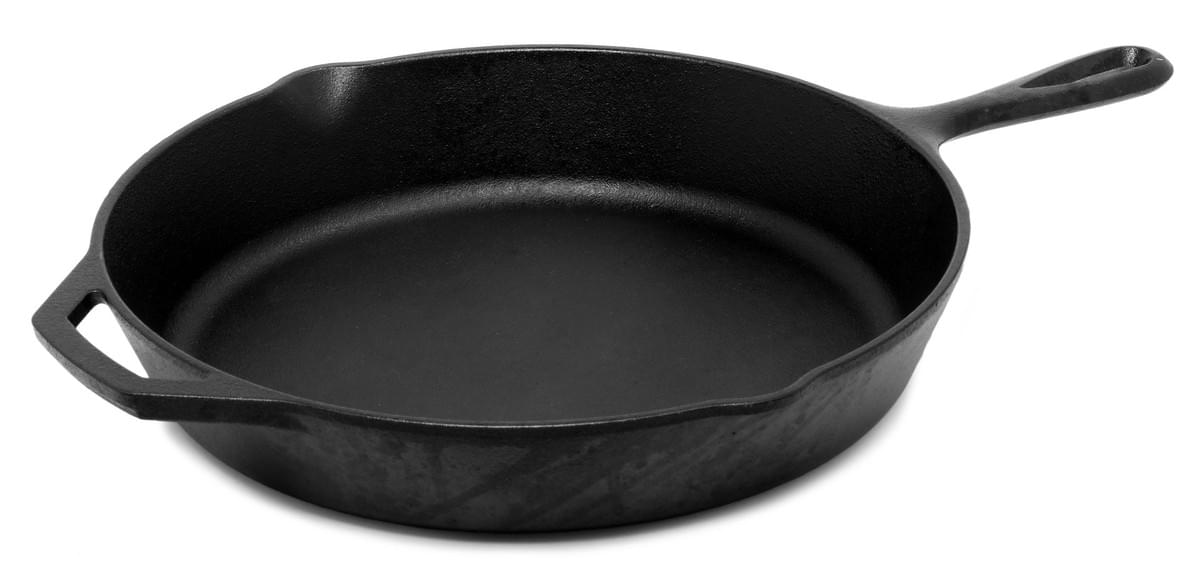
Navigating the world of Non-Stick Cookware Inspection can feel like walking a tightrope, especially with the complex web of international standards. To ensure your products meet safety and quality benchmarks, it's crucial to implement robust inspection protocols that align with ASTM-C-738, European Non Stick Cookware Inspection standards, and U.S. requirements. Staying proactive in understanding these standards helps prevent costly recalls and safeguards consumer trust.
When it comes to collaborating with certification and testing labs in China, choosing partners well-versed in Non-Stick Cookware Inspection is vital. These labs should be familiar with ASTM-C-738 testing procedures as well as compliance with California’s Proposition 65 regulations and Minnesota’s Statute 115A.9651, which have become pivotal in ensuring product safety before they hit store shelves. An experienced lab can identify potential issues early, saving time and money down the line.
Developing reliable supply chain inspection protocols involves establishing clear checkpoints throughout the manufacturing process. Regular inspections should include chemical safety testing aligned with United States Non Stick Cookware Inspection standards and European Quality Control Standards, ensuring coatings are free from lead or harmful substances per California’s Proposition 65 directives. Incorporating incoming material inspections based on these standards guarantees consistency across large production batches while reducing non-compliance risks.
Finally, staying updated with evolving regulations and standards is non-negotiable in today’s dynamic landscape. The regulatory environment for Non-Stick Cookware Inspection continuously shifts—what was acceptable yesterday might not pass muster tomorrow under new U.S., European, or Chinese guidelines. By maintaining ongoing communication with certification bodies specializing in ASTM-C-738 compliance as well as regional laws like Minnesota’s Statute 115A.9651 or California’s Proposition 65, importers can adapt swiftly to changes that impact their products’ legality and safety.
The Role of China Inspection Pro in Ensuring Compliance
China Inspection Pro plays a pivotal role in the landscape of Non-Stick Cookware Inspection, especially when navigating complex regulations such as ASTM-C-738, California’s Proposition 65, and Minnesota’s Statute 115A.9651. Their services ensure that Chinese manufacturers meet international standards for safety and quality, reducing the risk of non-compliance during import processes. With expertise in European Non Stick Cookware Inspection and Quality Control Standards as well as United States Non Stick Cookware Inspection standards, they help brands stay ahead of regulatory curves.
By leveraging comprehensive Non-Stick Cookware Inspection protocols aligned with ASTM-C-738 and regional regulations like California’s Proposition 65, China Inspection Pro ensures products are free from harmful chemicals and meet strict safety benchmarks. Their team conducts detailed chemical safety testing to verify compliance with these standards before products reach global markets. This proactive approach minimizes recalls or legal issues related to non-compliance with U.S. or European standards for non-stick coatings.
Furthermore, China Inspection Pro assists clients in translating inspection findings into actionable improvements that align with both local Chinese manufacturing practices and international expectations. Whether addressing surface coating flaws or mechanical defects identified during Non-Stick Cookware Inspection, their experts provide tailored recommendations for enhancing product quality across large batches. This continuous feedback loop helps manufacturers uphold high standards consistent with ASTM-C-738 and other relevant regulations like Minnesota’s Statute 115A.9651.
Navigating the intricate web of global regulatory landscapes can be daunting; however, China Inspection Pro simplifies this process by offering expert guidance on compliance strategies involving European Non Stick Cookware Inspection Standards or U.S.-specific protocols such as those mandated by California’s Proposition 65. Their seasoned inspectors understand the nuances of each regulation—be it chemical restrictions or labeling requirements—and ensure your products pass muster at every checkpoint for Non-Stick Cookware Inspection.