
Introduction
In the bustling world of commerce, packaging quality control is not just a box to check; it’s a crucial component that can make or break product success. With consumers becoming increasingly discerning, the importance of effective packaging inspection cannot be overstated. Ensuring that products are securely packaged and visually appealing is essential for maintaining brand integrity and customer satisfaction.
Importance of Packaging Quality Control
Packaging quality control serves as the frontline defense against defects that could tarnish a brand's reputation. It ensures that products are not only safe during transit but also arrive in pristine condition, ready to impress customers. In markets like China, where competition is fierce, implementing robust quality control measures can significantly enhance a company's standing and reliability.
The Role of Inspections in Product Success
Inspections play a pivotal role in ensuring that every package meets established standards before it leaves the facility. From shipment inspection to third party inspections in China, these evaluations help identify potential issues early on, saving time and resources down the line. By prioritizing inspections as part of their operational strategy, companies can boost their overall product success rates.
Key Benefits of Quality Assurance
Quality assurance offers numerous benefits beyond mere compliance; it fosters trust between manufacturers and consumers alike. Implementing thorough quality control practices—including technical audits—can lead to improved operational efficiency and reduced costs associated with returns or rework due to defects. Ultimately, investing in third party quality assurance not only enhances product credibility but also contributes to long-term business growth.
Understanding Packaging Inspection

In the world of product delivery, packaging inspection serves as a critical checkpoint ensuring that goods arrive in perfect condition. It encompasses various processes aimed at identifying defects and verifying compliance with standards, thus safeguarding both the product and the brand's reputation. Understanding what to inspect, recognizing common defects, and appreciating the significance of these inspections is vital for effective quality control in China.
What to Inspect in Packaging
When conducting packaging inspections, there are several key elements to focus on. First and foremost, examine the integrity of materials used—are they durable enough to protect the product during transit? Additionally, inspect labeling accuracy; incorrect labels can lead to confusion or miscommunication about the product inside. Finally, ensure compliance with industry standards and regulations; this is especially crucial for shipments involving third party inspection in China.
Common Packaging Defects
Common packaging defects can range from minor issues to significant flaws that jeopardize product safety. Among these are torn boxes, inadequate sealing, and improper labeling—all of which can lead to customer dissatisfaction or even regulatory penalties. Identifying these defects during shipment inspection helps prevent costly returns and enhances overall quality control in China.
Why Packaging Inspection Matters
The importance of packaging inspection cannot be overstated—it directly impacts customer satisfaction and brand loyalty. By ensuring products are well-packaged and free from defects, businesses can build trust with their customers while minimizing losses associated with damaged goods. Furthermore, engaging third party quality assurance services allows companies to gain an unbiased perspective on their packaging processes, ultimately driving continuous improvement through technical audits.
Essential Elements of a Quality Control Checklist
A well-crafted quality control checklist is the backbone of effective packaging inspection. It serves as a systematic guide to ensure that every aspect of the packaging meets established standards, ultimately safeguarding product integrity during shipment inspection. In this section, we’ll explore three essential elements that should never be overlooked: materials and durability, labeling accuracy, and compliance with standards.
Materials and Durability
When it comes to packaging inspection, the choice of materials is paramount. The durability of packaging materials directly impacts how well products withstand transportation and handling—especially in challenging environments like those often found in third party inspections in China. Using high-quality materials not only protects the product but also enhances customer satisfaction by ensuring that items arrive in perfect condition.
In addition to selecting appropriate materials, it's crucial to assess their durability through rigorous testing methods. This includes evaluating resistance to moisture, temperature fluctuations, and physical stress during shipment inspection processes. By prioritizing robust materials, companies can significantly reduce the likelihood of damages and returns, fostering trust with consumers.
Lastly, maintaining a consistent standard for material quality is essential for long-term success in quality control in China. Regular audits can help identify any deviations from material specifications before they escalate into larger issues. This proactive approach ensures that your packaging remains reliable throughout its lifecycle.
Labeling Accuracy
Labeling accuracy is another critical component of a comprehensive quality control checklist for packaging inspection. Accurate labels provide vital information about contents, usage instructions, and safety warnings—elements that are crucial for consumer safety and compliance with regulations during shipment inspections. Errors or omissions on labels can lead to misunderstandings or even legal repercussions.
To maintain labeling accuracy, companies should implement thorough verification processes as part of their third party quality assurance strategy. This might include cross-referencing labels against product specifications or utilizing automated systems designed to catch discrepancies before they reach consumers' hands. Ensuring that labels are clear and correct helps build brand credibility while minimizing potential liability issues.
Moreover, regular reviews of labeling practices through technical audits can uncover areas where improvements are needed or where new regulations may apply—especially relevant when sourcing products from international suppliers in China. By staying ahead of labeling requirements, businesses can enhance their overall product appeal while adhering to industry standards.
Compliance with Standards
Compliance with industry standards is non-negotiable when it comes to effective quality control in China—and it all starts with your checklist during packaging inspections. Whether you’re dealing with local regulations or international guidelines like ISO certifications, ensuring adherence protects your business from costly penalties and enhances customer trust in your brand's commitment to quality.
A solid understanding of applicable standards allows businesses to tailor their packaging processes accordingly; this includes everything from material selection to design considerations that meet regulatory criteria during shipment inspections. Moreover, engaging third party inspection services can provide an objective assessment of compliance status—helping identify gaps before they become problematic.
Finally, integrating findings from technical audits into daily operations fosters a culture of continuous improvement within your organization’s approach to compliance with standards in all aspects related to packaging inspection processes. By doing so, you not only safeguard your products but also position your company as an industry leader committed to excellence.
The Process of Shipment Inspection
When it comes to ensuring quality control in China, the process of shipment inspection is paramount. This critical step not only guarantees that products meet established standards but also minimizes the risk of defects slipping through the cracks. A thorough shipment inspection can save businesses from costly returns and dissatisfied customers, making it an essential part of effective quality assurance.
Steps in Conducting a Shipment Inspection
Conducting a successful shipment inspection involves several key steps that are crucial for maintaining packaging quality. First, it's essential to verify the quantity and condition of items before they leave the factory—this means checking for any visible damages or discrepancies in order quantities against purchase orders. Next, inspectors should assess packaging integrity by examining materials used, ensuring they meet durability standards to withstand transportation hazards.
Once these initial checks are complete, the focus shifts to detailed inspections of labeling accuracy and compliance with regulations. This includes verifying barcodes, product descriptions, and any necessary certifications that may be required by law or industry standards. Finally, it's important to document all findings meticulously; this documentation serves as a record for both suppliers and buyers and can be invaluable during future audits or potential disputes.
Tools for Effective Inspection
To conduct an effective shipment inspection, having the right tools at your disposal is crucial. Quality control professionals often use various instruments such as calipers for measuring dimensions accurately and scales for weighing products to ensure they match specifications. Additionally, visual aids like checklists can help inspectors systematically cover all aspects of packaging inspection without missing critical details.
Incorporating technology can further enhance efficiency; handheld scanners enable quick verification of barcodes while digital cameras allow for photographic evidence of any defects found during inspections. Furthermore, software solutions designed specifically for quality control in China can streamline data collection and reporting processes—making it easier to analyze trends over time and adjust practices accordingly.
How to Document Findings
Documenting findings from a shipment inspection is not just about recording what was inspected—it's about creating a clear narrative that highlights both successes and areas needing improvement. Each report should include specific details such as item descriptions, quantities inspected, observed defects (if any), and recommendations based on those findings. This level of detail ensures transparency between parties involved in third party quality assurance processes.
Moreover, using standardized forms or templates can greatly enhance clarity when sharing reports with stakeholders or suppliers engaged in source inspection in China. Including photographs alongside written notes provides visual evidence that supports claims made within the report—making it easier for all parties involved to understand issues at hand clearly.
Ultimately, thorough documentation fosters trust between businesses engaging third party inspections in China while promoting continuous improvement throughout the supply chain—a win-win situation!
Engaging Third Party Inspection in China
In the realm of packaging inspection, engaging third party inspection services in China can be a game changer for businesses looking to maintain high standards. These services provide an unbiased perspective on product quality, ensuring that shipments meet both local and international standards. By leveraging third party quality assurance, companies can streamline their operations and enhance customer satisfaction.
Advantages of Third Party Quality Assurance
One of the primary advantages of third party quality assurance is the objectivity it brings to packaging inspection processes. Unlike internal teams, third party inspectors are not influenced by company biases and can provide honest assessments regarding product quality. Additionally, these experts often have extensive experience navigating the complexities of shipment inspection in China, making them invaluable partners for businesses aiming to mitigate risks and avoid costly errors.
Another significant benefit is that third party inspections help build trust with customers and stakeholders. When products are verified by an independent entity, it instills confidence in the brand’s commitment to quality control in China. This transparency not only enhances brand reputation but also fosters long-term relationships with clients who prioritize reliability.
Lastly, utilizing third party inspections allows companies to focus on their core competencies while leaving the intricacies of technical audits and compliance checks to professionals. This delegation not only saves time but also ensures that all aspects of packaging inspection adhere to industry standards without diverting resources from other critical business functions.
Selecting the Right Inspection Partner
Choosing the right partner for your third party inspection needs in China requires careful consideration and research. Start by assessing potential partners based on their experience in your specific industry; this ensures they understand unique challenges related to packaging inspection relevant to your products. Look for certifications or affiliations with recognized bodies that validate their credibility and expertise in conducting thorough shipment inspections.
Another crucial factor is communication; your chosen partner should exhibit clear communication skills, ensuring that you stay informed throughout the entire process. Establishing a rapport will facilitate better collaboration when addressing any issues uncovered during inspections or technical audits. Don’t hesitate to ask for references or case studies showcasing their previous successes—this will give you insight into how effectively they handle various challenges within quality control in China.
Finally, consider scalability when selecting an inspection partner; as your business grows, so too will your packaging needs. Ensure that your chosen provider can adapt their services accordingly—whether through increased frequency of inspections or expanded geographic coverage—to support your evolving requirements seamlessly.
Navigating Challenges with Third Party Inspections
While engaging a third party inspection service offers numerous benefits, there are challenges businesses must navigate along the way—especially when dealing with shipment inspections in China. One common issue is cultural differences which may affect communication styles or expectations between foreign companies and local inspectors; bridging this gap is essential for effective collaboration during packaging inspections.
Moreover, varying regulations across different regions can complicate compliance efforts during technical audits or inspections; therefore, staying updated on local laws is crucial for successful partnerships with third-party providers. Companies must also be prepared for potential delays due to logistical hurdles or unforeseen circumstances affecting shipment schedules—a proactive approach includes building buffer time into supply chain plans whenever possible.
Lastly, establishing clear criteria for success before engaging a third-party inspector will help manage expectations throughout each phase of collaboration effectively—this clarity reduces misunderstandings while enhancing overall satisfaction with the results achieved through thorough packaging inspection processes.
Technical Audits and Their Importance
In the realm of quality control, technical audits are pivotal in ensuring that packaging processes meet established standards and requirements. These systematic evaluations help businesses identify weaknesses in their operations, particularly concerning packaging inspection and shipment inspection. By embracing technical audits, companies can fortify their quality assurance practices and enhance overall product reliability.
What is a Technical Audit?
A technical audit is a comprehensive assessment that evaluates the effectiveness of a company's quality control measures, particularly in packaging processes. This process often involves scrutinizing everything from materials used to compliance with industry regulations, especially when dealing with third party inspection in China. The goal is to ensure that all aspects of production align with best practices, ultimately leading to improved product quality and customer satisfaction.
How Audits Improve Quality Control
Audits serve as a critical tool for enhancing quality control in China by pinpointing areas for improvement within packaging operations. They provide an objective perspective on existing processes, revealing potential defects or inefficiencies that may not be evident during routine inspections. By addressing these issues through third party quality assurance measures, companies can significantly reduce the likelihood of defects reaching consumers and improve their overall market reputation.
Implementing Recommendations from Audits
Once a technical audit has been conducted, the real work begins: implementing its recommendations effectively. This may involve revising standard operating procedures or investing in better materials for packaging inspection to prevent future issues during shipment inspection. Continuous improvement is key; by regularly integrating audit findings into operational strategies, organizations can cultivate an environment where quality control thrives and customer trust flourishes.
Conclusion
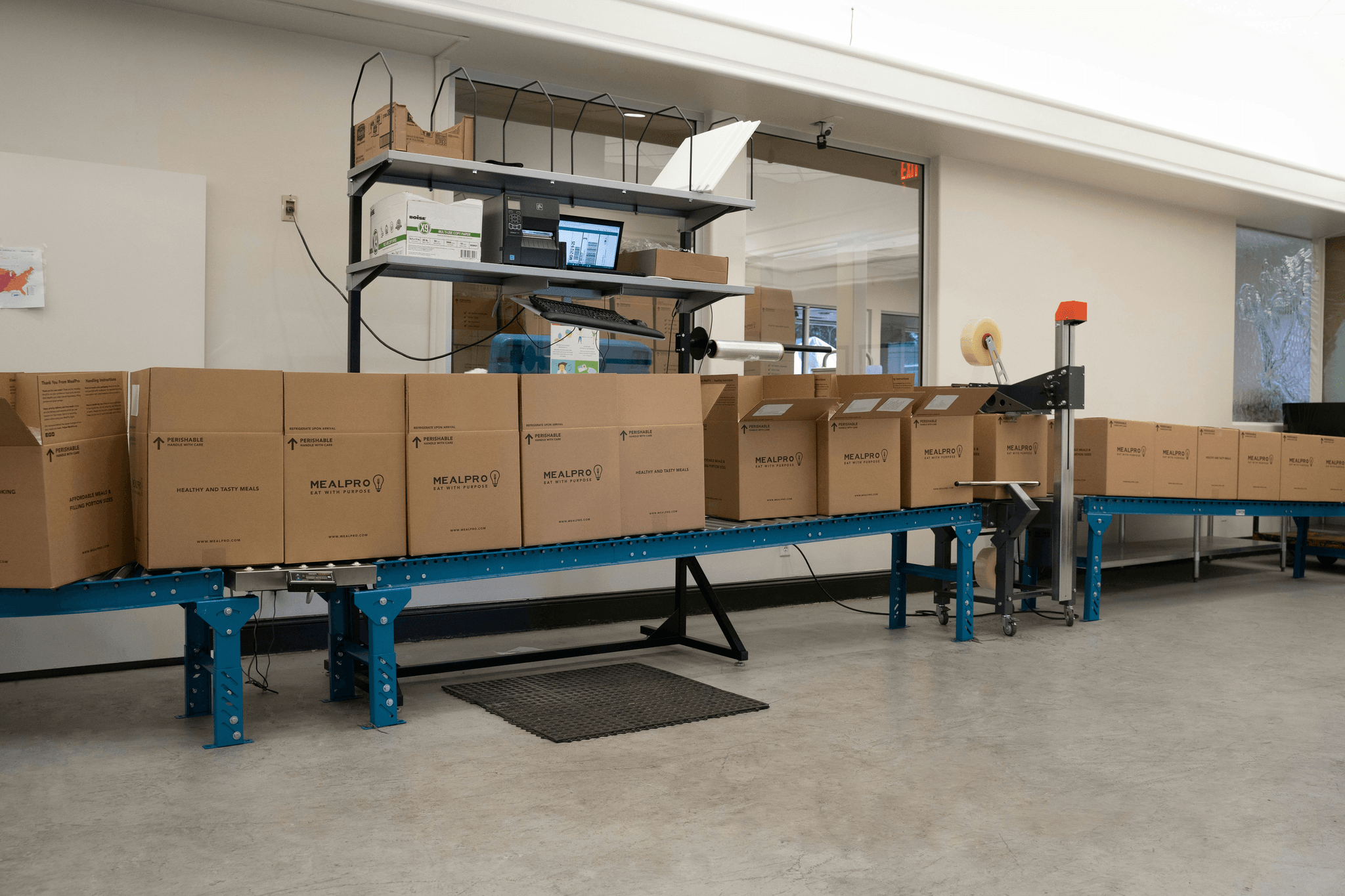
In the fast-paced world of commerce, ensuring product quality through effective inspections is not just a luxury—it's a necessity. By prioritizing packaging inspection, businesses can significantly enhance their product quality, leading to higher customer satisfaction and reduced returns. A robust quality control process serves as the backbone of successful shipments and fosters long-term relationships with consumers.
Enhancing Product Quality with Inspections
Packaging inspection plays a crucial role in maintaining high product standards. Through meticulous examination of materials, durability, and labeling accuracy, businesses can catch defects before they reach consumers. This proactive approach not only safeguards brand reputation but also minimizes costly shipment issues that could arise from poor-quality packaging.
Building Trust with Third Party Quality Assurance
Engaging in third party quality assurance is essential for building trust in the marketplace, especially when sourcing products from regions like China. Third party inspections offer an unbiased perspective on product quality and compliance with international standards, which reassures customers about their purchases. By collaborating with reputable inspection partners in China, companies can enhance their credibility and ensure that their products meet all necessary specifications.
Continuous Improvement in Packaging Quality Control
Quality control in China is an ongoing journey rather than a one-time task; it requires constant vigilance and adaptation to new challenges. Technical audits provide valuable insights into existing processes and highlight areas for improvement within packaging practices. By implementing recommendations from these audits and continuously refining inspection protocols—including source inspection in China—businesses can elevate their quality control measures to new heights.