
Introduction
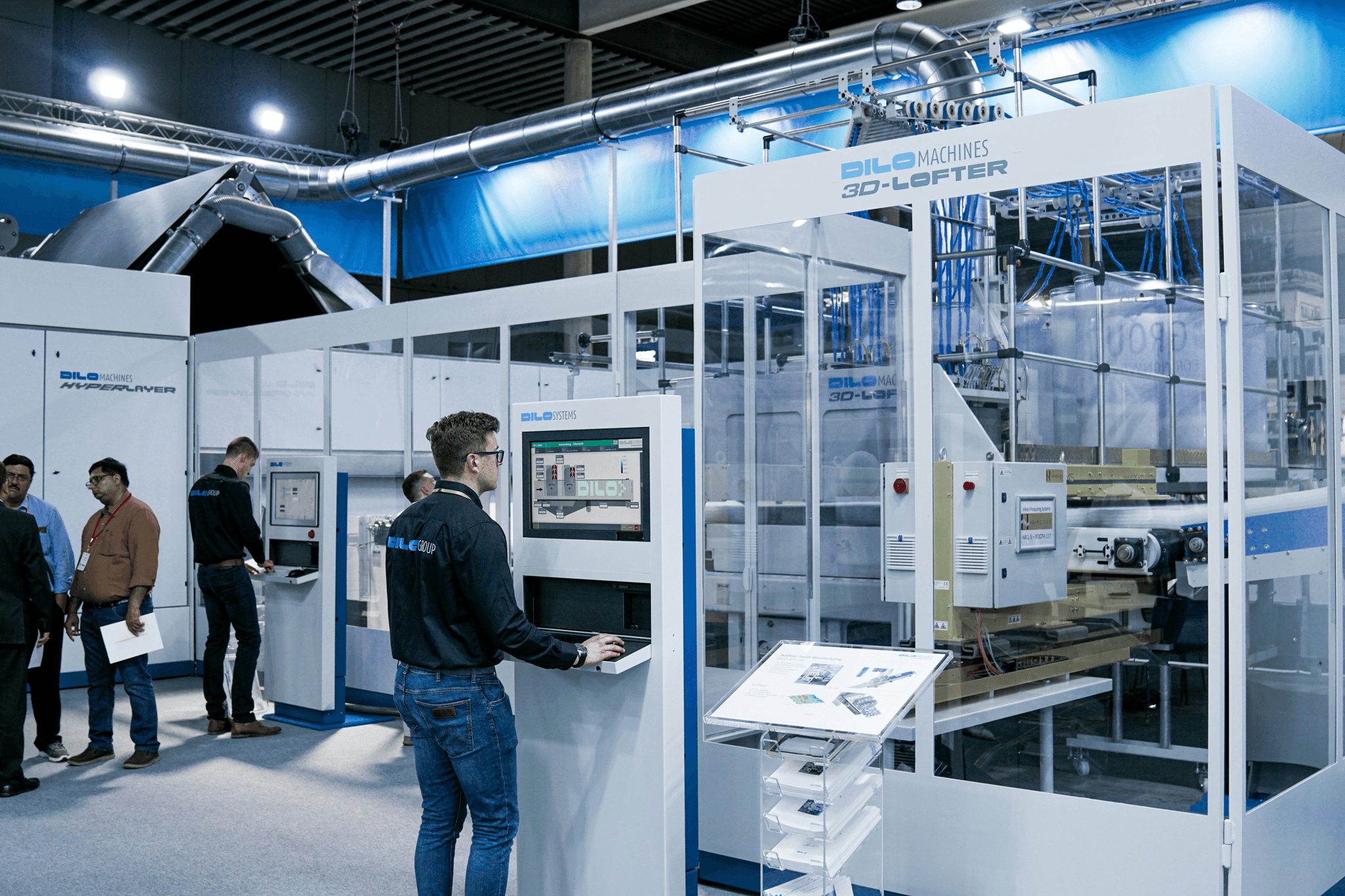
In the fast-paced world of manufacturing, understanding production monitoring is essential for staying competitive and efficient. Production Monitoring (PM) for Production Status Control is a critical aspect that allows manufacturers to keep an eye on their operations in real-time, ensuring everything runs smoothly. With the right tools and strategies, PM can transform how businesses approach efficiency and quality.
Understanding Production Monitoring Basics
At its core, production monitoring involves tracking various metrics related to manufacturing processes to ensure optimal performance. This includes everything from machine uptime and output rates to quality control measures. By grasping the fundamentals of what is production monitoring, companies can better appreciate its role in enhancing operational effectiveness.
The Importance of Production Status Control
Production status control is vital for identifying bottlenecks and inefficiencies before they escalate into significant issues. By continuously monitoring production processes, businesses can make informed decisions that lead to timely interventions, ultimately saving both time and resources. When manufacturers prioritize effective production status control through PM, they position themselves for sustained success in a competitive landscape.
How Production Monitoring Drives Efficiency
The efficiency gained from implementing robust production monitoring systems cannot be overstated; it’s like having a GPS for your manufacturing journey. With real-time data at their fingertips, managers can pinpoint areas needing improvement and optimize workflows accordingly. Ultimately, effective PM not only boosts productivity but also enhances product quality—making it a win-win for manufacturers looking to thrive.
What Is Production Monitoring?
In today's fast-paced manufacturing environment, understanding what production monitoring entails is crucial for maintaining an edge in efficiency and quality control. Production monitoring (PM) refers to the systematic tracking of various aspects of the manufacturing process, ensuring that everything runs smoothly and efficiently. By leveraging real-time data, manufacturers can make informed decisions that directly impact productivity and profitability.
Definition and Key Concepts
At its core, production monitoring involves collecting data on various production parameters, such as output rates, machine performance, and operational delays. The key concepts surrounding PM include real-time data collection, analytics for decision-making, and integration with existing systems to provide a comprehensive view of operations. By understanding these foundational elements, companies can implement effective strategies for production status control that enhance overall performance.
Tools and Technologies Used
Production monitoring employs a range of tools and technologies designed to facilitate efficient tracking and analysis of manufacturing processes. Commonly used systems include Manufacturing Execution Systems (MES), Internet of Things (IoT) devices, and advanced analytics software that can process vast amounts of data in real-time. With these technologies at their disposal, manufacturers can gain insights into every aspect of their operations—from inventory levels to equipment health—ultimately driving better results.
Benefits for Manufacturers
The benefits of implementing production monitoring are manifold; it not only improves operational efficiency but also enhances product quality by enabling timely interventions when issues arise. By utilizing PM for production status control, manufacturers can minimize downtime and reduce waste while ensuring compliance with industry standards. Ultimately, embracing effective production monitoring translates into higher profitability and a stronger competitive position in the marketplace.
The Role of Production Status Control
In the world of manufacturing, Production Monitoring (PM) plays a pivotal role in ensuring that operations run smoothly and efficiently. By leveraging real-time data, companies can gain insights into their production processes that were previously difficult to attain. This shift towards data-driven decision-making is transforming how manufacturers approach production status control.
Monitoring Live Data for Better Insights
One of the primary advantages of production monitoring is its ability to provide live data feeds that offer immediate insights into manufacturing processes. This real-time information allows managers to identify bottlenecks, track machine performance, and monitor overall productivity levels with unprecedented accuracy. With Production Monitoring (PM) for Production Status Control, businesses can make informed adjustments on the fly, enhancing operational efficiency and minimizing downtime.
The continuous flow of live data not only empowers teams but also fosters a culture of accountability within organizations. When employees have access to up-to-the-minute information about their tasks and responsibilities, they are more likely to take ownership of their work and strive for excellence. Furthermore, this transparency helps in pinpointing areas that require improvement, leading to better resource allocation and strategic planning.
Streamlining Operations with Real-Time Updates
Real-time updates are essential for streamlining operations in any manufacturing environment. With effective production monitoring systems in place, businesses can automate notifications regarding equipment status or workflow changes instantly. This capability ensures that all team members are on the same page and can respond promptly to any issues that arise.
Moreover, having access to live updates allows companies to optimize their supply chain management by keeping track of inventory levels and material availability in real time. Such agility not only enhances productivity but also reduces waste—both time and resources—by preventing overproduction or stockouts. In essence, PM equips manufacturers with the tools they need to create a more responsive and efficient operational framework.
How PM Enhances Decision-Making
Production Monitoring (PM) significantly enhances decision-making by providing actionable insights derived from accurate data analysis. When managers have comprehensive visibility into production metrics—such as output rates or defect counts—they can make strategic choices based on solid evidence rather than gut feelings or assumptions. This data-driven approach leads to better forecasting, resource allocation, and overall business performance.
Additionally, PM facilitates collaboration across departments by breaking down silos that often hinder effective communication in traditional manufacturing settings. By sharing relevant data among teams—from engineering to quality assurance—companies can ensure alignment on goals and objectives while swiftly addressing challenges as they arise. Ultimately, integrating PM into decision-making processes fosters a proactive culture where continuous improvement becomes part of the organizational DNA.
Implementing Production Monitoring Systems

Implementing an effective production monitoring system is essential for any manufacturer looking to optimize their operations. This process involves careful planning, resource allocation, and ongoing assessment to ensure that the system meets the unique needs of the production environment. With a structured approach, businesses can harness the power of Production Monitoring (PM) for Production Status Control to drive efficiency and quality.
Step-by-Step Guide for Implementation
To embark on your journey toward effective production monitoring, start by defining your goals clearly. What specific metrics do you want to track? Establishing these objectives will guide your selection of tools and technologies tailored for your unique requirements in production monitoring.
Next, assess the existing infrastructure and determine what upgrades or integrations are necessary. This may involve choosing software solutions that complement current processes or investing in new hardware that supports real-time data collection. Once you have your tools in place, train your team thoroughly; they need to understand how to utilize these systems effectively for maximum impact.
Finally, initiate a pilot program where you can test the production monitoring system on a smaller scale before full deployment. Collect feedback from users during this phase and make necessary adjustments based on their experiences. By taking these steps systematically, you can ensure a smoother transition into comprehensive PM practices.
Common Challenges and Solutions
While implementing production monitoring systems can yield significant benefits, it’s not without its challenges. One common hurdle is resistance to change from employees who may be accustomed to traditional methods of operation. To combat this resistance, foster an inclusive culture by involving team members in the decision-making process and offering incentives for embracing new technologies.
Another challenge often encountered is data overload; with so much information available through PM systems, it can be overwhelming for teams to sift through it all effectively. To address this issue, focus on customizing dashboards that highlight only the most relevant metrics needed for decision-making at various levels within the organization.
Lastly, integration issues with existing software systems can arise when implementing new PM solutions. Ensure compatibility by conducting thorough research beforehand and consider hiring external consultants if necessary to streamline this process seamlessly.
Case Study: Success with Production Monitoring
Consider Company X—a mid-sized manufacturer that faced inefficiencies due to outdated tracking methods before adopting a robust production monitoring system. Initially skeptical about transitioning towards PM practices, management decided to implement a tailored solution focused on real-time data analytics and employee training programs designed around best practices in production status control.
Within six months of implementation, Company X saw a remarkable 30% increase in productivity alongside decreased waste levels due to enhanced visibility into their operations through effective monitoring techniques. The employees quickly adapted as they recognized how PM could simplify their tasks while providing valuable insights into performance trends over time.
This case exemplifies not just how implementing production monitoring can transform operations but also highlights its potential as an indispensable tool for manufacturers aiming towards sustained growth and success in today’s competitive landscape.
Quality Assurance Through Effective Monitoring
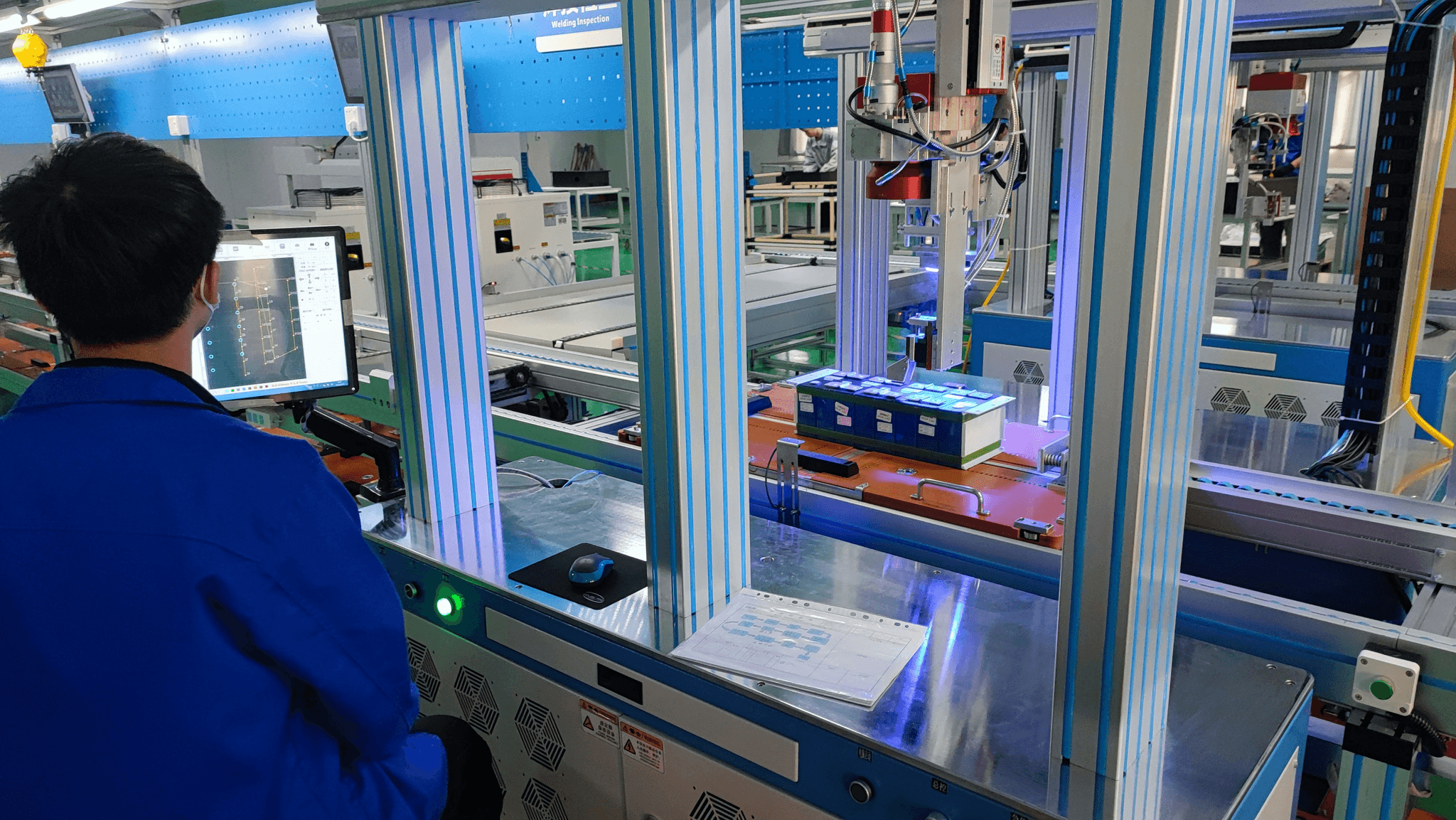
In the realm of manufacturing, quality assurance is paramount, and effective production monitoring plays a crucial role in achieving high standards. By leveraging tools and technologies that facilitate real-time insights, manufacturers can ensure not only compliance with industry regulations but also enhance product quality. The integration of production monitoring systems allows for a proactive approach to identifying potential issues before they escalate into costly problems.
The Role of China Inspection Pro
China Inspection Pro is a pivotal player in the landscape of production monitoring, offering specialized services designed to uphold quality standards throughout the manufacturing process. This platform provides comprehensive inspection solutions that ensure products meet both local and international guidelines. By incorporating China Inspection Pro into their production monitoring strategy, manufacturers can gain invaluable insights that bolster their overall quality assurance efforts.
Moreover, China Inspection Pro empowers businesses by providing detailed reports and actionable feedback that can be integrated into their existing production monitoring systems. This synergy not only enhances compliance but also fosters continuous improvement across all levels of production status control. Ultimately, this collaboration promotes a culture of quality within organizations striving for excellence.
Ensuring Compliance with Industry Standards
Ensuring compliance with industry standards is no small feat; it requires diligent oversight and robust production monitoring practices. Manufacturers must navigate a complex landscape of regulations while maintaining high-quality outputs—this is where effective PM comes into play. By systematically tracking performance metrics and adhering to established benchmarks, companies can identify areas needing attention before they become compliance issues.
Production monitoring facilitates real-time data collection that aids manufacturers in aligning their processes with industry requirements. This proactive stance not only mitigates risks associated with non-compliance but also builds trust among clients and stakeholders who demand transparency in operations. As manufacturers embrace these best practices, they set themselves apart as leaders in quality assurance.
Turning Data into Quality Improvements
Data is often referred to as the new oil—a valuable resource that fuels decision-making processes when it comes to quality improvements in manufacturing environments. With effective production monitoring systems in place, companies can transform raw data into actionable insights that drive enhancements in product quality and operational efficiency. The key lies in analyzing trends over time to identify patterns that may indicate underlying issues or opportunities for innovation.
By leveraging advanced analytics within their PM frameworks, manufacturers can pinpoint specific areas where adjustments are needed—be it machinery performance or workforce productivity—and implement targeted strategies for improvement. This iterative process not only enhances product outcomes but also cultivates an environment where continuous learning thrives among employees at all levels of the organization. In essence, turning data into tangible improvements becomes an ongoing journey rather than a one-time initiative.
Future Trends in Production Monitoring
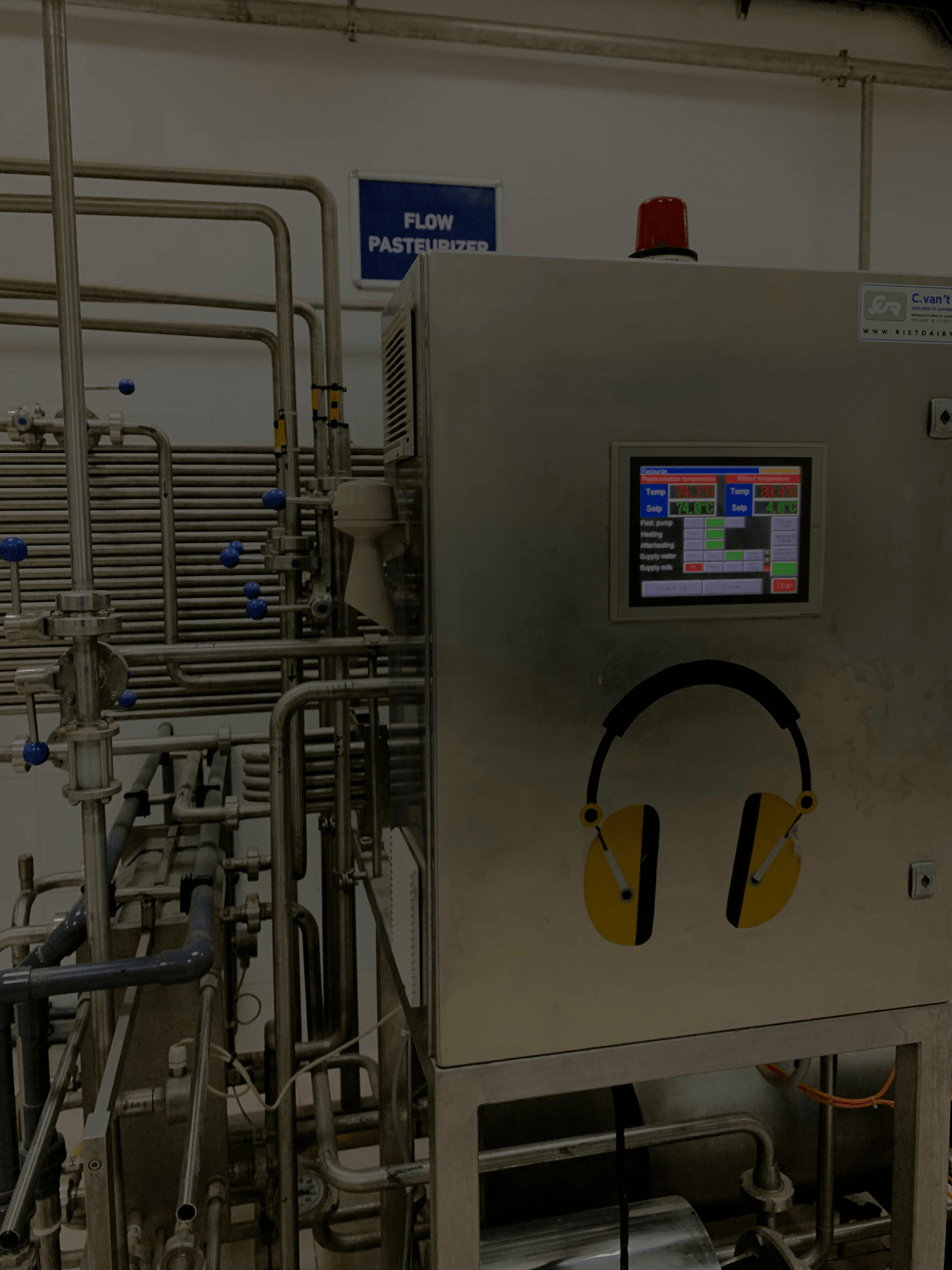
The landscape of production monitoring is rapidly evolving, driven by technological advancements and a growing need for efficiency in manufacturing processes. As industries adapt to changing demands, innovative solutions are emerging that redefine what production monitoring can achieve. The future promises not only enhanced capabilities but also a more integrated approach to Production Monitoring (PM) for Production Status Control.
Innovations Shaping the Industry
Innovations in production monitoring are reshaping how manufacturers operate, making processes more transparent and efficient. Technologies like IoT (Internet of Things) sensors provide real-time data that enhances visibility across the supply chain, allowing companies to respond swiftly to changes. Additionally, cloud-based platforms are enabling seamless collaboration and data sharing among teams, ensuring that everyone is on the same page regarding production status.
Moreover, advancements in data analytics are transforming raw data into actionable insights, allowing manufacturers to optimize their operations continuously. Predictive analytics can forecast potential issues before they arise, enabling proactive measures that save time and resources. These innovations not only improve productivity but also foster a culture of continuous improvement within organizations.
The Impact of AI and Automation
Artificial Intelligence (AI) and automation are at the forefront of revolutionizing production monitoring practices. By integrating AI algorithms into PM systems, manufacturers can analyze vast amounts of data quickly and accurately, identifying trends that might go unnoticed by human operators. This capability enhances decision-making processes significantly—allowing for adjustments in real-time based on live feedback from the production floor.
Automation also plays a critical role in streamlining operations; tasks that once required manual intervention can now be performed with precision by machines equipped with advanced sensors and AI capabilities. This shift not only reduces labor costs but also minimizes human error—leading to higher quality outputs and improved compliance with industry standards. As AI continues to evolve, its role within production monitoring will only expand further.
Preparing for Tomorrow's Challenges
To stay ahead in an increasingly competitive landscape, manufacturers must proactively prepare for tomorrow's challenges related to production monitoring. This involves investing in training programs that equip employees with the skills needed to leverage new technologies effectively—ensuring they can make informed decisions based on accurate data insights from PM systems.
Additionally, companies should remain agile by adopting flexible strategies that allow them to pivot quickly as market demands change or as new technologies emerge within the realm of production monitoring. Collaborating with technology partners who specialize in cutting-edge solutions can provide a significant advantage—keeping businesses at the forefront of innovation while addressing any potential knowledge gaps internally.
In conclusion, embracing these future trends will empower manufacturers not just to adapt but thrive amid ongoing changes in the industry landscape.
Conclusion
In wrapping up our exploration of production monitoring, it's clear that this practice is more than just a trend; it’s a necessity for modern manufacturers. The insights gained from effective Production Monitoring (PM) for Production Status Control can lead to significant operational improvements and cost savings. By harnessing the right tools and technologies, manufacturers can not only enhance efficiency but also ensure quality and compliance.
Key Takeaways on Production Monitoring
First and foremost, understanding what production monitoring entails is vital for any manufacturer looking to thrive in today’s competitive landscape. It involves real-time tracking of production processes, which allows businesses to make informed decisions swiftly. Moreover, the benefits of implementing PM are manifold—from optimizing resource allocation to enhancing overall productivity.
Another crucial takeaway is that production monitoring isn’t merely about collecting data; it’s about transforming that data into actionable insights. By focusing on continuous improvement through PM, manufacturers can adapt quickly to changes in demand or operational hiccups. Ultimately, effective production monitoring serves as the backbone of a resilient manufacturing strategy.
How to Leverage PM for Success
To leverage Production Monitoring effectively, organizations must first invest in the right tools and technologies tailored to their specific needs. This means choosing systems that provide real-time updates and comprehensive analytics capabilities—essential features for effective Production Status Control. Additionally, fostering a culture of data-driven decision-making within teams will ensure that insights gleaned from PM are utilized effectively.
Collaboration across departments is also key; when everyone from the shop floor to upper management understands how PM works and its importance, success follows more naturally. Training staff on these systems ensures that they can fully exploit their potential—after all, even the best technology is only as good as its users!
Next Steps for Implementing Your Strategy
As you consider implementing your own production monitoring strategy, start by conducting an assessment of your current systems and processes. Identify gaps where PM could enhance efficiency or quality—this will give you a clear direction moving forward. Once you've mapped out your objectives, begin with pilot projects before rolling out full-scale implementation; this helps mitigate risks while allowing you to refine your approach based on real-world feedback.
Furthermore, don’t forget about ongoing evaluation; regularly revisit your production monitoring systems to adapt them as needed based on industry trends or technological advancements. Staying ahead requires agility—embracing innovations such as AI can further streamline operations and improve decision-making capabilities in ways previously thought impossible.