
Introduction
In the world of manufacturing, ensuring a safe working environment is not just a legal obligation but a cornerstone of operational excellence. A Safety Audit in Manufacturing serves as an essential tool for evaluating and enhancing workplace safety protocols. By systematically assessing compliance with safety standards, these audits help identify areas for improvement and mitigate risks.
What is a Safety Audit in Manufacturing?
A Safety Audit in Manufacturing is a comprehensive evaluation of safety practices and procedures within a facility. Unlike routine safety inspections that focus on immediate hazards, safety audits delve deeper into organizational policies, employee training, and overall culture regarding safety. This proactive approach aims to uncover underlying issues that may contribute to unsafe conditions or practices.
Overview of Safety Audit Process
The process of conducting a Safety Audit typically involves several key steps: preparation, inspection, documentation, and reporting. Initially, auditors prepare by reviewing existing policies and gathering relevant data to inform their assessments. Following this groundwork, they perform detailed inspections across various departments to evaluate compliance with established safety standards.
Importance of Safety Audits for Businesses
Understanding How Do Safety Audits Impact Manufacturing Operations is crucial for any business aiming to thrive in today's competitive landscape. These audits not only enhance workplace safety culture but also reduce operational risks and liabilities that can arise from accidents or non-compliance. Furthermore, organizations that prioritize regular audits often experience improved productivity as employees work in safer environments free from unnecessary distractions or hazards.
Definition of Safety Audit
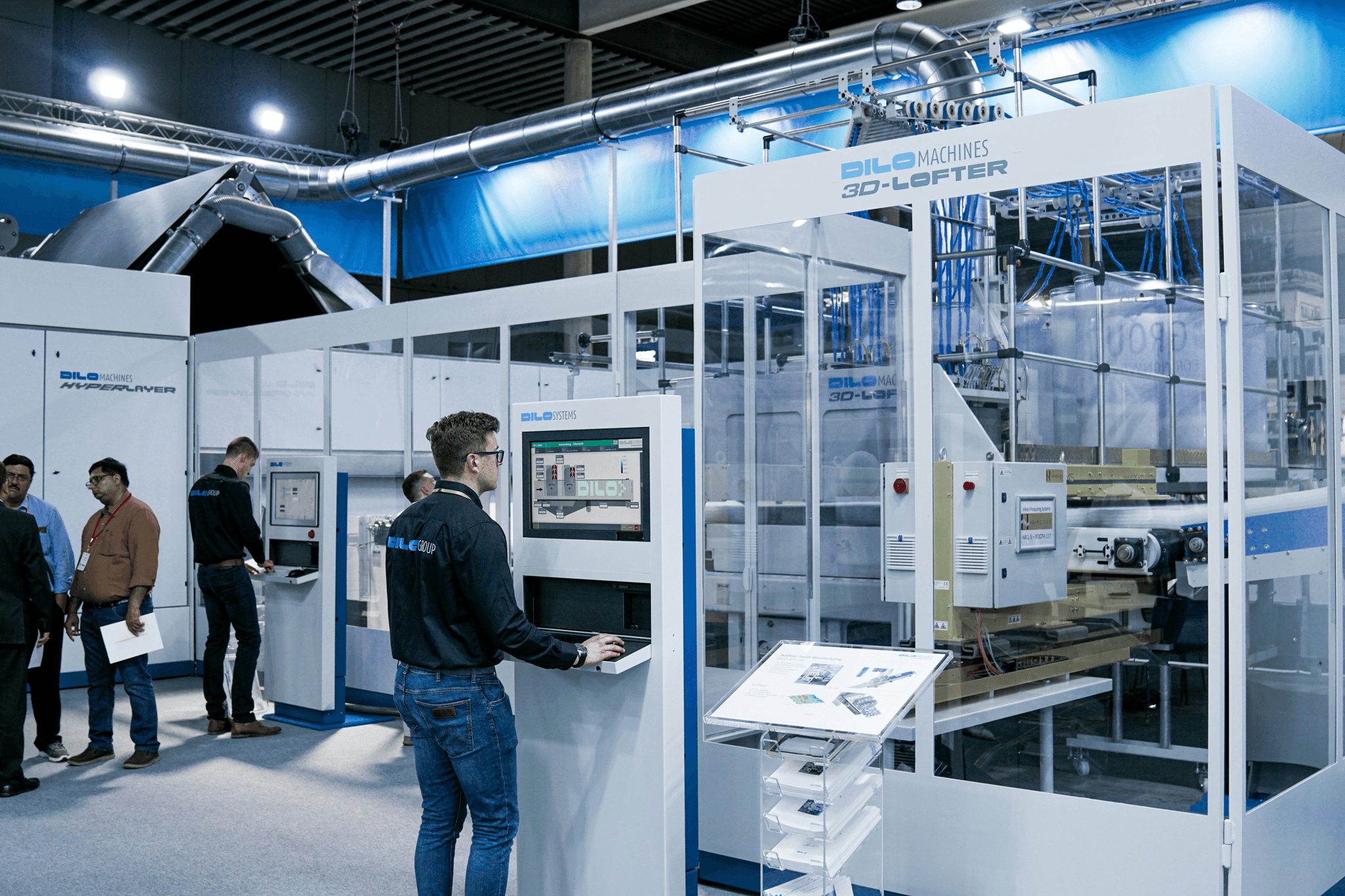
Understanding what a safety audit in manufacturing entails is crucial for any organization aiming to enhance its operational efficiency and workplace safety. A safety audit serves as a systematic evaluation of a facility’s safety protocols, identifying strengths and weaknesses in current practices. This process not only helps in compliance with regulations but also contributes significantly to the overall improvement of manufacturing operations.
Understanding Safety Audit Objectives
The primary objective of a safety audit is to assess how effectively a company implements its safety policies and procedures. This involves evaluating compliance with regulatory standards, identifying potential hazards, and recommending improvements to enhance workplace safety culture. By understanding these objectives, businesses can better appreciate how do safety audits impact manufacturing operations, ultimately leading to safer environments for employees.
Differences from Safety Inspections
How do safety audits differ from safety inspections? While both processes aim to ensure workplace safety, they serve different purposes and have distinct methodologies. Safety inspections are typically more focused on immediate hazard identification and correction within specific areas or tasks, whereas a comprehensive safety audit evaluates the entire system over time, analyzing policies and practices for long-term effectiveness.
Core Elements of a Safety Audit
What are the core elements of a manufacturing safety audit? A thorough audit typically includes several key components: documentation review, interviews with personnel, direct observations of work practices, and an assessment of emergency preparedness measures. Each element plays an essential role in creating an effective report that outlines findings and recommendations—what does a safety audit report include? It usually contains detailed observations regarding compliance levels, identified risks, suggested corrective actions, and follow-up plans for continuous improvement.
Types of Safety Audits in Manufacturing

When it comes to ensuring a safe working environment, understanding the different types of safety audits in manufacturing is crucial. Each type serves distinct purposes and can significantly impact overall operations. By knowing how these audits function, businesses can better align their safety strategies with their operational goals.
Compliance Audits vs. Management System Audits
Compliance audits focus on verifying adherence to regulatory standards and industry guidelines, ensuring that a manufacturing facility meets legal safety requirements. These audits are essential for answering the question: How do safety audits benefit businesses? By maintaining compliance, companies avoid costly penalties and enhance their reputation among stakeholders.
On the other hand, management system audits evaluate the effectiveness of a company's internal safety management practices. They assess whether established protocols are being followed and if they align with organizational goals for workplace safety. Understanding how do safety audits differ from safety inspections is key here; while inspections may check specific conditions or equipment, management system audits look at broader operational processes.
Both compliance and management system audits contribute to the core elements of a manufacturing safety audit by providing comprehensive insights into both regulatory adherence and internal practices. Together, they help create an environment where continuous improvement is not just encouraged but expected.
Operational Audits and Program Audits
Operational audits delve deeper into day-to-day operations to identify potential hazards that could affect employee safety or production efficiency. This type of audit answers the question: How to conduct a safety audit in a manufacturing facility? It involves examining workflows, machinery use, and employee behavior to pinpoint any risks that could lead to accidents or disruptions.
Program audits evaluate specific health and safety programs implemented within the organization, such as training initiatives or emergency response protocols. These assessments ensure that such programs are not only in place but also effective in promoting workplace safety culture among employees. When conducted regularly, these program evaluations highlight areas for improvement while reinforcing best practices.
Both operational and program audits play pivotal roles in answering how do safety audits impact manufacturing operations? By identifying inefficiencies or gaps in training programs, organizations can take proactive measures that enhance productivity while minimizing risks associated with workplace incidents.
External vs. Internal Audits
External audits are conducted by third-party agencies or consultants who provide an unbiased evaluation of a company's adherence to industry standards and regulations related to workplace health and safety. The insights gained from these external assessments can be invaluable for understanding how do safety audits benefit businesses by offering fresh perspectives on existing practices.
Conversely, internal audits are carried out by employees within the organization who assess compliance with internal policies as well as regulatory requirements. These reviews foster accountability among staff members since they often involve cross-departmental collaboration aimed at enhancing overall workplace conditions—thus contributing directly to improving organizational culture around health and safety.
Ultimately, both external and internal auditing processes serve as critical components of what does a safety audit report include? These reports compile findings from various types of assessments—whether focusing on compliance issues or evaluating specific programs—into actionable recommendations for continuous improvement across all levels of manufacturing operations.
Steps to Conduct a Safety Audit
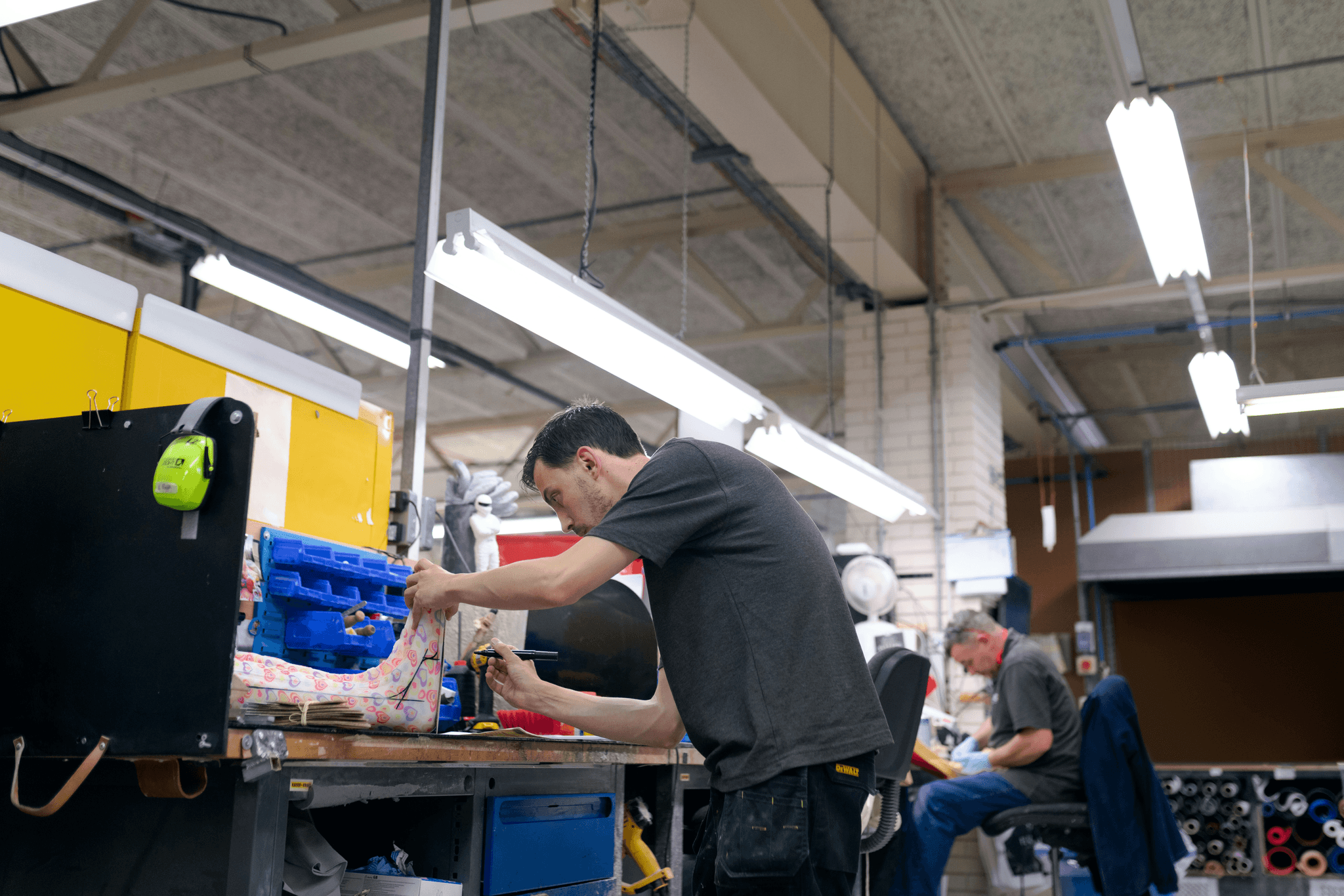
Conducting a Safety Audit in Manufacturing is no small feat, but breaking it down into manageable steps can make the process smoother and more effective. This section outlines essential actions for preparing, performing, and documenting a safety audit, ensuring that businesses can reap the full benefits of this critical evaluation tool. By understanding how to conduct a safety audit in a manufacturing facility, organizations can enhance their operational efficiency and safety standards.
Preparing for the Safety Audit
Preparation is key when it comes to executing a successful Safety Audit in Manufacturing. Start by assembling an audit team that includes individuals familiar with both safety regulations and operational processes; this blend of expertise will provide valuable insights during the audit. Additionally, gather all necessary documentation such as previous audit reports, safety policies, and training records—these serve as foundational elements that help identify what needs attention before the actual inspection begins.
Next, set clear objectives for the audit based on what you aim to achieve; whether it's compliance verification or identifying areas for improvement, knowing your goals will guide your focus during inspections. It’s also wise to notify employees about the upcoming audit while emphasizing its purpose: enhancing workplace safety culture rather than playing “gotcha.” This openness fosters cooperation and sets a positive tone for everyone involved.
Finally, develop an audit checklist that outlines specific criteria you’ll evaluate during inspections—this checklist should reflect core elements of a manufacturing safety audit like hazard identification procedures and employee training practices. Having this structured approach ensures that no stone is left unturned when assessing compliance with health and safety standards.
Performing the Audit Inspections
Once preparation is complete, it's time to dive into performing the actual audits—a phase where keen observation meets thorough analysis. During this stage of the Safety Audit in Manufacturing process, auditors systematically inspect facilities against established checklists while engaging with employees about their experiences regarding workplace hazards. This interaction not only gathers firsthand information but also reinforces employee involvement in maintaining a safe environment.
As auditors conduct inspections, they should be on high alert for any discrepancies between observed practices and documented policies; these differences often highlight areas needing immediate attention or improvement strategies. Furthermore, auditors must assess how well existing controls are functioning—are emergency exits clearly marked? Are personal protective equipment (PPE) protocols being followed? These observations paint an accurate picture of current operations.
Importantly, remember that audits are not just about finding faults—they're opportunities to celebrate successes too! Recognizing good practices during inspections can boost morale among staff while reinforcing positive behaviors related to workplace safety culture.
Documenting Findings and Reporting
After completing inspections comes one of the most crucial steps: documenting findings and reporting them effectively. A comprehensive report detailing observations from your Safety Audit in Manufacturing should include both strengths identified within operations as well as areas requiring corrective action or further investigation—this balanced approach ensures stakeholders receive clear insights into overall performance levels.
When compiling your report, ensure it answers critical questions: What does a Safety Audit report include? Typically it covers findings categorized by severity level along with recommendations tailored towards enhancing compliance or improving operational efficacy based on those findings. Clear visual aids like graphs or charts can enhance understanding while providing tangible evidence supporting proposed changes.
Finally—and perhaps most importantly—distribute your findings to all relevant stakeholders promptly so they can act on recommendations without delay! Engaging leadership early helps secure buy-in for necessary changes while fostering accountability across teams involved in implementing improvements stemming from your audits' outcomes.
How Do Safety Audits Impact Manufacturing Operations?

Safety audits play a pivotal role in shaping the landscape of manufacturing operations. By systematically evaluating safety protocols and procedures, these audits not only enhance compliance but also foster a culture of safety that permeates the entire organization. Understanding how safety audits impact manufacturing operations is crucial for any business aiming to optimize performance while minimizing risks.
Enhancing Workplace Safety Culture
One of the most significant impacts of a Safety Audit in Manufacturing is the cultivation of a robust workplace safety culture. When employees see that their organization prioritizes safety through regular audits, they are more likely to adopt safe practices and take ownership of their own well-being. This proactive approach not only boosts morale but also reinforces the idea that safety is everyone’s responsibility, thereby creating an environment where employees feel valued and engaged.
Moreover, enhancing workplace safety culture leads to open communication about hazards and risks, empowering employees to voice concerns without fear of repercussions. This transparency fosters collaboration between management and staff, which can lead to innovative solutions for improving workplace conditions. Ultimately, a strong safety culture translates into fewer accidents and injuries, making it an essential element for operational success.
Reducing Operational Risks and Liabilities
Conducting regular safety audits significantly reduces operational risks and liabilities associated with manufacturing processes. By identifying potential hazards before they escalate into serious incidents, businesses can implement corrective measures promptly—saving both time and money in the long run. This proactive risk management approach not only protects employees but also shields companies from costly legal actions stemming from workplace accidents.
In addition to minimizing risks, understanding how do safety audits benefit businesses extends beyond immediate financial gains; it enhances brand reputation as well. Companies known for their commitment to employee welfare are more likely to attract top talent and retain loyal customers who value ethical practices. Therefore, investing in comprehensive audits is not just about compliance; it's about building a resilient business model that withstands challenges while thriving.
Improving Overall Productivity
Improving overall productivity is another vital impact of conducting effective Safety Audits in Manufacturing. When workplaces are safe and compliant with regulations, employees can focus on their tasks without worrying about potential hazards lurking around every corner. Fewer accidents lead to less downtime due to injuries or equipment failures—a win-win scenario for production efficiency.
Moreover, understanding how to conduct a Safety Audit in a manufacturing facility often reveals inefficiencies that can be streamlined or eliminated altogether. For instance, outdated equipment or inadequate training programs may surface during an audit process; addressing these issues can lead directly to enhanced productivity levels across various departments within the organization. Consequently, implementing findings from audit reports ensures continuous improvement—keeping operations running smoothly while maximizing output.
How Do Safety Audits Benefit Businesses?
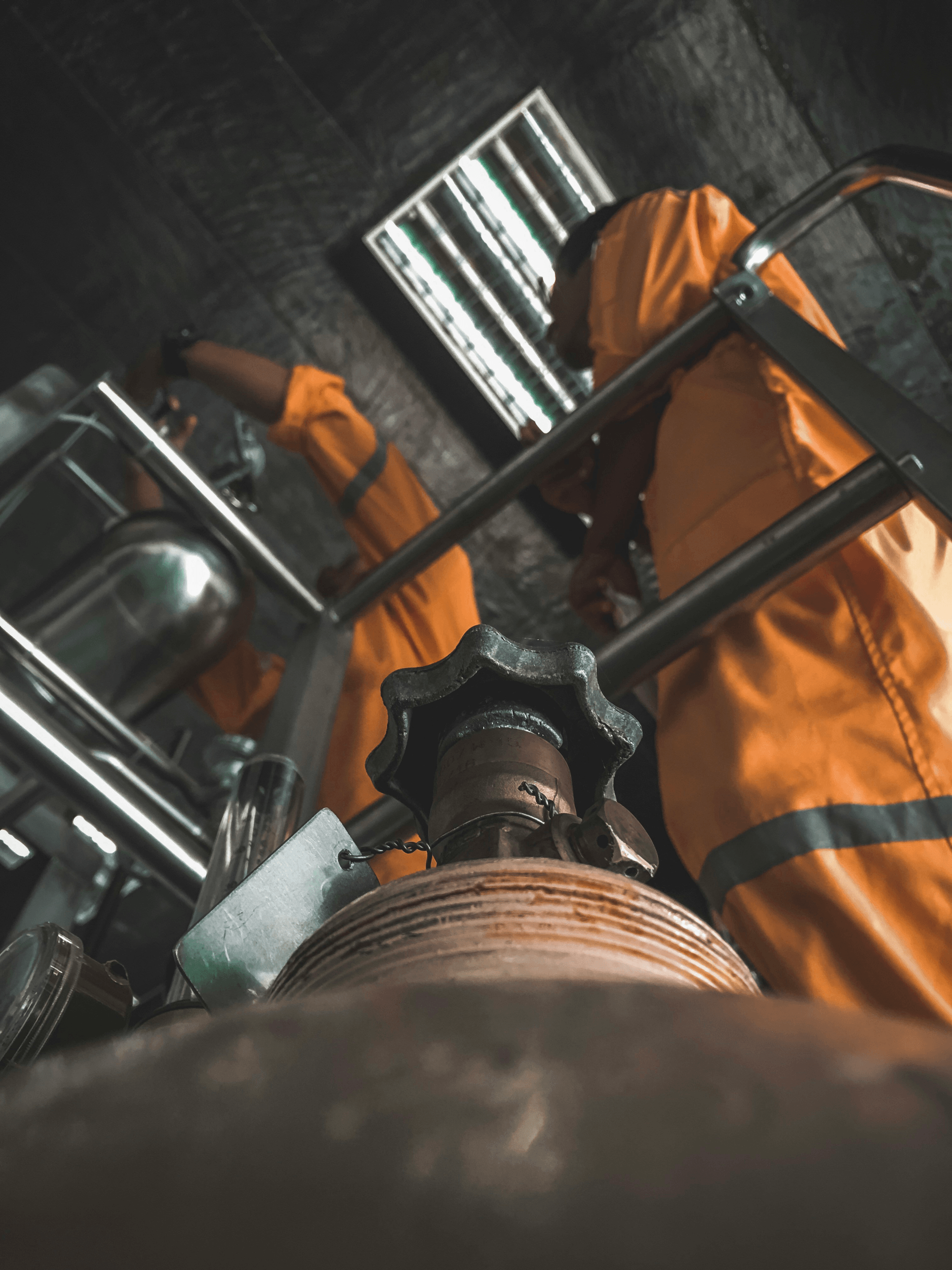
Safety audits in manufacturing are not just a box to check; they are a strategic advantage that can lead to significant benefits for businesses. By systematically identifying and mitigating risks, these audits can enhance operational efficiency and foster a culture of safety among employees. The positive ripple effects of implementing safety audits extend beyond compliance and into the very fabric of organizational reputation and financial health.
Financial Gains through Reduced Incidents
One of the most compelling reasons for conducting safety audits in manufacturing is the potential for substantial financial gains through reduced incidents. When workplace injuries decrease, so do costs associated with medical expenses, legal fees, and lost productivity. Companies that prioritize safety through regular audits often find themselves enjoying lower insurance premiums, which can translate into considerable savings over time.
Moreover, understanding how to conduct a safety audit in a manufacturing facility allows businesses to pinpoint areas where they can improve processes and equipment usage. This proactive approach not only minimizes risks but also enhances overall operational efficiency—leading to higher profit margins. In essence, investing in safety audits pays dividends by creating a safer work environment that ultimately boosts the bottom line.
Building Trust with Stakeholders
Trust is the cornerstone of any successful business relationship, and conducting thorough safety audits plays a pivotal role in building that trust with stakeholders. Employees feel more secure when they know their workplace prioritizes their health and well-being; this fosters loyalty and reduces turnover rates. Additionally, clients and customers are more likely to engage with companies that demonstrate commitment to safe practices through transparent audit processes.
Stakeholders—including investors—are increasingly scrutinizing corporate responsibility measures such as workplace safety protocols; thus, showcasing your commitment via comprehensive audit reports can enhance your organization's reputation significantly. When stakeholders see tangible evidence of your dedication to maintaining high standards through regular safety assessments, it strengthens their confidence in your brand's integrity. Ultimately, effective communication about how do safety audits benefit businesses can lead to stronger partnerships and increased market competitiveness.
Ensuring Regulatory Compliance
Navigating the complex landscape of regulatory requirements is no small feat for manufacturers; however, regular safety audits simplify this process significantly by ensuring compliance with industry standards and regulations. Understanding how do safety audits differ from safety inspections is crucial here—audits provide an overarching review of systems while inspections focus on specific aspects at any given time. This comprehensive view helps organizations identify gaps before they become costly fines or legal issues.
By ensuring adherence to regulations through diligent auditing practices, manufacturers safeguard themselves against potential liabilities related to non-compliance—protecting both their assets and reputations in the process. Furthermore, an up-to-date understanding of what are the core elements of a manufacturing safety audit ensures that companies are always prepared for unexpected inspections from regulatory bodies or third-party auditors alike. In short, implementing robust auditing processes not only keeps you compliant but also positions you as a responsible player within your industry.
Conclusion

In wrapping up our exploration of the Safety Audit in Manufacturing, it’s clear that these audits serve as a critical tool for enhancing workplace safety and operational efficiency. They go beyond mere compliance checks; they are comprehensive evaluations that can significantly impact how a manufacturing facility operates. By understanding how to conduct a safety audit in a manufacturing facility, businesses can proactively mitigate risks and foster a culture of safety.
Key Takeaways on Safety Audits in Manufacturing
Safety audits play an essential role in identifying potential hazards and ensuring that safety protocols are adhered to within manufacturing environments. One key takeaway is recognizing how do safety audits differ from safety inspections; while inspections are often routine checks, audits offer a more thorough evaluation of systems and processes. Moreover, understanding what the core elements of a manufacturing safety audit are—such as risk assessment, compliance verification, and employee training—can empower organizations to improve their overall safety standards.
Final Thoughts on Audit Impact
The impact of conducting regular safety audits on manufacturing operations cannot be overstated; they not only enhance workplace safety culture but also reduce operational risks and liabilities significantly. Moreover, when businesses embrace the benefits outlined in How Do Safety Audits Benefit Businesses?, they find themselves reaping financial gains through fewer incidents and accidents. Ultimately, implementing these audits fosters trust with stakeholders by demonstrating a commitment to maintaining high standards of health and safety.
Next Steps for Implementing Safety Audits
To effectively implement safety audits within your organization, start by developing a clear plan that outlines how to conduct a safety audit in a manufacturing facility. This involves preparing your team with the necessary training on audit procedures and ensuring that all relevant documentation is readily available for review during the process. Finally, after completing the audit, it’s crucial to produce detailed reports that include findings and actionable recommendations—what does a safety audit report include? Such diligence will pave the way for continuous improvement in workplace safety.