
Introduction
In today's fast-paced world, the quality of bags and suitcases is paramount, especially for those who travel frequently. Understanding the importance of on-site tests can make all the difference in ensuring that these products meet high standards of durability and reliability. From load tests for bags and suitcases to jerk tests, fatigue tests, abuse tests for laptop cases, and item drop tests, each method plays a crucial role in assessing performance under various conditions.
Understanding the Importance of On-site Tests
On-site tests are essential for evaluating how well bags and suitcases can withstand real-world challenges. These rigorous assessments help manufacturers identify potential weaknesses before products hit the market, ensuring that customers receive reliable items designed to endure travel's rigors. By implementing comprehensive testing protocols, brands can significantly reduce the risk of product failure during use.
Why Quality Matters for Bags and Suitcases
A poorly constructed bag can lead to damaged belongings or even worse—an unpleasant travel experience. Consumers expect their luggage to be robust enough to handle everything from weighty loads during check-in to sudden drops while boarding a plane.
Overview of Essential Testing Methods
To guarantee that bags and suitcases meet quality standards, manufacturers employ a variety of essential testing methods. The load test for bags and suitcases assesses weight capacity; the jerk test simulates real-life handling scenarios; fatigue testing evaluates durability over repeated use; abuse testing pushes products to their limits; while item drop tests ensure impact resistance during transport. Together, these methods provide a comprehensive understanding of product performance in various situations.
Load Test for Bags and Suitcases

This evaluation method simulates real-world conditions by applying weights to assess how well a bag can handle stress without compromising its structure or functionality. Understanding this process is crucial for manufacturers aiming to produce high-quality luggage that meets consumer expectations.
Defining the Load Test Process
The load test process involves placing a specified weight onto the bag or suitcase and observing how it responds under pressure. This testing method typically includes various stages, such as incrementally increasing weight until reaching the maximum capacity or monitoring for deformation over time. By conducting these on-site tests, manufacturers can identify potential weaknesses in their products before they hit the market.
In practice, bags are often subjected to both static loads (weight held in place) and dynamic loads (weight shifted during movement). The results provide valuable insights into how well a product can withstand everyday use, which is especially important for travelers who rely on their luggage for protection against wear and tear. Ultimately, effective load testing helps ensure that bags and suitcases remain functional throughout their lifespan.
Identifying Weight Capacity Standards
Weight capacity standards are essential benchmarks that guide manufacturers in designing durable bags and suitcases capable of supporting specific loads. These standards vary by product type but generally consider factors such as material strength, stitching quality, and overall construction techniques used in manufacturing. Adhering to these guidelines ensures that products are not only safe but also meet customer expectations regarding performance.
For instance, many brands adhere to industry standards set by organizations like ASTM International or ISO when determining acceptable weight limits for luggage. These standards help establish consistency across different products while providing consumers with confidence in their purchase decisions. When brands commit to meeting these weight capacity standards through rigorous on-site tests like load testing, they enhance their reputation as reliable manufacturers.
Real-World Examples of Load Testing
Real-world examples of load testing reveal just how crucial this process is for ensuring product reliability in bags and suitcases. For instance, a popular brand might conduct extensive load tests by filling their suitcases with varying weights—ranging from light clothing to heavy gear—and then subjecting them to rigorous handling scenarios similar to what travelers experience at airports or during road trips. This practical approach allows them not only to assess structural integrity but also user-friendliness under stress.
Another notable example comes from a leading outdoor gear manufacturer that routinely conducts load tests on backpacks designed for hiking enthusiasts. By simulating long treks with heavy loads over rough terrain during on-site tests, they gather data that informs design improvements aimed at enhancing comfort while maintaining durability—a win-win situation! Such real-world applications of load testing highlight its significance in developing high-quality luggage solutions tailored to consumer needs.
Jerk Test for Bags and Suitcases

This testing method focuses on how well a product can withstand sudden pulls and jolts, which are common during everyday use. By mimicking real-life scenarios where bags may be yanked or abruptly moved, manufacturers can gauge the resilience of their products.
The Science Behind Jerk Testing
The jerk test for bags and suitcases is rooted in physics, specifically the principles of force and motion. It involves applying sudden, sharp forces to the luggage to assess its structural integrity under stress. This type of testing helps identify weak points that could lead to failure during actual handling situations—essential for ensuring quality in both load test for bags and suitcases and jerk tests.
Understanding the mechanics behind these forces allows engineers to design products that not only meet but exceed industry standards. By analyzing results from jerk tests, manufacturers can refine their designs, materials, and construction methods to enhance durability. Ultimately, this scientific approach ensures that consumers receive reliable products capable of withstanding life's unexpected jerks.
Simulating Real-Life Handling Scenarios
Simulating real-life handling scenarios is crucial when conducting jerk tests for bags and suitcases. Products undergo rigorous evaluations that replicate common experiences—think rushing through an airport or hastily pulling a suitcase off a conveyor belt. These simulations help ensure that luggage can endure not just weight but also the unpredictable nature of travel.
By integrating various handling techniques into testing protocols, manufacturers gain insights into how their products will perform in actual conditions. This proactive approach mitigates potential issues before they reach consumers' hands—an essential aspect of quality assurance alongside other on-site tests like fatigue tests for bags and suitcases or abuse tests for bags and laptop cases.
Moreover, understanding these scenarios allows brands to market their products more effectively by highlighting features designed specifically to handle everyday challenges faced by travelers.
Insights from Industry Leaders
Industry leaders emphasize the importance of comprehensive testing methods like jerk tests for bags and suitcases in maintaining high-quality standards. Many top brands invest heavily in research and development focused on enhancing product performance through rigorous testing regimes; they understand that consumer trust hinges on reliability during travel adventures.
Insights gathered from these industry pioneers reveal trends toward using advanced materials engineered to withstand extreme conditions without sacrificing style or functionality. As companies continue refining their processes through ongoing research into load test for bags and suitcases as well as jerk testing methodologies, consumers benefit from improved designs tailored for modern travel demands.
Ultimately, collaboration between manufacturers, testers, and consumers drives innovation forward in creating durable luggage options equipped to handle whatever journey lies ahead—ensuring that every bag is ready when life throws a curveball (or a sudden jerk).
Fatigue Test for Bags and Suitcases
Fatigue testing is a crucial method in the world of quality assurance for bags and suitcases. It involves subjecting products to repeated stress and strain to simulate the wear and tear they would experience during regular use. This on-site test helps manufacturers understand how their products hold up over time, ensuring that customers receive durable and reliable items.
What is Fatigue Testing?
Fatigue testing measures how materials respond to repeated loading cycles, which is essential for evaluating the longevity of bags and suitcases. By replicating various usage conditions, manufacturers can identify potential failure points before products reach consumers. This proactive approach not only enhances product quality but also builds consumer trust in brands that prioritize rigorous on-site tests.
Assessing Durability through Repeated Use
When conducting fatigue tests for bags and suitcases, manufacturers assess durability by simulating scenarios such as frequent packing and unpacking or dragging the bag across different surfaces. These tests reveal how well zippers, seams, handles, and overall construction can withstand continuous use without compromising performance or safety. Ultimately, this process informs improvements in design and materials, leading to better products that stand up against real-world challenges.
Case Studies of Successful Fatigue Testing
Several notable brands have successfully implemented fatigue testing as part of their quality assurance processes for bags and laptop cases. For instance, a leading luggage manufacturer discovered through fatigue tests that certain stitching techniques significantly improved the lifespan of their products under heavy loads—outperforming competitors who hadn't prioritized such rigorous on-site tests. Another case involved a brand that revamped its suitcase design after fatigue testing revealed weaknesses in handle support; this change led to increased customer satisfaction ratings due to enhanced durability during travel.
Abuse Test for Bags and Laptop Cases

This rigorous evaluation mimics extreme conditions that products might face in real-world scenarios, allowing manufacturers to identify weaknesses before reaching consumers. By pushing bags and laptop cases to their limits, brands can ensure that their products not only survive but thrive under pressure.
Exploring Extreme Conditions in Testing
Abuse tests are designed to simulate the harsh realities that bags and laptop cases encounter during everyday use. From being tossed around in crowded airports to enduring harsh weather conditions, these tests expose products to various stressors that could compromise their integrity. By understanding how bags and suitcases respond to such extreme conditions, manufacturers can refine their designs and materials for optimal performance.
The Role of Abuse Tests in Quality Assurance
In the realm of quality assurance, abuse tests play a pivotal role by providing insights into product resilience. These on-site tests help identify potential failure points that might not be apparent through standard evaluations like load tests for bags and suitcases or fatigue tests for bags and suitcases. Ultimately, conducting thorough abuse testing ensures that consumers receive reliable products capable of withstanding the rigors of daily life.
Notable Brands that Excel in Abuse Testing
Several brands have made a name for themselves by excelling in abuse testing, setting benchmarks within the industry. Companies like Samsonite and Targus invest heavily in robust testing protocols that include jerk tests for bags and suitcases alongside comprehensive item drop test evaluations for bags and suitcases. Their commitment to quality assurance not only enhances brand reputation but also instills confidence among consumers who demand durability from their luggage.
Item Drop Test for Bags and Suitcases

When it comes to ensuring the durability and reliability of bags and suitcases, the item drop test is an essential on-site test that can’t be overlooked. This testing method simulates the unfortunate reality of dropping luggage during travel, which can happen more often than we’d like to admit. By rigorously assessing how bags withstand impacts from various heights, manufacturers can identify weaknesses in their designs and materials.
The Mechanics of Item Drop Testing
Item drop testing involves subjecting bags and suitcases to controlled drops from predetermined heights onto a hard surface. The process typically includes multiple drops at different angles to replicate real-world scenarios, such as being tossed onto a conveyor belt or dropped from a car trunk. This systematic approach allows engineers to measure impact resistance effectively and determine whether a product meets industry standards for durability.
Ensuring Safety through Impact Resistance
The primary goal of the item drop test for bags and suitcases is to ensure safety through impact resistance. Each bag must not only survive the fall but also protect its contents from damage, which is crucial for travelers who rely on their luggage to safeguard valuables. By evaluating how well products endure these tests, manufacturers can enhance their designs, ensuring that customers receive reliable luggage capable of withstanding the rigors of travel.
Lessons Learned from Drop Test Outcomes
Insights gained from item drop tests have led many brands to innovate in materials and design features that improve overall durability. For instance, some manufacturers have incorporated reinforced corners or shock-absorbing materials based on feedback gathered during testing phases. These lessons learned not only elevate product quality but also contribute significantly to customer satisfaction—after all, nobody wants their suitcase exploding open after a minor tumble!
Conclusion
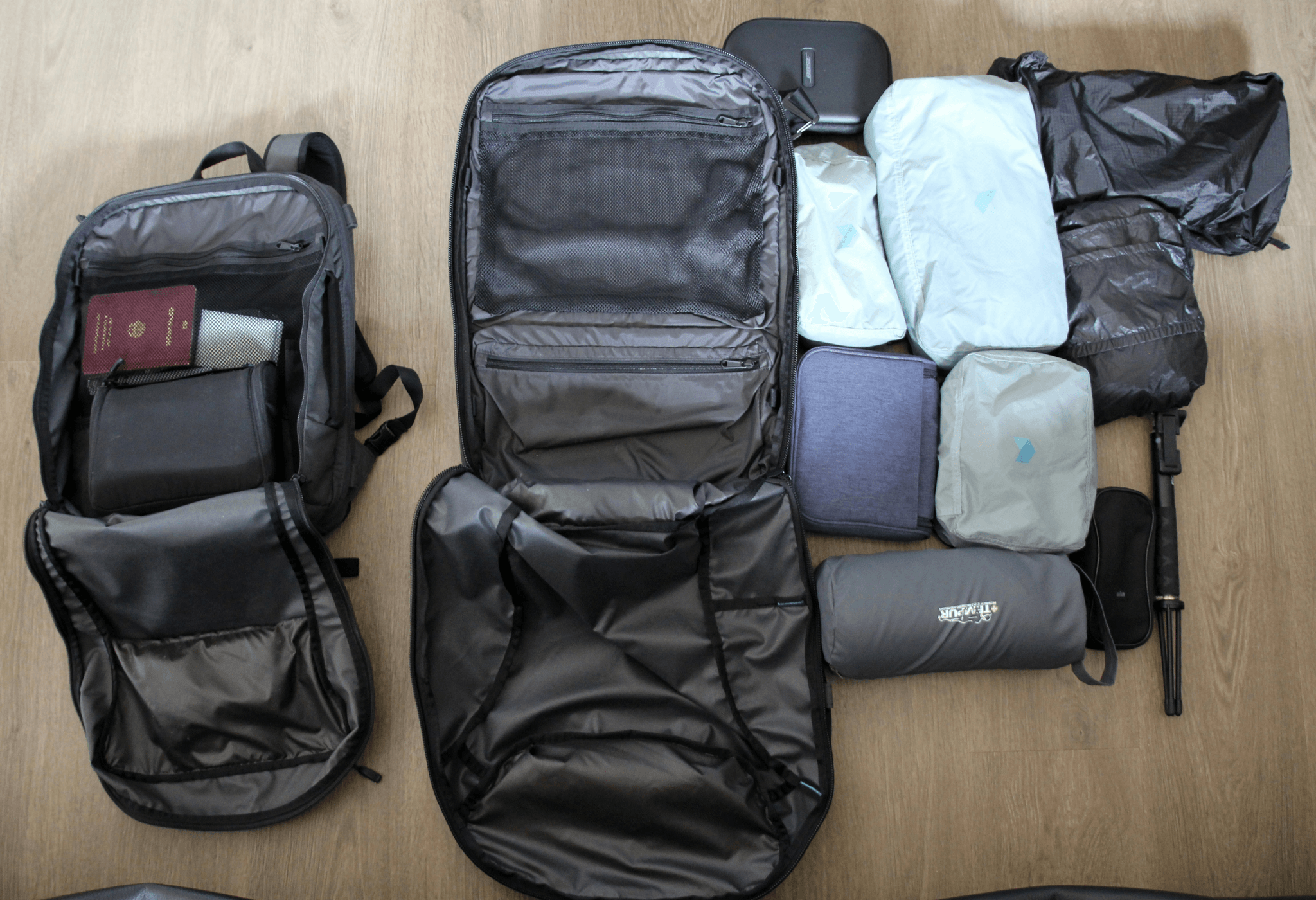
In the competitive world of bags and suitcases, understanding and implementing rigorous on-site tests is non-negotiable. From load tests for bags and suitcases to fatigue tests, each method reveals crucial insights into a product's durability and usability. By prioritizing these testing methods, manufacturers can ensure their products meet high standards, ultimately benefiting consumers.
Key Takeaways on On-site Tests
On-site tests such as the jerk test for bags and suitcases or the item drop test for bags and suitcases are essential to gauge how well a product holds up under real-world conditions. These assessments not only highlight potential weaknesses but also provide valuable data that informs design improvements. Remember, thorough testing can mean the difference between a bag that lasts through countless adventures and one that falls apart after just a few trips.
How Testing Enhances Product Reliability
The implementation of fatigue tests for bags and suitcases ensures that products can withstand repeated use without compromising quality or functionality. Similarly, abuse tests for bags and laptop cases push items to their limits, revealing how they perform under extreme conditions. This rigorous approach to quality assurance builds trust with consumers who rely on their luggage to protect their belongings during travel.
Choosing China Inspection Pro for Quality Assurance
When it comes to ensuring your products undergo comprehensive on-site tests, choosing China Inspection Pro is a savvy move. Their expertise in conducting load tests for bags and suitcases, jerk tests, fatigue assessments, abuse evaluations, and item drop tests guarantees that your luggage meets international standards of quality. By partnering with professionals who prioritize thorough testing methods, you can enhance your brand’s reputation while delivering reliable products to customers.