
Introduction
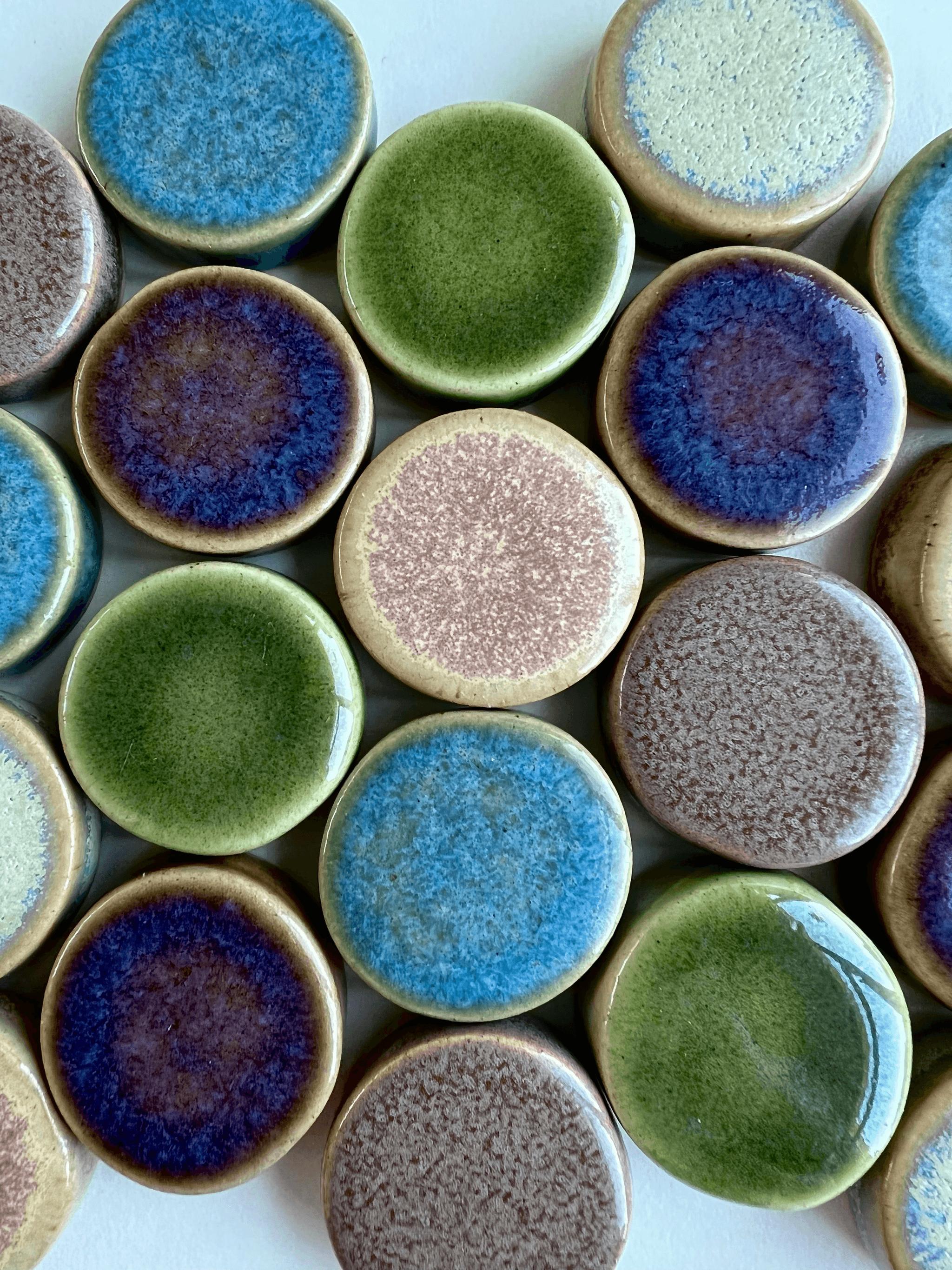
In the world of materials science, ceramic inspection stands as a critical pillar for ensuring quality and performance in a vast array of applications. From aerospace to consumer goods, the integrity of ceramic products can significantly impact overall functionality and safety. Understanding how to inspect ceramic coating effectively not only safeguards against defects but also enhances reliability in various industries.
Understanding Ceramic Inspection Importance
Ceramic inspection is vital for identifying flaws that could compromise the structural integrity of products made from this versatile material. Whether it's assessing surface finishes or evaluating mechanical strength, understanding the nuances of what constitutes a ceramic test is essential for manufacturers and engineers alike. By prioritizing thorough inspections, companies can prevent costly failures and maintain their reputations for quality.
Key Quality Control Standards in Ceramics
Quality control standards play a pivotal role in guiding the inspection process for ceramics, ensuring that products meet both safety and performance benchmarks. Organizations such as ISO and ASTM provide frameworks that outline rigorous testing methods tailored specifically for ceramic materials. Adhering to these standards not only helps businesses comply with regulatory requirements but also fosters trust among consumers who rely on high-quality ceramics.
Types of Ceramic Coatings and Their Uses
Ceramic coatings come in various forms, each designed to serve specific purposes across multiple industries. From protective layers that enhance durability to aesthetic finishes that improve visual appeal, understanding these coatings is crucial for effective ceramic inspection. Knowing which type of coating is applied can influence how one approaches the question: How to inspect ceramic coating? This knowledge ensures proper evaluation techniques are employed based on the intended use of the product.
Overview of Ceramic Inspection

Ceramic inspection is a critical process that ensures the integrity and quality of ceramic products, especially in industries where precision is paramount. The purpose of ceramic inspection revolves around identifying defects, ensuring compliance with standards, and ultimately guaranteeing the performance of ceramic coatings. This process not only safeguards product reliability but also enhances customer satisfaction by delivering high-quality ceramics.
Purpose and Process of Ceramic Inspection
The primary purpose of ceramic inspection is to detect any irregularities that could compromise the functionality or aesthetic appeal of ceramic coatings. This involves a systematic approach where inspectors evaluate various aspects such as surface finish, adhesion strength, and thickness uniformity. Understanding how to inspect ceramic coating effectively allows manufacturers to uphold quality control standards and minimize costly rework or returns.
The process typically begins with a visual assessment, followed by more detailed methods like non-destructive testing (NDT). Inspectors use specialized tools to measure properties such as hardness and porosity, ensuring that the ceramics meet industry specifications. Ultimately, a thorough ceramic inspection helps in maintaining product safety and performance across diverse applications.
Common Methods for Inspecting Ceramic Coatings
When it comes to inspecting ceramic coatings, several methods stand out for their effectiveness and reliability. Visual inspection remains the first line of defense; it’s quick and can reveal obvious defects like cracks or discoloration. However, for deeper insights into coating integrity, non-destructive testing methods such as ultrasonic testing or X-ray diffraction are commonly employed.
These techniques allow inspectors to assess internal structures without damaging the material, making them invaluable in quality assurance processes. Additionally, hardness tests help determine wear resistance while adhesion tests ensure that coatings adhere properly to substrates. By utilizing these common methods for inspecting ceramic coatings, manufacturers can confidently deliver products that meet customer expectations.
What is a Ceramic Test?
A ceramic test refers to a variety of assessments designed to evaluate specific properties of ceramics under controlled conditions. These tests can measure attributes such as tensile strength, thermal stability, or chemical resistance—each crucial for determining how well a ceramic will perform in its intended application. Understanding what is a ceramic test helps professionals select appropriate evaluation techniques based on their specific needs.
Typically conducted in laboratories equipped with advanced technology, these tests provide quantifiable data essential for quality control decisions. The results guide improvements in manufacturing processes and inform customers about product capabilities and limitations. In essence, regular ceramic testing is vital for maintaining high standards within the ceramics industry.
Techniques for Ceramic Coating Inspection
When it comes to ensuring the quality and durability of ceramic coatings, inspection techniques play a pivotal role. These methods not only help identify defects but also ensure that the coatings meet industry standards. In this section, we will explore three key techniques: visual inspection, non-destructive testing methods, and practical steps on how to inspect ceramic coating.
Visual Inspection: The First Line of Defense
Visual inspection is often the first step in Ceramic Inspection, serving as a quick yet effective way to identify surface defects. Trained inspectors look for cracks, chips, discoloration, or any irregularities that could compromise the integrity of the ceramic coating. While this method may seem simplistic, it provides essential insights into what might require further examination through more advanced testing.
The beauty of visual inspection lies in its accessibility; no fancy equipment is needed—just keen eyes and experience. Inspectors can often spot issues that may not be immediately apparent through other methods. This technique sets the stage for deeper investigations by highlighting areas that warrant closer scrutiny.
Non-Destructive Testing Methods
Non-destructive testing (NDT) methods elevate Ceramic Inspection by allowing evaluators to assess materials without causing damage. Techniques such as ultrasonic testing and X-ray imaging help detect internal flaws or inconsistencies within ceramic coatings that are invisible to the naked eye. These methods are invaluable when determining whether a ceramic coating meets specified performance criteria.
One significant advantage of NDT is its ability to provide quantitative data about material properties and structural integrity. This data can be crucial when answering questions like What is a ceramic test? since such tests often rely on NDT results for validation purposes. By employing these advanced techniques, manufacturers can ensure their products maintain high standards throughout their lifecycle.
How to Inspect Ceramic Coating?
So, how to inspect ceramic coating effectively? Start with a thorough visual inspection to catch any obvious surface defects before moving on to more sophisticated techniques like NDT or chemical analysis if necessary. It’s essential to follow a systematic approach; document findings meticulously so you can track changes over time or pinpoint recurring issues.
Utilizing tools specific for measuring thickness or hardness can enhance your inspection process significantly—these tools provide precise readings that support your findings from visual inspections and NDT results alike. Don't forget about keeping up with industry standards; understanding what constitutes acceptable quality will guide your inspections effectively and ensure compliance with regulations.
As you dive into this world of Ceramic Analysis, remember that thorough inspections ultimately contribute not only to product quality but also safety and customer satisfaction in various applications—from aerospace components to everyday dinnerware.
Quality Control Standards in Ceramics
In the realm of ceramics, quality control standards are crucial for ensuring product reliability and performance. These standards provide a framework for manufacturers to follow, ensuring that ceramic products meet specific requirements throughout their lifecycle. Understanding these standards is essential for anyone involved in ceramic inspection and quality assurance.
ISO Standards for Ceramic Products
ISO (International Organization for Standardization) has established various standards specifically tailored for ceramic products, which are fundamental in guiding manufacturers toward best practices. These ISO standards cover everything from material properties to testing methods, ensuring that ceramics can withstand real-world applications. By adhering to ISO guidelines, companies enhance their credibility and ensure their products are safe and effective.
When it comes to ceramic inspection, knowing the relevant ISO standards is vital; they outline how to inspect ceramic coatings effectively and what constitutes a passing grade in quality tests. For instance, certain ISO standards dictate the mechanical properties that must be assessed during a ceramic test, such as hardness or tensile strength. This systematic approach not only helps maintain product integrity but also fosters consumer trust.
ASTM Testing Methods and Their Relevance
ASTM International provides another layer of rigor through its comprehensive testing methods applicable to ceramics. These ASTM testing methods cover various aspects of ceramic materials—from thermal shock resistance to abrasion resistance—ensuring that every facet of performance is evaluated thoroughly. For manufacturers engaged in ceramic analysis, familiarity with ASTM methods can significantly enhance the reliability of their findings.
Understanding how to inspect ceramic coating using ASTM methodologies allows engineers to pinpoint potential failures before they escalate into costly issues. Moreover, these standardized tests contribute valuable data that can help refine production processes over time. As a result, adherence to ASTM guidelines not only bolsters quality control but also aligns with global best practices.
Role of China Inspection Pro in Quality Control
China Inspection Pro plays an instrumental role in enhancing quality control within the ceramics industry by providing specialized services tailored for this sector's unique demands. With expertise in both domestic and international standards, they ensure compliance with rigorous inspection protocols during the manufacturing process—making them a go-to partner for businesses looking to elevate their quality assurance game.
Their services include comprehensive assessments on how to inspect ceramic coating effectively and efficiently while adhering strictly to established ISO and ASTM guidelines. By leveraging cutting-edge technology combined with experienced inspectors trained in what is a ceramic test? procedures, China Inspection Pro helps streamline the inspection process while delivering actionable insights into product quality.
For those curious about what is the salary of a ceramic engineer? The answer often varies based on experience level and location but typically reflects the growing demand for professionals skilled in maintaining high-quality ceramics through rigorous testing protocols—essentially making them invaluable assets within any manufacturing setup focused on excellence.
Understanding Ceramic Analysis
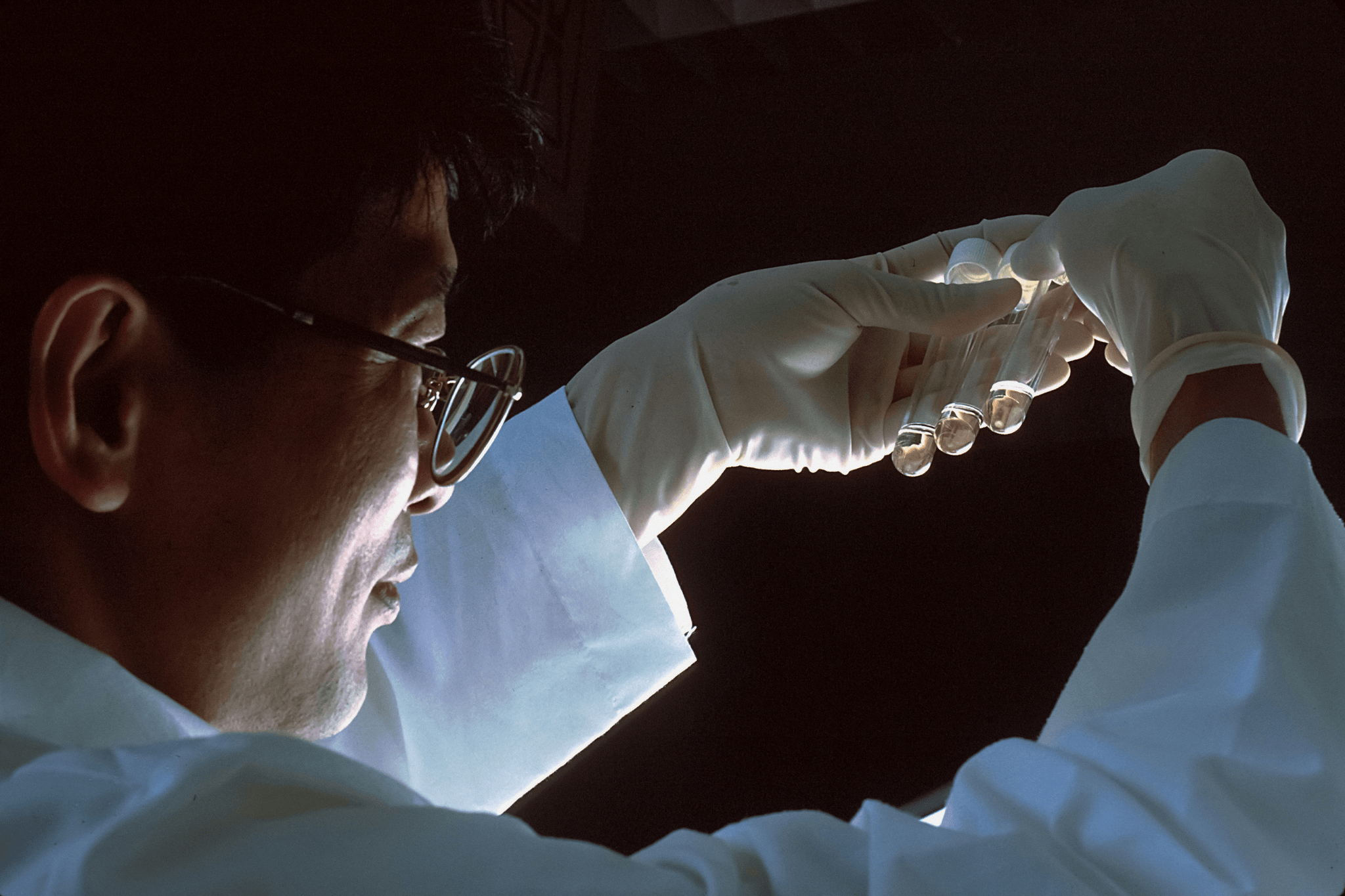
Ceramic analysis is a crucial aspect of ensuring the quality and functionality of ceramic materials. It involves examining the physical and chemical properties of ceramics to determine their suitability for specific applications. By understanding what ceramic analysis entails, professionals can better conduct ceramic inspections and ensure that products meet industry standards.
What is Ceramic Analysis?
At its core, ceramic analysis refers to the systematic evaluation of ceramic materials to assess their composition and performance characteristics. This process often includes various tests that measure properties such as strength, thermal stability, and chemical resistance. By answering questions like What is a ceramic test? we can see that these evaluations are essential for determining whether a ceramic coating will perform as expected in its intended environment.
Ceramic analysis plays a vital role in quality control, helping manufacturers identify any defects or inconsistencies in their products before they reach consumers. This proactive approach not only enhances product reliability but also reduces waste by catching issues early on in the production process. Ultimately, effective ceramic analysis contributes significantly to successful ceramic inspections.
Tools and Techniques for Effective Analysis
To conduct thorough ceramic inspections, several tools and techniques are commonly employed in the field of ceramic analysis. For instance, scanning electron microscopy (SEM) allows engineers to observe surface structures at a microscopic level, revealing details about coatings that may not be visible through standard inspection methods. Other techniques include X-ray diffraction (XRD) for phase identification and thermal analysis methods such as differential thermal analysis (DTA).
In addition to advanced machinery, simpler methods like visual inspections remain invaluable when determining initial product quality; after all, the question How to inspect ceramic coating? often starts with a keen eye for detail! Furthermore, employing data analytics tools can enhance interpretation accuracy by providing insights into trends over time or highlighting areas needing improvement.
By integrating both high-tech equipment and traditional inspection methods into their toolkit, professionals can ensure comprehensive analyses that support robust quality assurance processes.
Importance of Data in Quality Assurance
Data plays an indispensable role in enhancing quality assurance within the realm of ceramics. Accurate data collection during testing enables engineers to make informed decisions regarding material performance and potential improvements needed before finalizing production runs. As we explore what is involved in maintaining high-quality standards through effective inspections—like those seen with rigorous ceramic inspections—the importance of data cannot be overstated.
Moreover, analyzing historical data helps organizations identify patterns related to defects or failures associated with specific types of ceramics or coatings used over time. Such insights are instrumental not only for addressing current challenges but also for anticipating future needs within the industry landscape—especially given evolving technologies impacting how we produce ceramics today.
In summary, embracing data-driven decision-making fosters continuous improvement while ensuring consistency across all aspects related to quality control—a critical consideration when discussing career prospects like What is the salary of a ceramic engineer? The demand for skilled professionals adept at leveraging data analytics continues to rise alongside advancements in material science!
Career Insights: Ceramic Engineering
Ceramic engineering is a fascinating field that merges science and creativity, focusing on the design and production of ceramic materials. As industries increasingly rely on ceramics for various applications—from aerospace to healthcare—the demand for skilled ceramic engineers continues to rise. This section will explore the salary expectations, essential skills, and exciting career opportunities within this dynamic discipline.
What is the Salary of a Ceramic Engineer?
When considering a career in ceramic engineering, one of the first questions that often arises is: what is the salary of a ceramic engineer? On average, salaries can vary widely based on factors such as experience, education level, and geographic location. Entry-level positions typically start around $60,000 per year, while seasoned professionals can earn upwards of $100,000 annually—especially if they are involved in specialized fields like Ceramic Inspection or advanced materials testing.
Salary growth in this industry is influenced by the ongoing need for innovation in ceramic analysis techniques and quality control standards. Engineers who possess expertise in how to inspect ceramic coatings or perform rigorous ceramic tests are particularly sought after. As industries evolve and new technologies emerge, those with advanced skills can expect their earning potential to increase significantly over time.
Key Skills Required for Ceramic Engineers
To thrive as a ceramic engineer, certain key skills are indispensable. First and foremost is a solid understanding of material science; knowledge about how different ceramics behave under various conditions is crucial for effective quality assurance processes like Ceramic Inspection. Additionally, proficiency in analytical techniques—including what is ceramic analysis—enables engineers to evaluate materials thoroughly during development and production phases.
Problem-solving skills also play a vital role; engineers must often troubleshoot issues related to product performance or defects found during inspections. Familiarity with industry standards such as ISO guidelines ensures that engineers maintain compliance while executing tasks like how to inspect ceramic coating effectively. Furthermore, strong communication abilities are essential since collaboration with cross-functional teams enhances overall project success.
Career Opportunities and Industry Trends
The landscape for career opportunities within ceramic engineering is vibrant and continually evolving due to technological advancements. Industries ranging from electronics to biomedical applications require experts who understand both traditional ceramics and cutting-edge innovations like nanoceramics or bioceramics. As companies focus more on sustainability practices, there’s an increased demand for engineers who specialize in eco-friendly materials used in various applications.
Moreover, trends indicate that professionals skilled in non-destructive testing methods will be at an advantage as organizations prioritize safety without compromising product integrity during inspections—making knowledge about how to inspect ceramic coatings particularly valuable. The interplay between research institutions and manufacturing firms also opens pathways for collaboration on projects aimed at enhancing existing quality control standards through innovative testing methods.
In summary, pursuing a career in ceramic engineering offers not only competitive salaries but also diverse opportunities across multiple sectors driven by continuous innovation in material sciences.
Conclusion

In the realm of ceramics, quality control is not just a box to tick—it's the backbone of industry credibility. As we’ve explored throughout this discussion, understanding how to inspect ceramic coatings and implementing rigorous standards is crucial for ensuring product excellence. With that in mind, let’s delve into best practices, future trends, and key takeaways for quality assurance professionals.
Best Practices in Ceramic Quality Control
To achieve optimal results in ceramic inspection, it's essential to adopt a systematic approach that includes comprehensive training for inspectors on what is a ceramic test and how to inspect ceramic coating effectively. Regular audits and updates on quality control protocols ensure that inspection methods remain relevant and effective. Moreover, leveraging advanced technologies like non-destructive testing can enhance accuracy while preserving the integrity of the ceramic products being evaluated.
Future Trends in Ceramic Inspection
Looking ahead, the landscape of ceramic inspection is poised for transformation through technological advancements and automation. The integration of artificial intelligence and machine learning will likely streamline processes such as ceramic analysis, making them faster and more precise than ever before. Additionally, as industries push for sustainability, there will be an increased focus on eco-friendly materials and processes in ceramic manufacturing that demand innovative inspection techniques.
Key Takeaways for Quality Assurance Professionals
For quality assurance professionals navigating the world of ceramics, understanding what is ceramic analysis is paramount to maintaining high standards across products. Staying informed about industry shifts—like salary trends (what is the salary of a ceramic engineer?) or emerging materials—will empower you to adapt your strategies accordingly. Ultimately, embracing best practices in inspections will not only enhance product reliability but also bolster your reputation within this dynamic field.