
Introduction

In today's rapidly evolving business landscape, social audits have emerged as a vital tool for organizations striving to maintain ethical practices and enhance their reputations. Understanding the importance of social audits goes beyond mere compliance; it's about fostering a culture of accountability that resonates with consumers and stakeholders alike. By exploring the various types of social audit, businesses can identify areas for improvement and demonstrate their commitment to social responsibility.
Understanding the Importance of Social Audits
Social audits are essential for assessing a company's impact on society and the environment. They provide insights into how well an organization aligns with its stated values, helping to highlight strengths while revealing areas needing attention. This process not only aids in risk management but also fosters trust among consumers who increasingly seek transparency in business operations.
Exploring the Types of Social Audit
There are several types of social audit that cater to different aspects of a business's operations. For instance, supplier audit reports focus on assessing suppliers' compliance with ethical standards, ensuring quality throughout the supply chain. Meanwhile, food auditing companies specialize in evaluating safety and quality within food production processes, which is crucial for consumer confidence.
Building Trust with Transparency
Building trust through transparency is paramount in today's market where information is readily accessible at consumers' fingertips. Engaging third-party inspection companies can bolster credibility by providing unbiased evaluations during audits, particularly when it comes to quality management in construction projects or other sectors requiring rigorous oversight. Ultimately, a commitment to transparent practices fosters enduring relationships between businesses and their customers, paving the way for long-term success.
What is a Social Audit?
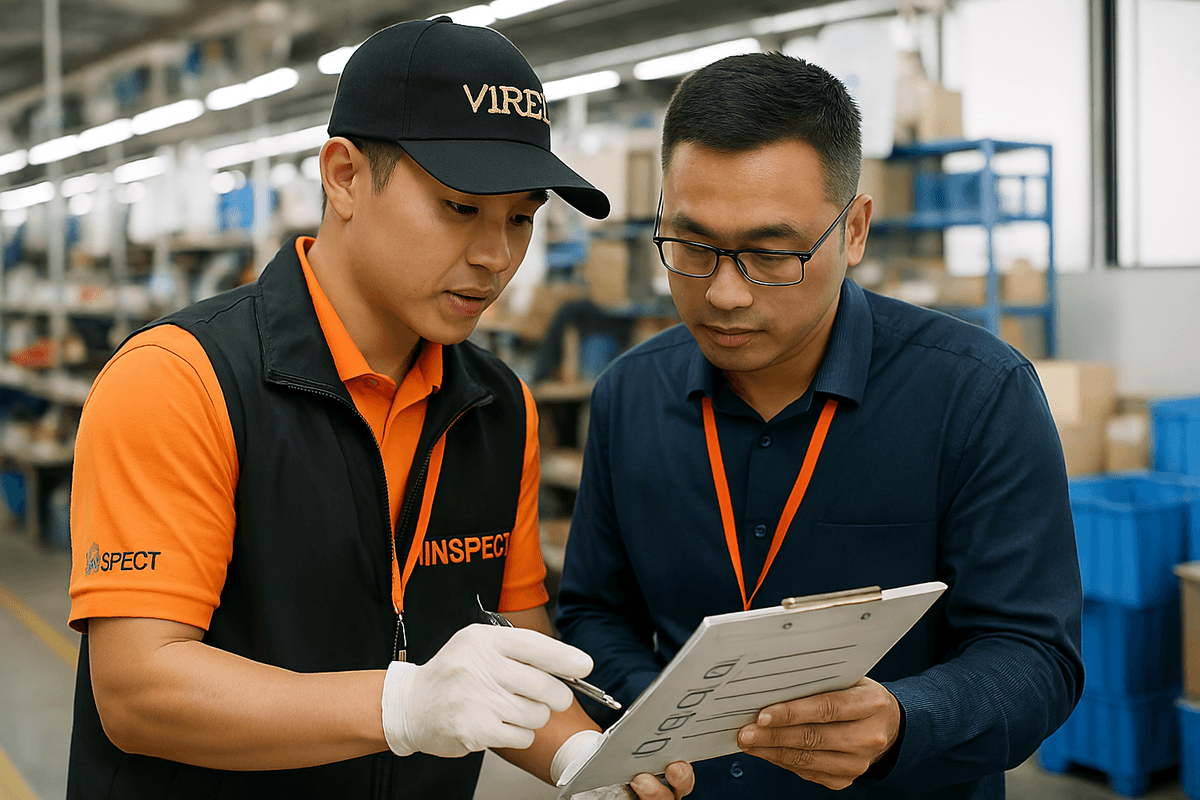
Social audits are systematic evaluations of an organization's social performance, focusing on its impact on stakeholders and the environment. These audits help businesses understand their social responsibilities and align their practices with ethical standards. By examining various aspects of operations, social audits provide a comprehensive overview of how companies contribute to society.
Defining Social Audits in Business
In the business world, a social audit is an assessment tool that measures a company's adherence to social responsibility standards and ethical practices. This includes reviewing policies related to labor rights, environmental sustainability, and community engagement. Companies often utilize supplier audit reports as part of this process to ensure that their supply chains operate ethically and transparently.
Benefits of Conducting a Social Audit
Conducting a social audit offers numerous benefits that extend beyond compliance with regulations. It helps organizations identify areas for improvement, fostering a culture of accountability and transparency among employees and stakeholders alike. Additionally, engaging food auditing companies can enhance food safety practices while building consumer trust in the products being offered.
How Social Audits Enhance Brand Reputation
A well-executed social audit can significantly elevate a brand's reputation in the marketplace. By demonstrating commitment to ethical practices through regular assessments, companies can differentiate themselves from competitors who may not prioritize transparency or sustainability. Moreover, leveraging insights from third-party inspection companies allows businesses to address potential issues proactively while showcasing their dedication to quality management in construction projects or any other sector they operate within.
The Different Types of Social Audit

Understanding the various types of social audits is crucial for businesses aiming to enhance their accountability and ethical practices. Each type serves a distinct purpose, from evaluating environmental impacts to ensuring supplier integrity. By conducting these audits, companies can foster trust and transparency with stakeholders while adhering to industry standards.
Environmental Audits and Their Impact
Environmental audits focus on assessing a company's compliance with environmental regulations and its overall ecological footprint. These audits help organizations identify areas where they can reduce waste, conserve resources, and improve sustainability practices. The impact of such audits is profound, as they not only enhance brand reputation but also contribute to global efforts in combating climate change.
By utilizing third-party inspection companies for environmental audits, businesses can ensure an unbiased evaluation of their practices. These external experts bring specialized knowledge that can uncover hidden inefficiencies or violations that internal teams might overlook. Ultimately, the findings from environmental audits empower organizations to implement strategic changes that benefit both their bottom line and the planet.
Supplier Audit Reports: Ensuring Quality
Supplier audit reports are essential in maintaining quality management in construction projects and other industries reliant on external vendors. These reports evaluate suppliers based on criteria such as production processes, labor conditions, and adherence to safety standards. By regularly conducting these assessments, businesses can mitigate risks associated with low-quality materials or unethical labor practices.
Food auditing companies often play a vital role in this process by providing thorough evaluations of food suppliers’ operations. This ensures that the products reaching consumers meet safety regulations and quality expectations while also promoting ethical sourcing practices within the supply chain. Supplier audit reports not only safeguard product quality but also build long-term relationships based on trust between businesses and their suppliers.
Social Compliance Audits: The Role of Ethics
Social compliance audits focus on ensuring that a company's operations adhere to ethical standards concerning labor rights, workplace safety, and community impact. These types of social audit are particularly important in industries where human rights abuses may occur due to lax oversight or inadequate regulation enforcement. Conducting these audits demonstrates a commitment to corporate social responsibility (CSR) while fostering an ethical business culture.
Third-party inspection companies often facilitate social compliance audits by providing expert evaluations that help identify areas for improvement within an organization’s practices. The insights gained from these assessments empower companies to implement actionable recommendations aimed at enhancing their ethical standards across all operations. In turn, this commitment not only boosts employee morale but also enhances brand loyalty among consumers who prioritize ethical consumption choices.
The Process of a Social Audit

Conducting a social audit is like navigating a maze with a map; it requires careful planning and execution to ensure you don't hit dead ends. The process involves systematic steps that help organizations assess their social impact, compliance, and overall ethical standing. Understanding the various types of social audit is crucial for tailoring the approach to meet specific organizational needs.
Steps to Conducting an Effective Audit
The first step in conducting an effective audit is defining the scope and objectives clearly. This involves identifying which types of social audits are relevant—be it environmental audits or supplier audit reports—and determining what aspects of your operations will be evaluated. Next, gather data through surveys, interviews, or existing documentation to provide a comprehensive view of your organization's practices.
Once data is collected, it's time to analyze it using tools like an acceptance sampling calculator for quantitative insights. This analysis will help identify gaps in compliance or areas needing improvement. Finally, compile findings into a report that not only highlights strengths but also offers actionable recommendations for enhancement.
Engaging Stakeholders in the Audit Process
Engaging stakeholders throughout the auditing process can significantly enhance its effectiveness and credibility. Start by involving employees at all levels since they often have valuable insights into daily operations and ethical practices that may not be captured through formal channels. Additionally, consider reaching out to suppliers and customers; their feedback can provide a broader perspective on how your organization is perceived externally.
Regular communication during the audit fosters transparency and trust among stakeholders, making them feel invested in the outcomes. It’s also beneficial to hold workshops or meetings where findings can be shared openly; this encourages dialogue around quality management in construction projects or other relevant sectors within your organization. Ultimately, stakeholder engagement leads to richer insights and more robust action plans post-audit.
Utilizing Third Party Inspection Companies
Third party inspection companies play an invaluable role in enhancing the credibility of social audits by providing impartial assessments based on established standards. These firms specialize in various types of social audits—including environmental assessments and supplier audit reports—ensuring that evaluations are thorough and unbiased. By leveraging their expertise, organizations can gain deeper insights into areas such as compliance with industry regulations or ethical sourcing practices.
Moreover, third party inspectors often come equipped with advanced tools for analysis that can streamline the auditing process significantly—think acceptance sampling calculators tailored for specific industries! Their independent status also helps mitigate any potential conflicts of interest that may arise when internal teams conduct audits themselves. Ultimately, partnering with these companies not only strengthens your audit's integrity but also enhances overall quality management across all projects.
Real-World Applications of Social Audits
Social audits aren't just theoretical exercises; they're actively reshaping industries and enhancing accountability across various sectors. By examining real-world applications, we can see how different types of social audits contribute to ethical practices, quality assurance, and operational transparency. From food auditing companies ensuring safety standards to supplier audit reports that maintain quality in the supply chain, the impact is profound.
Case Studies from Leading Companies
Take a look at some leading companies that have successfully implemented social audits to enhance their operations. For instance, a prominent clothing brand undertook a comprehensive social compliance audit to assess labor practices within its supply chain. The findings led to actionable changes that improved working conditions and strengthened relationships with suppliers, showcasing how effectively executed types of social audit can lead to tangible benefits.
Another example is a tech giant that utilized third party inspection companies for environmental audits, aiming to reduce its carbon footprint. The results not only boosted the company's sustainability credentials but also attracted eco-conscious consumers who value responsible business practices. These case studies illustrate the diverse applications of social audits and their ability to drive positive change while enhancing brand reputation.
Food Auditing Companies: Their Role Explained
Food auditing companies play a critical role in ensuring safety and compliance within the food supply chain through rigorous assessments and inspections. These organizations conduct detailed evaluations that encompass everything from farm practices to processing facilities, identifying potential hazards and ensuring adherence to regulations. By leveraging an acceptance sampling calculator during their audits, they can statistically validate product quality before it reaches consumers' plates.
The importance of these audits cannot be overstated; they protect public health while also safeguarding brands against potential scandals stemming from foodborne illnesses or contamination issues. Furthermore, food auditing companies often collaborate with businesses on corrective actions based on audit findings, fostering continuous improvement in production processes. This proactive approach highlights how types of social audit are essential for maintaining high standards in the food industry.
Quality Management in Construction Projects
In construction projects, effective quality management hinges on thorough social audits that evaluate both environmental impact and labor practices on-site. By conducting supplier audit reports focused on subcontractors and material suppliers, project managers can ensure compliance with ethical standards while minimizing risks associated with poor-quality materials or unsafe working conditions. This kind of scrutiny is vital for maintaining project integrity and achieving long-term success.
Moreover, engaging third party inspection companies helps streamline this process by providing unbiased evaluations throughout the project lifecycle. These firms bring expertise in various types of social audit methodologies tailored for construction environments—ensuring not only regulatory compliance but also fostering trust among stakeholders involved in large-scale projects. Ultimately, integrating robust quality management strategies through social audits leads to safer work sites and higher-quality outcomes.
Leveraging Results for Continuous Improvement
In the world of social audits, leveraging results is crucial for ongoing enhancement and accountability. By effectively interpreting findings, organizations can identify areas needing improvement and celebrate successes. This process not only fosters a culture of continuous improvement but also reinforces the importance of various types of social audits in achieving sustainability goals.
Interpreting Your Social Audit Findings
Interpreting social audit findings is akin to reading a treasure map; it reveals valuable insights that guide future actions. A well-structured supplier audit report can highlight inefficiencies or ethical lapses within supply chains, prompting businesses to take corrective measures. By analyzing data through tools like an acceptance sampling calculator, organizations can quantify quality management in construction projects and other fields, ensuring they meet industry standards and stakeholder expectations.
Actionable Recommendations from China Inspection Pro
China Inspection Pro offers actionable recommendations tailored to address specific findings from social audits. Their expertise in food auditing companies ensures that businesses comply with health regulations while maintaining high-quality standards throughout their supply chains. Leveraging their insights not only helps organizations enhance transparency but also strengthens relationships with third-party inspection companies that play a pivotal role in maintaining compliance.
Setting Goals for Future Audits
Setting clear goals for future audits is essential for fostering an environment of accountability and progress. Based on insights gained from previous types of social audits, companies should establish measurable objectives that align with their overall mission and values. This proactive approach enables businesses to track improvements over time while ensuring that supplier audit reports reflect genuine advancements in quality management practices across all sectors.
Conclusion

In an ever-evolving business landscape, the significance of social audits cannot be overstated. As companies strive to meet consumer expectations and regulatory demands, the future of social audits looks promising and essential. With a variety of types of social audit emerging, organizations can tailor their approaches to address specific concerns, ensuring that they not only comply with standards but also foster a culture of accountability.
The Future of Social Audits
The future of social audits is likely to see increased integration with technology and data analytics. Companies will leverage tools like acceptance sampling calculators to enhance their auditing processes, making them more efficient and accurate. Additionally, as businesses become more aware of their impact on society and the environment, we can expect a surge in demand for comprehensive supplier audit reports that not only assess compliance but also drive ethical practices throughout supply chains.
Building Stronger Relationships Through Transparency
Transparency is the cornerstone of trust in any business relationship. By openly sharing results from various types of social audit—such as environmental assessments or supplier evaluations—companies can demonstrate their commitment to ethical practices and sustainability. This openness fosters stronger relationships with stakeholders, including customers who increasingly prefer brands that prioritize transparency over mere profitability.
The Ongoing Role of Social Responsibility in Business
Social responsibility is no longer just a buzzword; it’s a fundamental aspect of modern business strategy. As consumers become more discerning about where they spend their money, food auditing companies and third-party inspection companies will play pivotal roles in ensuring product integrity and safety across industries. Furthermore, effective quality management in construction projects relies heavily on robust social audits to maintain standards that protect both workers and communities alike.