
Introduction
In today's competitive landscape, the importance of quality control cannot be overstated. Businesses that prioritize quality assurance not only enhance their reputation but also ensure customer satisfaction and loyalty. A robust quality control strategy is essential for maintaining high standards and minimizing costly errors.
The Importance of Quality Control
Quality control is the backbone of any successful operation, ensuring that products meet established standards before reaching consumers. By implementing effective quality assurance processes, organizations can control the quality of their offerings, reducing defects and enhancing overall performance. In an era where customer expectations are at an all-time high, investing in quality control is a non-negotiable aspect of business strategy.
What a Quality Control Consultant Does
A quality control consultant plays a vital role in helping businesses develop and implement effective quality assurance systems tailored to their specific needs. These professionals assess existing processes, identify areas for improvement, and provide strategic recommendations to enhance product reliability and compliance with industry standards. By leveraging their expertise in quality inspection, they guide organizations toward achieving excellence in both production and service delivery.
Key Qualities to Look For
When selecting a quality control consultant, it's crucial to identify key qualities that set them apart from the competition. Look for someone with industry-specific expertise who understands your unique challenges and can offer tailored solutions for your business needs. Additionally, strong communication skills and a collaborative approach are essential traits that ensure alignment on goals and foster a productive working relationship.
Understanding Your Industry Needs

Navigating the complex landscape of quality control demands a deep understanding of specific industry needs. A quality control consultant must be adept at analyzing unique challenges that various sectors face, ensuring that solutions are not only effective but also tailored to the nuances of each industry. By customizing approaches, these consultants can help businesses control the quality of their products and services more efficiently.
Tailored Solutions for Unique Challenges
A quality control consultant brings a wealth of knowledge to the table, allowing them to devise tailored solutions that address these unique hurdles head-on. Whether it's implementing rigorous quality inspection protocols or developing innovative strategies for continuous improvement, customization is key in controlling and assuring quality in any sector.
The Role of Quality Assurance in Different Sectors
Quality assurance plays a pivotal role across various industries, from manufacturing to healthcare and beyond. In manufacturing, for example, it ensures that products meet stringent safety and performance standards while minimizing waste and defects. In healthcare, robust quality assurance processes safeguard patient safety and enhance service delivery—showing just how vital it is for every sector to prioritize control and quality.
Industry-Specific Expertise Matters
When searching for a quality control consultant, industry-specific expertise should be high on your checklist. Consultants who have worked extensively within your sector possess invaluable insights into best practices and regulatory requirements that generic consultants may overlook. Their familiarity with the intricacies of your field enables them to implement effective strategies that ensure both compliance and excellence in quality assurance.
Researching Potential Consultants

Finding the right quality control consultant is akin to searching for a needle in a haystack—except this needle needs to have a proven track record, industry expertise, and stellar communication skills. The journey begins with diligent research, where you assess potential consultants based on their past performance, client feedback, and real-world case studies. This groundwork not only helps you control the quality of your selection process but also ensures that your future partnership will be built on solid foundations.
How to Assess Their Track Record
When evaluating a quality control consultant’s track record, start by examining their history of successful projects in quality assurance. Look for metrics that showcase their ability to improve product standards and operational efficiency—after all, numbers speak louder than words! Additionally, consider their experience across various sectors; a versatile consultant can better tailor solutions that control the quality specific to your industry’s unique challenges.
Another crucial aspect is how they handle setbacks or challenges in previous projects. Did they learn from mistakes? A consultant who demonstrates adaptability and resilience likely has the skills necessary to ensure ongoing quality assurance in your operations. Remember, it’s not just about past successes; it’s about how they’ve evolved over time.
The Power of Client Testimonials
Client testimonials are like gold nuggets buried in the vast landscape of information—you just need to know where to dig! When researching potential consultants, pay close attention to what former clients say about their experiences with the quality control consultant. Positive testimonials can provide insights into their work ethic, reliability, and effectiveness in controlling quality.
Moreover, don’t shy away from seeking out references directly; speaking with past clients can offer invaluable perspectives that written testimonials may overlook. Ask questions about how well the consultant communicated goals and objectives or handled feedback during projects—these factors are critical for establishing a collaborative relationship focused on quality assurance.
However, be cautious of overly polished reviews that seem too good to be true; look for balanced feedback that highlights both strengths and weaknesses. This approach will give you a more realistic view of what working with a particular consultant might entail.
Examining Case Studies
Case studies are like behind-the-scenes passes into a consultant's world—they reveal how they tackle real-life challenges while ensuring high standards of quality inspection throughout various processes. When reviewing case studies from potential consultants, focus on those relevant to your industry or business needs; these examples will showcase their ability to adapt strategies effectively while controlling the overall quality.
Look for details about specific problems faced by previous clients and how solutions were crafted around those issues—this will help you gauge whether this consultant has hands-on experience dealing with scenarios similar to yours. Additionally, analyze any measurable outcomes presented within these case studies; successful implementations should demonstrate clear improvements in efficiency or product reliability as part of their commitment to maintaining top-tier quality assurance practices.
Finally, don't hesitate to ask potential consultants for additional case studies beyond what's publicly available—they may have success stories that highlight areas particularly pertinent to your business goals or challenges related specifically to controlling quality effectively.
Evaluating Qualifications and Experience
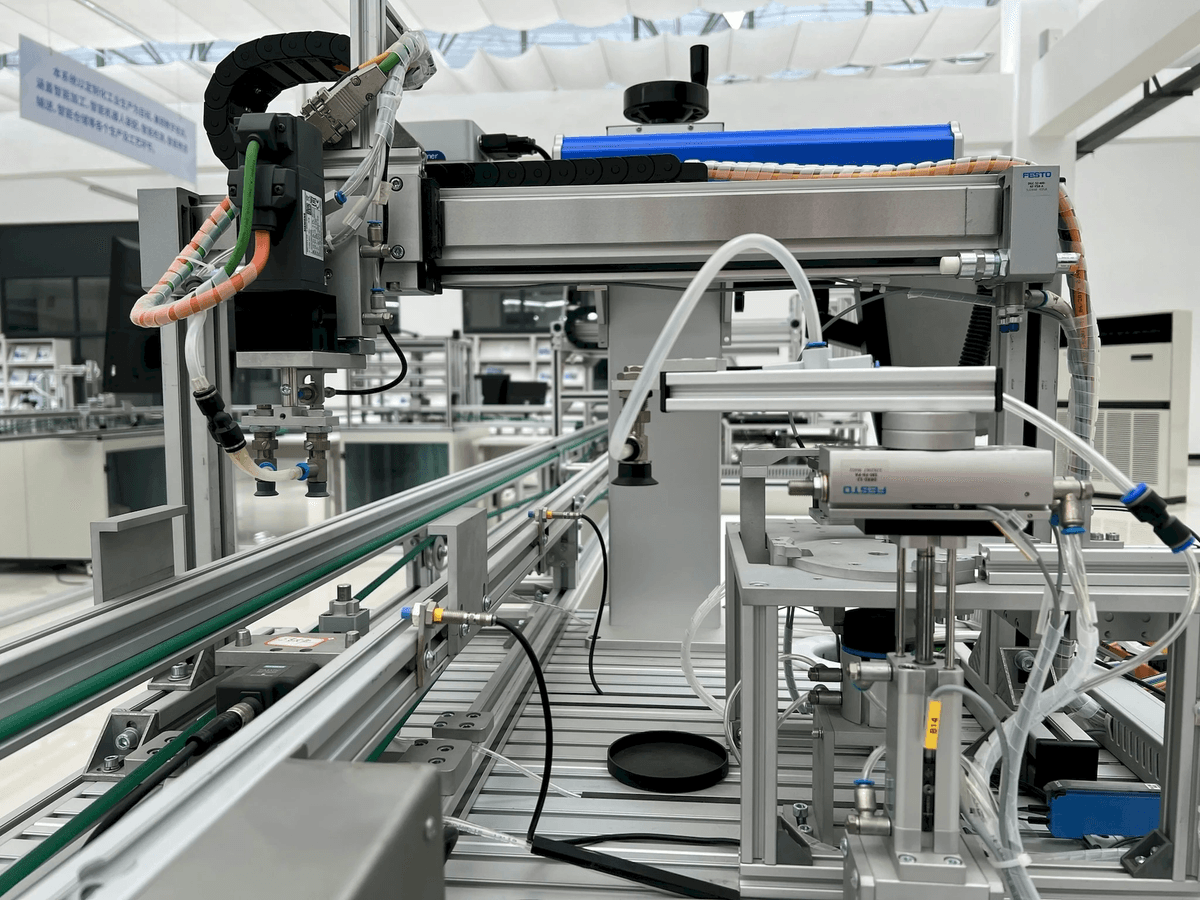
The right consultant should not only possess the necessary certifications but also have a solid track record in quality control across various industries. This ensures that they can effectively control the quality and implement robust quality assurance strategies tailored to your specific needs.
Certifications That Matter
Certifications are often the gold standard when assessing a quality control consultant’s credentials. Look for industry-recognized certifications such as Six Sigma, ISO 9001, or Lean Quality Management, which indicate a strong foundation in quality assurance principles. These certifications demonstrate that the consultant has undergone rigorous training and understands how to apply best practices in quality inspection and management.
Additionally, specialized certifications related to your industry can be invaluable. For example, if you're in pharmaceuticals or food production, consultants with HACCP or FDA compliance certifications will have insights into specific regulatory requirements that impact control and quality processes. Remember, a well-certified consultant is more than just a piece of paper; they represent an investment in your company’s commitment to excellence.
Relevant Industry Experience
Experience is another crucial factor when evaluating potential consultants for your quality assurance needs. A consultant who has worked extensively within your industry will understand its unique challenges and standards better than someone with generic experience. Their familiarity with industry-specific regulations means they can help you navigate complex compliance landscapes while ensuring that you maintain high-quality standards.
Moreover, relevant experience allows them to bring proven strategies and techniques that have worked elsewhere—saving you time and resources while enhancing your own processes for controlling the quality of products or services. Ask potential consultants about their previous projects: how did they improve processes? What measurable outcomes did they achieve? This insight will help you gauge their ability to deliver results tailored specifically to your sector.
Continuous Learning and Adaptation
In today’s fast-paced business environment, continuous learning is essential for any successful quality control consultant. The landscape of quality assurance evolves rapidly due to technological advancements and changing regulations; therefore, consultants must stay updated on new methodologies and tools that can enhance their effectiveness in controlling the quality of operations.
Look for signs of ongoing education—whether through workshops, certifications, or active participation in industry conferences—as these indicate a commitment to professional growth and adaptation to new challenges in the field of quality inspection. A proactive approach towards learning not only benefits the consultant but also translates into better service delivery for your organization.
In summary, when evaluating qualifications and experience of potential consultants for your business's needs in controlling the quality of products or services, consider their relevant certifications, industry-specific expertise, and commitment to continuous improvement—these factors are critical in ensuring effective partnerships aimed at achieving excellence through robust quality assurance practices.
Communication and Collaboration
In the realm of quality control, effective communication and collaboration are paramount for success. A quality control consultant must not only understand the technical aspects of quality assurance but also be able to convey complex ideas in a way that resonates with your team.
Ensuring Clear Understanding of Goals
The first step in any successful partnership with a quality control consultant is establishing clear goals. It’s crucial that both parties have a mutual understanding of what you aim to achieve regarding quality assurance and how it aligns with your overall business objectives. This clarity allows the consultant to tailor their strategies effectively, ensuring that their approach is focused on controlling the quality where it matters most.
How They Handle Feedback
Feedback is an essential component of any collaborative effort, especially in the context of quality inspection and assurance. A competent quality control consultant should welcome constructive criticism and view it as an opportunity for growth rather than a setback. Their ability to adapt based on your feedback will not only enhance their effectiveness but also foster a more productive working relationship, ultimately leading to improved control over your quality processes.
The Importance of Cultural Fit
Cultural fit can significantly influence the success of your partnership with a quality control consultant. A shared vision and compatible values between your organization and the consultant will facilitate smoother communication and collaboration throughout the engagement process. When both parties align on principles related to quality assurance, it creates an environment conducive to innovation, allowing for more effective solutions tailored specifically to your unique challenges in controlling the quality.
Cost vs. Value Analysis

Understanding Pricing Structures
Pricing structures for quality control consultants can be as diverse as the industries they serve. Some consultants charge hourly rates, while others may offer flat fees or project-based pricing depending on the scope of work involved in quality inspection and assurance. It's essential to clarify what is included in these fees—such as site visits, report generation, or ongoing support—to avoid any surprises down the line when it comes to managing your budget for quality control.
Finding the Balance Between Cost and Quality
While it's tempting to go for the lowest bidder when selecting a quality control consultant, this approach can often backfire if it compromises your control and quality standards. Quality assurance is an investment in your business’s reputation and efficiency; therefore, finding a balance between cost and quality should be a priority. Look for consultants who provide transparent pricing while demonstrating their ability to deliver high-quality results; after all, you want someone who will elevate your standards rather than just meet them.
Long-Term Benefits of Quality Investments
Investing in top-tier quality assurance not only improves immediate operational efficiency but also pays dividends over time through reduced waste and enhanced customer satisfaction. A skilled quality control consultant helps establish systems that ensure consistent performance across all facets of production or service delivery—this translates into long-term savings and profitability for your business. Remember that effective control of quality isn’t just about short-term gains; it’s about building a sustainable framework that supports growth and innovation well into the future.
Conclusion

In the ever-evolving landscape of business, making an informed decision about hiring a quality control consultant is crucial for your organization's success. The right consultant not only enhances your quality assurance processes but also helps you control the quality of your products and services. By considering industry-specific needs, qualifications, and communication styles, you can ensure that your partnership will yield long-term benefits.
Making an Informed Decision
Choosing the right quality control consultant requires careful consideration of various factors. Understanding what each consultant brings to the table—be it their experience in quality assurance or their ability to adapt to unique challenges—is essential for maintaining high standards in your operations. Ultimately, an informed decision will empower you to control the quality effectively while fostering continuous improvement.
The Role of China Inspection Pro
China Inspection Pro stands out as a leading provider of quality inspection and assurance services tailored to meet diverse industry needs. With a focus on delivering exceptional results, they specialize in helping businesses navigate complex supply chains and ensure compliance with international standards. Their expertise in quality control allows clients to confidently manage risks while enhancing product reliability and customer satisfaction.
Building a Partnership for Quality Assurance
Establishing a partnership with a quality control consultant like China Inspection Pro is more than just hiring an external service; it's about building a collaborative relationship focused on mutual goals. This partnership enables organizations to continuously refine their processes while receiving valuable insights into best practices for controlling the quality of their offerings. Together, you can create an environment where quality assurance becomes ingrained in every aspect of your business strategy.