
Introduction

In today's global marketplace, understanding social compliance standards is crucial for businesses aiming to maintain ethical operations and foster positive relationships with stakeholders. Social compliance refers to the adherence to labor laws and ethical practices that protect workers' rights and promote fair working conditions. As companies increasingly face scrutiny over their supply chains, a comprehensive Social Compliance Checklist becomes an essential tool for ensuring compliance and mitigating risks.
Understanding Social Compliance Standards
Social compliance standards encompass various regulations and norms designed to protect workers' rights and ensure safe working environments. These standards can vary by region but generally include aspects such as fair wages, reasonable working hours, non-discrimination policies, and health and safety measures. By understanding these standards, companies can better prepare for a social compliance audit, ensuring they meet or exceed expectations set forth by regulatory bodies.
The Importance of a Social Compliance Checklist
A Social Compliance Checklist serves as a roadmap for businesses preparing for audits or assessments of their labor practices. This checklist not only highlights key areas of focus but also helps identify potential gaps in compliance before they become significant issues during the Opening Meeting of an audit process. By utilizing this checklist effectively, organizations can streamline their preparation efforts while enhancing transparency with stakeholders.
Key Components of a Social Compliance Audit
A successful social compliance audit consists of several key components that work together to evaluate an organization's adherence to established standards. These components typically include the Factory Tour, where auditors observe working conditions firsthand; Employee Documentation review to ensure all records are accurate; and Interviewing Processes that allow employees to share their experiences confidentially. The Closing Meeting then wraps up findings and recommendations, paving the way for continuous improvement in social compliance practices.
What is a Social Compliance Audit?

A social compliance audit is a systematic evaluation of a company's adherence to established social standards, which often encompass labor rights, health and safety, and ethical business practices. These audits are crucial for ensuring that organizations not only comply with legal requirements but also foster a positive work environment. By utilizing a Social Compliance Audit Checklist, businesses can streamline their assessment process and ensure thorough evaluations.
Defining Social Compliance
Social compliance refers to the adherence of businesses to various ethical standards concerning the treatment of workers and their working conditions. This includes respecting labor rights, ensuring fair wages, providing safe working environments, and upholding non-discrimination policies. Understanding this definition is key to grasping why a social compliance audit is essential for any organization aiming for sustainable operations.
Why do you need a social compliance audit?
Conducting a social compliance audit helps organizations identify potential risks related to labor practices before they escalate into significant issues. It serves as an early warning system that can protect both employees and the company’s reputation from potential scandals or legal troubles. Moreover, by understanding Why do you need a social compliance audit?, companies can enhance operational efficiency while demonstrating their commitment to ethical practices.
The Role of a Social Compliance Checklist
The Social Compliance Checklist plays an instrumental role in guiding auditors through the evaluation process during the Opening Meeting and throughout the Factory Tour. This checklist ensures that all relevant areas are covered systematically—from employee documentation to interviewing processes—reducing oversight risks significantly. Furthermore, it acts as an essential tool during the Closing Meeting by summarizing findings and ensuring no critical aspects are overlooked.
Preparing for the Opening Meeting

When gearing up for the Opening Meeting of a social compliance audit, it’s crucial to set a clear agenda that guides the discussion and ensures all relevant topics are covered. This agenda should outline the audit objectives, key areas of focus from the Social Compliance Audit Checklist, and timeframes for each segment. A well-structured agenda not only keeps everyone on track but also sets a professional tone for the proceedings.
Setting the Agenda
An effective agenda will typically include introductions, an overview of the audit process, and a detailed discussion on expectations from all parties involved. By addressing items like factory tour logistics and employee documentation requirements upfront, you can streamline communication and minimize any potential confusion later on. Remember to allocate time for questions; this fosters an open dialogue that can reveal insights critical to understanding compliance needs.
Key Stakeholders to Involve
Involving key stakeholders in your Opening Meeting is essential for ensuring comprehensive engagement throughout the audit process. This typically includes management representatives, HR personnel, and possibly even employees who can provide firsthand insight into workplace practices related to social compliance. Their participation not only enhances transparency but also reinforces commitment to addressing any issues identified during factory tours or employee interviews.
Expectations from the Audit
Setting clear expectations is vital when preparing for your social compliance audit. Stakeholders should understand why do you need a social compliance audit?—to identify gaps in adherence to labor laws and ethical standards that could impact both workers' rights and brand reputation significantly. Additionally, clarifying what will be covered during the factory tour, how employee documentation will be assessed, and what interviewing processes will take place helps align everyone’s goals with those of the audit team.
Conducting the Factory Tour

Once you've wrapped up the Opening Meeting, it's time to roll up your sleeves and dive into the heart of the operation: the factory tour. This is where the theory of your Social Compliance Audit Checklist comes to life. A well-planned tour not only reveals how a facility operates but also highlights areas that may need improvement.
Areas to Inspect During the Tour
During your factory tour, there are several key areas you should inspect to ensure compliance with social standards. Start with employee welfare zones such as break rooms and restrooms, where conditions must meet basic health and safety regulations. Next, check production areas for adherence to labor laws, including working hours and safe machinery operation—this is crucial for answering the question: Why do you need a social compliance audit?
Don't forget about documentation practices; ensure that all Employee Documentation is readily available and accurate. This includes records related to employee contracts, training programs, and health benefits—a vital part of your Social Compliance Audit Checklist. By focusing on these areas during the factory tour, you'll gather essential insights into both compliance levels and potential gaps.
Identifying Compliance Gaps
Identifying compliance gaps during your factory tour can be akin to playing detective—exciting but requiring keen observation! As you walk through various departments, look for discrepancies between what’s documented in your Social Compliance Audit Checklist and what you see in practice. For instance, if employees report working conditions that differ from those outlined in official documents or interviews conducted later on, this could indicate serious issues.
Engage with employees informally while touring; their firsthand accounts can reveal non-compliance that might not be visible through paperwork alone. Additionally, take note of any safety hazards or violations of labor rights—these are red flags that demand immediate attention during your Closing Meeting discussions. The more thorough you are in identifying these gaps now, the better prepared you'll be for subsequent steps in ensuring compliance.
Engaging with Management
Engaging with management during the factory tour is crucial for fostering transparency and collaboration throughout the auditing process. Use this opportunity to discuss initial observations from your Social Compliance Audit Checklist directly with managers; it sets a tone of open communication right from the start. Ask questions about their policies on employee welfare or safety protocols—this dialogue can help clarify any discrepancies you've noted.
Management's willingness to engage can also provide insights into their commitment level towards maintaining social standards within their operations. Remember that this interaction isn't just about pointing out problems; it's an opportunity to discuss potential solutions as well! By establishing rapport during this phase of interviewing processes, you're laying a foundation for constructive feedback during the Closing Meeting.
Employee Documentation Essentials
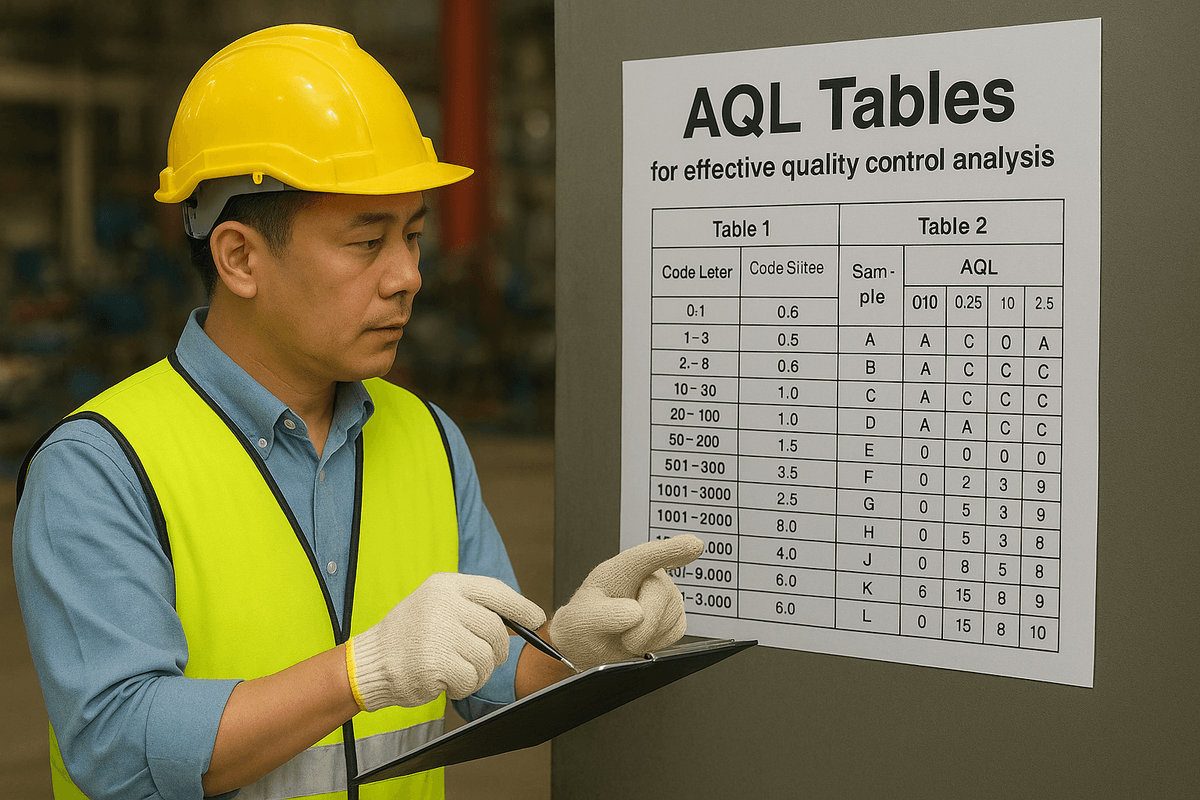
When it comes to a successful social compliance audit, employee documentation is at the heart of the process. A thorough Social Compliance Audit Checklist will often require various types of documentation that demonstrate adherence to labor laws and ethical practices. Proper documentation not only reflects compliance but also serves as a foundation for trust between management and employees during the Opening Meeting.
Types of Required Documentation
The types of required documentation can vary depending on specific regulations and standards, but generally include employee contracts, payroll records, and health and safety documents. Additionally, training records and timekeeping logs are crucial elements that help verify compliance with labor laws. Having these documents readily available during the Factory Tour can streamline the auditing process and ensure that you’re well-prepared for any inquiries from auditors.
Ensuring Accuracy and Completeness
Ensuring accuracy and completeness in employee documentation is vital for a successful social compliance audit. Any discrepancies or missing information could raise red flags during the Closing Meeting, leading to potential non-compliance findings. Regularly reviewing your Social Compliance Audit Checklist can help identify areas where documentation may be lacking or inaccurate before the audit begins.
Common Pitfalls in Documentation
One of the most common pitfalls in employee documentation is neglecting to update records regularly, which can lead to outdated or incorrect information being presented during interviews or audits. Another frequent issue is failing to maintain confidentiality while collecting sensitive data; this could jeopardize employee trust during Interviewing Processes. Lastly, overlooking specific local regulations might result in gaps in compliance that could have easily been avoided with proper attention to detail on your Social Compliance Checklist.
Mastering the Interviewing Processes

Conducting effective interviews is a crucial part of any social compliance audit. This process allows auditors to gather insights directly from employees, shedding light on workplace conditions and practices that might not be evident during the factory tour. By mastering the interviewing processes, you can ensure that your social compliance checklist is thorough and accurate.
Best Practices for Employee Interviews
To get the most out of employee interviews, it's essential to create a comfortable environment where individuals feel safe sharing their thoughts. Start by establishing rapport; a friendly demeanor can help ease tension and encourage open communication. Additionally, it's vital to conduct these interviews in private settings to foster trust and confidentiality—this aligns with why you need a social compliance audit in the first place: to ensure honest feedback without fear of repercussions.
Another best practice is to remain neutral during conversations; avoid leading questions or showing bias toward certain responses. This neutrality helps maintain the integrity of your findings as outlined in your Social Compliance Audit Checklist. Lastly, be sure to actively listen and take detailed notes; this will help you identify trends or recurring issues when it comes time for the closing meeting.
Types of Questions to Ask
When crafting your questions, focus on both open-ended and specific inquiries that allow employees to express their experiences freely while also addressing key areas on your social compliance checklist. For instance, ask about working hours, wages, safety protocols, and any grievances they may have encountered—these topics are vital for understanding compliance gaps during your factory tour.
Additionally, consider including scenario-based questions that prompt employees to think critically about their workplace conditions; this can yield valuable insights into areas needing improvement or adjustment within employee documentation practices. Remember that the goal here is not just information gathering but creating a dialogue that empowers employees.
Maintaining Confidentiality and Trust
Confidentiality is paramount during employee interviews if you want candid responses without fear of backlash or retaliation—this is where trust becomes crucial in the auditing process. Make it clear from the outset that all information shared will remain confidential and used solely for improving workplace conditions as part of your social compliance audit efforts.
Ensure employees know they can speak freely without worrying about repercussions by reinforcing anonymity throughout your discussions and follow-up actions post-audit. This commitment will not only enhance the quality of information gathered but also contribute positively to overall morale within the organization—a win-win situation!
By mastering these interviewing processes, you'll set yourself up for success as you prepare for both the opening meeting with management and eventual discussions in the closing meeting regarding findings from your comprehensive audit.
Wrapping Up with the Closing Meeting
The closing meeting is a pivotal moment in the social compliance audit process, serving as the bridge between findings and actionable improvements. This is where the Social Compliance Audit Checklist comes to life, transforming observations into tangible recommendations. It’s an opportunity for all stakeholders to align on what was discovered during the Factory Tour and how to address any gaps identified.
Presenting Findings and Recommendations
During this segment of the closing meeting, auditors present their findings based on observations from the Factory Tour and insights gained from Employee Documentation and interviews. Each point should be clearly articulated, referencing specific items from the Social Compliance Checklist to ensure clarity and focus. Recommendations should not only address compliance gaps but also suggest practical steps for improvement that can be integrated into daily operations.
Discussing Next Steps
After presenting findings, it's essential to discuss next steps with key stakeholders involved in the Opening Meeting. This includes setting timelines for implementing recommendations, assigning responsibilities, and determining how progress will be tracked over time. Engaging everyone in this conversation fosters accountability and encourages a collaborative approach toward enhancing social compliance practices.
Importance of Follow-Up Actions
Follow-up actions are crucial for ensuring that recommendations from the social compliance audit are taken seriously and acted upon effectively. Without follow-up, even the best intentions can fall by the wayside—making it vital to schedule subsequent meetings or check-ins as part of your Social Compliance Audit Checklist process. Remember, maintaining momentum post-audit not only strengthens compliance but also enhances trust among employees who participated in interviewing processes throughout your assessment.
Conclusion

In wrapping up our discussion on social compliance, it's essential to recognize that the journey doesn't end with the audit. Social compliance is a continuous commitment to ethical practices, ensuring that companies not only meet legal requirements but also foster a culture of responsibility and respect within their operations. By embracing social compliance standards, organizations can secure long-term benefits that extend beyond mere regulatory adherence.
The Long-Term Benefits of Social Compliance
The advantages of implementing a robust social compliance framework are multifaceted. First and foremost, it mitigates risks associated with labor violations, ensuring that companies avoid potential fines and legal repercussions. Moreover, consistent use of a Social Compliance Checklist helps organizations identify areas for improvement and maintain high standards throughout their supply chain.
Beyond risk management, the long-term benefits include enhanced operational efficiency and increased employee morale. When workers feel valued and protected through diligent Employee Documentation practices and fair treatment during Interviewing Processes, productivity naturally rises. Ultimately, these factors contribute to sustainable business growth and resilience in an ever-evolving marketplace.
Enhancing Your Brand Reputation
In today's socially conscious environment, brand reputation can make or break a company’s success. A well-executed social compliance audit not only demonstrates your commitment to ethical practices but also builds trust among consumers who increasingly prioritize responsible sourcing in their purchasing decisions. By integrating findings from the Closing Meeting into actionable strategies, brands can showcase their dedication to transparency and accountability.
Furthermore, positive engagement during the Factory Tour allows companies to highlight their commitment to ethical labor practices directly to stakeholders and customers alike. This proactive approach enhances brand loyalty as consumers are more likely to support businesses that align with their values on social responsibility. A strong reputation built on sound social compliance principles can lead to increased market share and customer retention over time.
Resources for Ongoing Compliance Excellence
To maintain excellence in social compliance efforts, organizations must leverage various resources available at their disposal continuously. Utilizing tools like the Social Compliance Audit Checklist ensures all necessary steps are followed throughout audits while keeping teams aligned on expectations set during the Opening Meeting. Additionally, investing in training programs focused on best practices for Employee Documentation solidifies understanding among staff about what constitutes compliant behavior.
Networking with industry peers can also provide valuable insights into effective strategies for navigating complex compliance landscapes. Online platforms offer forums where businesses share experiences related to Interviewing Processes or challenges faced during audits—creating an invaluable knowledge base for all involved parties looking toward ongoing improvements in social compliance efforts. By remaining proactive about education and collaboration within this field, companies can achieve lasting success in meeting both regulatory requirements and ethical standards.