
Introduction

In the world of fashion, garment defects can turn a promising piece into a disappointing purchase. Understanding garment defects is crucial for both manufacturers and consumers alike, as these flaws can affect not only the aesthetic appeal but also the functionality of clothing. By addressing issues such as broken, skipped or missing stitches, untrimmed threads, and dimensions out of tolerance, we can elevate the quality of garments on the market.
Understanding Garment Defects
Garment defects encompass a range of issues that can arise during the manufacturing process, impacting everything from stitching to finishing touches. Common problems include broken, skipped or missing stitches that compromise durability and appearance. Identifying potential reasons for broken, skipped or missing stitches is essential in preventing these flaws from reaching consumers.
The Importance of Quality Control
Quality control serves as the guardian of garment integrity in an industry where first impressions matter immensely. Implementing robust quality control measures helps ensure that every piece meets established standards before it hits store shelves. This includes monitoring for common issues like untrimmed threads and dimensions out of tolerance to maintain brand reputation and customer satisfaction.
A Quick Overview of Common Issues
As we delve deeper into garment defects, we'll explore various common issues encountered in apparel production. From puckering that disrupts fabric flow to open seams that threaten structural integrity, understanding these problems is vital for anyone involved in clothing design or retail. By recognizing these challenges early on and developing tolerances and points of measure for each defect type, we can significantly enhance overall product quality.
Broken, Skipped or Missing Stitches
These issues not only compromise the structural integrity of a garment but also impact its overall appearance and functionality. In this section, we’ll dive into the significance of stitches and how their absence can lead to a cascade of quality concerns.
Identifying the Impact of Stitches
Stitches are the backbone of any garment; they hold everything together, quite literally! When you encounter broken, skipped, or missing stitches in a piece of clothing, it can lead to unraveling seams and an unkempt look that screams poor quality. Moreover, these stitching problems can affect how well the garment fits and performs in everyday wear—no one wants their shirt to fall apart at an inopportune moment!
Potential Reasons for Broken, Skipped or Missing Stitches
Understanding potential reasons for broken, skipped or missing stitches is crucial for preventing these pesky defects from occurring in the first place. Common culprits include using the wrong thread type or size—think about using heavy-duty thread on lightweight fabrics! Additionally, improper tension settings on sewing machines can lead to inconsistent stitching results while untrimmed threads may also contribute to the problem by getting caught during production.
How to Address Stitching Problems
Addressing stitching problems requires a proactive approach focusing on quality control measures throughout production. First off, developing tolerances and points of measure during the design phase ensures that all components align correctly before they hit the sewing machine. Regular inspections during manufacturing can help catch broken or skipped stitches early on; if issues arise post-production, repairing open seams with reinforcement techniques will keep garments looking sharp while maintaining structural integrity.
Untrimmed Threads
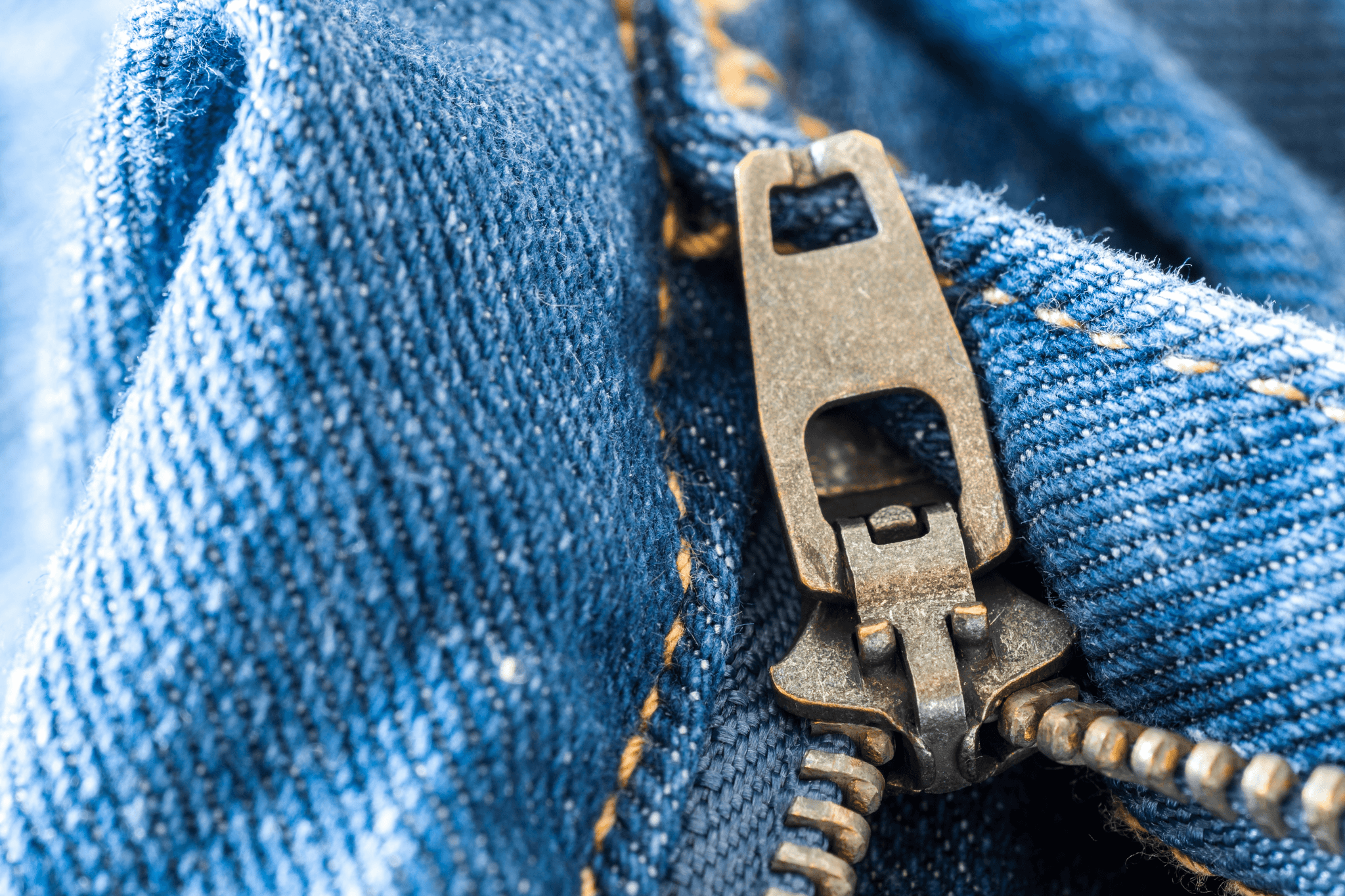
Untrimmed threads can be a pesky yet common issue in the world of garment defects. While they may seem like a minor annoyance, these stray threads can significantly impact the overall appearance and perception of a piece of clothing. A well-finished garment should exhibit clean lines and polished edges, making untrimmed threads an unwelcome sight that detracts from the quality of the product.
The Aesthetic Downsides of Untrimmed Threads
When it comes to aesthetics, untrimmed threads can create an impression of carelessness in garment construction. Rather than showcasing meticulous craftsmanship, garments with visible threads often appear unfinished or poorly made. This not only affects how consumers perceive the item but can also lead to dissatisfaction and potential returns—making it essential for manufacturers to pay attention to this detail.
Moreover, untrimmed threads can disrupt the visual flow of a design, drawing attention away from other carefully crafted elements such as patterns or embellishments. In fashion, where first impressions matter immensely, any defect—even something as seemingly trivial as untrimmed threads—can have outsized consequences on sales and brand reputation. Therefore, addressing this issue is crucial for maintaining high standards in garment quality.
Implications for Product Quality
The presence of untrimmed threads often signals deeper issues related to quality control during production processes. If manufacturers overlook such details, it raises questions about their commitment to overall quality assurance practices across all aspects of garment assembly—from broken, skipped or missing stitches to dimensions out of tolerance. Essentially, untrimmed threads serve as a red flag indicating potential lapses in inspection protocols.
Additionally, consumers increasingly prioritize quality over quantity; they are more likely to invest in brands that demonstrate attention to detail and craftsmanship. Garments featuring untrimmed threads may be perceived as inferior products that do not reflect well on the brand's image or integrity within the fashion industry. Thus, ensuring that every thread is trimmed properly is vital not just for aesthetics but also for preserving product value.
Tips for Prevention
Preventing untrimmed threads requires diligence throughout the entire manufacturing process—from initial design through final inspection stages. One effective strategy is implementing strict quality control measures that include regular checks specifically focused on thread trimming before garments leave production facilities. This proactive approach helps catch any issues early on and ensures that finished pieces meet high standards expected by consumers.
Another key tip involves training sewing staff thoroughly on best practices regarding thread management during construction phases; this includes proper cutting techniques after stitching operations are completed. By fostering an environment where employees understand the significance of details like trimming excess thread, manufacturers can significantly reduce instances of these common garment defects.
Lastly, utilizing advanced machinery designed with automatic thread trimming capabilities could streamline production while minimizing human error associated with manual cutting processes—ultimately leading to fewer open seams and other related defects down the line! Embracing technology alongside rigorous training will pave the way toward achieving impeccable product quality across collections.
Dimensions Out of Tolerance
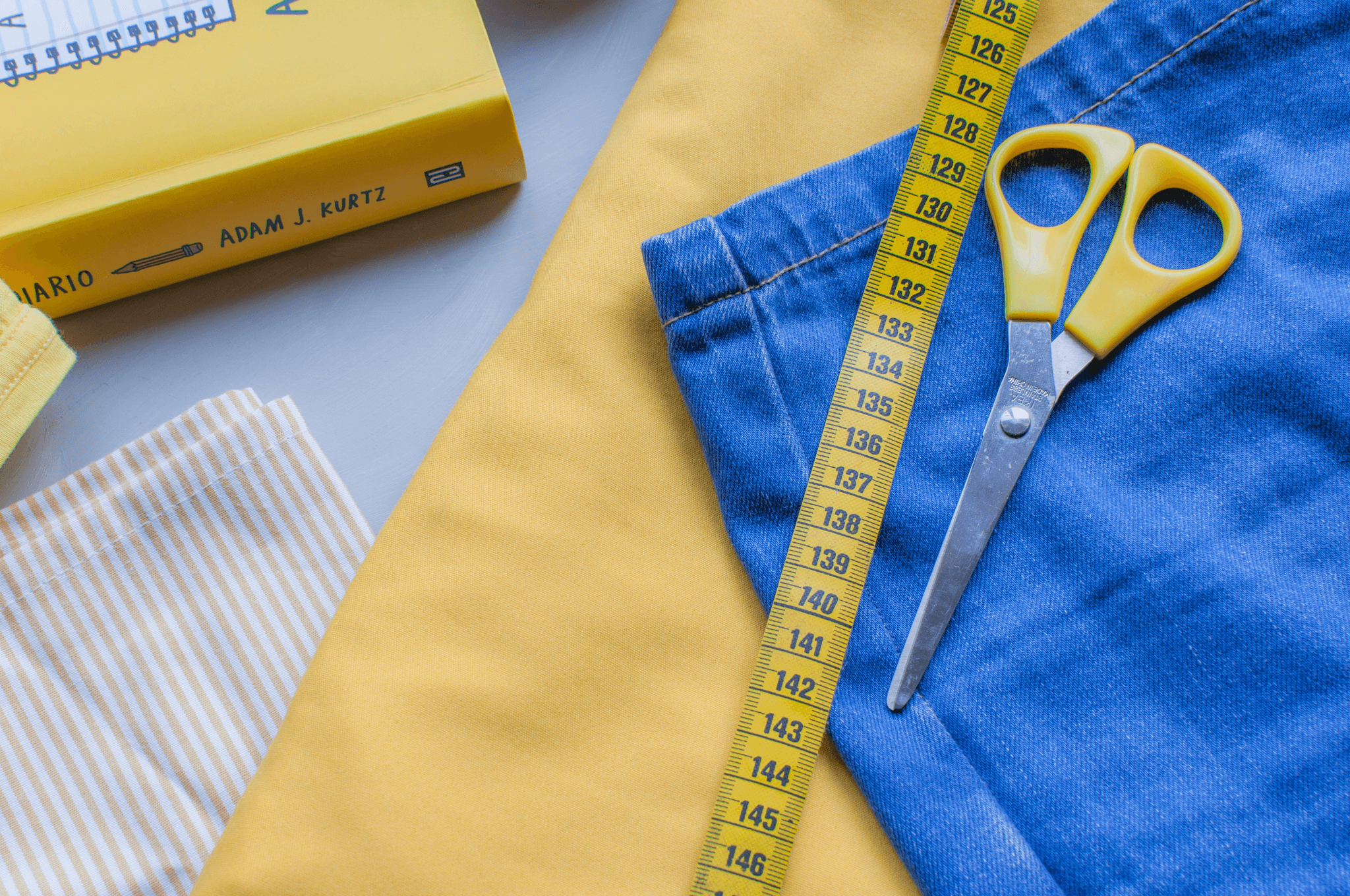
When it comes to garment defects, dimensions out of tolerance can be a silent yet significant issue. A garment that doesn’t fit properly can lead to dissatisfaction and returns, affecting both the brand's reputation and the bottom line. Understanding how to measure and manage these dimensions is crucial in maintaining quality control.
Measuring Up: Why Dimensions Matter
Dimensions matter in fashion not just for aesthetics but also for functionality. Ill-fitting garments can lead to discomfort, which means that even the most beautifully designed piece may end up unworn if it doesn’t fit right. In terms of garment defects, consistent measurements ensure that products meet customer expectations and industry standards.
When dimensions fall outside acceptable tolerances, it opens up a Pandora’s box of potential issues, including puckering, broken seams, or even open seams that compromise the integrity of the garment. Ensuring precise measurements helps avoid these pitfalls and fosters customer loyalty through reliable product quality. After all, no one wants to deal with untrimmed threads or broken stitches when they simply want a stylish outfit!
Developing Tolerances and Points of Measure
Developing tolerances is akin to setting the rules of engagement in a game; without them, chaos reigns supreme! It’s essential for manufacturers to establish clear points of measure for each type of garment they produce—think bust size for tops or inseam lengths for pants—to keep everything within acceptable limits. By doing so, you minimize the risk associated with common garment defects like untrimmed threads or broken stitches.
Points of measure should be documented meticulously so that everyone involved in production understands what is expected. This not only helps maintain consistency across batches but also serves as a reference point during quality inspections. After all, if you don’t know where you’re measuring from or what your target is, how can you ensure your garments aren’t riddled with issues such as open seams?
Solutions for Dimension-Related Defects
Addressing dimension-related defects requires a proactive approach rather than reactive fixes after problems arise. First off, investing in high-quality equipment can help ensure accurate cutting and stitching processes—this minimizes risks associated with broken stitches or puckering caused by fabric manipulation errors during production. Regular training sessions on measurement techniques can also empower staff to catch potential issues before they become full-blown defects.
Another effective solution involves implementing rigorous quality checks at various stages throughout production—don’t wait until everything is assembled to find out something’s amiss! Spot-checking dimensions at different points allows teams to identify any discrepancies early on while adjusting processes accordingly before garments are completed and shipped out into the world. This way, you’re not just fixing problems; you're preventing them from happening in the first place!
Puckering

Puckering is one of the most common garment defects that can turn a perfectly designed piece into a fashion faux pas. This unsightly issue arises when fabric gathers or ripples, often leading to an unprofessional appearance. Understanding the causes and effects of puckering, as well as implementing effective prevention strategies, is essential for maintaining high-quality standards in garment production.
What Causes Puckering in Fabric?
Puckering in fabric can stem from several factors, including improper tension during stitching or using incompatible materials. For instance, if the thread tension is too tight while sewing, it may cause the fabric to pucker along seams—much like when you pull on a rubber band too hard. Additionally, using fabrics with different stretch properties without proper adjustments can lead to puckering; this is particularly relevant when dealing with broken, skipped or missing stitches that may compromise seam integrity.
How Puckering Affects Appearance
The visual impact of puckering cannot be overstated; it detracts from the overall aesthetic appeal of a garment and signals poor craftsmanship. When customers notice puckered seams or areas of fabric that appear uneven, their perception of quality diminishes significantly—potentially leading to returns or negative reviews. In a world where dimensions out of tolerance are already scrutinized, adding puckering to the mix only amplifies concerns about garment defects and quality control.
Prevention Strategies for Puckering
To combat puckering effectively, manufacturers should focus on developing tolerances and points of measure during the production process. Ensuring that machines are calibrated correctly and that operators are trained in proper sewing techniques can significantly reduce instances of puckering caused by human error. Moreover, selecting compatible fabrics and threads while conducting thorough inspections before finalizing garments will help minimize this defect—and keep those pesky open seams at bay!
Open Seams
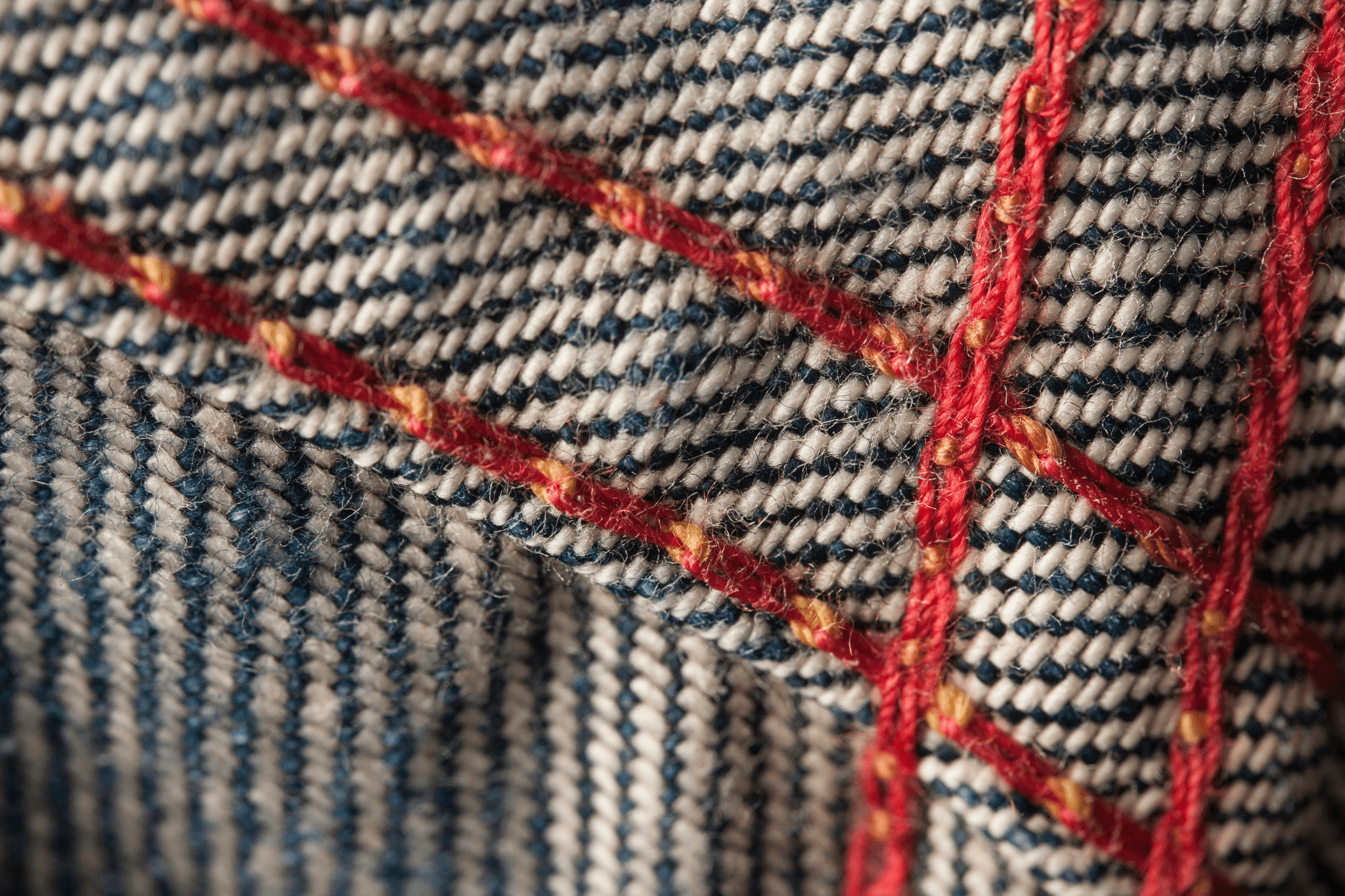
Open seams are a common garment defect that can significantly impact the overall quality and durability of a piece of clothing. These seams occur when the stitching that holds two pieces of fabric together comes undone, resulting in gaps or splits. Understanding open seams is crucial for both manufacturers and consumers, as they can lead to further issues if not addressed promptly.
Defining Open Seams in Garments
Open seams refer to areas in garments where the stitching has failed, leaving fabric edges exposed and unconnected. This defect can manifest in various ways, such as completely unattached sections or minor gaps along seam lines. Identifying open seams early is essential to prevent them from worsening, which could result from other garment defects like broken, skipped or missing stitches.
Risks Associated with Open Seams
The risks associated with open seams extend beyond mere aesthetics; they can compromise the structural integrity of garments. For instance, an open seam may lead to further unraveling of fabric, especially if subjected to stress during wear or washing. Additionally, open seams can create discomfort for the wearer and diminish the garment's overall quality perception—factors that are critical when developing tolerances and points of measure during production.
Repairing and Preventing Open Seams
Repairing open seams typically involves re-stitching the affected area using appropriate techniques that align with original construction methods. In some cases, it may be necessary to reinforce nearby stitches to ensure longevity and prevent recurrence—an important step given how broken, skipped or missing stitches often contribute to this issue. To prevent open seams from occurring in the first place, manufacturers should focus on quality control measures such as regular inspections for untrimmed threads and ensuring dimensions are within tolerance levels throughout production.
Quality Inspection for Garment Defects
Quality inspection is the unsung hero in the world of fashion, where garment defects can turn a stylish piece into a regrettable purchase.A robust inspection process not only identifies these issues but also helps in implementing solutions that elevate overall garment quality.
The Role of China Inspection Pro
China Inspection Pro plays a pivotal role in ensuring that garments meet industry standards by meticulously inspecting for common garment defects. Their expertise allows them to pinpoint potential reasons for broken, skipped or missing stitches and assess how these issues affect the final product. By leveraging their services, brands can confidently address concerns like dimensions out of tolerance and untrimmed threads before they reach consumers.
Ensuring Quality Through Professional Inspection
Professional inspection acts as a safety net against garment defects that could tarnish a brand's reputation. By examining each piece for puckering, open seams, and other flaws, inspectors provide invaluable feedback on quality control processes. This proactive approach not only reduces returns but also fosters customer loyalty by delivering well-crafted garments that meet expectations.
Turning Findings into Actionable Recommendations
Identifying garment defects is just the first step; turning those findings into actionable recommendations is where the real magic happens. Inspectors collaborate with manufacturers to develop tolerances and points of measure tailored to specific products, ensuring consistent quality across production runs. By addressing issues like untrimmed threads and open seams promptly, brands can enhance their offerings and significantly reduce the likelihood of future problems.
Conclusion
In the world of fashion, garment defects can be the difference between a product that flies off the shelves and one that gathers dust. From broken, skipped or missing stitches to untrimmed threads, each defect tells a story about the quality control processes (or lack thereof) in place. By understanding these common issues, we can better appreciate the importance of meticulous attention to detail in garment production.
Key Takeaways on Garment Defects
Garment defects come in many forms, with broken, skipped or missing stitches being among the most prevalent issues faced by manufacturers. These stitching problems often stem from inadequate machinery maintenance or operator error, both of which are critical factors in ensuring product integrity. Additionally, untrimmed threads and dimensions out of tolerance can severely impact a garment's overall aesthetic and fit, leading to customer dissatisfaction.
Another key takeaway is that puckering not only affects appearance but also indicates underlying construction flaws that could lead to more significant issues down the line. Open seams present another risk; they compromise durability and can result in garments falling apart after minimal use. Understanding these common defects allows brands to implement targeted solutions that enhance their products' quality.
The Role of Quality Control in Fashion
Quality control is the backbone of any successful fashion brand, acting as a safeguard against garment defects that could tarnish reputation and revenue alike. By developing tolerances and points of measure during production, brands can ensure consistency across their offerings while minimizing risks associated with dimension-related defects. A robust quality inspection process identifies issues like puckering or open seams before they reach consumers' hands.
Moreover, professional inspections—such as those provided by China Inspection Pro—play a vital role in maintaining high standards throughout manufacturing processes. These services help brands turn findings into actionable recommendations for improvement while fostering an environment where quality is prioritized over quantity. Ultimately, effective quality control translates into happier customers and stronger brand loyalty.
Final Thoughts on Improving Garment Quality
Improving garment quality hinges on recognizing potential reasons for broken, skipped or missing stitches and other common defects throughout production cycles. Brands must remain vigilant about untrimmed threads and dimensions out of tolerance by investing time in proper training for workers and regular equipment maintenance checks. This proactive approach will not only reduce defect rates but also elevate overall product appeal.
In conclusion, addressing garment defects requires commitment from all levels within a company—from design through production to final inspection—ensuring every piece meets high-quality standards before it reaches consumers. With an emphasis on continuous improvement and adherence to best practices in quality control, brands can significantly enhance their reputation while delighting customers with impeccable garments.