
Introduction
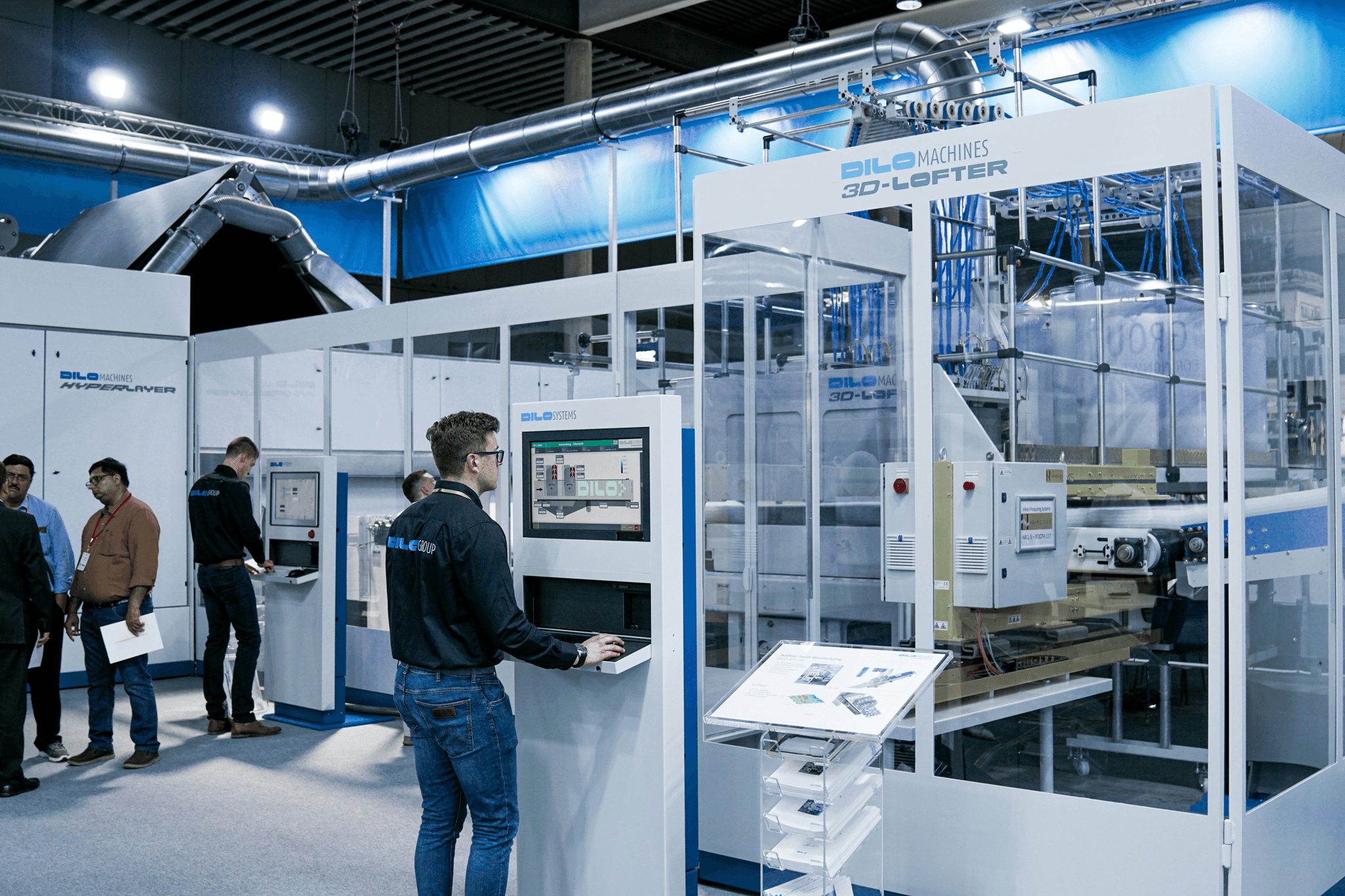
In today's competitive marketplace, the significance of quality inspections cannot be overstated. These inspections serve as a crucial checkpoint in the production process, ensuring that products meet established standards and are free from defects. By implementing effective quality control measures, businesses can enhance their reputation and maintain customer satisfaction.
The Importance of Quality Inspections
Quality inspections play a vital role in safeguarding product integrity and compliance with industry regulations. They help identify potential issues before they escalate into bigger problems, ultimately saving time and resources. Moreover, regular quality checks foster a culture of continuous improvement within organizations, leading to improved quality across all types of products.
Understanding Quality Assurance Standards
To fully grasp the value of quality inspections, it’s essential to understand the various quality assurance standards that guide them. Standards provide a framework for assessing product quality and ensuring consistency throughout the production process. Familiarity with these standards helps businesses establish acceptable quality limits (AQL) which are critical for maintaining compliance and minimizing risk.
How Quality Inspections Enhance Product Value
Quality inspections not only ensure compliance but also significantly enhance product value by instilling confidence in consumers. When customers know that rigorous visual inspections have been conducted, they are more likely to trust the brand and its offerings. This trust translates into loyalty and repeat business—a win-win situation for both manufacturers and consumers.
What Are Quality Inspections?

Quality inspections are a critical component of any manufacturing or production process, ensuring that products meet established standards and specifications. These inspections serve as a checkpoint to identify defects, compliance issues, and areas for improvement before products reach consumers. By implementing effective quality inspections, businesses can enhance their reputation, improve quality, and ultimately drive customer satisfaction.
Overview of Quality Inspections
At their core, quality inspections are systematic evaluations of products or processes to ensure they adhere to defined quality standards. They can take various forms, including visual inspections and more detailed assessments depending on the type of product being evaluated. Understanding the different types of quality inspections available is essential for organizations aiming to maintain high standards while minimizing risks associated with non-compliance.
Key Components of Quality Inspections
Several key components form the foundation of effective quality inspections. First and foremost is the establishment of acceptable quality limits (AQL), which dictate the maximum number of defective items allowed in a sample batch. Other important elements include defining inspection criteria based on specific product requirements and employing trained personnel who can accurately conduct visual inspections and other types of assessments.
Benefits of Conducting Quality Inspections
Conducting regular quality inspections offers numerous benefits that extend beyond mere compliance with regulations. For one, they help identify potential compliance issues and areas needing improvement before they escalate into larger problems, saving time and resources in the long run. Additionally, thorough quality inspections contribute to improved product reliability and customer trust—two invaluable assets in today’s competitive market landscape.
Types of Quality Inspections

When it comes to ensuring product excellence, understanding the various types of quality inspections is crucial. Each type serves a unique purpose in the overall quality assurance process and can significantly impact compliance issues and quality assurance. By familiarizing yourself with these inspection types, you can better navigate the landscape of improved quality standards.
Understanding Various Inspection Types
Quality inspections can be categorized into several distinct types, each tailored to address specific aspects of product evaluation. Common inspection types include pre-production inspections, in-process inspections, and final random inspections, all designed to assess different stages of production. The choice among these types often hinges on factors such as the acceptable quality limit (AQL), product complexity, and industry requirements.
Pre-production inspections focus on verifying that materials meet specified standards before manufacturing begins. In-process inspections monitor production processes to catch defects early on, while final random inspections evaluate finished products for compliance with established criteria. Understanding these types of quality inspections allows businesses to implement targeted strategies that enhance overall product integrity.
Importance of Visual Inspections
Visual inspections play a vital role in maintaining high-quality standards throughout the production process. These assessments provide immediate feedback on product appearance and functionality without requiring sophisticated equipment or extensive training. By conducting thorough visual inspections, manufacturers can identify defects that might otherwise go unnoticed until later stages.
The significance of visual inspections cannot be overstated; they serve as an initial line of defense against non-compliance issues and help ensure that products meet customer expectations from the outset. Not only do they promote accountability among workers, but they also foster a culture focused on continuous improvement in quality assurance practices. Ultimately, incorporating various types of visual inspection into your strategy leads to improved quality outcomes.
How to Choose the Right Inspection Type
Selecting the appropriate type of inspection is essential for maximizing effectiveness in your quality control efforts. Factors such as product type, complexity, volume, and specific compliance issues should guide your decision-making process when determining which inspection method best suits your needs. Additionally, considering acceptable quality limits (AQL) will help establish benchmarks for evaluating whether products meet required standards.
Engaging with experienced professionals or consultants can also provide valuable insights into which type aligns best with your operational goals and challenges faced during factory audits or other evaluations. Balancing cost-effectiveness with thoroughness is key; sometimes a combination of different inspection methods may yield optimal results in terms of improved quality assurance outcomes across various stages of production processes. Ultimately, making informed choices about inspection types will significantly affect both product success and customer satisfaction.
Defining Acceptable Quality Limits
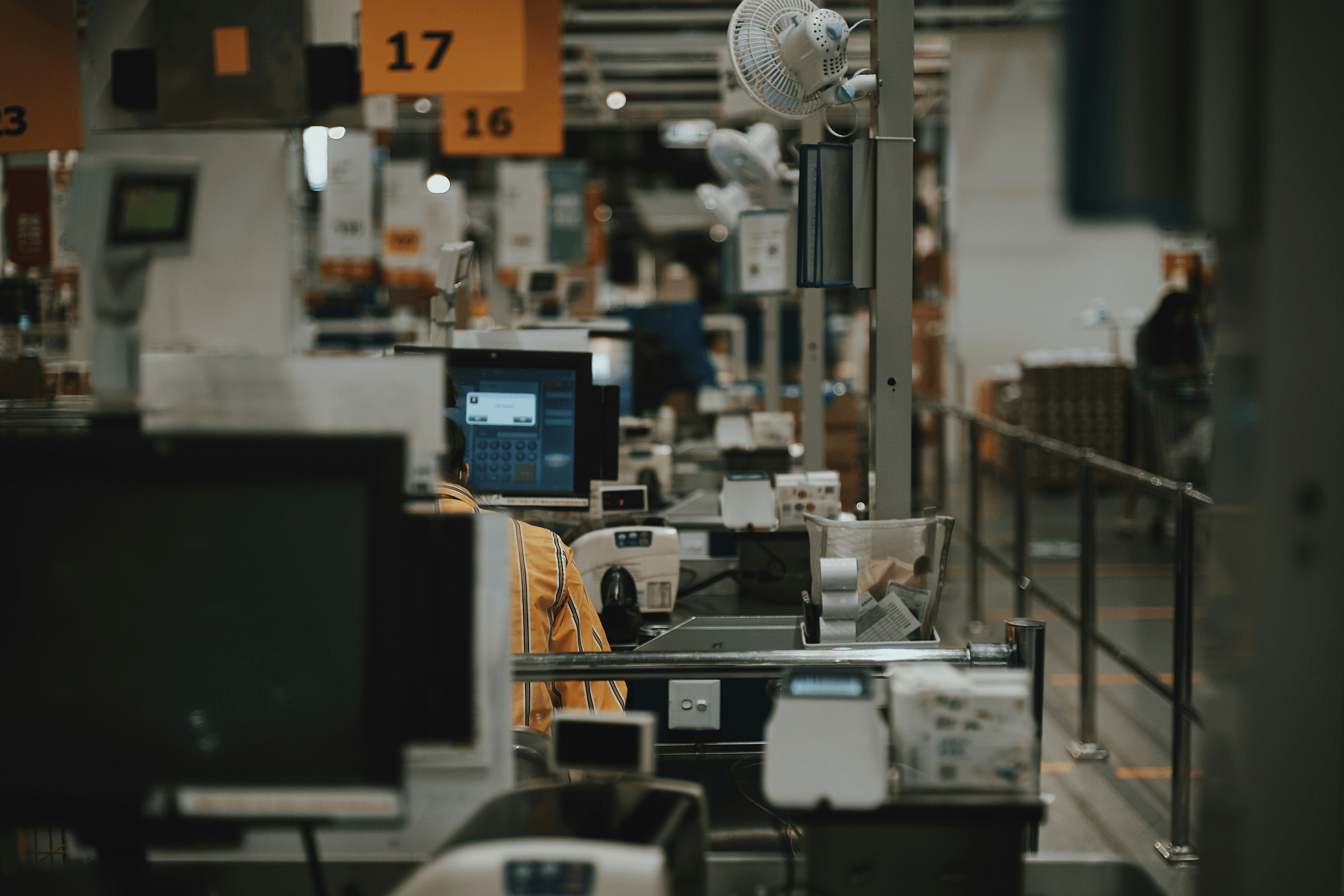
Defining acceptable quality limits is crucial in the realm of quality inspections, as it sets the benchmark for what is deemed satisfactory in product quality. These limits help organizations maintain consistency and ensure that products meet established standards before reaching consumers. By understanding acceptable quality limits, businesses can enhance their overall quality assurance processes and reduce the risk of compliance issues.
What is an Acceptable Quality Limit?
An acceptable quality limit (AQL) is a statistical measurement that defines the maximum number of defective items considered acceptable in a sample batch during quality inspections. It serves as a guideline to determine whether to accept or reject a lot based on the number of defects found during inspection. A well-defined AQL helps streamline processes by providing clarity on product expectations, ultimately leading to improved quality and customer satisfaction.
Establishing Quality Standards
Establishing robust quality standards involves identifying specific criteria that products must meet throughout their lifecycle, from production to delivery. These standards play a pivotal role in guiding various types of visual inspections and ensuring compliance with industry regulations. By integrating clear benchmarks into their operations, companies can effectively monitor performance and mitigate potential compliance issues related to quality assurance.
The Role of AQL in Quality Control
The role of AQL in quality control cannot be overstated; it acts as a vital tool for assessing whether products meet established criteria during factory audits and inspections. By applying AQL principles, businesses can systematically evaluate their production processes and identify areas needing improvement or adjustment. This proactive approach not only addresses compliance issues but also fosters enhanced product reliability through consistent application of accepted standards across various types of visual inspections.
Common Compliance Issues and Quality Assurance
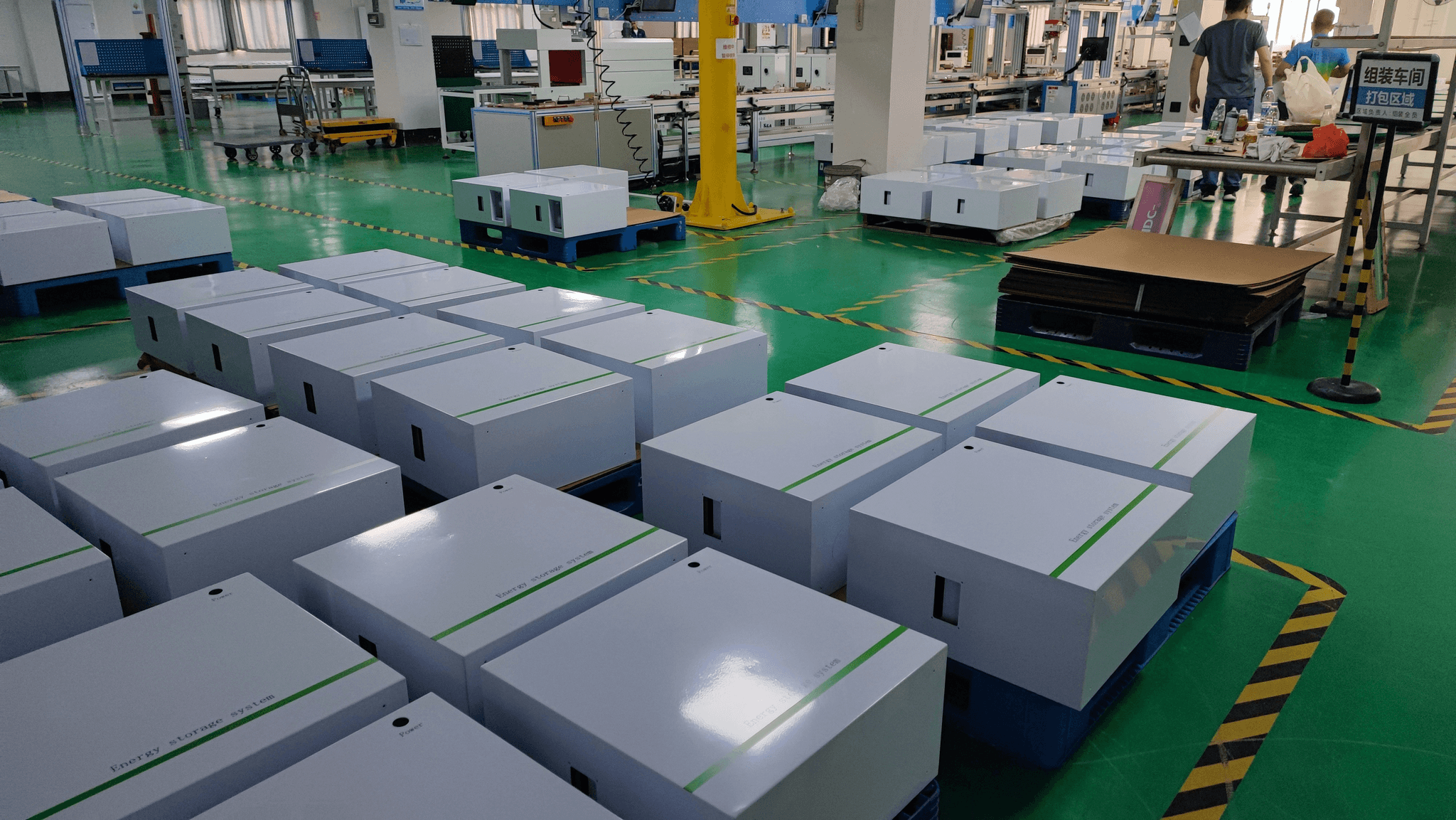
In the realm of quality assurance, compliance issues can significantly hinder the efficacy of quality inspections. These issues often arise when products fail to meet established standards, which can stem from various factors including inadequate training, lack of proper documentation, or even poor communication among teams. Identifying these compliance issues early on is crucial for maintaining high-quality products and ensuring customer satisfaction.
Identifying Compliance Issues
Identifying compliance issues often begins with a thorough review of the processes involved in quality inspections. Regular audits, including factory audits and visual inspections, can help pinpoint areas where standards are not being met. By understanding the types of quality that need to be monitored—such as material integrity or process adherence—companies can better assess their compliance status.
Moreover, implementing routine checks against acceptable quality limits (AQL) is essential for detecting deviations before they escalate into larger problems. This proactive approach allows businesses to address compliance challenges head-on rather than waiting for them to surface during final inspections or after product release. Ultimately, the more vigilant a company is in identifying these issues, the better positioned they are to uphold their commitment to quality assurance.
Impact of Compliance on Quality Assurance
Compliance issues have a profound impact on overall quality assurance efforts and can lead to significant repercussions if left unaddressed. When products do not meet regulatory requirements or internal quality standards, it can result in costly recalls, damage to brand reputation, and loss of customer trust—all detrimental outcomes for any business aiming for improved quality. Furthermore, consistent non-compliance may also lead to legal ramifications that could jeopardize a company’s operational viability.
The relationship between compliance and effective quality inspections cannot be overstated; without adherence to established guidelines, even the most rigorous inspection processes lose their effectiveness. For instance, visual inspections may miss critical defects if they are conducted without clearly defined criteria based on acceptable quality limits (AQL). Thus, ensuring compliance is not merely an administrative task but a foundational element that supports robust quality assurance strategies.
Strategies for Overcoming Compliance Challenges
To effectively overcome compliance challenges in the context of quality assurance, businesses must adopt a multi-faceted approach that encompasses training and continuous improvement initiatives. Regular training sessions focused on best practices in conducting various types of visual inspection equip employees with the necessary skills to identify potential issues before they become problematic. Additionally, fostering an organizational culture that prioritizes transparency encourages team members to report discrepancies without fear of reprisal.
Another strategy involves utilizing technology-driven solutions such as automated inspection systems that enhance accuracy while reducing human error during assessments—this is particularly beneficial when dealing with complex types of quality evaluations where minute details matter greatly. Finally, conducting comprehensive factory audits regularly ensures that all operations remain aligned with both internal standards and external regulatory requirements; this helps companies stay ahead by mitigating risks associated with non-compliance.
By implementing these strategies effectively, organizations can not only navigate through compliance challenges but also strengthen their overall commitment to improved product quality—resulting in higher customer satisfaction levels and enhanced market competitiveness.
The Role of Factory Audits in Quality Control
Factory audits are essential components of a robust quality control strategy, ensuring that products meet established standards and specifications. These audits provide a systematic examination of the manufacturing process, helping to identify areas for improvement in quality inspections and compliance with regulations. By conducting regular factory audits, businesses can enhance their quality assurance measures and ultimately deliver better products to consumers.
Importance of Factory Audits
The importance of factory audits cannot be overstated; they serve as a critical checkpoint for maintaining product integrity throughout the production cycle. These evaluations help organizations ensure adherence to acceptable quality limits (AQL) and identify potential compliance issues that may arise during manufacturing. Furthermore, factory audits foster transparency between manufacturers and stakeholders, creating an environment conducive to improved quality and trust.
How Factory Audits Improve Quality
Factory audits play a pivotal role in improving overall product quality by systematically assessing various aspects of the production process. They help pinpoint inefficiencies or defects that may not be apparent during routine visual inspections, thereby addressing underlying issues before they escalate into larger problems. By implementing findings from factory audits, companies can refine their processes, reduce waste, and ultimately achieve higher standards in their types of quality offerings.
Key Areas to Focus on During a Factory Audit
When conducting a factory audit, there are several key areas that should be prioritized to maximize its effectiveness in enhancing quality assurance practices. First and foremost is the evaluation of compliance with established safety regulations and industry standards; this ensures that all operations align with legal requirements while minimizing potential risks associated with non-compliance issues. Additionally, inspecting the methodologies used for various types of visual inspection can reveal insights into how well products are being monitored throughout production.
Conclusion
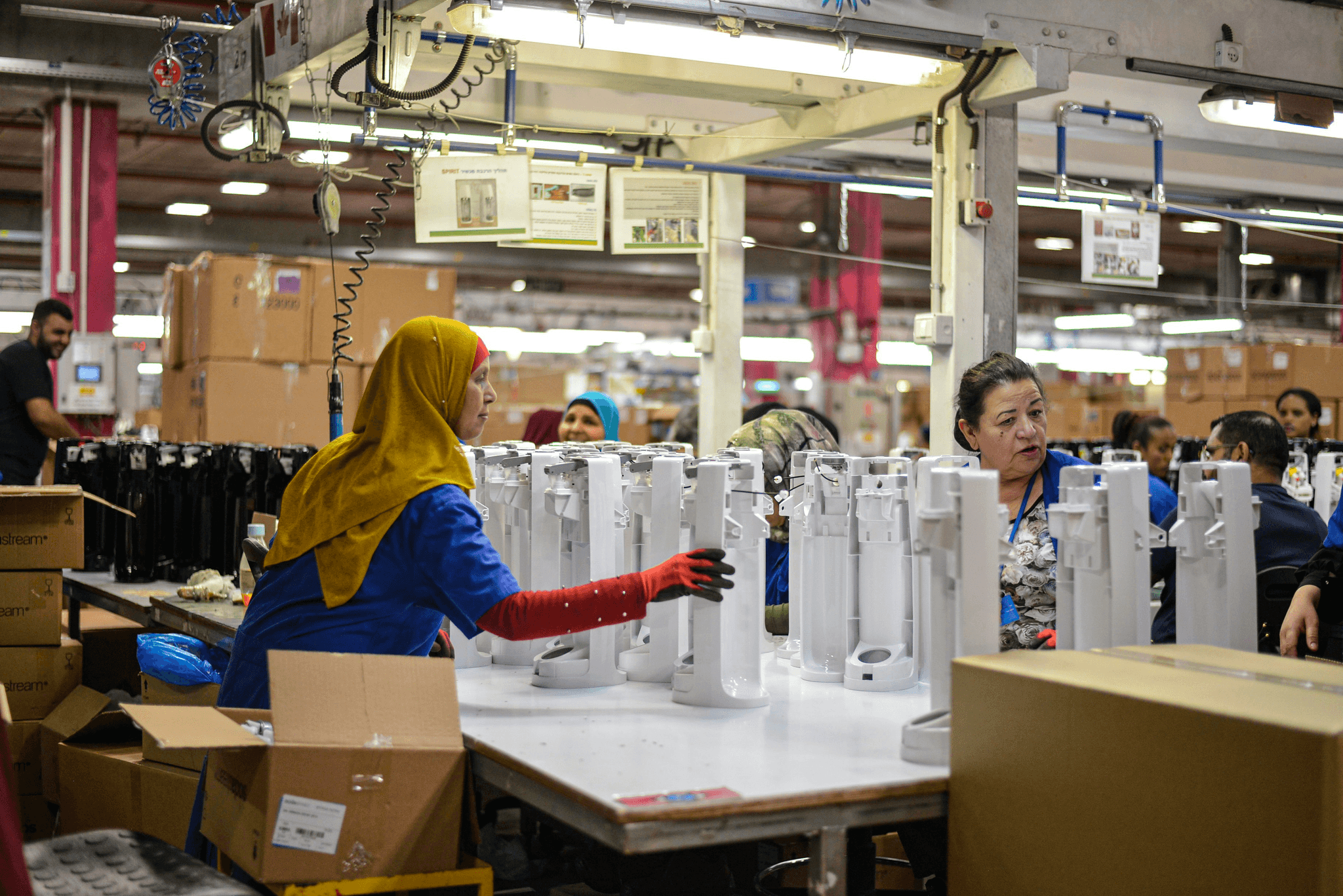
In the ever-evolving landscape of product manufacturing, quality inspections play a pivotal role in ensuring that goods meet established standards before reaching consumers. By prioritizing visual inspections and understanding the various types of quality checks available, businesses can significantly enhance their product value. Ultimately, a commitment to rigorous quality inspections not only boosts customer satisfaction but also fortifies brand reputation.
Maximizing Product Quality Through Inspections
Maximizing product quality hinges on the consistent execution of thorough quality inspections at every stage of production. Incorporating different types of visual inspection allows manufacturers to identify defects early, reducing waste and ensuring compliance with acceptable quality limits (AQL). This proactive approach not only leads to improved quality but also fosters a culture of excellence within organizations.
Implementing Effective Quality Control Strategies
To implement effective quality control strategies, companies must first understand the specific types of quality inspections that align with their products and processes. Establishing clear protocols for addressing compliance issues and incorporating regular factory audits can help maintain high standards throughout production cycles. By continually refining these strategies, businesses can achieve enhanced operational efficiency and consistently deliver superior products to their customers.
Choosing the Right Partner for Quality Assurance
Selecting the right partner for quality assurance is crucial in navigating the complexities of compliance issues and maintaining high-quality standards. A reputable partner should have expertise in various types of visual inspection techniques and a deep understanding of acceptable quality limits relevant to your industry. Collaborating with such partners ensures that your products undergo rigorous scrutiny, leading to improved quality outcomes and long-term success.