
Introduction

Ensuring QC Auditor Integrity isn’t just a checkbox on your quality control list; it’s the backbone of your brand’s reputation and customer trust. When auditors bend the rules or succumb to temptations like auditor bribery, the entire supply chain can suffer, leading to defective products and lost credibility. Protecting the integrity of quality inspections means safeguarding your business from risks such as conflicts of interest, outside festivities influencing judgments, or sharing confidential information that could compromise your operations.
Maintaining high standards in QC Auditor Integrity is crucial because unethical practices like factory-provided transportation bias or external influences can subtly skew inspection results. These risks aren’t always obvious but can have serious long-term consequences, including damaged relationships with clients and legal repercussions. Your goal should be to build a culture where integrity is valued above all else—where every audit stands as a true reflection of product quality without interference from conflicts of interest or external pressures.
To keep your quality inspections credible and trustworthy, it’s vital to implement robust measures that prevent issues like auditor bribery or data leaks. Regular training on ethics, clear policies against conflicts of interest, and strict controls over confidential information are essential tools in this fight. Remember: protecting QC Auditor Integrity isn’t just about avoiding scandals; it’s about establishing a reputation for reliability that customers and partners can count on every time they see your brand name.
Auditor Bribery
In the world of quality control, QC Auditor Integrity is often tested by the lure of auditor bribery. When faced with hefty incentives or subtle threats, even the most diligent auditors can be tempted to bend the rules. Recognizing these vulnerabilities is crucial for maintaining a culture where integrity remains unshaken and trust in quality checks stays intact.
Auditor bribery isn’t just a hypothetical problem; it’s a real threat that can compromise entire supply chains. Numerous cases have surfaced where factory-provided transportation was used as leverage to sway auditors into overlooking flaws or falsifying reports. These incidents highlight how conflicts of interest can quietly erode QC Auditor Integrity, making it essential for companies to stay vigilant and implement strict anti-bribery measures.
Preventing auditor bribery requires more than just policies on paper — it demands proactive strategies that foster transparency and accountability. Regular audits, anonymous reporting channels, and clear consequences help deter corrupt practices linked to factory-provided transportation or outside influences like festivities that might tempt auditors into compromising their independence. Building an environment where sharing confidential information responsibly is valued helps reinforce trust and keeps external temptations at bay.
Factory-Provided Transportation Bias
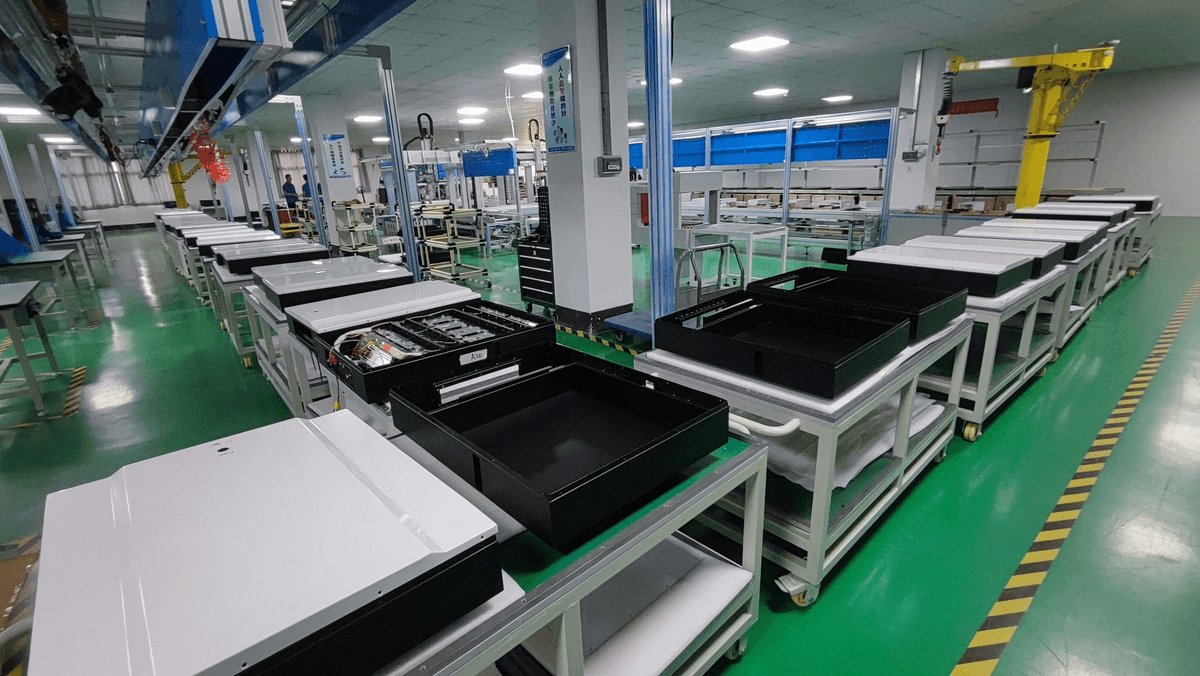
Factory-provided transportation might seem like a straightforward logistics matter, but it can subtly influence QC Auditor Integrity and the overall quality inspection process. When logistics are controlled or influenced by the factory, there's an increased risk of auditor bribery or external pressures skewing results. Ensuring the independence of transportation logistics is crucial to maintaining objectivity and preventing conflicts of interest that could compromise QC outcomes.
How Factory Logistics Influences QC Outcomes
Factory logistics play a pivotal role in shaping the reliability of quality inspections, yet they can also introduce biases that threaten QC Auditor Integrity. When factories control transportation, there’s a temptation for external influences—such as outside festivities or local customs—to sway decisions, intentionally or unintentionally. This setup increases the risk of auditor bribery, where inspectors might be tempted to overlook defects in exchange for favors or other incentives, undermining trust in the entire process.
Examples from Leading Industries
Leading industries have faced challenges with factory-provided transportation bias, highlighting how it impacts QC Auditor Integrity. For instance, some electronics manufacturers have experienced instances where transportation schedules were manipulated during major festivals to hide delays or product flaws. These cases often involve conflicts of interest where inspectors are pressured to turn a blind eye due to logistical dependencies or personal relationships with factory personnel, emphasizing how external festivities can distort objective assessments and damage credibility.
Ensuring Independence in Transportation Logistics
To safeguard QC Auditor Integrity against factory-provided transportation bias, companies must establish strict protocols that promote independence and transparency in logistics management. Regular audits should be conducted on transportation arrangements to prevent conflicts of interest and reduce opportunities for auditor bribery or external influences such as outside festivities affecting judgment. Implementing third-party logistics providers can help maintain objectivity and ensure that quality inspections remain unbiased—free from external pressures that could compromise their integrity.
Outside Festivities and External Influences
External festivities like national holidays, company celebrations, or cultural events can unexpectedly influence QC Auditor Integrity. When inspectors are caught up in the excitement or social pressures of these occasions, their objectivity may take a backseat, leading to compromised quality assessments. Such external influences often tempt auditors to overlook flaws or give favorable reports, especially if factory management tries to sway their judgment through gifts or social invitations.
Auditor bribery can sometimes creep into these scenarios when external festivities are used as cover for unethical dealings. Factory-provided transportation during celebrations might be employed to curry favor with auditors, subtly influencing their decisions and risking conflicts of interest. This not only jeopardizes the credibility of the inspection process but also risks sharing confidential information with parties who seek to manipulate outcomes for personal gain.
Keeping external influences in check requires a proactive approach rooted in strong QC Auditor Integrity policies. Establishing clear boundaries around outside festivities helps prevent biases from creeping into quality inspections and ensures that conflicts of interest are promptly identified and addressed. Regular training on maintaining integrity during such events is essential, as is vigilance against potential auditor bribery attempts disguised as festive gestures.
Sharing Confidential Information

Sharing confidential information is a slippery slope that can jeopardize QC Auditor Integrity and compromise the entire quality assurance process. When sensitive data leaks, it not only damages trust but also opens doors for auditor bribery schemes and conflicts of interest to flourish. Maintaining strict confidentiality is essential to uphold the credibility of your inspections and prevent external parties from exploiting insider knowledge.
Risks of Data Leaks and Confidentiality Breaches
The risks associated with sharing confidential information are significant; once sensitive data slips out, competitors or unscrupulous actors can manipulate factory-provided transportation logistics or exploit external festivities to sway audit outcomes. Such breaches threaten the integrity of the entire QC process, making it easier for conflicts of interest to influence decisions and eroding confidence in your quality checks. Protecting this information is vital for safeguarding your reputation and ensuring that auditors remain impartial, free from outside influences that could skew results.
Incidents Involving Samsung and Data Security
Historically, incidents involving Samsung highlight how lapses in data security can undermine QC Auditor Integrity. In some cases, confidential manufacturing details were leaked during external festivities or through lax handling of sensitive information, leading to questions about audit impartiality and potential auditor bribery attempts. These breaches serve as cautionary tales emphasizing that even industry giants must stay vigilant against threats posed by sharing confidential information carelessly or without proper safeguards.
Best Practices for Maintaining Information Integrity
To preserve QC Auditor Integrity, organizations should implement rigorous protocols for handling confidential data—think encryption, access controls, and regular training on confidentiality policies. Avoid sharing proprietary details during outside festivities where external influences might tempt auditors into conflicts of interest or bribery scenarios; instead, keep sensitive info locked down tighter than Fort Knox. Remember: safeguarding confidentiality isn’t just about protecting secrets—it’s about maintaining trustworthiness in every inspection while thwarting any attempt at corruption or bias related to factory-provided transportation logistics or other external factors.
Conflicts of Interest

Conflicts of interest can sneak into your quality control processes like a fox in the henhouse, threatening the integrity of your QC auditors. When personal relationships or outside influences come into play, they can distort objectivity and open the door to auditor bribery or biased factory assessments. Recognizing and addressing these conflicts is essential to maintaining QC Auditor Integrity and ensuring trustworthy inspections.
Personal Relationships Compromising QC Objectivity
Personal ties—be it family, friends, or romantic interests—can subtly sway a QC auditor’s judgment, making them vulnerable to conflicts of interest that undermine their integrity. When auditors have close relationships with factory staff or suppliers, their impartiality may be compromised, leading to biased quality inspections. Such conflicts threaten the credibility of your entire quality assurance process and put your brand at risk.
Case Study: Foxconn Quality Control Challenges
At Foxconn, instances surfaced where personal relationships influenced audit outcomes, raising questions about QC Auditor Integrity. In some cases, auditors with close connections to factory management overlooked defects or inflated compliance reports to avoid conflict or fallout. This scenario underscores how conflicts of interest can lead to serious lapses in quality control and tarnish a company's reputation for reliability.
Strategies for Identifying and Mitigating Conflicts
To keep conflicts of interest at bay, implement clear policies that require transparency about personal relationships with factory personnel or external stakeholders involved in audits. Regular training on ethics and auditor bribery prevention helps reinforce the importance of objectivity in quality inspections. Additionally, rotating auditors periodically and establishing independent oversight can help detect hidden conflicts before they compromise your QC Auditor Integrity.
By proactively managing conflicts of interest through vigilant oversight and strict policies, you safeguard not only your QC Auditor Integrity but also uphold the trustworthiness of your entire quality assurance system—keeping bribery temptations at bay and ensuring fair evaluations every time.
Conclusion
Fostering a strong culture of integrity in quality inspection isn’t just good practice—it’s essential for long-term success. When QC Auditor Integrity is prioritized, organizations can effectively combat issues like auditor bribery and conflicts of interest that threaten objectivity. Building this culture requires ongoing training, clear ethical standards, and leadership that models integrity at every level.
The role of China Inspection Pro in safeguarding QC Auditor Ethics cannot be overstated. With expertise in identifying risks such as factory-provided transportation bias or external festivities influencing judgment, they serve as a vital partner in maintaining impartiality. Their commitment to transparency helps prevent sharing confidential information or falling prey to conflicts of interest that could compromise the credibility of inspections.
Finally, implementing practical tips to uphold QC Auditor Integrity is the key to gaining customer confidence. Regular audits on issues like auditor bribery and external influences help reinforce ethical standards. Remember, transparency and accountability are your best allies—because when you prioritize integrity over shortcuts, your reputation shines brighter than any shiny new product.