
Introduction
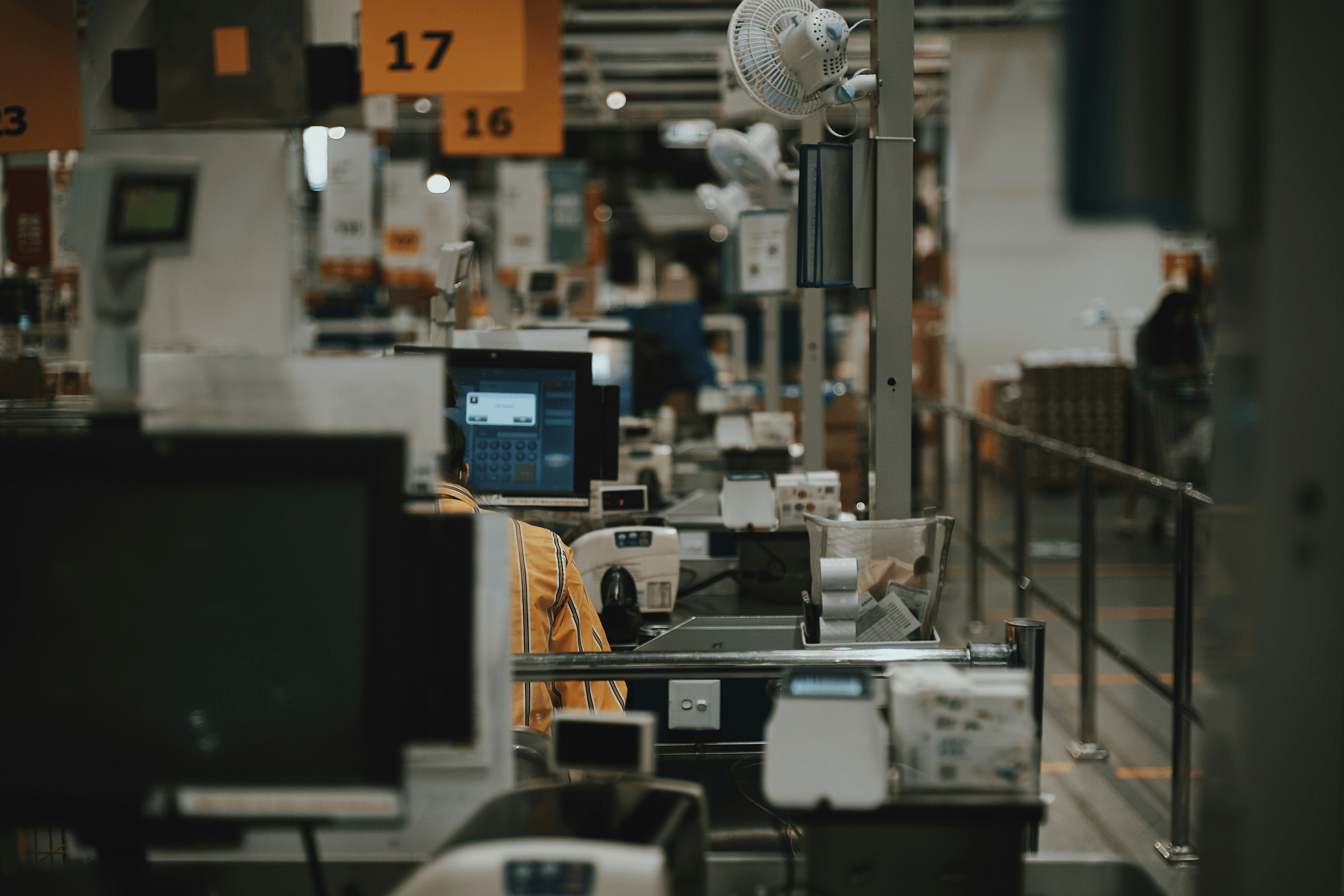
In the fast-paced world of global commerce, avoiding shipment delays is crucial for maintaining customer satisfaction and staying ahead of competitors. When shipments are delayed, your entire supply chain can suffer, leading to lost revenue and damaged reputation. That’s why understanding why do shipment delays happen? and implementing proactive strategies can save you time, money, and headaches down the line.
One of the most effective ways to avoid shipment delays is to connect your departments and processes seamlessly. Integrating procurement, production, and logistics ensures everyone stays on the same page, reducing miscommunications that often cause delays. Regularly staying in touch with your suppliers—whether through reliable partners like China Inspection Pro or consistent updates—can help you anticipate problems before they escalate.
Conduct quality control along the manufacturing process is another key step in avoiding shipment delays. By catching issues early and ensuring proper inventory management is the key to maintaining smooth operations. Proper inventory management isn’t just about stock levels; it’s about forecasting demand accurately and leveraging technology for real-time tracking to prevent bottlenecks that lead to unnecessary delays.
Understanding Why Do Shipment Delays Happen?
Shipment delays can be a headache for any business, but understanding the root causes is the first step to avoiding them. When you ask yourself Why do shipment delays happen?, you'll find that disruptions are often out of your control, yet many are preventable with proper planning and communication. Recognizing common disruptions helps you connect your departments and processes more effectively, ensuring smoother operations and avoiding shipment delays.
Weather and traffic are classic culprits that can throw a wrench into even the best-laid plans. Sudden storms, snowstorms, or unexpected road closures can delay trucks or ships, making it tough to stick to schedules. To avoid shipment delays caused by weather, proactive planning—such as flexible delivery windows—can make all the difference in keeping your supply chain moving smoothly.
Supplier and factory backlogs also play a significant role in causing shipment delays. When manufacturers are overwhelmed or face capacity issues, production slows down or halts temporarily. Staying in touch with your suppliers regularly allows you to anticipate potential bottlenecks early on and adjust your plans accordingly—this is where conducting quality control along the manufacturing process becomes crucial for avoiding shipment delays.
Customs and regulatory bottlenecks often catch businesses off guard, especially when dealing with international shipments. Delays at customs can be lengthy if paperwork isn't properly prepared or if regulations change unexpectedly. Connecting your departments and processes ensures documentation is accurate and timely, helping you avoid shipment delays due to regulatory issues.
To truly avoid shipment delays, integrating proper inventory management is key. Maintaining buffer stocks ensures that even if there’s a hiccup at customs or a weather disruption occurs, your business can continue operating smoothly without interruption. Leveraging technology for real-time inventory tracking keeps everyone informed and ready to respond swiftly—another smart move towards avoiding shipment delays.
Connect Your Departments and Processes
Getting everyone on the same page is crucial when you want to avoid shipment delays. When procurement, production, and logistics operate in silos, miscommunication can lead to costly delays and missed deadlines. Connecting your departments and processes ensures a seamless flow of information, helping you stay ahead of potential issues that cause shipment delays.
Understanding why do shipment delays happen often traces back to disjointed processes. By integrating procurement, production, and logistics, you create a unified approach that minimizes surprises along the supply chain. This integration not only helps identify bottlenecks early but also allows for proactive adjustments—saving time and money while avoiding shipment delays.
Utilizing ERP systems for better visibility is a game-changer in this process. These systems provide real-time data on inventory levels, order statuses, and transportation schedules—making it easier to connect your departments efficiently. When everyone has access to the same up-to-date information, avoiding shipment delays becomes much more manageable because decision-making is faster and more accurate.
Automating communication is another key step toward avoiding shipment delays. Manual updates are slow and prone to errors; automating alerts about order status changes or potential disruptions helps your team respond swiftly. Staying in touch with your suppliers through automated channels ensures that issues are addressed promptly before they escalate into major delays.
Remember: proper inventory management is the key to avoiding shipment delays. When your departments are connected through integrated systems and automation tools, forecasting demand becomes more precise—helping you maintain buffer stocks without overstocking or understocking. Conduct quality control along the manufacturing process as well; it prevents defective products from causing rework or returns that could delay shipments further.
Stay in Touch with Your Suppliers
Maintaining open lines of communication with your suppliers is crucial to avoid shipment delays and keep your supply chain running smoothly. When you stay in touch regularly, you can quickly identify potential issues before they escalate, saving you time and money. Connecting your departments and processes ensures everyone is on the same page, which is essential to avoid shipment delays caused by miscommunication or overlooked details.
Building Solid Relationships with Alibaba Vendors
Building solid relationships with Alibaba vendors is a smart move to understand their capabilities and reliability better. When you foster trust and transparency, it becomes easier to avoid shipment delays because your supplier will prioritize your orders and keep you informed about production progress. Remember, why do shipment delays happen? Often it's due to poor communication or lack of rapport—so investing time in vendor relationships can be a game-changer.
Regular Check-Ins and Updates
Regular check-ins are the secret sauce for avoiding shipment delays; they allow you to connect your departments and processes seamlessly. By establishing a routine of updates, you can catch potential disruptions early—whether it's production hiccups or logistical issues—and address them proactively. This consistent communication also helps answer the question: why do shipment delays happen? Because without ongoing updates, small problems tend to snowball into major setbacks.
Choosing Reliable Partners Like China Inspection Pro
Choosing reliable partners like China Inspection Pro adds an extra layer of security against shipment delays by ensuring quality control along the manufacturing process. Conducting quality inspections along the manufacturing stage helps identify defects early, preventing defective products from causing costly delays later on. Proper inventory management is also key here; when combined with reliable inspections, it ensures that only top-quality goods leave the factory on time, reducing surprises at customs or logistics stages.
Conduct Quality Control Along the Manufacturing
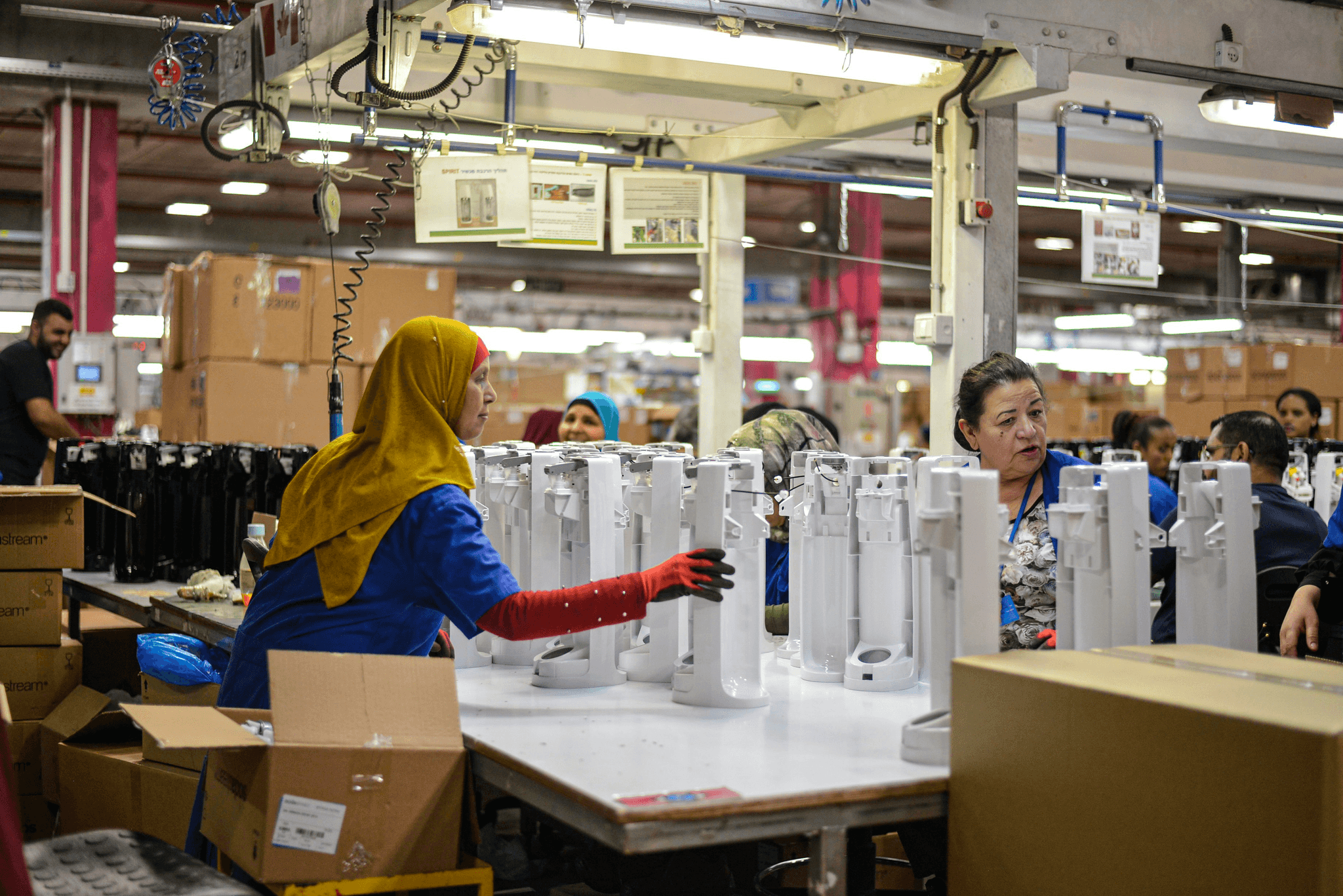
Ensuring quality during manufacturing isn't just about product excellence; it’s a crucial step to avoid shipment delays. When quality control is integrated into the production process, potential issues are caught early, preventing costly reworks and delays at the last minute. This proactive approach helps you connect your departments and processes seamlessly, reducing the risk of unforeseen setbacks that could hinder timely delivery.
The Role of Quality Inspection in Shipment Timeliness
Quality inspection plays a pivotal role in avoiding shipment delays by catching defects before products leave the factory floor. When you conduct thorough inspections along the manufacturing line, you’re addressing potential issues head-on, which keeps your supply chain running smoothly. Remember, why do shipment delays happen? Often it's due to subpar products or overlooked flaws that only surface post-production—so stay ahead by implementing consistent quality checks.
How China Inspection Pro Ensures Product Excellence
Partnering with experts like China Inspection Pro ensures your products meet high standards before they ship out, helping you avoid shipment delays caused by non-compliance or poor quality. Their on-site inspections and detailed reports provide peace of mind that everything aligns with your specifications and regulatory requirements. This level of diligence not only enhances product excellence but also streamlines your entire process—making sure you're not caught off guard by unexpected hold-ups at customs or warehouses.
Implementing On-Site Inspections and Final Checks
On-site inspections are your best defense against avoid shipment delays rooted in quality issues. Incorporating final checks right before dispatch ensures any last-minute flaws are addressed promptly, saving time and money in the long run. To keep things running smoothly, make these inspections part of your regular process—because proper inventory management is the key to maintaining a reliable supply chain that meets deadlines every time.
Proper Inventory Management Is the Key
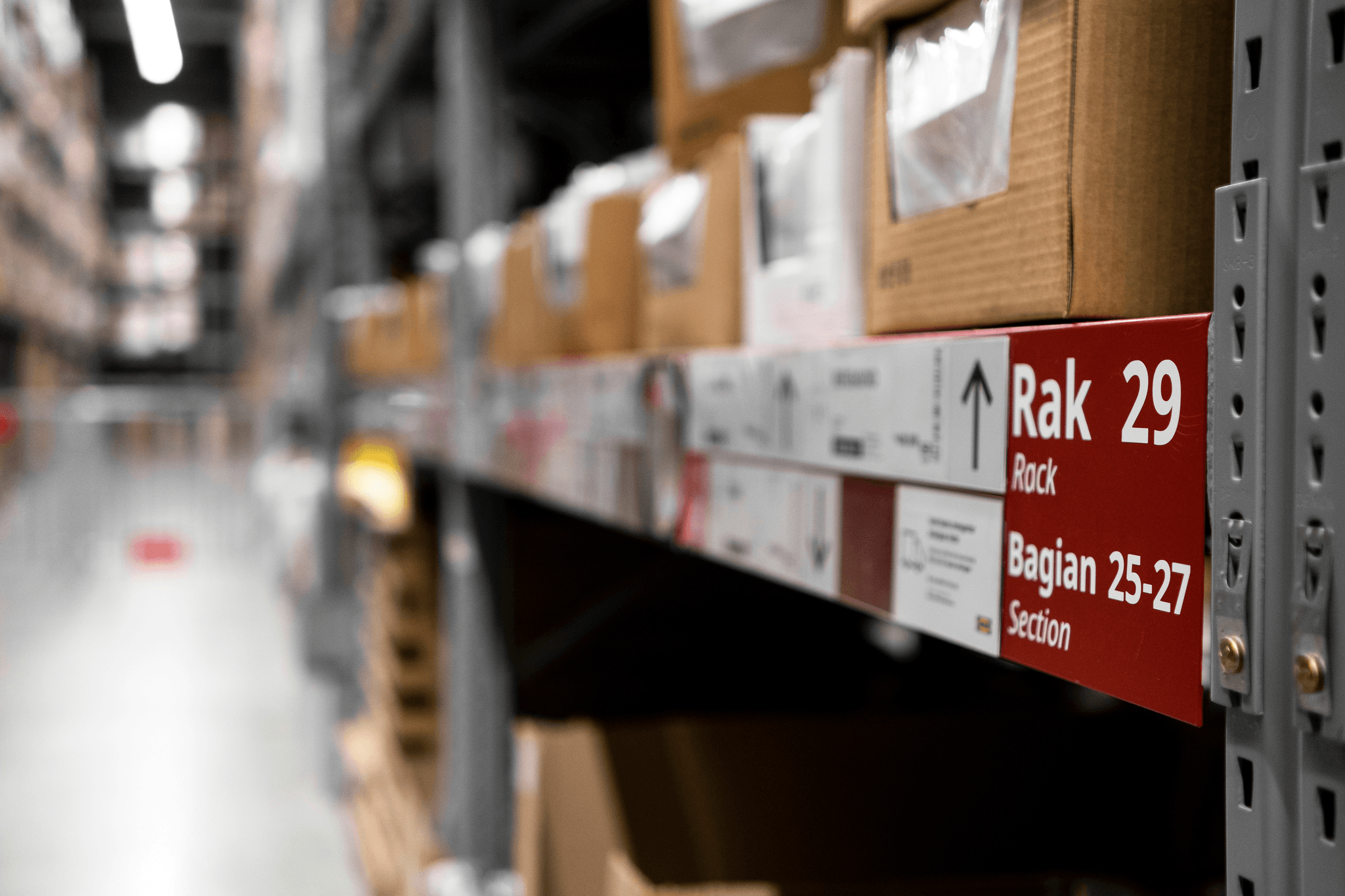
Getting a grip on your inventory is like having a secret weapon to avoid shipment delays. When you forecast demand accurately, you’re less likely to be caught off guard by sudden spikes or dips that can throw your entire supply chain out of whack. This proactive approach helps you connect your departments and processes seamlessly, ensuring everyone’s on the same page and reducing the chances of delays caused by miscommunication or stockouts.
Maintaining buffer stocks is another smart move—think of it as an insurance policy for your shipments. When unexpected disruptions happen, such as weather issues or customs bottlenecks, having extra inventory on hand allows you to keep things moving without waiting for new supplies. This strategy aligns perfectly with understanding why do shipment delays happen and how proper inventory management can be your best defense against them.
Leveraging technology for real-time inventory tracking takes proper inventory management to the next level. With advanced tools, you can monitor stock levels constantly, identify potential shortages early, and act swiftly—saving time and avoiding shipment delays before they even occur. Staying ahead with technology also helps you stay in touch with your suppliers more effectively, fostering better relationships and quicker responses when issues arise.
By mastering proper inventory management techniques—like forecasting demand accurately, maintaining buffer stocks, and leveraging technology—you ensure a smoother supply chain that minimizes disruptions. Connecting your departments and processes becomes easier when everyone has access to up-to-date information, which ultimately helps you avoid shipment delays altogether. Remember: consistent inventory oversight is not just good practice; it’s essential for business success in today’s fast-paced market.
Conclusion
Navigating the complexities of global supply chains can feel like trying to solve a Rubik’s Cube blindfolded, but with the right strategies, you can avoid shipment delays and keep your business humming smoothly. Understanding why do shipment delays happen? is crucial—whether it’s weather disruptions, customs bottlenecks, or supplier backlogs. Connecting your departments and processes ensures everyone is on the same page, making it easier to anticipate issues and quickly respond to potential delays.
Staying in touch with your suppliers is more than just good manners; it’s a vital step in avoiding shipment delays. Regular communication helps build trust and provides early warnings of possible hiccups along the way. Conduct quality control along the manufacturing process to catch problems early, saving time and money by preventing defective products from causing last-minute delays. Proper inventory management is the key to maintaining a buffer that keeps shipments on schedule even when unexpected disruptions occur.
By implementing these effective strategies—connecting your departments and processes, staying in touch with suppliers, conducting quality control along manufacturing, and managing inventory properly—you set your business up for success. Avoid shipment delays not only improves customer satisfaction but also boosts your bottom line by reducing costly rush orders and penalties. Staying ahead requires vigilance and proactive planning; when you master these elements, you’ll find yourself sailing smoothly through even turbulent supply chain waters.