
Introduction
Steam turbines are the beating heart of many power plants, and ensuring their optimal performance hinges on thorough and effective inspection routines. The importance of Steam Turbine Inspection cannot be overstated, especially when it comes to identifying early signs of wear or potential failure points that could lead to costly downtime. Incorporating detailed inspections of prefabricated lube oil piping, performing fit-it tests, and conducting thickness checks are crucial steps in maintaining turbine health and longevity.
However, the process is riddled with challenges—accessing hard-to-reach areas, interpreting complex data, and ensuring compliance with industry standards can make inspections a daunting task. Common challenges faced during Steam Turbine Inspection include accurately detecting corrosion or cracks in critical components like piping, aligning fit-it tests correctly, and managing inspection schedules without disrupting plant operations. Overcoming these hurdles requires strategic planning and the right tools to maximize efficiency.
To truly get the most out of your inspection efforts, it's essential to focus on maximizing efficiency through meticulous planning and leveraging advanced technologies. Developing a comprehensive inspection schedule that includes regular thicknesses checks and detailed examination of prefabricated lube oil piping helps prevent unexpected failures. Additionally, training your team to utilize innovative tools like ultrasonic testing devices ensures precise assessments while reducing inspection time—making every minute count during critical maintenance windows.
Planning and Preparation for Inspection Success
Getting ready for a successful steam turbine inspection isn’t just about showing up with a wrench; it’s about strategic planning that ensures every component, from the main turbine blades to the prefabricated lube oil piping, is thoroughly checked. Proper preparation minimizes surprises and maximizes efficiency, especially when it comes to critical tasks like fit-it tests and thicknesses checks. When you approach inspection of prefabricated lube oil piping with a solid plan, you reduce downtime and extend equipment lifespan—making maintenance a well-oiled machine.
Developing a Robust Inspection Schedule
Creating an effective inspection schedule begins with understanding the specific needs of your steam turbine system, including the inspection of prefabricated lube oil piping components. Incorporate regular intervals for thicknesses check to catch corrosion or wear early before they escalate into costly failures. A comprehensive schedule should also prioritize critical areas where fit-it tests are most likely to reveal misalignments or potential leaks, ensuring no detail is overlooked during routine or major inspections.
Utilizing Advanced Inspection Technologies
Modern tools are game-changers in the realm of steam turbine inspection, especially when inspecting complex parts like prefabricated lube oil piping. Techniques such as ultrasonic thickness checks allow inspectors to detect wall thinning or corrosion without dismantling entire sections—saving time and reducing risks. Laser scanning technology can provide detailed 3D models that facilitate precise fit-it tests and alignment assessments, making sure every component fits perfectly while confirming that the integrity of the piping system remains intact during each inspection cycle.
Training Your Inspection Team Effectively
Even the best tools won’t deliver results if your team isn’t properly trained in their use—especially when conducting specialized inspections like those on prefabricated lube oil piping or performing fit-it tests on turbines. Investing in continuous education ensures your staff understands how to interpret thicknesses check data accurately and spot early signs of wear or corrosion during steam turbine inspections. Well-trained inspectors are more confident in their assessments, leading to faster decisions about repairs or replacements that keep your turbines running smoothly.
Leveraging Laser Scanning and Ultrasonic Testing
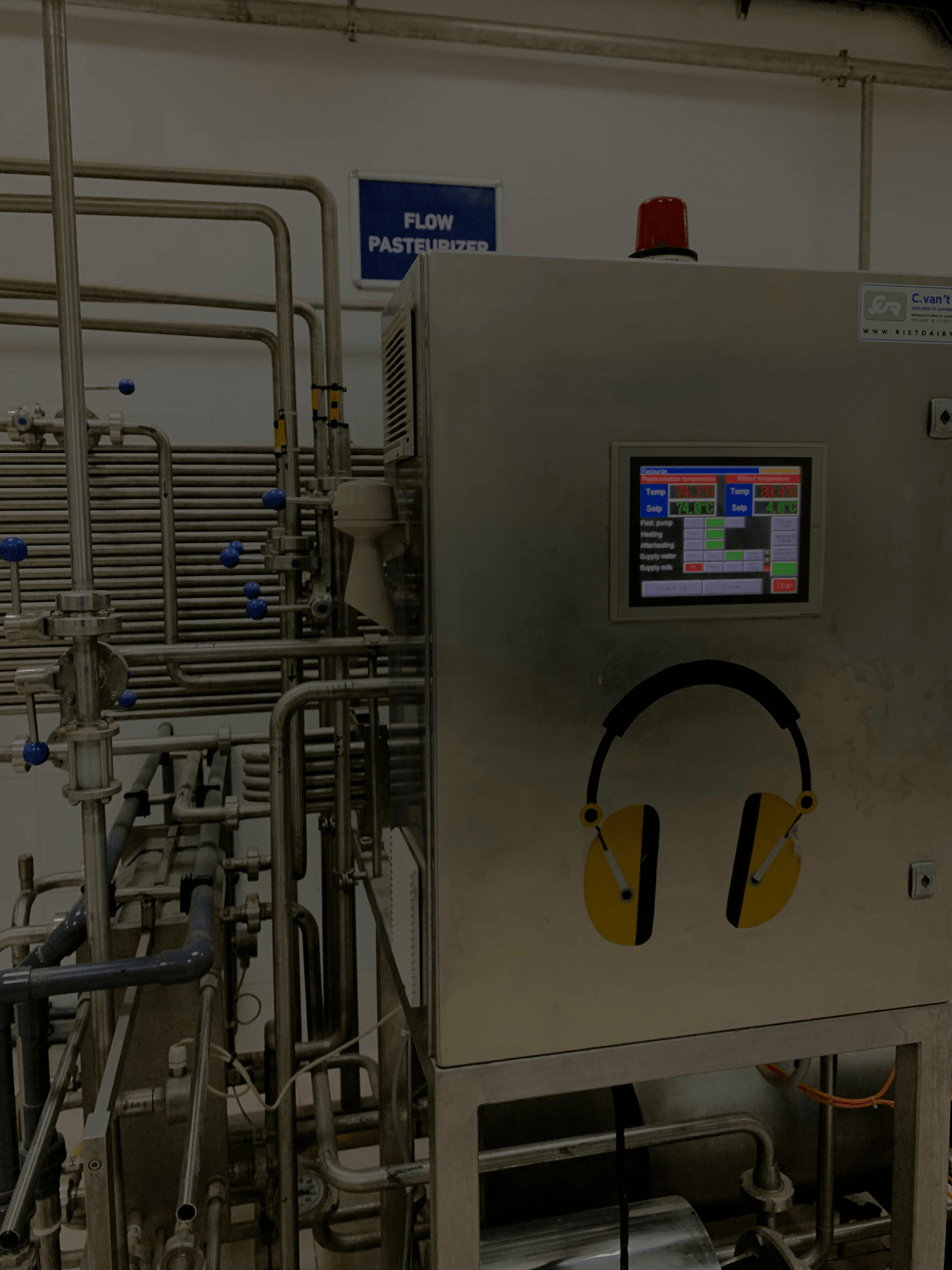
In the realm of Steam Turbine Inspection, precision is everything. Modern inspection techniques like 3D laser scanning and ultrasonic testing are revolutionizing how we detect wear and tear, especially in critical components like prefabricated lube oil piping. These advanced tools not only streamline the inspection process but also provide detailed insights that traditional methods simply can’t match, ensuring your Fit-it Tests are spot-on and your thicknesses check is thorough.
Benefits of 3D Laser Scanning in Turbine Inspection
When it comes to inspecting complex turbine geometries, 3D laser scanning is a game-changer. This technology captures high-resolution point clouds that create an accurate digital twin of the entire assembly, including hard-to-reach areas in the piping network. For Steam Turbine Inspection teams, this means faster identification of misalignments or deformation which could compromise performance—especially when inspecting prefabricated lube oil piping where every millimeter counts for Fit-it Tests and proper alignment.
Ultrasonic Thickness Checks for Wear Detection
Ultrasonic testing remains a cornerstone for detecting corrosion or thinning in turbine components without dismantling the entire setup. Conducting a thicknesses check on critical parts like lube oil piping ensures early detection of material degradation before leaks or failures occur—vital for maintaining reliable Steam Turbine Inspection routines. Regular ultrasonic inspections help prioritize maintenance tasks based on actual wear data rather than assumptions, ultimately extending equipment lifespan.
Ensuring Accurate Fit-it Tests and Alignment
Achieving perfect fit-it tests and precise alignment during Steam Turbine Inspection hinges on accurate measurement techniques—enter ultrasonic thickness checks paired with laser scanning data. By combining these methods, technicians can verify that all components meet specified tolerances and alignments before reassembly or repairs. This integrated approach minimizes costly rework while boosting confidence that your inspection of prefabricated lube oil piping was comprehensive and reliable.
Implementing Predictive Maintenance Strategies
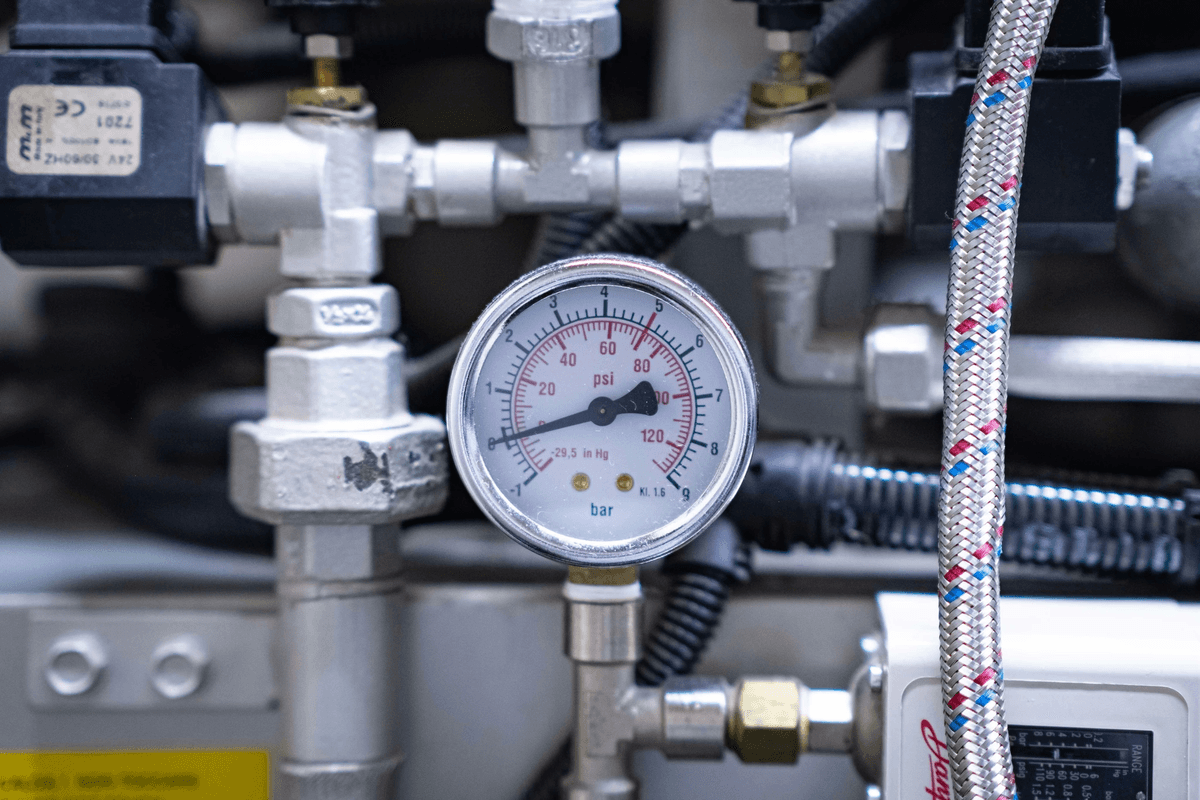
Integrating inspection data with condition monitoring systems is the cornerstone of effective predictive maintenance for steam turbines. By continuously gathering real-time information, plant operators can identify subtle signs of wear or corrosion early, especially during the inspection of prefabricated lube oil piping, which is often overlooked. This approach ensures that issues like thicknesses check discrepancies or fit-it tests failures are caught before they escalate into costly failures, ultimately extending the lifespan of critical components.
Utilizing data analytics to predict failures takes the power of big data and applies it directly to steam turbine inspection routines. Advanced algorithms analyze patterns in inspection results—such as deviations in thicknesses check readings or anomalies during fit-it tests—to forecast potential breakdowns. This predictive insight allows maintenance teams to prioritize repairs based on inspection outcomes, ensuring that resources are allocated efficiently and that urgent issues like corrosion in piping or misalignments identified through precise inspections are addressed proactively.
Prioritizing repairs based on comprehensive inspection results, especially when assessing the integrity of prefabricated lube oil piping, can significantly reduce unplanned outages. When combined with condition monitoring data and detailed analysis from inspections—covering aspects like thicknesses check accuracy and fit-it tests—the maintenance strategy becomes more targeted and effective. This proactive stance not only minimizes downtime but also enhances overall system reliability by focusing on critical areas flagged during routine inspections.
Ensuring Thorough Inspection of Prefabricated Lube Oil Piping
A comprehensive inspection of prefabricated lube oil piping is vital for maintaining the overall health of your steam turbine system. During steam turbine inspection, attention to detail in inspecting piping systems helps prevent unexpected failures and costly downtime. Regularly scheduled inspections, combined with precise fit-it tests and thicknesses check, ensure early detection of issues before they escalate.
Best Practices for Piping Inspection and Maintenance
Implementing best practices for the inspection of prefabricated lube oil piping involves a systematic approach that emphasizes thoroughness and accuracy. Utilizing advanced tools during steam turbine inspection, such as ultrasonic thickness checks, allows technicians to identify thinning walls or corrosion that could compromise pipe integrity. Incorporating routine fit-it tests ensures proper alignment and fitment, which are critical for optimal performance and safety.
Detecting Corrosion and Cracks Early
Early detection of corrosion and cracks in lube oil piping is essential to prevent leaks or catastrophic failures during operation. Regular thicknesses check during steam turbine inspection can reveal hidden deterioration that might not be visible visually but could threaten system reliability. Employing non-destructive testing methods like ultrasonic testing enhances the accuracy of detecting early-stage cracks or corrosion, enabling timely intervention.
Integrating Findings into Maintenance Cycles
The insights gained from thorough inspections should seamlessly feed into your maintenance cycles to optimize upkeep schedules and resource allocation. Recording all findings from the inspection of prefabricated lube oil piping—including thickness measurements and fit-it test results—helps prioritize repairs based on severity. This strategic integration ensures that maintenance efforts are targeted effectively, prolonging component lifespan and ensuring continuous reliable operation.
Quality Inspection and Regulatory Compliance
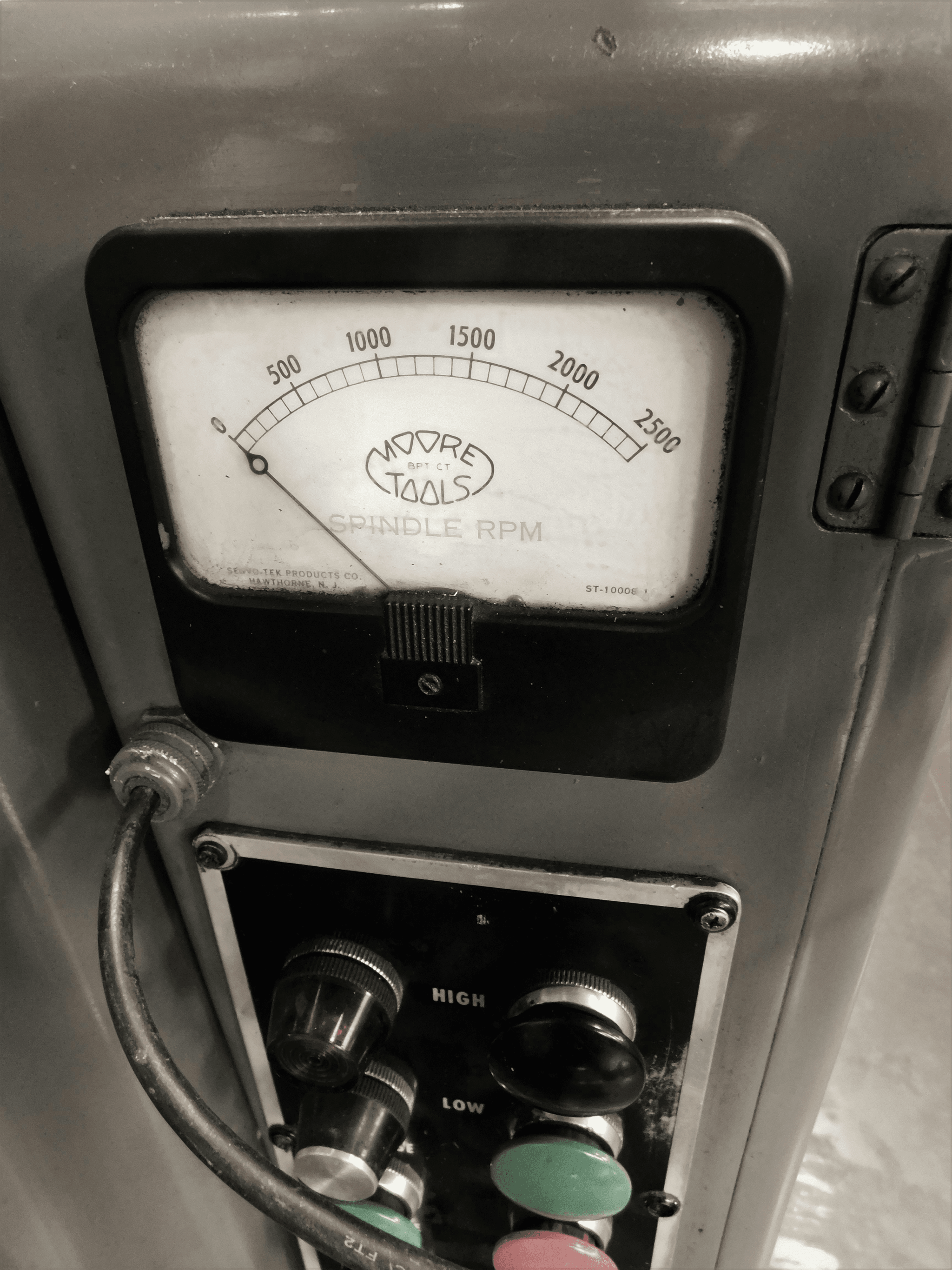
Ensuring top-notch quality in steam turbine inspection isn’t just about ticking boxes; it’s about safeguarding operational integrity and extending equipment lifespan. When it comes to the inspection of prefabricated lube oil piping, meticulous attention to detail is crucial, especially during fit-it tests and thicknesses checks. These procedures help detect early signs of wear or corrosion that could compromise the entire turbine system, making thorough inspections a non-negotiable.
Partnering with a reputable organization like China Inspection Pro can elevate your assurance levels significantly. Their expertise in steam turbine inspection ensures that every aspect, from the inspection of prefabricated lube oil piping to comprehensive fit-it tests, meets stringent industry standards. Leveraging their knowledge guarantees compliance with regulatory requirements while optimizing maintenance schedules based on precise inspection outcomes.
Documenting inspection outcomes effectively is vital for maintaining regulatory compliance and tracking asset health over time. Clear records of thicknesses checks and fit-it tests provide valuable data for predictive maintenance strategies, helping you prioritize repairs before failures occur. Well-organized documentation also simplifies audits and certifications, ensuring your steam turbine operations stay aligned with industry standards without unnecessary headaches.
[Image description=technicians inspecting steam turbines using advanced tools, detailed focus on piping and components, clear documentation process visible], [Image name=steam_turbine_inspection_detailed], [Alt tag=Steam Turbine Inspection with focus on piping and documentation]
Continuous Improvement and Staff Training

Keeping your Steam Turbine Inspection processes sharp is a never-ending journey. Regularly updating inspection procedures ensures that your team stays ahead of emerging challenges, especially when inspecting complex components like prefabricated lube oil piping. Incorporating lessons learned from past inspection failures helps refine techniques such as fit-it tests and thicknesses check, leading to more reliable outcomes and fewer surprises during critical inspections.
Updating Inspection Procedures Regularly
The landscape of Steam Turbine Inspection is constantly evolving thanks to technological advances and industry standards. Routine reviews of inspection protocols, especially for the inspection of prefabricated lube oil piping, help identify gaps or outdated practices that could compromise safety or efficiency. By integrating new methods—like enhanced ultrasonic thickness checks or laser scanning—your team can detect issues earlier and perform more accurate fit-it tests, ultimately reducing downtime and extending turbine life.
Investing in Staff Skill Development
A well-trained team is the backbone of effective Steam Turbine Inspection. Investing in ongoing education around the latest tools for inspecting prefabricated lube oil piping, including advanced thicknesses check devices, ensures your staff can confidently handle sophisticated inspections. Regular training sessions on interpreting data from ultrasonic testing or laser scans empower inspectors to make informed decisions during fit-it tests and other critical assessments, boosting overall inspection quality.
Learning from Past Inspection Failures
Every failure offers a valuable lesson in refining your approach to Steam Turbine Inspection — especially when it comes to inspecting complex systems like prefabricated lube oil piping. Analyzing what went wrong during previous inspections allows teams to identify weaknesses in their procedures, whether missed cracks during thicknesses check or inaccuracies in fit-it tests. Applying these insights helps prevent recurrence, ensuring future inspections are more thorough and reliable.
Conclusion
A well-executed Steam Turbine Inspection is the cornerstone of reliable power generation, ensuring that every component, including the critical prefabricated lube oil piping, remains in optimal condition. By adopting a strategic approach to inspection, plant operators can identify wear and potential failures early, thus preventing costly downtimes and enhancing overall system reliability. Incorporating thorough thicknesses check procedures and precise fit-it tests into regular inspections elevates maintenance standards and extends equipment lifespan.
Enhancing Reliability through Strategic Inspection
Strategic planning in Steam Turbine Inspection involves not just routine checks but targeted assessments of vital components like prefabricated lube oil piping. Regular inspection of these pipes for corrosion or cracks ensures that lubrication systems function flawlessly, reducing unexpected failures. When combined with comprehensive thicknesses check and fit-it tests, this approach provides a clear picture of equipment health, making reliability more than just a buzzword—it's a tangible outcome.
Role of Advanced Tools in Inspection Effectiveness
Modern inspection technologies like laser scanning and ultrasonic testing have revolutionized how we approach Steam Turbine Inspection today. These tools allow for detailed 3D mapping of turbine components and precise thicknesses check to detect wear early on. For inspecting prefabricated lube oil piping, advanced tools help identify corrosion or cracks before they escalate into major problems—saving time, money, and headaches—and ensuring that every part meets industry standards.
Partnering with Experts Like China Inspection Pro for Quality Assurance
Partnering with specialists such as China Inspection Pro adds an extra layer of confidence to your Steam Turbine Inspection program. Their expertise ensures that all aspects—from inspecting prefabricated lube oil piping to conducting fit-it tests—are carried out thoroughly and compliant with regulatory standards. With their support, your team can focus on continuous improvement while trusting that every inspection outcome is documented accurately and aligned with best practices.