
Introduction
Power transformers are the silent giants of electrical infrastructure, silently working behind the scenes to keep our lights on and devices running. Ensuring their health through regular Power Transformer Inspection is not just good practice—it's essential for preventing costly failures and downtime. When it comes to tank inspection, electrical connections check, and final inspection, a thorough approach can make all the difference in maintaining reliable power supply.
Overcoming common challenges in transformer maintenance requires more than just routine checks; it demands expertise and precision. Many operators struggle with identifying subtle signs of wear or degradation that could lead to catastrophic failures if overlooked. That's where third party inspection for power transformer steps in—bringing objectivity, specialized tools, and fresh eyes to uncover issues that internal teams might miss.
Professional inspection ensures reliability by providing detailed insights into every aspect of a power transformer's condition. From conducting meticulous tank inspections to verifying final assembly quality, third party inspectors help extend the lifespan of these vital assets. Their expertise guarantees that electrical connections are solid, insulation remains intact, and potential problems are caught early—saving time, money, and energy in the long run.
Key Elements of Power Transformer Inspection
Understanding the nuances of power transformer inspection is essential for ensuring reliable operation and longevity. A thorough inspection begins with strategic tank inspection techniques, which help identify potential issues before they escalate. Incorporating third party inspection for power transformer adds an unbiased perspective, especially during critical stages like final inspection, where every component must meet industry standards.
Conducting effective electrical connections checks plays a pivotal role in power transformer inspection. Loose or corroded connections can cause significant operational problems, making it vital to include electrical connections check as part of routine maintenance. When performing third party inspections for power transformers, inspectors pay close attention to these electrical details to prevent future failures and ensure optimal performance.
Recognizing signs of insulation degradation is another key element in power transformer inspection. Insulation failure can lead to catastrophic breakdowns if not caught early, so inspecting insulation health should be a priority during tank inspections and final inspections alike. Third party inspection for power transformers often involves specialized testing methods to detect insulation issues that are not visible on the surface, safeguarding the asset’s lifespan.
Best Practices for Third Party Inspection for Power Transformer
Choosing the right partner for Power Transformer Inspection is crucial to ensure the safety, reliability, and longevity of your equipment. A reputable third party inspection provider understands the nuances of tank inspection and electrical connections check, making them invaluable in identifying potential issues early. When selecting an inspection firm, consider their experience with power transformers, especially in conducting thorough final inspections that verify all components meet industry standards.
A reliable third party inspection for power transformers should follow standardized procedures that encompass detailed tank inspections and electrical connections checks. These procedures often include visual assessments, testing of oil quality, and insulation resistance measurements to detect any signs of degradation. By adhering to these established protocols, companies can trust that the third party inspection will uncover hidden problems before they escalate into costly failures.
Ensuring objectivity and accuracy in reporting is the backbone of effective third party inspection for power transformers. An impartial inspector provides unbiased insights during final inspections and tank inspections alike, helping stakeholders make informed maintenance decisions. Clear documentation of findings from electrical connections checks and other tests ensures transparency and facilitates future troubleshooting or upgrades.
Advanced Techniques in Power Transformer Tank Inspection

When it comes to Power Transformer Inspection, relying solely on visual checks is like trying to read a map with a blindfold—ineffective and risky. Advanced techniques such as ultrasonic testing and dissolved gas analysis have become game-changers in tank inspection, allowing inspectors to detect hidden issues before they escalate. Incorporating these methods into third party inspection for power transformers ensures that every nook and cranny is scrutinized for potential failures, extending the lifespan of the equipment and safeguarding operations.
Ultrasonic testing offers a non-invasive way to identify electrical discharge or partial discharges within the transformer tank, which are often precursors to insulation failure. Meanwhile, dissolved gas analysis provides crucial insights into internal conditions by analyzing gases released from insulating oil—an essential part of thorough power transformer inspection. When combined during a final inspection, these techniques help confirm that all electrical connections are sound and that no insidious problems lurk beneath the surface.
Infrared thermography has revolutionized hotspot detection during tank inspections by revealing temperature anomalies that might otherwise go unnoticed. During third party inspections for power transformers, thermographic scans can pinpoint areas where electrical connections might be overheating or where insulation degradation is occurring. Conducting regular infrared checks as part of your tank inspection routine ensures early problem detection, preventing costly breakdowns and maintaining optimal performance.
Monitoring oil quality remains an indispensable aspect of advanced power transformer inspection. By analyzing properties such as moisture content, acidity levels, and contamination presence during final inspections or routine checks, technicians can assess corrosion risks and oil degradation signs effectively. A comprehensive approach to oil monitoring supports proactive maintenance strategies—key for reliable power transformer operation—and complements other advanced techniques like ultrasonic testing.
Conducting a Thorough Final Inspection
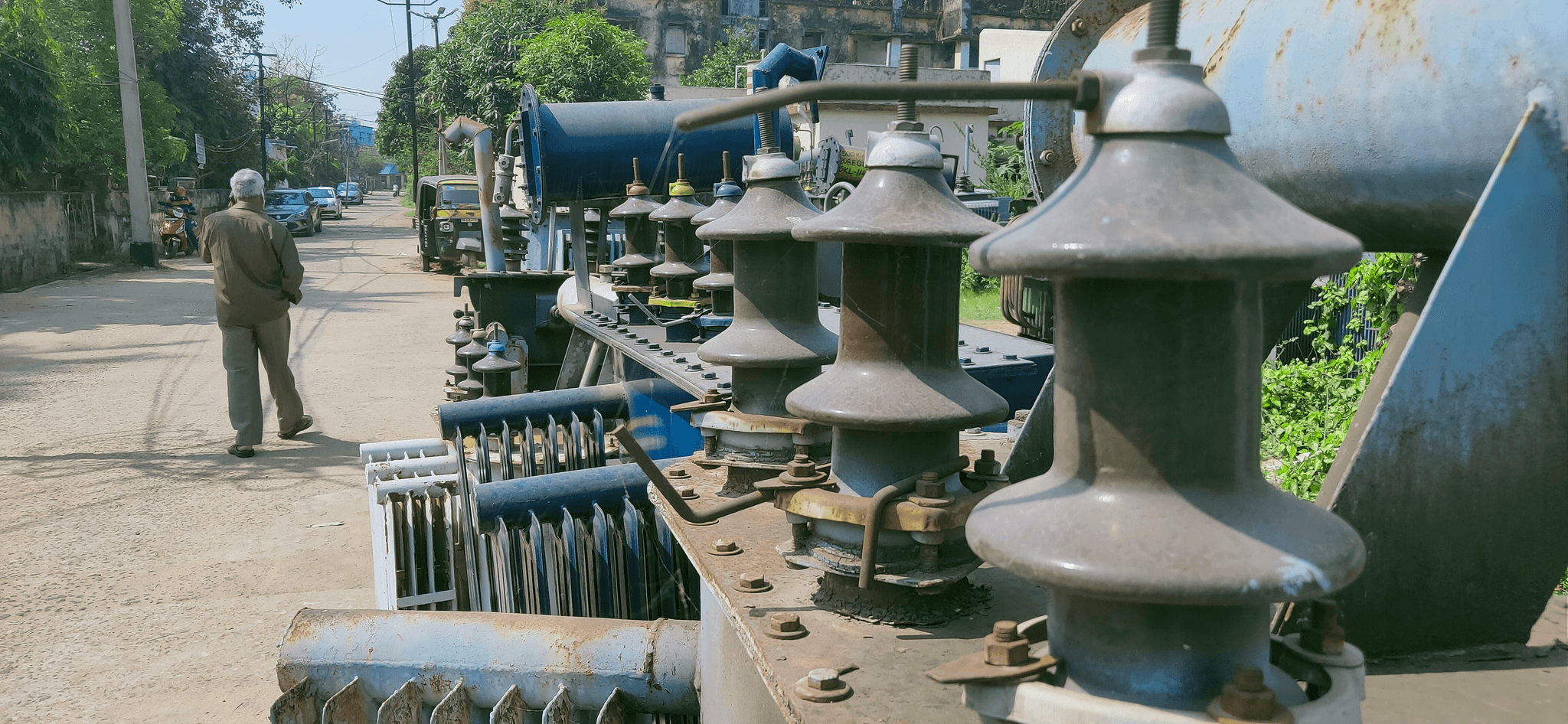
A comprehensive final inspection is the last line of defense before a power transformer hits the grid, ensuring all components are in tip-top shape. During this stage, meticulous verification of assembly and component integrity is vital to prevent future failures. A detailed electrical connections check helps identify any loose or corroded contacts that could compromise transformer performance, making it an essential part of the overall Power Transformer Inspection process. Skipping this step can lead to costly outages or equipment damage, so thoroughness here saves both time and money.
Verifying Assembly and Component Integrity
The first step in a successful final inspection involves verifying that every piece of the transformer assembly is correctly installed and securely fastened. This includes checking the tank inspection for signs of corrosion, leaks, or physical damage that might have been overlooked earlier. Third Party Inspection for Power Transformer often emphasizes these details to ensure unbiased assessment; their expertise helps catch issues that might escape internal teams. Confirming component integrity not only prolongs the lifespan of the transformer but also guarantees safety and operational reliability.
Confirming Conformance to Industry Standards
Once physical integrity is verified, confirming conformance to industry standards becomes paramount. This involves cross-referencing specifications with national and international guidelines during tank inspection and overall assembly checks. A rigorous third party inspection for power transformers ensures compliance with standards such as IEC or IEEE, which are critical for safe operation and insurance purposes. Adhering strictly to these standards through an exhaustive final inspection reduces risks associated with non-compliance and enhances confidence among stakeholders.
Documenting Findings for Future Reference
The final step in conducting a thorough Power Transformer Inspection involves detailed documentation of all findings during the inspection process. Proper records include photographs, test results from electrical connections check, notes on any anomalies found during tank inspections, and recommendations for corrective actions if necessary. These records serve as invaluable references for future maintenance planning or troubleshooting efforts—making sure no detail is overlooked when planning subsequent inspections or upgrades. Well-documented results reinforce transparency and accountability across your transformer management strategy.
Common Pitfalls to Avoid in Power Transformer Inspection
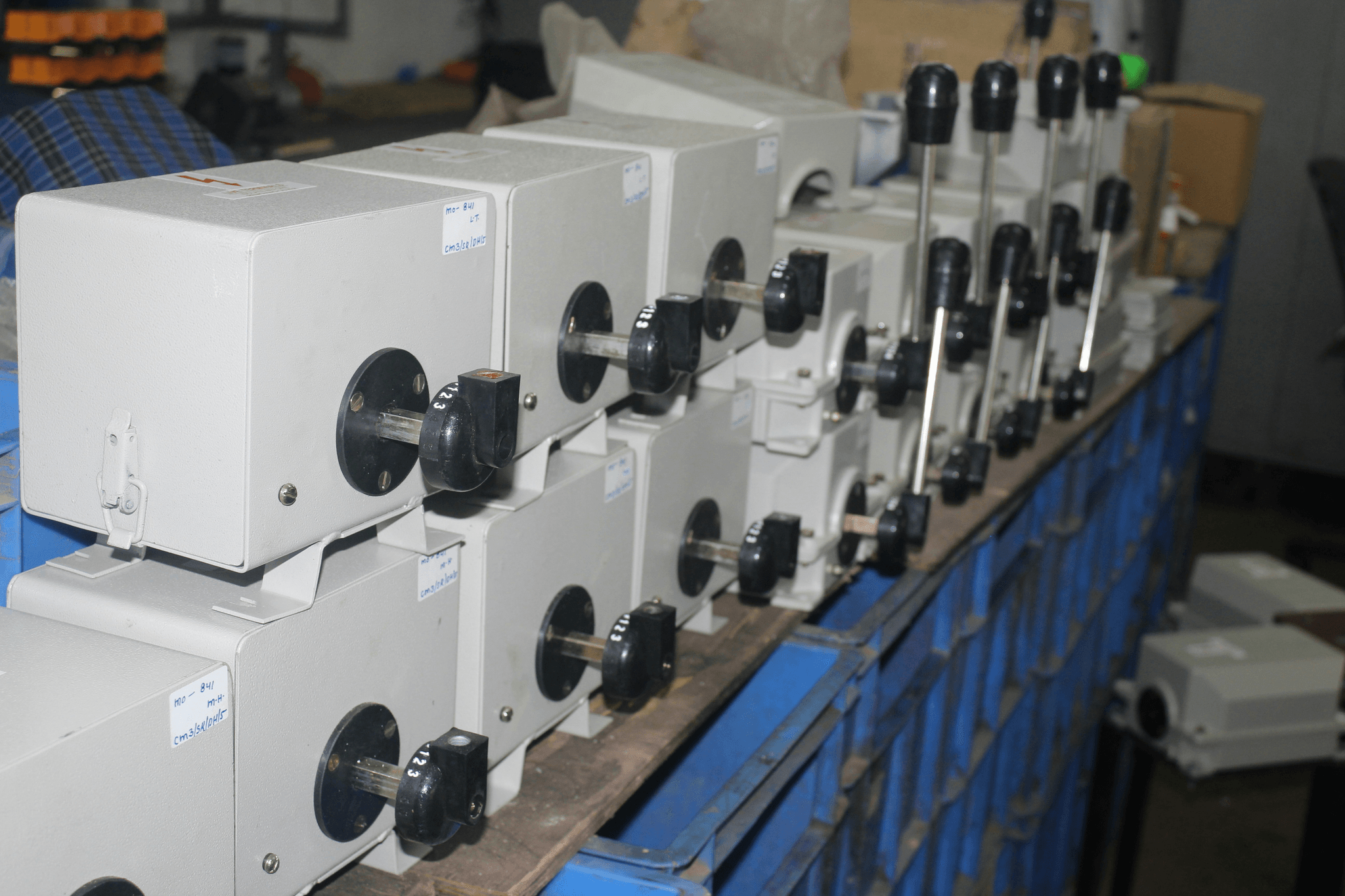
When it comes to Power Transformer Inspection, skipping over small details can lead to big problems down the line. Many maintenance teams fall into the trap of rushing through tank inspection or neglecting minor issues during electrical connections check, which can compromise the entire system’s reliability. Remember, a thorough third party inspection for power transformer doesn’t just catch obvious faults; it digs deep into the tiny cracks and subtle signs that often hide beneath the surface.
Overlooking Minor Electrical Connection Issues
One of the most common pitfalls in power transformer inspection is ignoring minor electrical connection issues. These seemingly insignificant problems—like loose terminals or corroded contacts—can escalate quickly if left unchecked, causing overheating or arcing that jeopardizes transformer integrity. During a proper third party inspection for power transformer, paying close attention during electrical connections check ensures these small faults don’t turn into costly failures later on.
Rushing Tank Inspections Without Adequate Testing
Rushing through tank inspection is a surefire way to miss critical signs of deterioration within the transformer’s core and oil system. A comprehensive tank inspection involves more than just visual checks; it requires detailed testing like dissolved gas analysis and infrared thermography to detect hotspots or gas buildup early on. Skipping these steps during final inspection may save time initially but risks overlooking leaks or insulation breakdowns that could cause catastrophic failures down the road.
Ignoring Minor Leaks or Oil Degradation Signs
Small leaks or signs of oil degradation might seem trivial at first glance but are often precursors to major issues if ignored during power transformer inspections. Oil quality directly impacts insulation performance and cooling efficiency, so neglecting these warning signs during third party inspections can accelerate equipment aging unnoticed. Ensuring diligent observation during tank inspections and final checks helps maintain optimal operation and extends your transformer's lifespan.
Conclusion

A thorough Power Transformer Inspection isn’t just about catching problems early; it’s a strategic move to extend the lifespan of your equipment and ensure reliable operation. Proper tank inspection, electrical connections check, and final inspection are crucial steps that help identify potential issues before they escalate into costly failures. Investing in comprehensive inspections demonstrates a proactive approach that safeguards your assets and maintains optimal performance over the long haul.
How Proper Inspection Extends Transformer Lifespan
When you prioritize regular Power Transformer Inspection, especially focusing on tank inspection and electrical connections check, you significantly reduce the risk of unexpected breakdowns. These inspections help detect insulation degradation, oil contamination, or minor leaks early—issues that could otherwise compromise transformer health over time. A diligent final inspection ensures all components are functioning correctly before problems develop, ultimately extending the transformer’s operational life and reducing maintenance costs.
Benefits of Partnering with China Inspection Pro
Choosing a trusted third party for Power Transformer Inspection in China offers unmatched expertise and objectivity, ensuring every aspect from tank inspection to electrical connections check is thoroughly evaluated. China Inspection Pro employs standard procedures that guarantee accuracy and consistency in reporting, giving you peace of mind about your asset’s condition. Their experience in conducting detailed final inspections means potential issues are identified promptly, preventing costly downtime and enhancing overall reliability.
Making Informed Maintenance Decisions Through Inspection Success
A successful Power Transformer Inspection provides critical data that empowers maintenance teams to make informed decisions—whether scheduling repairs or planning replacements—based on real findings rather than assumptions. Regular third party inspections for power transformers build a knowledge base that helps optimize maintenance schedules while avoiding unnecessary interventions like rushing tank inspections or overlooking minor leaks during routine checks. Ultimately, these insights lead to smarter investments and longer-lasting transformers.