
Introduction
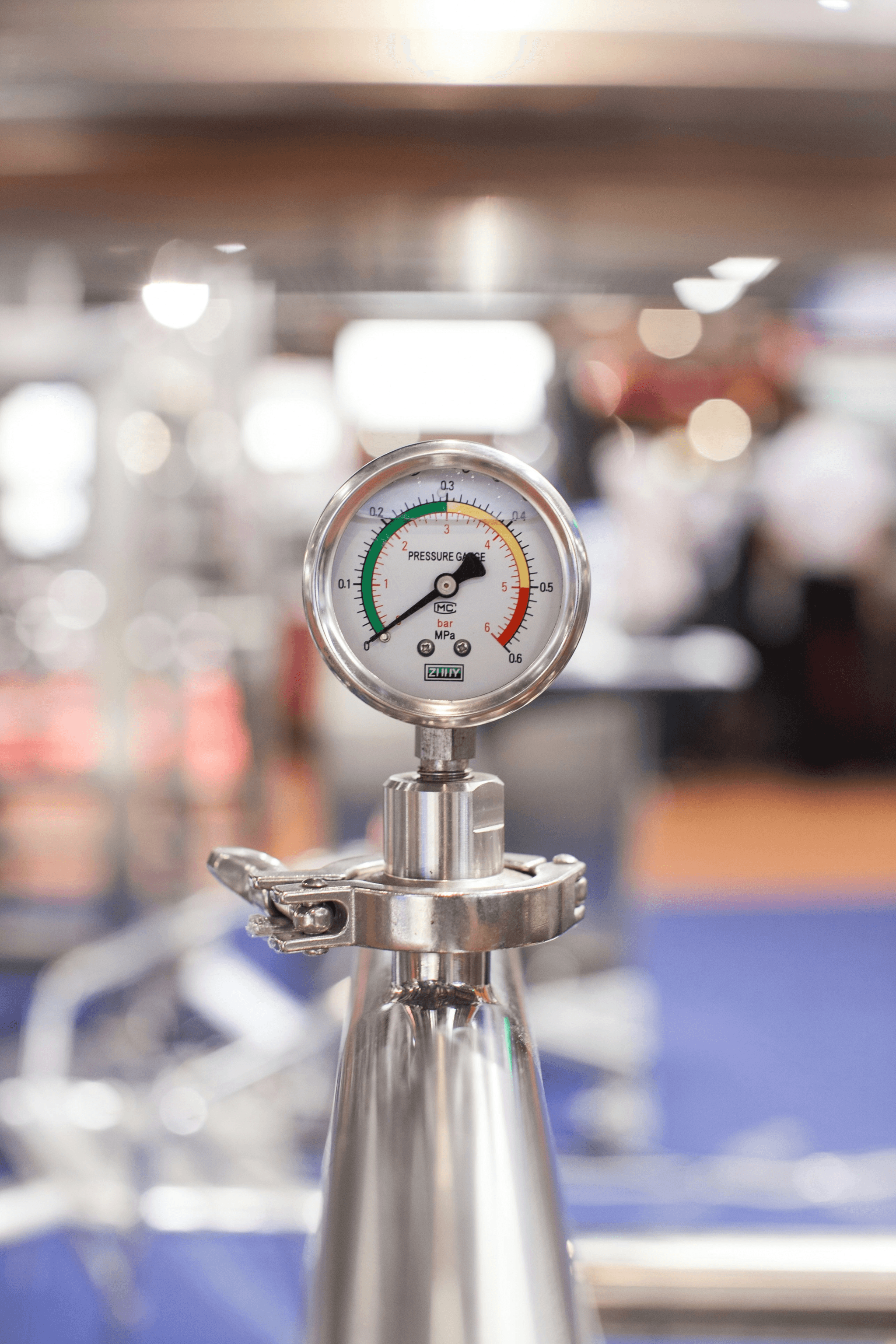
Understanding the importance of a Valve Seat Leak Test is crucial for maintaining the integrity of industrial equipment. This test helps identify potential leaks at the valve seat, preventing costly failures down the line. Properly conducting a Valve Seat Leak Test ensures that valves operate efficiently and safely, saving time and money in the long run.
Understanding Valve Seat Leak Test and Its Importance
A Valve Seat Leak Test is a vital procedure used to check for leaks around the valve seat when the valve is closed. It involves applying a specific Valve Seat Leak Test Pressure to simulate operating conditions, revealing any imperfections or leaks that could compromise performance. Knowing how to interpret these results—especially considering the Permissible Amount of Leakage—is essential for assessing whether a valve passes or needs repairs.
How a Valve Seat Leak Test Ensures Equipment Reliability
By performing a thorough Valve Seat Leak Test, operators can detect issues early before they escalate into major failures. The correct Valve Seat Leak Test Duration allows technicians enough time to observe potential leaks under pressure, ensuring accurate results. When performed properly, this test guarantees that valves meet industry standards and operate reliably over their lifespan.
What You Need to Know About Valve Seat Leak Test Pressure and Duration
Choosing the right Valve Seat Leak Test Pressure is critical; too high or too low can lead to false readings or missed leaks. Similarly, setting an appropriate Valve Seat Leak Test Duration ensures sufficient observation time without unnecessary delays—striking a balance between efficiency and accuracy. Both parameters are essential for determining if leakage remains within permissible limits or if corrective action is needed.
Fundamentals of Valve Seat Leak Testing
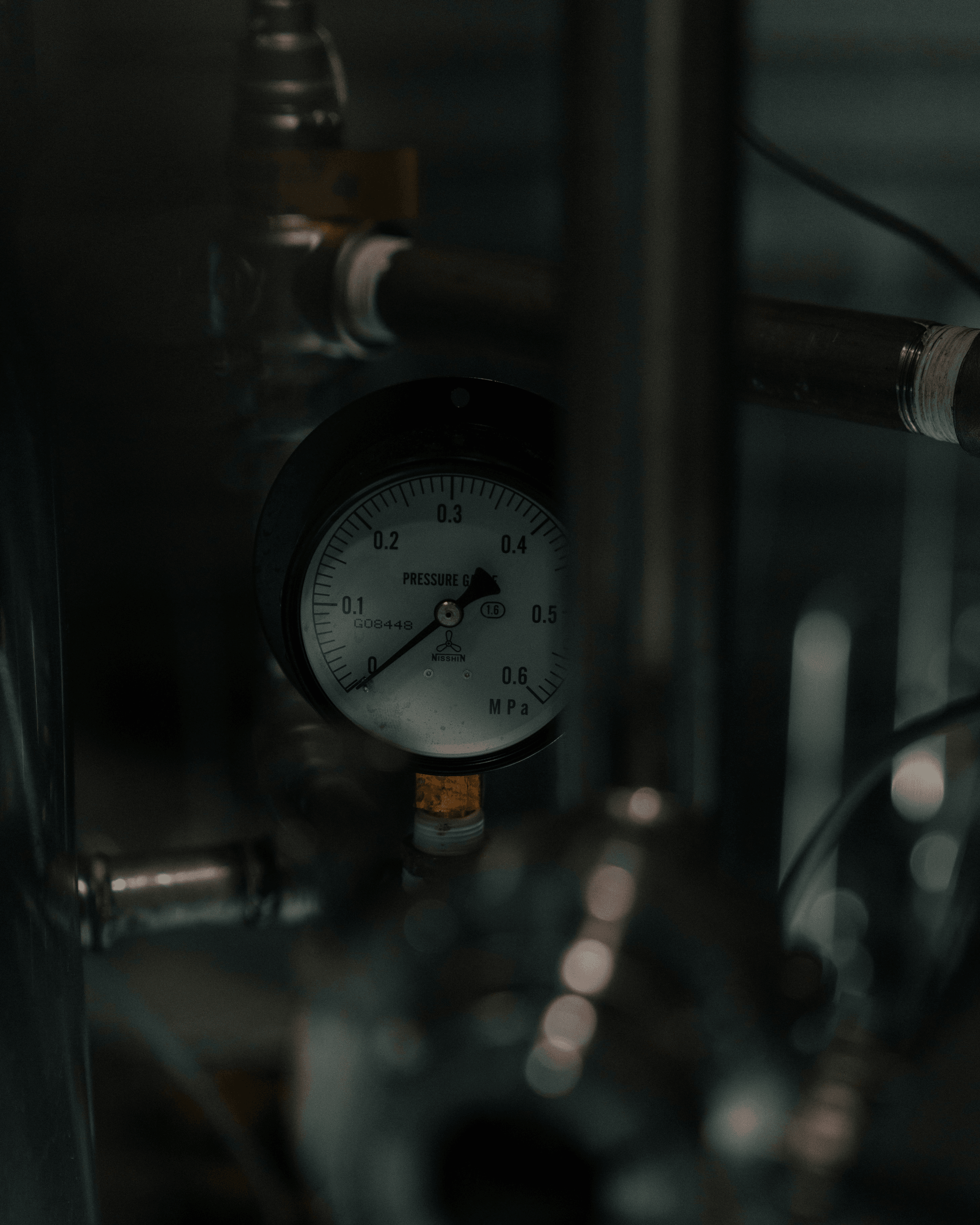
Valve seat leak testing is a critical process in the industry to ensure that valves perform reliably under operational conditions. This test focuses on detecting any leaks around the valve seat, which could compromise system integrity. Properly conducting a Valve Seat Leak Test helps prevent costly failures, making it an essential step in quality assurance.
The core purpose of a Valve Seat Leak Test is to verify the tightness of the valve seat by applying a specific Valve Seat Leak Test Pressure. During this process, engineers monitor how long the valve can maintain this pressure without significant leakage, known as the Valve Seat Leak Test Duration. Understanding both parameters ensures that any permissible amount of leakage remains within acceptable limits, safeguarding equipment and personnel.
Key components involved in leak testing include pressure gauges, testing fluids or gases, and sometimes specialized sensors for detecting minute leaks. The testing setup must be calibrated correctly to measure the Permissible Amount of Leakage accurately. Without precise instrumentation and adherence to standards, it’s impossible to determine if a valve passes or fails based on its Valve Seat Leak Test results.
Common methods used for Valve Seat Leak Testing range from hydrostatic tests to pneumatic approaches. Each method relies on maintaining an appropriate Valve Seat Leak Test Pressure while observing how long the test runs—the Valve Seat Leak Test Duration—to detect leaks effectively. Selecting the right method depends on factors like valve size, type, and industry requirements but always revolves around controlling these key parameters.
The Valve Seat Leak Test Procedure
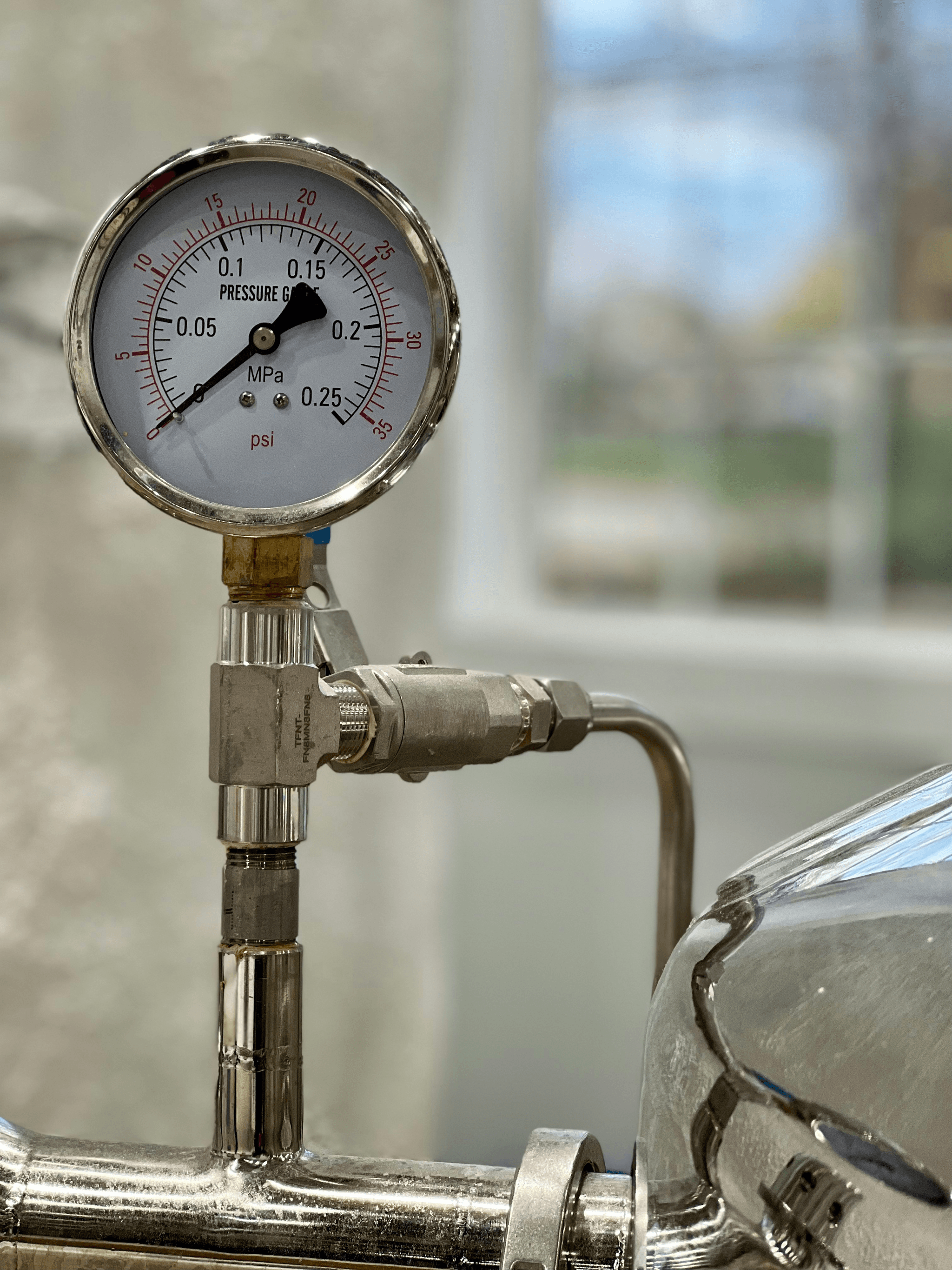
Conducting a Valve Seat Leak Test involves a systematic approach to ensure the valve’s sealing capability is thoroughly evaluated. The process begins with preparing the test setup, which includes isolating the valve and connecting pressure gauges and testing equipment. Once everything is in place, the test proceeds by pressurizing the valve to the specified Valve Seat Leak Test Pressure, carefully monitoring for any leaks or drops in pressure during the process. This step is crucial because it directly relates to determining if the valve meets industry standards for permissible amount of leakage, ensuring safety and performance.
Step-by-Step Process of Conducting the Test
The first step in performing a Valve Seat Leak Test is to isolate and prepare the valve by closing all relevant connections and installing necessary testing accessories. Next, slowly increase pressure until reaching the designated Valve Seat Leak Test Pressure, making sure not to exceed recommended limits to avoid damaging the valve or skewing results. Once at this pressure, maintain it steadily for a predetermined Valve Seat Leak Test Duration—this allows you to observe whether any leakage occurs or if pressure drops beyond permissible limits. After completing this period, carefully record all data related to pressure stability or loss; these records are vital when evaluating whether your valve passes or fails based on permissible leakage standards.
Setting the Correct Valve Seat Leak Test Pressure
Choosing and setting the correct Valve Seat Leak Test Pressure is fundamental for accurate results; too high a pressure can cause false failures, while too low might miss leaks that matter. Industry standards typically specify specific pressures depending on valve size and application—consult relevant standards from ASTM or API for guidance. During setup, use calibrated gauges and ensure that your testing equipment is functioning correctly because inaccurate readings can lead to incorrect conclusions about permissible amount of leakage or potential failure points in your valves.
Monitoring and Recording Valve Seat Leak Test Duration
Monitoring during your Valve Seat Leak Test involves keeping close watch on pressure gauges throughout the entire test duration—this is where patience pays off! Record every fluctuation meticulously because even minor drops could indicate leaks that are within or outside permissible limits; understanding this helps prevent unexpected equipment failures down the line. The duration of this test—the Valve Seat Leak Test Duration—is critical: too short might miss slow leaks, whereas overly long tests could be unnecessary if no leakage occurs early on; balance precision with efficiency for optimal results.
Interpreting Test Results and Permissible Leakage Limits
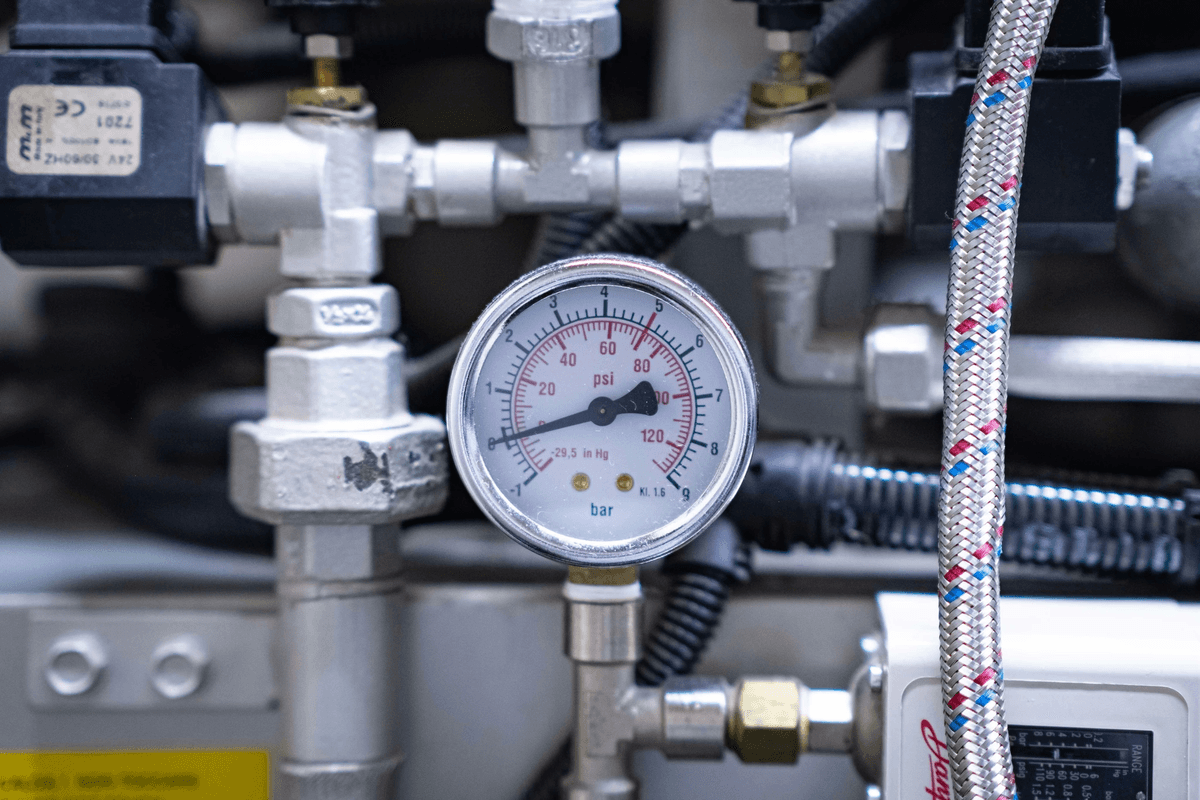
Interpreting the results of a Valve Seat Leak Test is crucial for determining whether the valve is fit for service or needs repair. The key to accurate interpretation lies in understanding the Permissible Amount of Leakage, which varies depending on industry standards and specific application requirements. Too much leakage during the Valve Seat Leak Test indicates potential seat damage or improper seating, signaling that the valve may not withstand operational pressures safely.
A successful Valve Seat Leak Test hinges on correctly setting the Valve Seat Leak Test Pressure and maintaining it throughout the prescribed Valve Seat Leak Test Duration. If the pressure drops beyond acceptable limits within this duration, it suggests excessive leakage that violates permissible limits. Conversely, if pressure remains steady within these limits during the test duration, it confirms that leakage is within permissible bounds, ensuring reliable operation.
Knowing how to identify a failed Valve Seat Leak Test involves carefully monitoring both pressure decay and leakage indicators against industry standards. Excessive leakage exceeding the Permissible Amount of Leakage—often specified in technical guidelines—means immediate attention is needed before deployment. Regularly reviewing these parameters ensures early detection of issues and prevents costly failures down the line.
Industry Standards and Best Practices
When it comes to Valve Seat Leak Test, adhering to established standards from organizations like ASTM and API ensures that every test is reliable, consistent, and compliant with industry expectations. These standards specify the correct Valve Seat Leak Test Pressure to be used during testing, as well as the permissible amount of leakage that can be tolerated before a valve fails the test. Following these guidelines helps prevent unnecessary failures or overlooked issues, ultimately safeguarding equipment integrity.
In practice, best practices for accurate Valve Seat Leak Testing involve meticulous attention to detail regarding Valve Seat Leak Test Duration. Proper timing ensures that any leakage is detected within an appropriate window, avoiding false positives or negatives. Additionally, maintaining the correct Valve Seat Leak Test Pressure throughout the process is crucial; fluctuations can lead to inaccurate results or damage to the valve components. Consistent monitoring of these parameters guarantees precise assessment of permissible leakage levels and overall valve performance.
China Inspection Pro plays a vital role in ensuring quality and compliance by providing expert oversight on Valve Seat Leak Tests performed according to international standards. Their inspectors verify that all procedures consider the specified Valve Seat Leak Test Pressure and adhere strictly to safety margins related to Permissible Amount of Leakage. By enforcing rigorous testing protocols, China Inspection Pro helps clients achieve reliable results while minimizing risks associated with improper testing practices.
Benefits of Proper Valve Seat Leak Testing
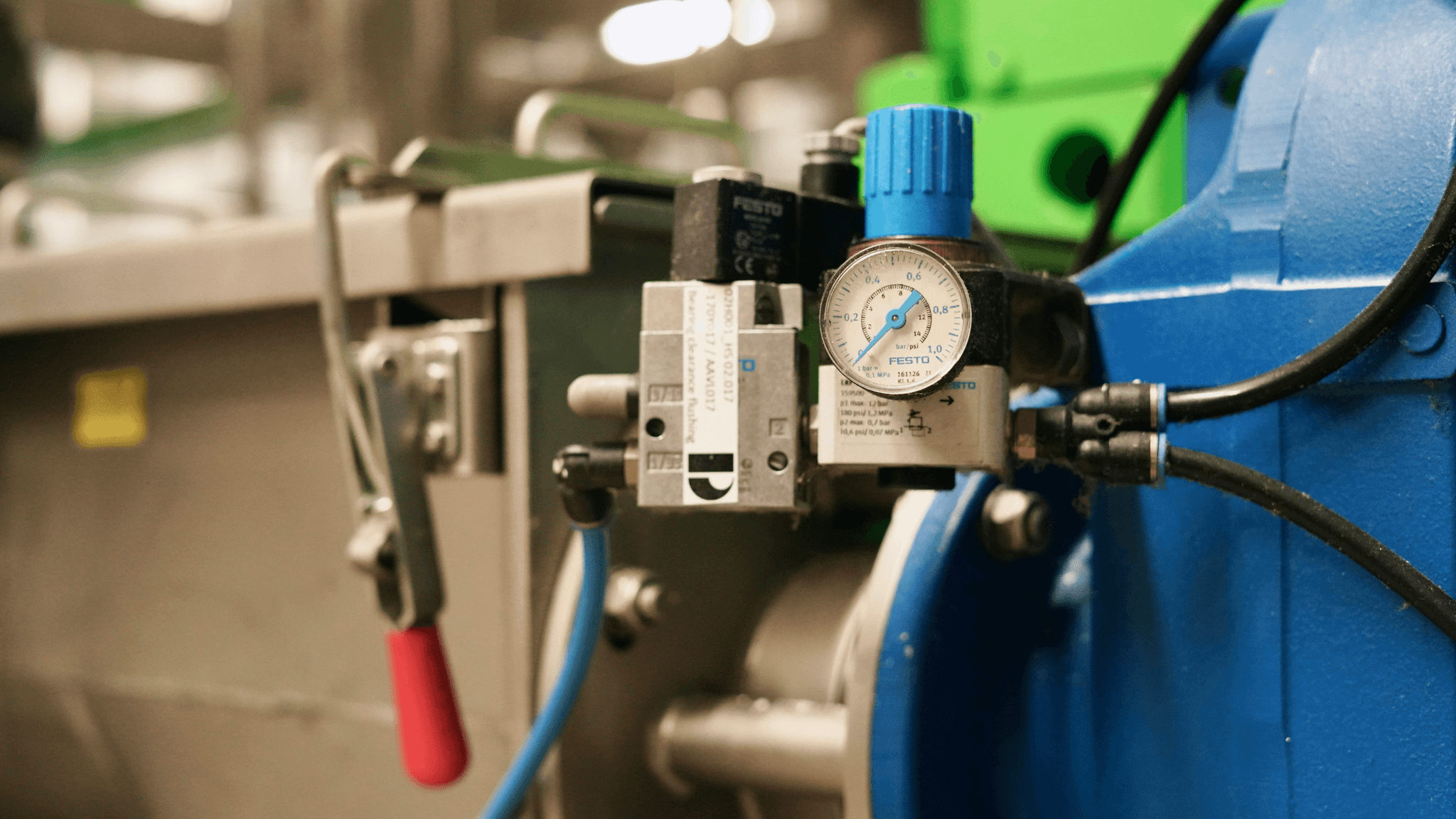
Performing a thorough Valve Seat Leak Test offers numerous advantages that keep industrial equipment running smoothly. By accurately setting the Valve Seat Leak Test Pressure and carefully monitoring the Valve Seat Leak Test Duration, operators can catch potential issues early before they escalate into costly failures. Adhering to permissible leakage limits ensures that valves operate within safe parameters, preventing unexpected breakdowns and costly downtime.
Preventing Equipment Failures and Downtime
A well-executed Valve Seat Leak Test helps identify leaks that could lead to severe equipment failures if left unchecked. When the Valve Seat Leak Test Pressure is set correctly and the test duration is maintained as per standards, it provides a reliable snapshot of valve integrity. Detecting leaks early, especially when leakage exceeds permissible limits, helps avoid unplanned shutdowns and keeps production lines humming along smoothly.
Extending Valve Lifespan and Performance
Consistently performing proper Valve Seat Leak Tests with attention to correct pressure settings and test duration enhances valve longevity. By ensuring minimal leakage within permissible amounts, valves experience less wear and tear over time, maintaining optimal performance levels longer. This proactive approach reduces premature replacements, saving both time and money while boosting overall operational efficiency.
Cost Savings from Early Leak Detection
Early identification of leaks through diligent Valve Seat Leak Testing prevents minor issues from escalating into expensive repairs or replacements. Maintaining leak rates within permissible limits means fewer emergency repairs and less unscheduled downtime—translating directly into cost savings for your operation. Investing in accurate testing procedures, including precise control of Valve Seat Leak Test Pressure and Duration, pays off by safeguarding your bottom line.
Conclusion
Ensuring safety and reliability with a Valve Seat Leak Test is paramount in maintaining the integrity of industrial equipment. Properly conducting this test, with attention to Valve Seat Leak Test Pressure and Valve Seat Leak Test Duration, helps identify potential leaks before they escalate into costly failures. When performed accurately, it guarantees that the Permissible Amount of Leakage remains within acceptable limits, safeguarding both personnel and assets.
Ensuring Safety and Reliability with Valve Seat Leak Tests
A well-executed Valve Seat Leak Test acts as a shield against unforeseen equipment breakdowns by verifying that valve seats are sealing correctly. By adhering to recommended Valve Seat Leak Test Pressure levels and durations, operators can detect even minor leaks that might compromise safety or performance. Trusting these tests ensures the plant operates smoothly, reducing risks associated with excessive leakage beyond the Permissible Amount of Leakage.
The Critical Role of Valve Seat Leak Test Pressure and Duration
Choosing the right Valve Seat Leak Test Pressure is crucial because too high a pressure can damage valve components, while too low may miss subtle leaks. Similarly, maintaining an appropriate Valve Seat Leak Test Duration allows sufficient time for leaks to manifest without unnecessary delays or false positives. Both parameters directly influence whether a valve passes or fails based on the Permissible Amount of Leakage—making their correct setting essential for accurate results.
Trusting Professional Testing Services for Accurate Results
While DIY approaches might seem tempting, professional testing services bring expertise in setting precise Valve Seat Leak Test Pressure and managing optimal Valve Seat Leak Test Duration. They utilize industry standards to interpret leakage results accurately against Permissible Amount of Leakage benchmarks, ensuring compliance and safety. Ultimately, trusting experienced professionals guarantees your valves perform reliably under real-world conditions.